Póngase en contacto con Masstech
Máquina llenadora de cerveza: líneas de producción para botellas, latas y barriles, desde microcervecerías hasta cervecerías industriales — Mass Technology
La maquinaria de llenado de cerveza Mass procesa 2,000 24,000 BPH en botellas de vidrio, 2,000 18,000 CPH en latas de aluminio o cualquier formato de barril, con diseño basado en llenado isobárico por contrapresión que conserva el CO 2 y rechaza el oxígeno en todos los tamaños de envase. El equipo de ingeniería ISO 9001:2015 personaliza la línea según su capacidad de producción, sus formatos de botellas y latas y el espacio disponible en su planta; realiza el envío, la instalación y la capacitación de sus operadores en sitio. Se incluyen el cumplimiento CE con BO 6 Sizabah, una garantía de 2 años para todas las piezas, respuesta de ingeniería en 24 h/S y envío internacional de repuestos en 5 días.
Solicitar una cotización →

Cuellos de botella en el llenado de cervecerías: cómo una línea modular resuelve las limitaciones de botellas, latas y barriles
Una máquina llenadora de cerveza es la combinación completa de módulos de enjuague, llenado isobárico y taponado o engargolado que conserva la carbonatación y el oxígeno desde el tanque hasta el envase. Una máquina llenadora de cerveza Mass admite formatos de botella, lata y barril desde una plataforma de ingeniería cuyo tamaño se adapta a las necesidades de microcervecerías, cervecerías artesanales regionales y cervecerías comerciales. Las decisiones tecnológicas de las secciones siguientes definen la calidad de llenado y la flexibilidad de formato durante los primeros diez años, y determinan el costo total puesto en planta durante los diez años siguientes.
El mercado de las cervecerías en 2024-2025 es más difícil de interpretar que durante los años de auge anteriores. En 2024, por primera vez en la historia, cerraron más cervecerías de las que abrieron. En segundo lugar, cada vez entran menos empresas nuevas al mercado; incluso las nuevas startups informan un gasto de capital inicial superior a $500,000 cuando llenan sus primeras botellas.
Cuello de botella #1 — Capacidad de producción
Las llenadoras manuales limitan su crecimiento a unos 800–1,200 BPH. Si su demanda semanal de cajas terminadas supera un pallet en botellas llenadas a mano, o las llenadoras de latas le generan costos de mano de obra, incorporación de oxígeno y alturas de llenado desiguales, un monobloque enjuagadora-llenadora-taponadora de 4-6K BPH es el primer salto importante.
Cuello de botella #2 — Cambio de formato
Comprar líneas separadas de embotellado y enlatado duplica el CAPEX y el espacio en el piso. Muchas cervecerías artesanales necesitan botellas y latas, pero eso implica dos líneas dedicadas, dos ciclos CIP, dos conjuntos de habilidades y dos hojas de cotización. Un solo ingeniero diseñó un monobloque híbrido de enlatado y embotellado que concentró el gasto.
Cuello de botella #3 — Costo total puesto en planta oculto
Los precios cotizados suelen subestimar entre 40–80% la instalación real. El análisis de la industria indica que una estimación de precio de 1.2M para una línea de enlatado se convierte en un costo de 2.1 M al considerar el diseño de mejoras eléctricas, la integración del sistema, la capacitación y la calificación… las líneas sin un respaldo claro del costo total puesto en planta trasladan esta carga nuevamente a la cervecería.
Cómo resuelve Mass el cuello de botella
Mass trata cada proyecto como una línea completa de llenado para cervecería, no como ventas de máquinas individuales. Nuestros ingenieros comienzan con su objetivo anual en hectolitros, la combinación de formatos y las limitaciones actuales de la planta; después recomiendan la enjuagadora, la llenadora, la taponadora/engargoladora y los módulos de envasado posteriores. Un líder de proyecto lo guía desde la prueba de aceptación en fábrica hasta el transporte marítimo, pasando por la instalación y la capacitación de operadores.
Nuestra cartera de máquinas llenadoras de cerveza es modular por diseño. Puede comenzar hoy con un monobloque de botellas de 4,000 BPH y, al ampliar la operación, añadir en paralelo una llenadora de latas de 6,000 CPH, una lavadora de barriles o un pasteurizador de túnel en una etapa posterior. La flexibilidad de formato está integrada en la plataforma, no añadida después.
Máquinas llenadoras de cerveza Mass: líneas y modelos para botellas, latas y barriles
Mass fabrica tres familias fundamentales de máquinas llenadoras de cerveza, cada una optimizada para el formato del envase y la escala de producción de la cervecería. Todas las líneas utilizan llenado isobárico por contrapresión, con acero inoxidable 304 o 316 de grado alimentario en todas las superficies en contacto con el producto; se suministran totalmente compatibles con CIP y funcionan con controles PLC detrás de una pantalla táctil HMI de 10 pulgadas. Utilice los enlaces siguientes para acceder a la página de especificaciones de cada formato de envase.
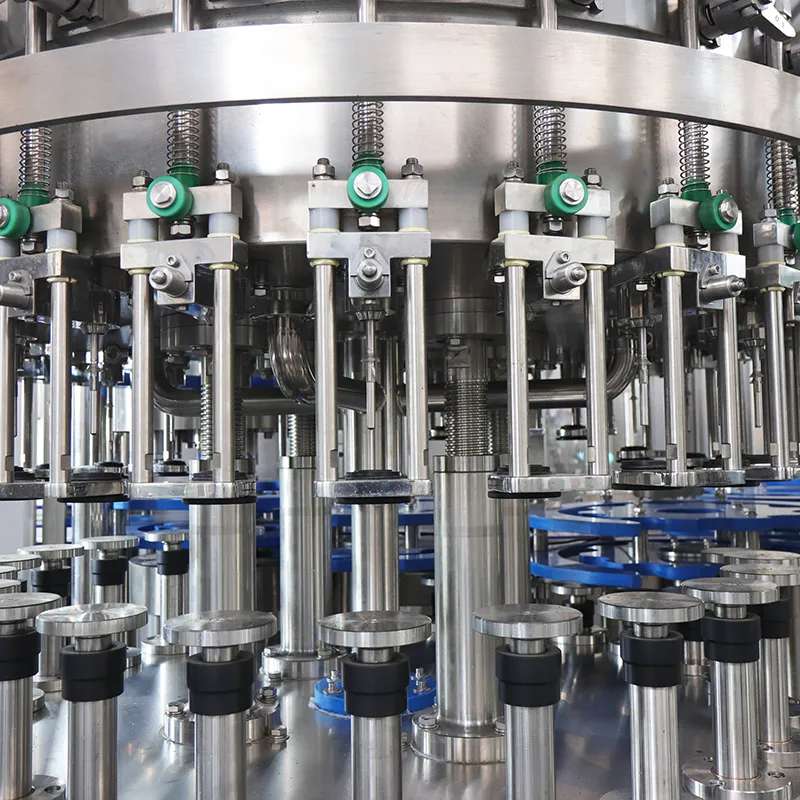
Máquina embotelladora de cerveza
Llenado de botellas de vidrio para cervecerías artesanales y producción a escala comercial. Monobloque modular de enjuagadora, llenadora isobárica y taponadora de corona.
- Capacidad de producción de 2,000–24,000 BPH
- Rango de botellas de vidrio de 250 ml – 1,500 ml
- Opciones de cierre con tapa corona o ROPP
- Precisión de llenado de ±0.3–0.5%
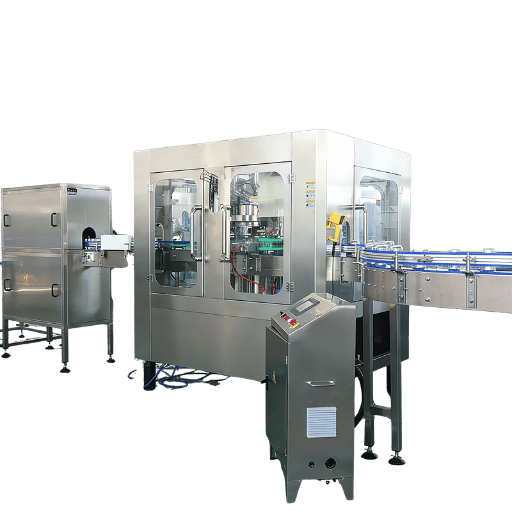
Máquina llenadora de latas de cerveza
Combinaciones de llenadoras rotativas de latas por contrapresión y engargoladoras para latas de aluminio, destinadas a la producción de cerveza en cervecerías artesanales y comerciales.
- CPH: 2,000–18,000
- Tamaños de lata: 250 / 330 / 473 / 500 ml
- Engargoladora: doble engargolado con control servo
- Objetivo de O2: <50 ppb en el llenado
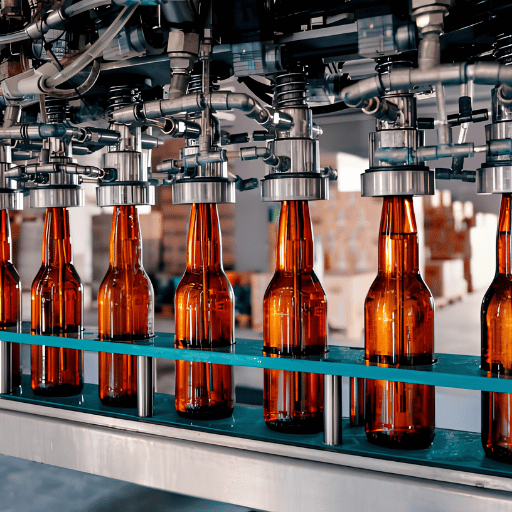
Línea de embotellado de cerveza
Línea completa de embotellado de principio a fin, desde el despaletizador hasta la etiquetadora y el envoltorio termoencogible. Diseñada para cervecerías que buscan un solo grupo de ingeniería para todos los módulos.
- Módulos: despaletizador, enjuagadora, llenadora, taponadora, etiquetadora y empacadora
- Superficie ocupada: 30–80 m² típicos
- Integración: arquitectura PLC única
- Escalabilidad: añadir módulos por fases
Niveles de especificación integrados
Utilice esta matriz de cálculo para determinar el nivel Mass más compatible con su capacidad de producción anual. Cada nivel Mass es un dato: su sala de cocción puede optimizarse con cabezales de llenado, automatización CIP y definición de materiales conforme a la ficha de especificaciones real de su producto durante la etapa de cotización.
| Especificación | Nivel de entrada | Gama media | Industrial |
|---|---|---|---|
| Botellas BPH | 2,000–4,000 | 4,000–12,000 | 12,000–24,000 |
| Latas CPH | 2,000–4,000 | 4,000–12,000 | 12,000–18,000 |
| Cabezales de llenado (llenadora) | 8–12 | 12–40 | 40–60 |
| Precisión de llenado | ±0.5% | ±0.4% | ±0.3% |
| Material en contacto | SS 304 | SS 304 / 316 | SS 316 + pulido EP |
| Automatización CIP | manual | semiautomático | totalmente automático |
| Superficie ocupada | 8–14 m² | 14–30 m² | 30–80 m² |
| Escala típica de cervecería | nano · sala de degustación | artesanal regional | comercial · por contrato |
Matriz de decisión — botella frente a lata frente a barril según la escala de la cervecería
Esta tabla es el punto de inflexión por el que nuestros ingenieros de aplicaciones guían a cada posible cliente. Relacione su volumen anual en hectolitros con su formato; cada celda verde representa la configuración Mass con mayor eficiencia de capital para una nueva construcción.
| Volumen anual | Prioridad botella | Prioridad lata | Híbrido (botella + lata) | Predominio de barriles |
|---|---|---|---|---|
| ≤500 hl (nano) | Monobloque semiautomático de 2,000 BPH | Rotativa compacta de 2,000 CPH | no recomendado | Llenadora manual de barriles de 20–40 KPH |
| 500–5,000 hl (artesanal regional) | Automática de 4,000–6,000 BPH | Automática de 4,000–8,000 CPH | Monobloque híbrido de 4,000+4,000 | Llenadora semiautomática de barriles de 40–80 KPH |
| 5,000–50,000 hl (comercial) | 8,000–18,000 BPH | Rotativa de 8,000–12,000 CPH | Líneas dobles dedicadas de 8,000+8,000 | Llenadora automática de barriles de 80–250 KPH |
| ≥50,000 hl (industrial) | 18,000–24,000 BPH | 12,000–18,000 CPH | líneas dedicadas en paralelo | planta integrada de barriles |
Tecnología de llenado por contrapresión (isobárico): por qué es importante para la cerveza
Al decidir entre el llenado abierto y el llenado isobárico, es útil comprender cómo funciona la tecnología para obtener una cerveza de mejor calidad sin someter a tensión su línea de embotellado. Todas las líneas para cervecerías artesanales y comerciales que diseñamos funcionan por contrapresión de manera predeterminada. La razón es convincente: las llenadoras abiertas introducen oxígeno disuelto y pierden CO2, y ambos factores afectan directamente la vida útil y el aroma.
Los pasos técnicos son bastante sencillos: la botella o lata se inserta en la llenadora, el tubo de llenado se sella mecánicamente contra el recipiente, la llenadora ventea el espacio de cabeza y una breve etapa de “sniff” libera la presión del espacio de cabeza antes de que se coloque el cierre.

01
Prepurga de CO2
El envase se sella a la válvula y se llena con CO2 para desplazar el oxígeno ambiental.
02
Presurización
La presión del envase se iguala a la presión del tanque: normalmente 2.0–3.5 bar para cerveza.
03
Llenado de líquido
La cerveza fluye por diferencia de gravedad mientras el CO2 desplazado regresa al tanque.
04
Desgasificación y tapa
La presión del espacio de cabeza se libera brevemente; después, la tapa corona, ROPP o la tapa de la lata sella de inmediato.
Las cifras que determinan la vida útil
Los estándares establecidos de la industria para el llenado abierto en la elaboración artesanal y comercial de cerveza se mantienen aproximadamente en 0.2-0.4ppm de oxígeno disuelto y un nivel de ácido carbónico al menos 20% por debajo de los niveles de carbonatación objetivo, mientras que una llenadora isobárica avanzada puede mantenerse por debajo de 50 ppm de oxígeno disuelto y conservar más del 95% de los niveles de carbonatación establecidos.
| Métrica de rendimiento | Llenado abierto (típico) | Mass isobárico (objetivo) | Modo de falla si no se cumple |
|---|---|---|---|
| O2 total del envase (TPO) | 200–400 ppb | <50 ppb | Sabor rancio y a papel en 6–8 semanas |
| Retención de CO2 | 70–80% | ≥95% | Cerveza de sabor plano en el estante de venta |
| Precisión de la altura de llenado | ±2% | ±0.3–0.5% | Quejas por subllenado, riesgo normativo |
| Pérdidas de espuma (salida de la llenadora) | 3–6% | <1.5% | Pérdida de rendimiento + zona pegajosa de la máquina |
BCA justifica el aumento de precio del llenado abierto al isobárico al cubrir estos objetivos numéricos. Para cervezas lupuladas, sour y super-sour o con una vida útil de exportación muy prolongada, mantenga las cifras de oxígeno bajo control estricto.
Cuándo pasar del llenado abierto a la contrapresión
Si su objetivo de vida útil supera 8 semanas o importa a países con tiempos de tránsito más largos, una máquina llenadora de cerveza por contrapresión empieza a amortizarse mediante menos devoluciones y mejores puntuaciones de calidad. Para nano-cervecerías que solo venden en la sala de degustación dentro de dos semanas, el llenado abierto aún puede ser una propuesta atractiva, pero la mayoría de las marcas en crecimiento superará este umbral en 2 años.
Máquinas llenadoras de cerveza Mass frente al promedio de la industria: referencia de rendimiento
La tabla siguiente sitúa a Mass frente al proveedor de equipos artesanales promedio de la industria y frente a una planta industrial europea de clase mundial (concretamente Krones AG). Los valores siguientes combinan especificaciones publicadas y rangos operativos reales para cada una de estas 3 bandas de la industria.
| Indicador | Mass Technology | Promedio de la industria | Nivel superior (clase Krones) |
|---|---|---|---|
| Precisión de llenado | ±0.3–0.5% | ±0.5–1.0% | ±0.2% |
| O2 total del envase | <50 ppb | 100–200 ppb | <30 ppb |
| Retención de CO2 | ≥95% | 85–90% | ≥96% |
| Garantía (todas las piezas) | 2 años | 1 año | 1 año |
| Respuesta del ingeniero | 24 horas | 48–72 horas | 24 horas |
| Entrega internacional de repuestos | 5 días laborables | 2–4 semanas | 5–7 días laborables |
| Índice de precio relativo | 100 | 130–180 | 350+ |
La tendencia que cuenta
Mass cubre gran parte de la brecha frente a los equipos europeos de nivel superior, manteniéndose por debajo del índice de precios promedio de la industria. En particular, nuestra entrega internacional de repuestos en 5 días reduce el inventario de repuestos que necesita mantener en sus instalaciones.
Solicite una comparación personalizada con la marca que tiene en su lista corta →“Durante la validación final, comparamos nuestras llenadoras isobáricas con tres sistemas europeos conocidos antes de establecer nuestro diseño actual de válvula. El oxígeno total del envase se mantiene por debajo de 50 ppb en nuestras líneas de 4,000 BPH a 12,000 BPH, y cada CIP se completa en menos de 35 minutos; esa es la combinación que solicitan nuestros clientes y el nivel de rendimiento que buscamos.”
Resultados de clientes: producción cuantificada y reducción de pérdidas
Los perfiles de casos siguientes muestran máquinas llenadoras de cerveza Mass y líneas de agua y bebidas carbonatadas funcionando en instalaciones recientes de clientes. Los nombres específicos de las cervecerías y los datos privados de KPI están protegidos por acuerdos de confidencialidad; las métricas siguientes ofrecen una idea de las producciones típicas de nuestros niveles de capacidad.
Nano · 500 hl/año
Cervecería artesanal europea — sustitución de línea de botellas
+180%
capacidad de producción frente al llenado manual
14 semanas
desde la puesta en marcha hasta el llenado
Se sustituyó una línea de llenado manual de 600 cajas por hora por un monobloque semiautomático de 4,000 BPH. El oxígeno del espacio de cabeza pasó de estar fuera de especificación a menos de 80 ppb, lo que permitió acceder a mercados de exportación que antes estaban fuera de alcance.
Regional · 5,000 hl/año
Cervecería del Sudeste Asiático — híbrido de botellas y latas
−65%
pérdidas de llenado
12,000
equivalente máximo en BPH
Se añadió un monobloque combinado de latas de 6,000 BPH y botellas de 6,000 BPH a las 2 x 3,000 BPH existentes. Los ciclos CIP se redujeron de 1.5 horas a 45 minutos en las líneas, recuperando 5-6 horas por semana.
Comercial · 50,000+ hl/año
Cervecería comercial sudamericana — planta de doble formato
28 meses
periodo de amortización
24,000
línea de botellas BPH
Mass suministró una línea de botellas de 24,000 BPH y una línea de latas de 12,000 BPH con la misma arquitectura PLC. La capacidad de producción se triplicó 9 meses después de la puesta en marcha; los costos de repuestos se mantuvieron estables gracias a la selección estandarizada de componentes en ambas líneas.
Adyacente · multiproducto
Utilización entre productos: cerveza, sidra y hard seltzer
3+
tipos de producto
±0.4%
precisión de llenado mantenida
Las llenadoras por contrapresión diseñadas para cerveza admiten habitualmente líneas separadas de hard seltzer, sidra carbonatada o kombucha, mientras que el cambio de formato tarda menos de una hora. Esta inversión en la plataforma abre categorías de productos adyacentes sin necesidad de comprar una llenadora secundaria.
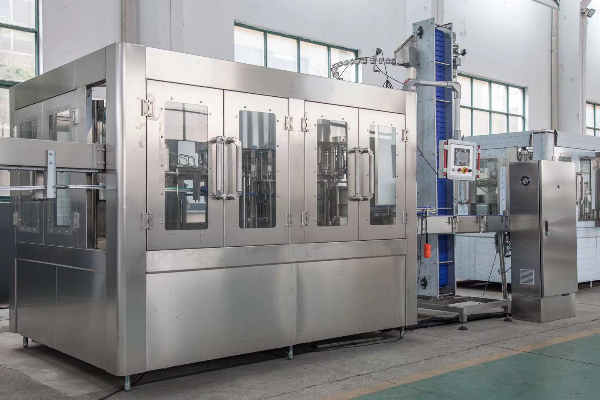
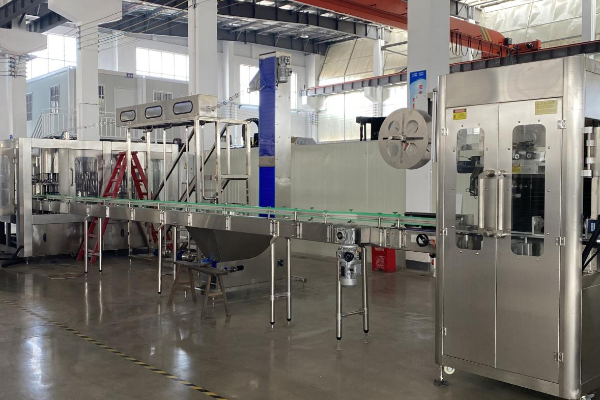
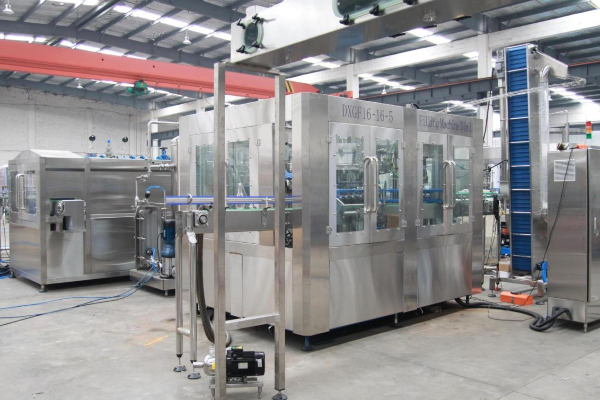
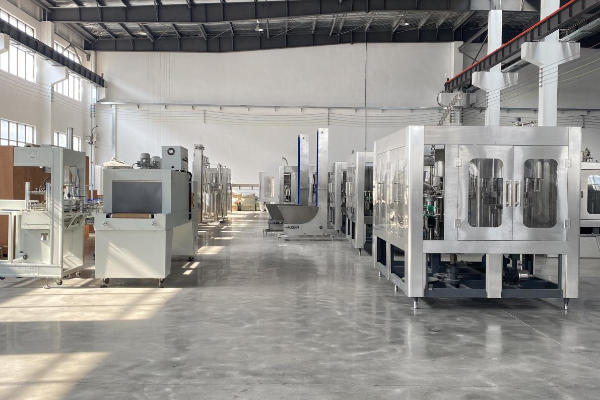
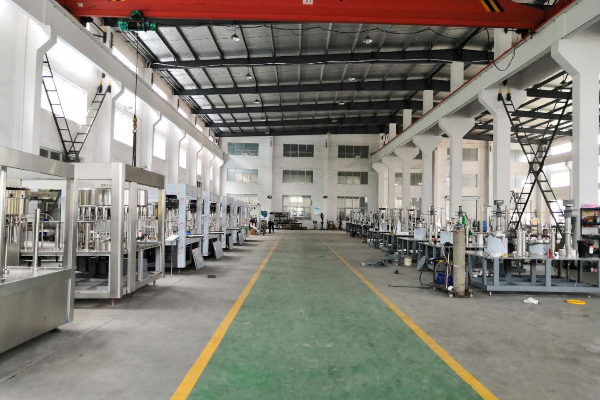
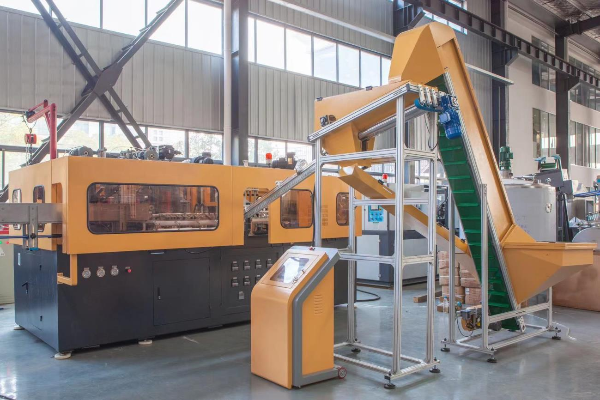
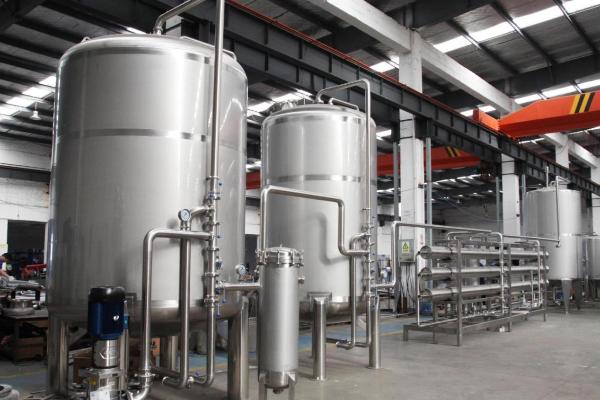
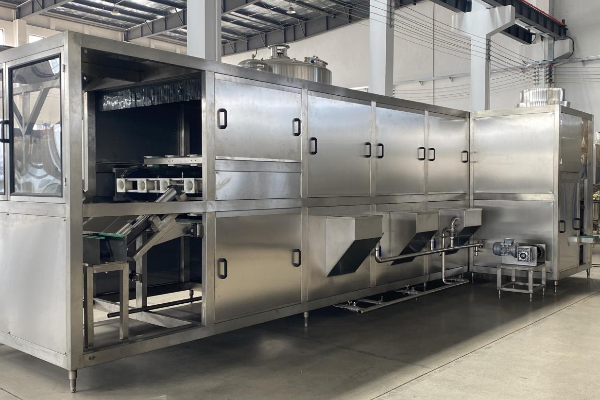
Instalación de ingeniería y manufactura de Mass
×
![Ampliar imagen de fábrica]()
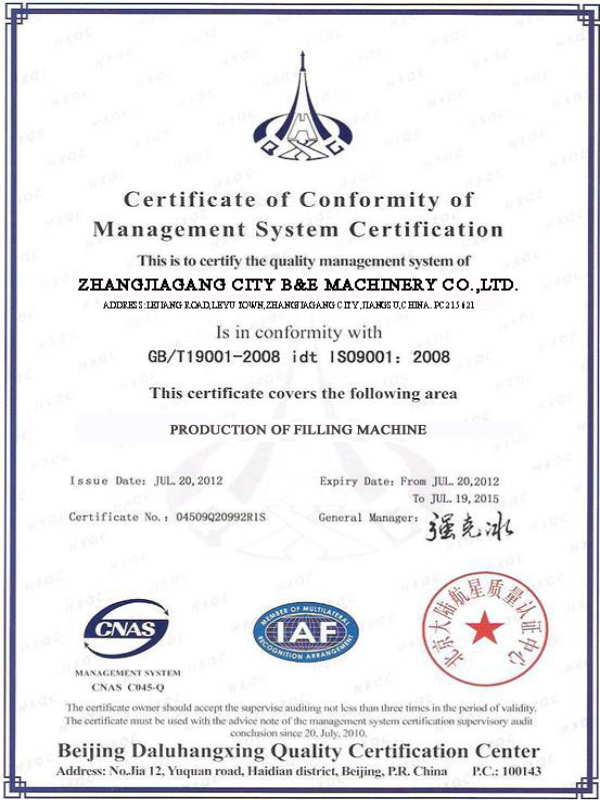
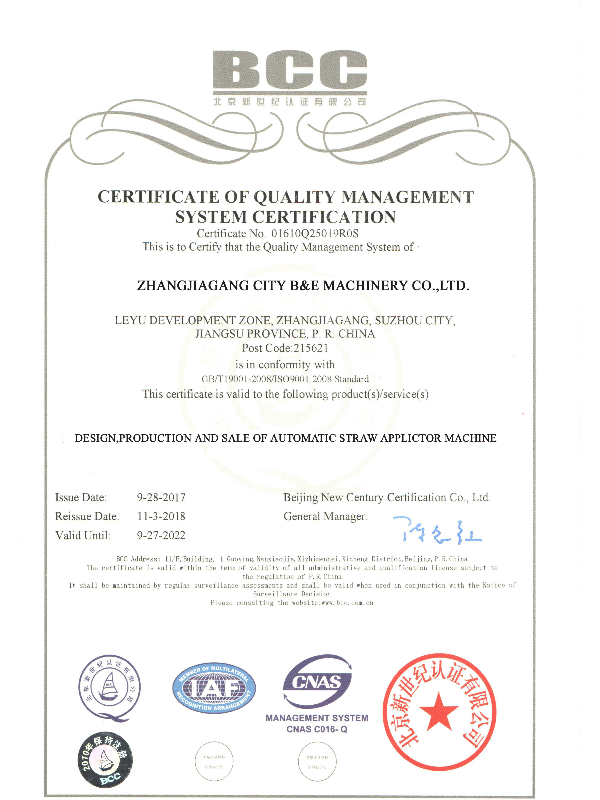
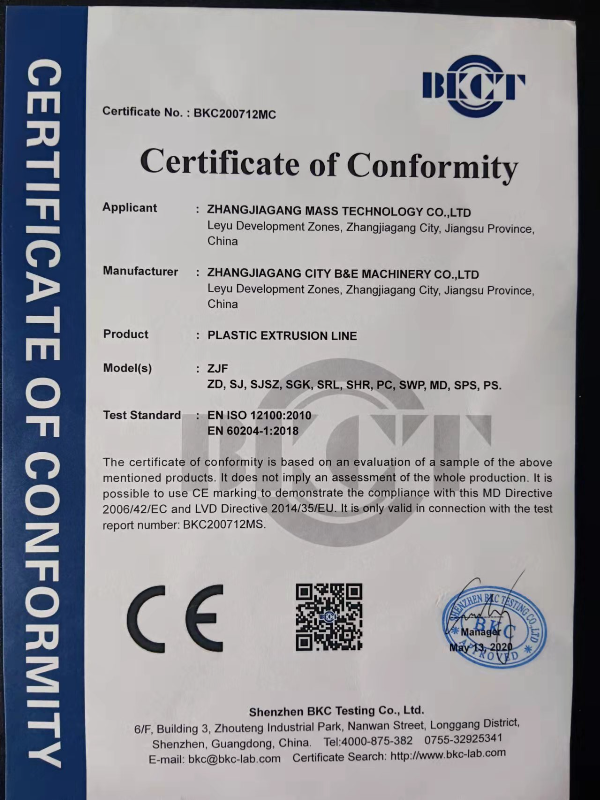
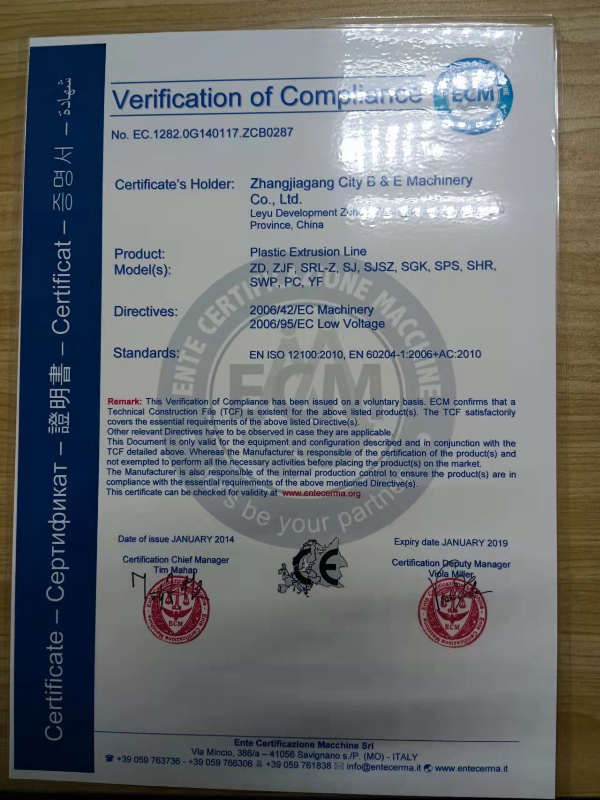
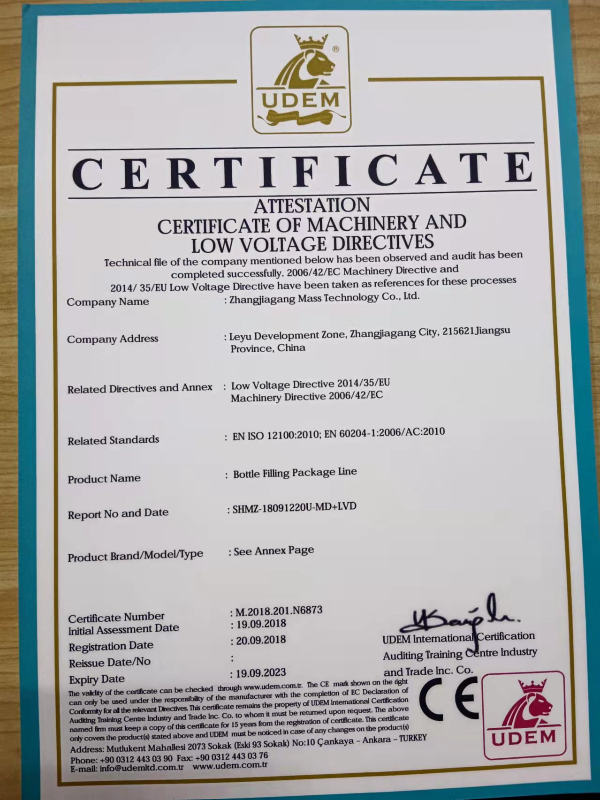
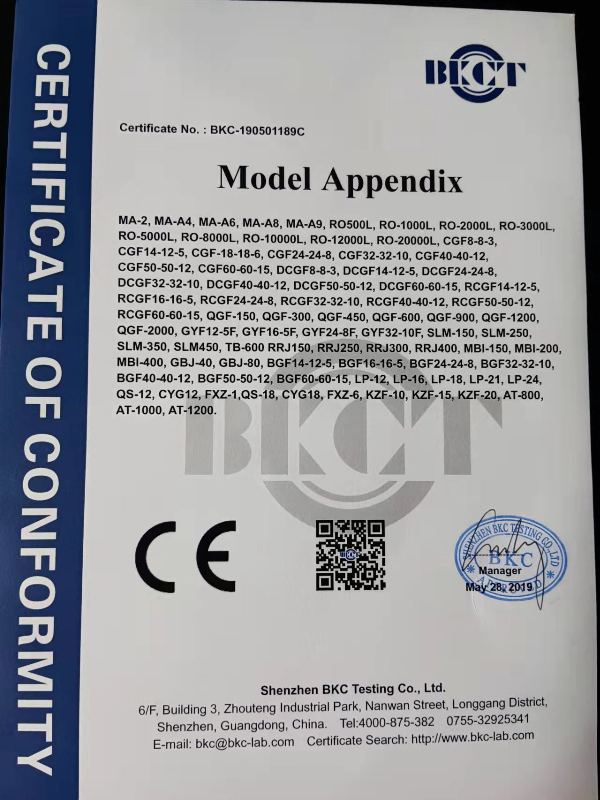
Conjunto de certificaciones y cumplimiento normativo
Las máquinas llenadoras de cerveza Mass cuentan con las certificaciones que su importador, distribuidor y auditor de seguridad alimentaria solicitarán desde el principio. Cada distintivo de la fila siguiente representa una acreditación vigente a nivel corporativo y de producto.
CE
Marcado CE
Directiva de Máquinas de la UE 2006/42/EC
ISO 9001
ISO 9001:2015
Sistema de gestión de la calidad
GMP
Alineado con GMP
Buenas prácticas de manufactura
FDA
Compatible con FDA
Materiales de contacto de grado alimentario
RoHS
RoHS
Control de sustancias peligrosas
Cumplimiento de materiales: cuándo basta el SS 304 y cuándo merece la pena pasar al 316
La elección del grado de acero inoxidable suele pasar desapercibida para los compradores, pero la resistencia a la corrosión posterior puede resultar sorprendentemente importante. El acero inoxidable AISI 304 es el grado de aprobación predeterminado y funciona para la mayoría de las marcas de cerveza cuando se somete a ciclos CIP estándar. El AISI 316 añade molibdeno, que generalmente se justifica por el costo en entornos con alto contenido de cloruros (como instalaciones costeras, plantas que realizan CIP cáustico agresivo o cuando se trabaja con cervezas de mosto ácido o kettle-sour).
Especificamos SS 304 para las líneas de entrada, combinamos 304/316 en las de gama media y empleamos 316 de forma generalizada en los sistemas industriales, donde el costo total de propiedad hace que sea una opción prudente.
Guía de adquisiciones: precios, plazo de entrega y servicio posventa
- 1. Referencias de precios
- 2. Marco de costos ocultos
- 3. Cronograma del proyecto
- 4. Garantía posventa
La mayoría de los proveedores de máquinas llenadoras de cerveza mantienen sus precios ocultos detrás de un formulario de cotización. Mass ofrece los rangos de precios operativos siguientes porque las decisiones de la cervecería que está a punto de tomar son demasiado importantes para hacerse a ciegas. Las cifras son FOB China, representan especificaciones típicas de grado de importación de 2025 y se contrastan de forma independiente con alibaba.com, made-in-china.com, los anuncios clasificados de ProBrewer y proveedores estadounidenses de equipos artesanales.
| Configuración | Capacidad de producción | Rango de precios Mass (USD, FOB China) |
|---|---|---|
| Monobloque semiautomático de botellas de nivel de entrada | 2,000–4,000 BPH | $50,000 – $150,000 |
| Monobloque automático de botellas de gama media | 4,000–12,000 BPH | $150,000 – $400,000 |
| Línea industrial automática de embotellado | 12,000–24,000 BPH | $400,000 – $1,500,000 |
| Línea rotativa compacta de enlatado | 2,000–8,000 CPH | $60,000 – $200,000 |
| Monobloque híbrido de botellas y latas | 4,000+4,000 / 6,000+6,000 | $200,000 – $600,000 |
Para ponerlo en perspectiva: los módulos pequeños de máquinas chinas de enlatado de cerveza (~6-12K CPH) se anuncian a $20,000-$38,000 en made-in-china.com, mientras que los sistemas de enlatado artesanal fabricados en Estados Unidos parten de unos $71,000 de base en Twin Monkeys y otras fuentes similares. Mass se sitúa dentro de ese rango, con tolerancias de ingeniería más ajustadas que las primeras.
Costo total real puesto en planta: marco de costos ocultos
Por qué los precios cotizados suelen subestimar entre 40–80% la instalación real
Un estudio de caso citado por la industria documentó que una cotización de $1.2M para una línea de enlatado se disparó a $2.1M de inversión total de capital después de añadir el capital eléctrico, la integración y la validación. Una serie de seminarios web del Craft Beer Institute analiza los costos imprevistos de los equipos de enlatado. Nuestras cotizaciones ordenan los costos para que el exceso no incremente inesperadamente su presupuesto.
Electricidad y servicios auxiliares
Aire comprimido, agua refrigerada, glicol, regulación eléctrica trifásica y gestión del polvo.
Obra civil y cimentación
Drenaje del piso, excavación de fosas para despaletizadores, anclaje de pernos y bases de apoyo.
Integración
Terminaciones de tanques aguas arriba, interfaz del preempacador aguas abajo y transferencia de datos de la etiquetadora.
Aprobación y venta del sistema
Prueba de aceptación en fábrica (FAT), prueba de aceptación en sitio (SAT), integración del plan HACCP y aprobación gubernamental.
Capacitación de operadores
5–10 días en sitio más procedimientos operativos estándar escritos y multilingües.
Almacenamiento y manipulación de consumibles
Durante el primer año: sellos de desgaste, conos de válvula y sensores.
Cronograma del proyecto: desde la consulta hasta la primera botella llena
Consulta → Cotización
La ingeniería de aplicaciones revisa su objetivo en hectolitros, el formato y la superficie disponible de la planta. 5–7 días.
Diseño técnico
Diseño detallado de la línea, P&ID, mapa eléctrico y de servicios auxiliares y criterios FAT. 10–14 días.
Manufactura
Fabricación, ensamblaje, cableado de fábrica y programación PLC. 45–60 días estándar, 60–90 días para configuraciones personalizadas.
Aceptación en fábrica
FAT de llenado de agua en vivo según los criterios contractuales. Se recomienda la asistencia del cliente. 5–7 días.
Transporte marítimo
Envío en contenedor hasta su puerto. Normalmente 30–45 días, según el destino.
Instalación en sitio
Instalación mecánica, conexión eléctrica, conexión de servicios auxiliares y SAT de llenado de agua. 15–30 días.
Capacitación de operadores
Recorrido en sitio, ciclos CIP, práctica de cambios de formato y ejercicios de solución de problemas. 5–10 días.
Por qué el modelo de servicio posventa de Mass difiere del estándar de la industria
Los compradores que han sufrido la frustración de equipos importados saben que los hilos de Reddit sobre la mala calidad de las instrucciones y la lenta respuesta de repuestos no son exageraciones. Nuestro acuerdo de servicio posventa está diseñado expresamente para eliminar esos modos de falla.
Garantía posventa sin preocupaciones
2 años
Garantía para todas las piezas de toda la máquina: el doble del estándar de la industria de 1 año
24 horas
Respuesta del ingeniero para diagnósticos remotos, en su zona horaria
5 días
Despacho por mensajería internacional de repuestos de reemplazo en inventario
5–10 días
Capacitación de operadores en sitio con manuales de procedimientos operativos estándar multilingües
Herramientas de ingeniería y planificación de proyectos
Elimine la incertidumbre de sus gastos de capital. Utilice nuestras herramientas de ingeniería basadas en datos para calcular el retorno de inversión preciso, seleccionar los formatos de envasado óptimos y trazar sus costos reales puestos en planta.
Llenado de cerveza Mass: calculadora de ROI
Cuantifique su eficiencia de producción. Introduzca sus limitaciones actuales de mano de obra y la capacidad de producción objetivo para calcular el periodo exacto de amortización de la transición a una llenadora isobárica automática Mass.
Abrir calculadoraCuestionario de decisión de formato botella/lata/barril
Navegue por nuestra matriz de decisiones de ingeniería. Relacione su volumen anual en hectolitros y su estrategia de distribución para determinar el formato inicial con mayor eficiencia de capital para su instalación.
Iniciar evaluaciónEstimador del costo total real puesto en planta
Evite sobrepasar el presupuesto. Descubra los costos ocultos de integración, incluidos la regulación eléctrica, la obra de cimentación y la validación FAT/SAT, para establecer un gasto de capital 100% exacto.
Estimar costos¿Está listo para especificar su línea de llenado de cerveza?
Envíenos su objetivo anual en hectolitros, la combinación de formatos y la superficie disponible de la planta. Nuestros ingenieros de aplicaciones responderán con una recomendación de configuración, una estimación transparente del costo total puesto en planta y una cotización Mass en un plazo de 5–7 días laborables.
Su capacidad inicial ideal es su demanda semanal máxima dividida entre las horas de llenado que desea por semana, con un margen de seguridad del 20-30% para cambios de formato y paradas breves. Una cervecería artesanal regional de 2,000 hl/año elegiría líneas semiautomáticas de 4,000 BPH o 4,000 CPH, mientras que una empresa de 10,000 hl/año elegiría de forma más natural líneas automáticas de 8,000 BPH u 8,000 CPH. Los ingenieros de aplicaciones de Mass realizan este cálculo con base en el perfil real de sus cajas y su patrón de turnos como parte del proceso de cotización, y no como una consideración posterior.
La mayoría de las cervecerías artesanales de rápido crecimiento comienzan con el tipo de equipo que requieren sus canales de distribución. Los envases en botella todavía dominan en el comercio minorista tradicional y en los bares; los formatos en lata ofrecen ventajas por su menor peso de transporte, protección contra el oxígeno y presencia en el comercio minorista moderno; los sistemas de barriles maximizan la rentabilidad de las ventas en el local. Nuestra matriz de decisión de la sección de líneas de producto ofrece recomendaciones según sus niveles de volumen anual. Las plataformas híbridas de Mass permiten añadir posteriormente un segundo formato sin instalar otra línea completa, una de las solicitudes más comunes de las cervecerías que buscan opciones.
Los monobloques automáticos de embotellado de gama media, de 4,000-12,000 BPH, se cotizan entre $150,000-$400,000 FOB China, mientras que las líneas industriales de embotellado de 12,000-24,000 BPH se cotizan entre $400,000-$1,500,000, según el tipo de cierre, el alcance del despaletizador y la automatización CIP. Las líneas compactas de enlatado de 2,000-8,000 CPH se cotizan entre $60,000-$200,000. Estos rangos se confirman mediante listados publicados en alibaba.com, made-in-china.com y fabricantes estadounidenses de equipos para cerveza artesanal, como Twin Monkeys.
Las configuraciones estándar se entregan en 4-6 meses: 5-7 días para la cotización, 10-14 días para el diseño, 45-60 días de fabricación, 5-7 días para la aceptación en fábrica, 30-45 días de transporte marítimo y 15-30 días para la instalación en el sitio, más 5-10 días de capacitación. Las configuraciones personalizadas pueden añadir 15-30 días al tiempo de fabricación.
La garantía de cada máquina llenadora de cerveza de Mass cubre todas las piezas de la máquina durante 2 años desde la puesta en marcha, por encima del estándar de la industria de 1 año. El tiempo de respuesta de los ingenieros para diagnósticos remotos se garantiza en 24 horas a nivel mundial, y los repuestos disponibles en inventario se envían internacionalmente en un plazo de 5 días laborables. Las visitas en el sitio están disponibles mediante acuerdos de servicio independientes.
Sí. Los monobloques híbridos de embotellado y enlatado de Mass pueden utilizar la misma enjuagadora, llenadora isobárica y controles PLC, con módulos de taponado y cerrado específicos para cada formato que se cambian durante el cambio de formato. La solución híbrida es óptima con una capacidad combinada de 4,000+4,000 BPH/CPH o 6,000+6,000 BPH/CPH. Con una capacidad de formatos dobles de 8,000+8,000 BPH/CPH, una línea dedicada más pequeña que funcione en paralelo en la misma red PLC suele ofrecer una ventaja de costos.
El análisis de la industria de automatización de cervecerías revela que los sistemas realmente instalados suelen costar 40-80% más que la cotización del equipo cuando se incluyen las mejoras eléctricas, el alcance de la integración, la validación y la capacitación. Un ejemplo citado con frecuencia informó que una línea de enlatado cotizada en $1.2M terminó con un total de proyecto de $2.1M. La sección Marco de costos ocultos anterior desglosa las seis dimensiones que Mass cotiza: electricidad y servicios, obra civil y cimentación, integración, validación, capacitación y repuestos del primer año, para que todas las sorpresas queden contempladas.
Perderse entre las instrucciones, las guías de configuración y las diferencias lingüísticas es una queja frecuente en las reseñas de Reddit sobre equipos importados de enlatado para elaboración de cerveza a pequeña escala. Mass se compromete a ofrecer 5-10 días de capacitación de operadores en el sitio, manuales de procedimientos operativos estándar (SOP) escritos en varios idiomas, recorridos en video de cada procedimiento principal y un canal de respuesta de ingenieros en 24 horas para preguntas de seguimiento. En Mass, la documentación de la línea no es una casilla que marcar; forma parte de los criterios de aceptación de la línea.
El llenado abierto expone la cerveza al aire ambiente durante el llenado, absorbiendo 200-400 ppb de oxígeno y perdiendo 20-30% de carbonatación. El llenado por contrapresión presuriza previamente el envase con CO2 para igualar la presión del fermentador y luego lo llena con cerveza a presión igualada, de modo que ni el CO2 ni el O2 se transfieren a través del menisco. Para la cerveza destinada a los supermercados o a la exportación, la contrapresión es el único principio que puede garantizar la vida útil y el aroma.