Póngase en contacto con Masstech
LLENADO DE LATAS DE ALUMINIO
Máquina llenadora de latas de aluminio — 2,000 a 20,000 BPH | Fabricante Masstech
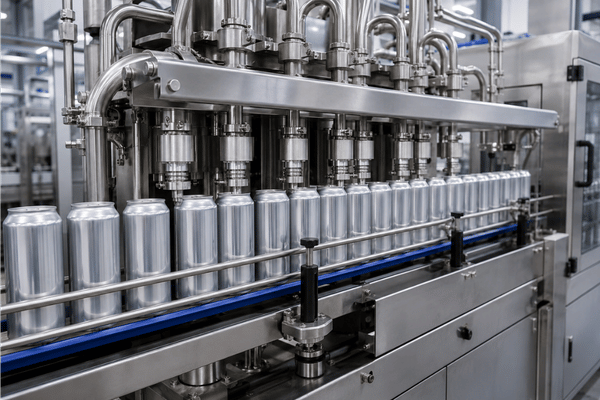
Las máquinas llenadoras de latas de aluminio determinan si sus refrescos carbonatados, cerveza, bebidas energéticas o jugo llegan a distribución con la carbonatación objetivo intacta y oxígeno disuelto por debajo del umbral de envejecimiento. La mayoría de los problemas de formación de espuma, pérdida de CO2 y corta vida útil se deben a un método de llenado inadecuado o a una cerradora de latas subdimensionada, no a la calidad de la marca. La serie CC GF de Masstech ofrece de 2,000 a 20,000 latas por hora mediante cuatro métodos de llenado en una sola plataforma de hardware totalmente automática.
- 2 años de garantía de repuestos
- 24 h / 5 d respuesta del ingeniero · SLA de repuestos

2,000–20,000
Rango de BPH
6 bebidas
CSD · cerveza · jugo · bebidas energéticas · té · funcionales
4 métodos
isobárico · contrapresión · caudalímetro · válvula mecánica
±5 ml
precisión de llenado
El costo real de la espuma, la pérdida de CO2 y la corta vida útil — cómo el llenado de latas de aluminio resuelve los tres problemas
Tres pérdidas de producción erosionan silenciosamente los márgenes del enlatado de bebidas más que el costo de capital. Cada una tiene una causa específica aguas arriba que el método de llenado incorrecto amplifica y el adecuado neutraliza.
/// 01
Pérdidas por formación de espuma del 8-15% del volumen de espacio de cabeza cuando el producto con alto CO2 entra en una lata no igualada: la presión diferencial libera el gas disuelto antes de que llegue la cerradora.
/// 02
Caída de carbonatación >0.3 vol dentro de la ventana de llenado cuando la lata no se presuriza previamente para igualar el tanque de producto, medible como una sensación plana en boca en la segunda repetición del lote.
/// 03
El oxígeno disuelto por encima de 0.1 ppm acelera las reacciones de envejecimiento en la cerveza y los sabores desagradables oxidativos en el jugo; investigaciones del sector relacionan 0.1 ppm con una reducción de la vida útil del 30-50%.
La solución de tres etapas
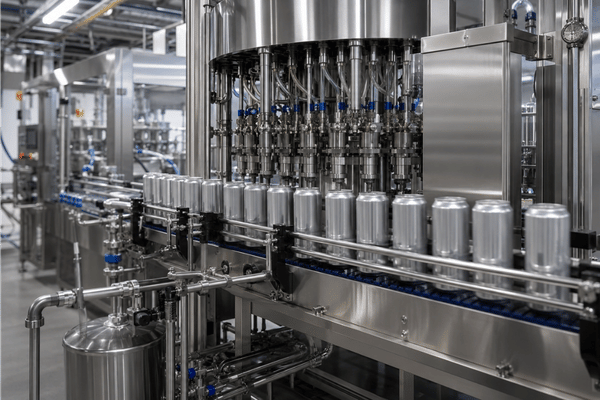
Una máquina llenadora de latas de aluminio que aborda las tres fallas comparte un patrón de diseño: purga de CO2 antes del llenado, presión de cámara igualada durante el llenado y sellado inmediato después del llenado. La serie CC GF de Masstech lo implementa como un monobloque unificado de enjuague, llenado y sellado, con transferencia mediante estrella que limita la permanencia de la lata abierta a menos de 4 segundos, el límite práctico antes de que el oxígeno atmosférico comience a ingresar de forma medible.
La integración en una sola máquina del enjuague, llenado y sellado es más importante para proteger la calidad del producto que la velocidad de llenado por sí sola. Las configuraciones de dos máquinas añaden un tiempo de transferencia que ningún proceso de elaboración o carbonatación aguas arriba puede recuperar. El diseño monobloque de la CC GF absorbe ese riesgo desde el diseño.
Desde el punto de vista económico, el caso es sencillo: cada segundo adicional entre el llenado y el sellado añade captación medible de oxígeno y escape de CO2. Un envasador a terceros típico que opera a 12,000 latas por hora durante un turno de 8 horas llena 96,000 unidades; una tasa de desperdicio del 1% por espuma o ingreso de oxígeno disuelto equivale aproximadamente a 960 latas de producto terminado descartadas por turno. Acumulado durante un trimestre, representa una pérdida de seis cifras antes de recuperar cualquier costo del equipo.
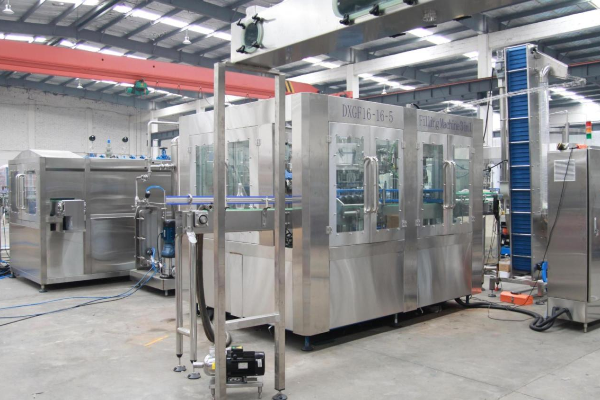
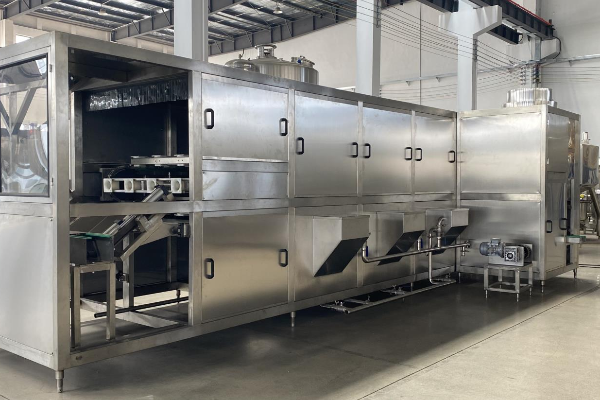
Especificaciones de la máquina llenadora de latas de aluminio serie CC GF de Masstech
La serie CC GF se ofrece en cinco niveles de capacidad de llenado, desde 2,000 BPH (escala piloto de un cabezal) hasta 20,000 BPH (línea industrial de CSD). Todos los modelos aceptan latas de aluminio, hojalata, pop y PET dentro del rango de 50-99 mm de diámetro y 70-133 mm de altura, cubriendo geometrías de latas de 12 oz / 250 ml / 330 ml / 355 ml / 473 ml / 500 ml / 1 L. Cada cabezal y válvula de llenado se calibra de forma independiente en fábrica durante la prueba de aceptación en fábrica con el producto real del cliente.
| Modelo | Capacidad (CPH) | Potencia total (kW) | Huella (m) | Peso (kg) | Aplicación ideal |
|---|---|---|---|---|---|
| CC GF 12-1 | 2,000 | 4.6 | 2.5 × 1.9 | 3,200 | Lanzamiento piloto / artesanal |
| CC GF 18-4 | 8,000 | 4.6 | 2.8 × 2.15 | 4,000 | CSD y bebidas energéticas de volumen medio |
| CC GF 24-4 | 10,000 | 5.4 | 3.1 × 2.5 | 4,500 | Envasadores regionales de bebidas |
| CC GF 32-6 | 15,000 | 6.4 | 3.8 × 2.8 | 6,500 | SKU de marcas nacionales |
| CC GF 40 | 20,000 | 9.6 | 4.5 × 3.3 | 8,000 | Líneas de exportación de alta capacidad de producción |
Nota de ingeniería — selección de materiales
Las piezas de contacto estándar se fabrican en acero inoxidable SUS304, que cumple las normativas de contacto alimentario para agua, CSD, cerveza, jugo y la mayoría de las bebidas energéticas. Opte por SUS316 cuando su producto contenga cloruros por encima de 200 ppm —por ejemplo, bebidas deportivas con mezclas de electrolitos y bebidas funcionales ricas en sodio—, porque el contenido de molibdeno (2-3% en 316) evita la corrosión por picaduras que el 304 no puede resistir a largo plazo en esas composiciones químicas.
Guía rápida de códigos de modelo entre proveedores
Los códigos de modelo de las llenadoras de latas de aluminio difieren entre los principales fabricantes: lo que King Machine denomina GDF, Zonesun lo ofrece como ZS-CFS, XpressFill lo etiqueta XF y Masstech lo codifica como CC GF. Los compradores que comparan cotizaciones suelen tener dificultades para identificar los niveles de capacidad equivalentes. A continuación se muestran cinco líneas de proveedores por banda realista de CPH.
| Capacidad (BPH) | Masstech | King Machine | Zonesun | XpressFill | Comac / Otros |
|---|---|---|---|---|---|
| ~300 | — | — | — | XF4500C | Tapcooler Nanocanner |
| 2,000–3,000 | CC GF 12-1 | GDF 12-1 | — | — | Pegasus 8-1 V2 |
| 4,500–8,000 | CC GF 18-4 | GDF 18-4 | ZS-CFS 18-4 (4,500) | — | — |
| 10,000–15,000 | CC GF 24-4 / 32-6 | GDF 32-6 | — | — | Twin Monkeys Mancos CP |
| 20,000+ | CC GF 40 | GDF 40-6 / 54-6 | — | — | — |
Las convenciones de nombres y las líneas de modelos cambian año tras año. Verifique los códigos de modelo vigentes con cada proveedor antes de emitir una RFQ. Esta tabla se publica como ayuda comparativa para compradores y no constituye una recomendación de ningún proveedor.
Matriz de decisión del método de llenado — isobárico frente a contrapresión, válvula mecánica y caudalímetro
Los cuatro métodos de llenado de grado productivo de la plataforma CC GF resuelven distintas combinaciones de carbonatación, precisión y restricciones de capital. Elegir el método equivocado cuesta más que el propio equipo, porque el reproceso correctivo de un lote mal llenado puede eliminar una cuarta parte del margen en un solo turno.
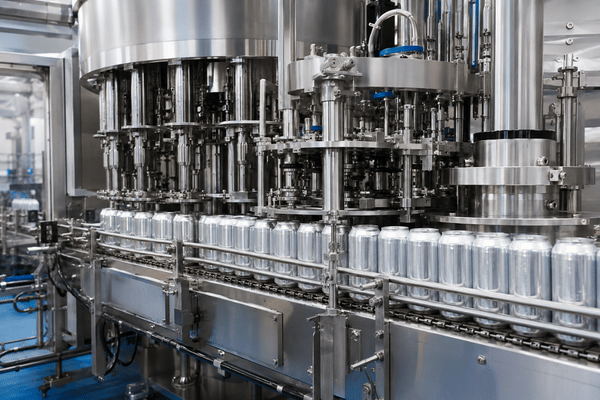
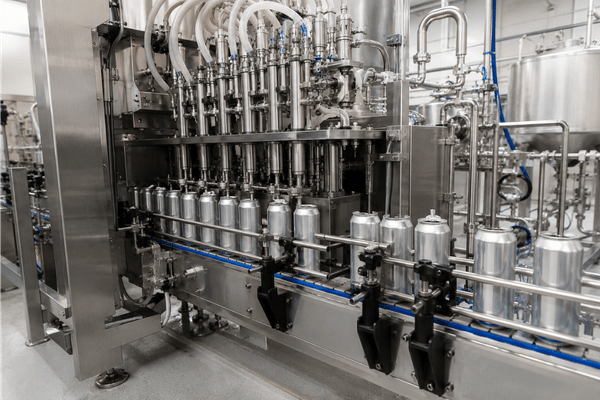
El llenado isobárico —a veces denominado llenado a presión igual— es el caballo de batalla del enlatado de bebidas. Presuriza previamente la lata vacía con CO2 para igualar el tanque de producto y luego abre la válvula de llenado para que el líquido fluya sin diferencial de presión. Esto elimina la liberación de gas que provoca espuma en las máquinas atmosféricas estándar.
Isobárico
- Bebida ideal CSD, cerveza, energética
- Tolerancia al CO2 Hasta 4.5 vol
- Precisión de llenado ±5 ml
- Velocidad/cabezal de llenado Alta
- Nivel de CAPEX $$$
- Mantenimiento Medio

Contrapresión
- Bebida ideal Cerveza premium, kombucha
- Tolerancia al CO2 Hasta 5.0 vol
- Precisión de llenado ±3 ml
- Velocidad/cabezal de llenado Medio
- Nivel de CAPEX $$
- Mantenimiento Medio
Válvula mecánica
- Bebida ideal Jugo sin gas, té, agua
- Tolerancia al CO2 Ninguna
- Precisión de llenado ±10 ml
- Velocidad/cabezal de llenado Alta
- Nivel de CAPEX $
- Mantenimiento Bajo
Caudalímetro
- Bebida ideal Energética premium, funcional
- Tolerancia al CO2 Baja
- Precisión de llenado ±2 ml
- Velocidad/cabezal de llenado Alta
- Nivel de CAPEX $$$
- Mantenimiento Alto
“Las máquinas de contrapresión normalmente consumen más CO2 y aire comprimido que las líneas atmosféricas.”
El mito del oxígeno disuelto que la mayoría de los proveedores de llenadoras no aborda
Una afirmación se repite en los folletos de los proveedores: “el llenado por contrapresión produce menos oxígeno disuelto”. Las investigaciones del sector realizadas por Twin Monkeys, Wild Goose Filling y Craft Brewing Business contradicen directamente esta idea: el oxígeno disuelto depende principalmente del proceso de elaboración o desaireación aguas arriba, no del tipo de llenadora.
La contrapresión ayuda cuando la retención de CO2 es prioritaria y su producto puede absorber un presupuesto de consumo de gas y aire 15-25% mayor. Para la mayoría de los envasadores a terceros de bebidas carbonatadas que operan con CSD y bebidas energéticas, el llenado isobárico en la CC GF 18-4 logra el mismo resultado con una carga de servicios más ligera y mayor velocidad de llenado por cabezal.
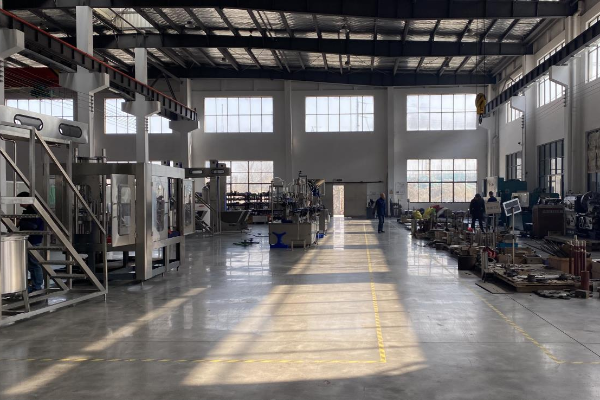
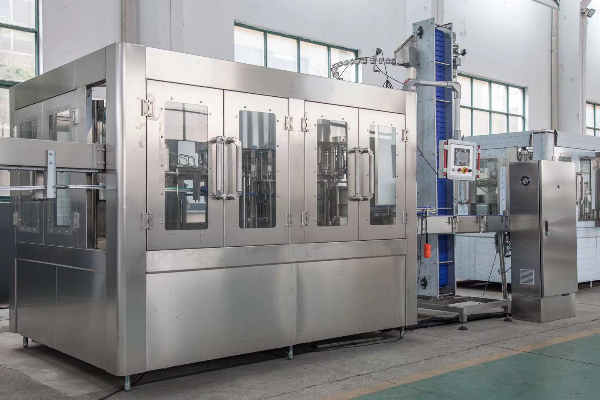
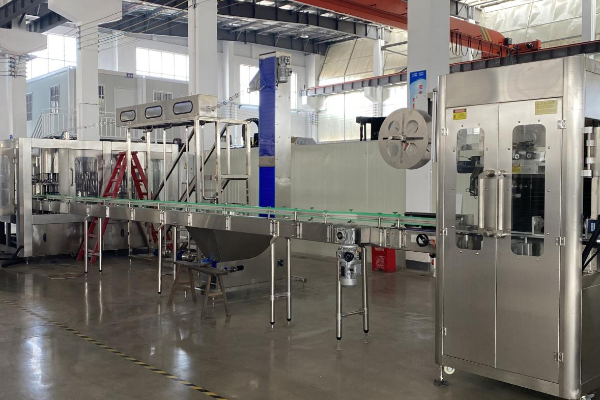
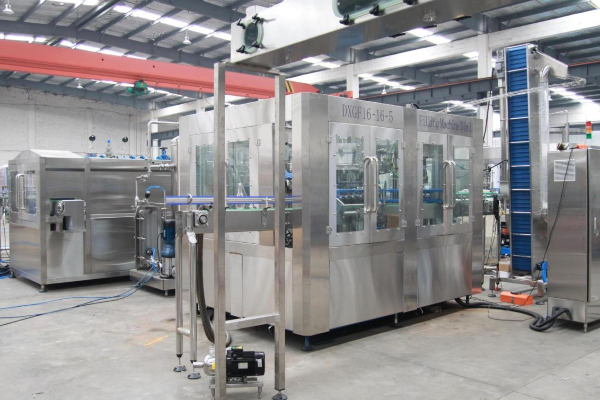
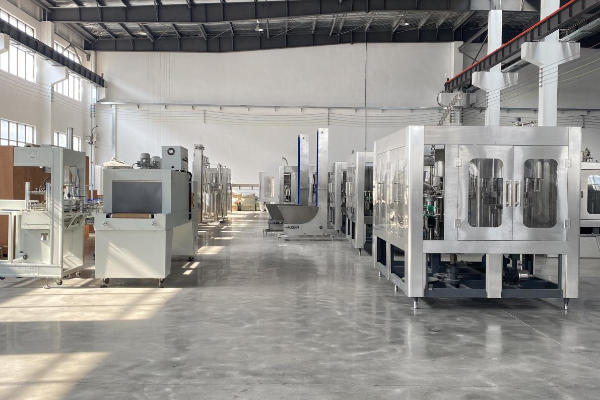
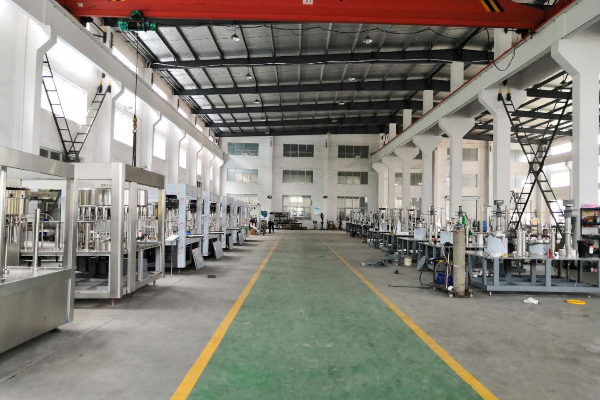
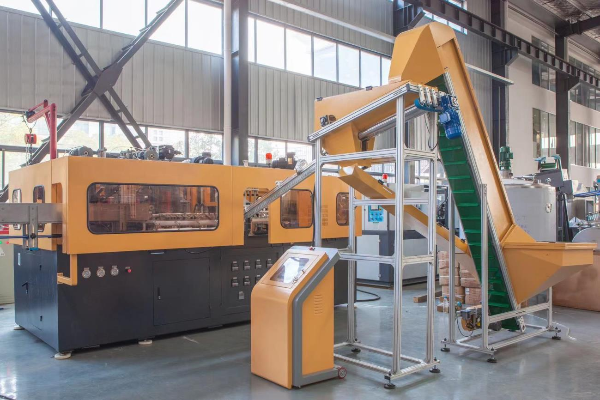
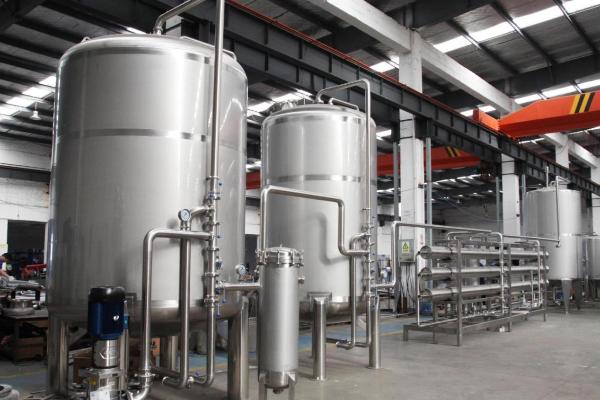
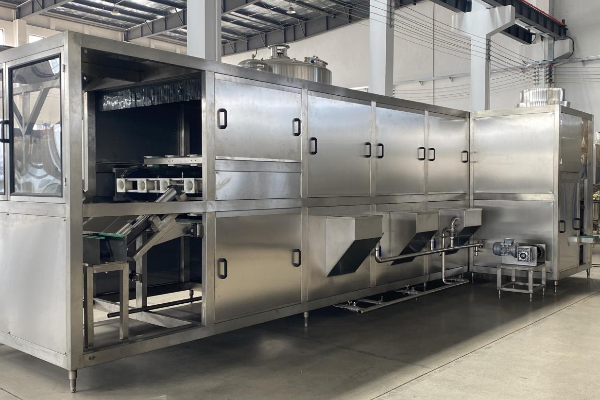
Planta de fabricación de llenadoras de latas de aluminio
Llenado de latas de aluminio frente a llenado de botellas PET — comparación de rendimiento
La elección del envase cambia la economía de la línea de llenado más de lo que reflejan la mayoría de las previsiones operativas. El aluminio tiene un costo unitario de material más alto que el PET en la mayoría de las regiones, pero prolonga la vida útil entre 3-6 meses en bebidas sensibles a la luz y se recicla aproximadamente al doble de tasa. Las decisiones rara vez dependen de la llenadora; dependen de la distribución y el posicionamiento de la marca.
Lata de aluminio (CC GF)
Costo unitario del material
USD 0.06–0.12 por lata de 12 oz
Protección contra la luz
100% opaca (beneficio completo de vida útil)
Peso de transporte por 1,000 unidades
~14 kg (12 oz)
Tasa de reciclabilidad (EE. UU. 2024)
~45% (Aluminum Association)
Retención de CO2 hasta el estante minorista
3-9 meses típicos
Paridad de CAPEX (llenadora equivalente)
Serie CC GF
Aplicación ideal
CSD premium, cerveza, bebidas energéticas
Botella PET (Masstech DC GF)
Costo unitario del material
USD 0.03–0.07 por botella de 500 ml
Protección contra la luz
Requiere aditivo o funda con bloqueo UV
Peso de transporte por 1,000 unidades
~22 kg (500 ml vacía + tapa)
Tasa de reciclabilidad (EE. UU. 2024)
~29% (NAPCOR PET)
Retención de CO2 hasta el estante minorista
2-4 meses típicos (permeabilidad del PET)
Paridad de CAPEX (llenadora equivalente)
Serie DC GF del mismo nivel
Aplicación ideal
Agua, jugo, CSD de mercado masivo

Para una bebida que se lanza con posicionamiento premium o una expectativa de vida útil de 6+ meses, el aluminio suele ser el envase más económico después de considerar los costos de desperdicio y recomercialización. El PET gana por precio unitario de materia prima y por las formas de botella que refuerzan la silueta de la marca en líneas de llenado PET compatibles.
Resultados de clientes — líneas integrales de CSD, cerveza, bebidas energéticas y jugo
Los envasadores a terceros y fabricantes de bebidas que despachan con líneas de producción Masstech se dividen en tres perfiles operativos: propietarios de marcas que pasan del enlatado por contrato a la producción interna, productores regionales de CSD que se expanden del PET al aluminio y cerveceros artesanales que avanzan de una máquina inicial de 300 CPH a una llenadora industrial de 4,500-8,000 BPH.
$0.10–$0.18 / lata
Costo del llenado de latas de aluminio en planta (después de CAPEX) para bebidas de 12-16 oz — frente a los $0.35-$0.50 / lata citados por la industria para el enlatado itinerante o por contrato. El punto de equilibrio entre el enlatado itinerante y el interno suele alcanzarse en un rango de producción de 3,000-6,000 latas/semana, según el costo de mano de obra y las tarifas negociadas de envasado.
Obtener cotización instantáneaReferencia promedio del sector basada en el análisis del ROI de líneas de enlatado de Brewery CPA. Verifique con sus propios datos de costos laborales y de servicios antes de dimensionar.
Aplicaciones de bebidas
- Refrescos carbonatados
- Cerveza y ale
- Bebidas energéticas
- Jugo de fruta y té
- Bebidas funcionales y deportivas
- Agua gasificada y kombucha
Decisiones operativas de la plataforma
Dos decisiones operativas impulsan repetidamente un ROI real más alto en la plataforma CC GF: combinar la llenadora con el despaletizador adecuado para mantener la línea alimentada a velocidad plena y validar la selección del grado SUS con la química real del producto en lugar de una especificación genérica de “grado alimentario”. Ambas decisiones están cubiertas en el alcance integral de Masstech.
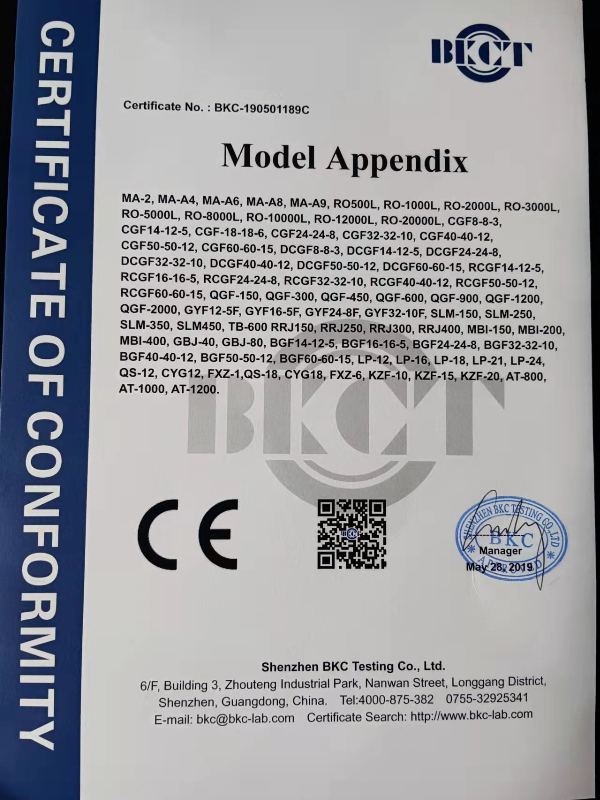
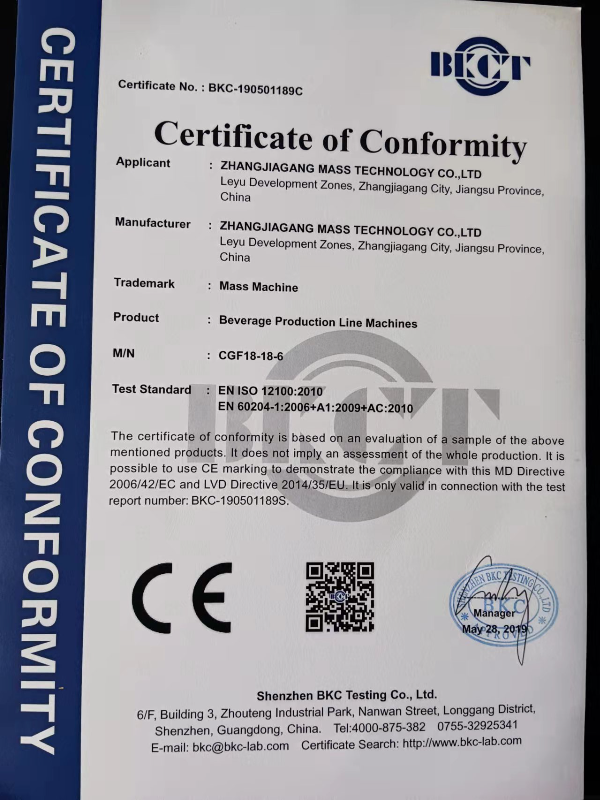
Certificaciones, materiales y cumplimiento normativo
Los equipos de llenado de bebidas deben cumplir las normas de materiales de contacto, eléctricas y de recipientes a presión del mercado de destino; los compradores que omiten la verificación suelen repetir su diligencia debida bajo presión de una auditoría. Masstech entrega cada unidad CC GF con un expediente documental completo vinculado al número de serie específico de la máquina.
Marcado CE
Directiva de Máquinas 2006/42/CE
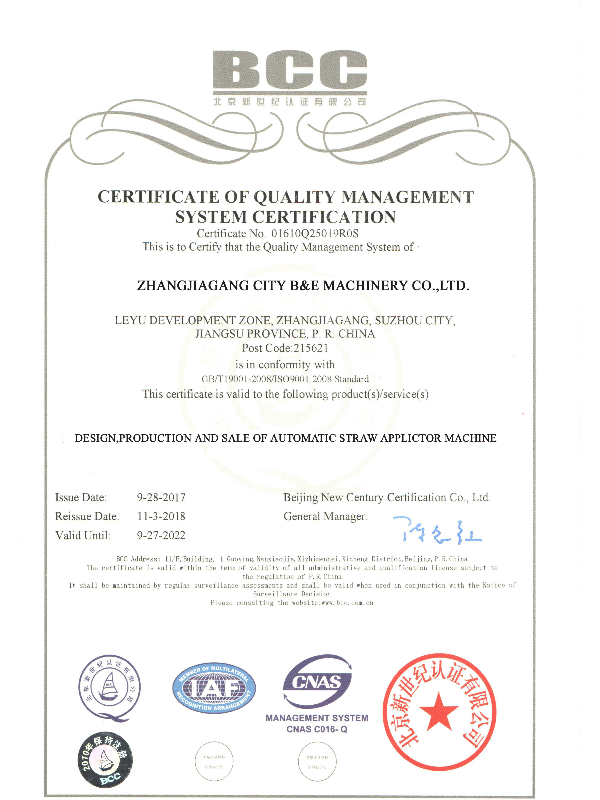
ISO 9001
Sistema de gestión de la calidad
SUS304 / 316
Acero inoxidable para contacto alimentario
CMI 202 / 211
Especificación del Can Manufacturers Institute
FDA 21 CFR 175
Cumplimiento para aditivos alimentarios indirectos
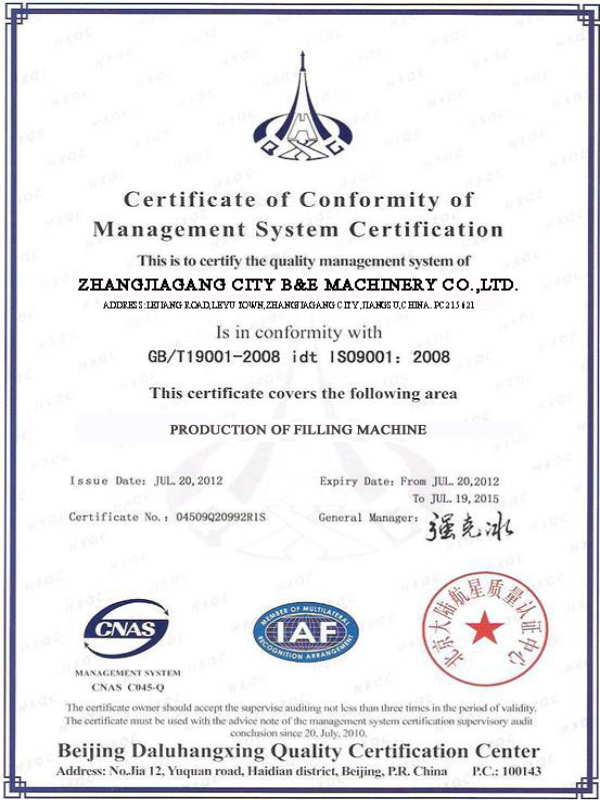
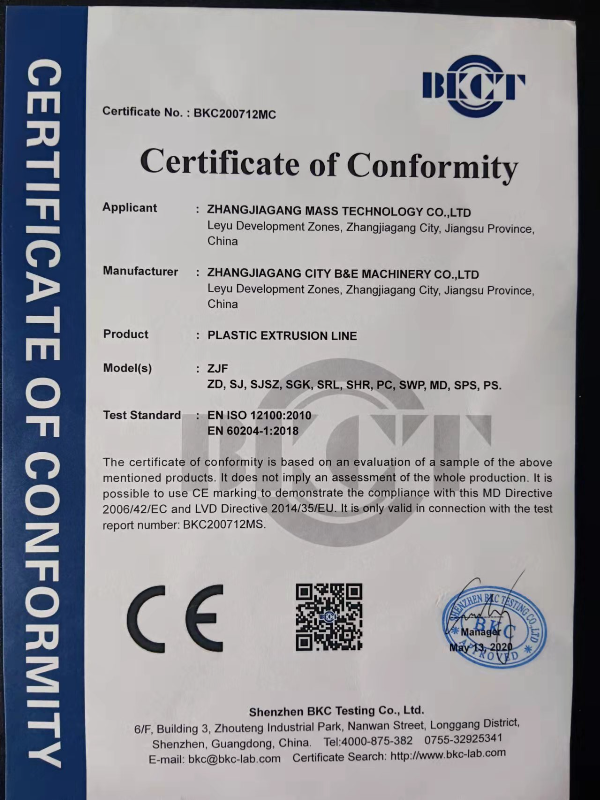
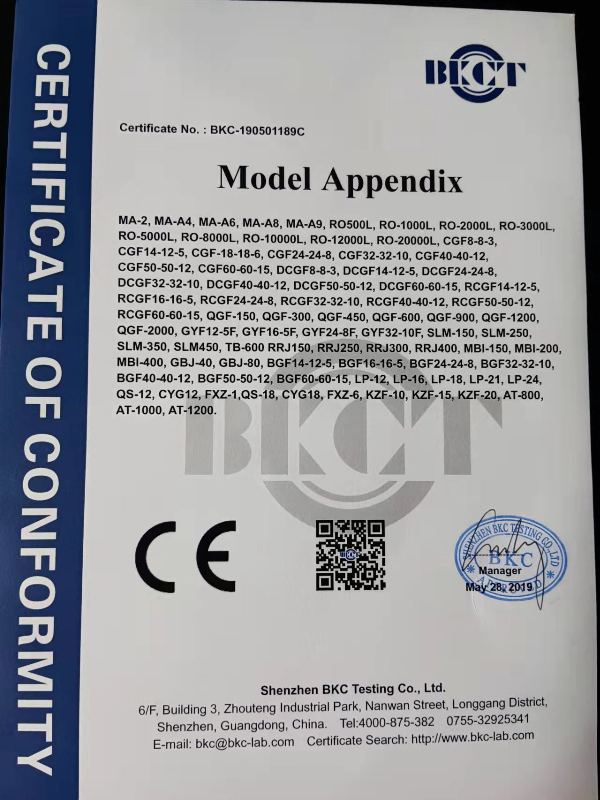
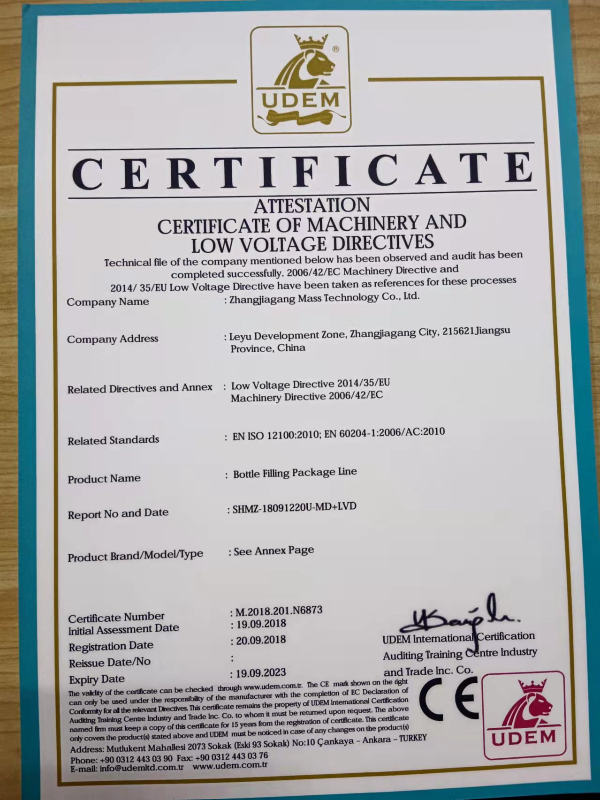
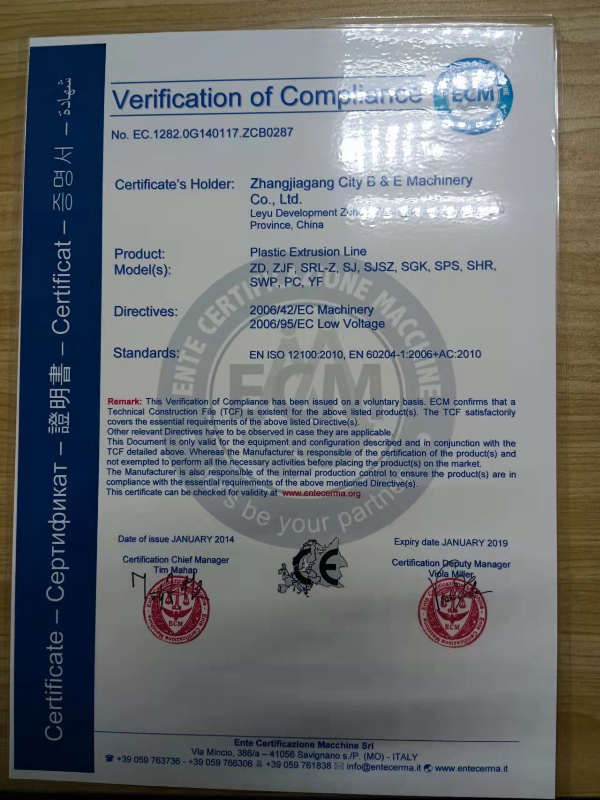
“Probamos cada llenadora CC GF durante una operación de 24 horas con el producto real del cliente antes del envío final. La prueba de aceptación en fábrica detecta los problemas de 1 de cada 15 que las pruebas de banco por sí solas no encuentran: un par de apriete insuficiente de la cerradora con proveedores de tapas que no habíamos probado antes o un ciclo CIP que necesita 20 minutos adicionales para un jugo con mucha pulpa.”— Masstech Engineering Team, planta de Zhangjiagang
Guía de adquisiciones — precios, plazo de entrega y posventa
Tres preguntas del comprador determinan si una máquina llenadora de bebidas se convierte en una línea cotizada o en un activo pagado e instalado: cuál es el rango de precio realista, cuándo se envía la línea y qué ocurre cuando algo falla a las 2 AM. Masstech publica un rango de precios por nivel para que los compradores puedan presupuestar antes de solicitar una cotización personalizada.
| Nivel | Rango de capacidad | Precio indicativo instalado (USD) | Perfil típico del comprador |
|---|---|---|---|
| Básico | 2,000-3,000 BPH (CC GF 12-1) | $25,000-$60,000 | Lanzamiento piloto, cervecero artesanal en expansión |
| Medio | 8,000-15,000 BPH (CC GF 18-4 a 32-6) | $80,000-$180,000 | Marca regional y envasador a terceros |
| Gama alta | 20,000+ BPH (CC GF 40) | $200,000-$320,000 | SKU nacionales y volumen de exportación |
Los rangos indicativos incluyen el monobloque llenadora-cerradora, el enjuagador integrado y el transporte básico. El precio final varía según el alcance del despaletizador, el nivel de automatización, los aranceles regionales y las condiciones FOB frente a CIF. Las referencias del sector para los totales de líneas de enlatado citan ampliamente $100-300K para sistemas totalmente instalados e integrados.
| Etapa | Días hábiles | Notas |
|---|---|---|
| Confirmación del pedido y anticipo | 1-3 | Anticipo estándar del 30% |
| Producción y ensamblaje | 45-75 | CC GF 12-1 a 32-6, habitual |
| Prueba de aceptación en fábrica | 3-5 | Operación en vivo con producto suministrado por el cliente |
| Transporte marítimo (origen a puerto) | 15-45 | Asia-UE 30-40 días; Asia-Norteamérica 18-25 días |
| Instalación y capacitación en sitio | 5-10 | Ingeniero de Masstech enviado |
Qué diferencia la línea de llenado de latas de aluminio de Masstech de las alternativas basadas en la misma plataforma
Masstech entrega SLA de servicio cuantificados que los compradores pueden exigir por escrito al proveedor:
Ventana de respuesta del ingeniero de 24 horas
Repuestos enviados por mensajería internacional en un plazo de 5 días hábiles
Y una garantía de piezas de 2 años para toda la máquina.
Herramientas de ingeniería interactivas para el llenado de latas de aluminio
Calculadora de capacidad
Estime con precisión su capacidad de producción según el tamaño de la lata y las especificaciones de la máquina. Optimice al instante la eficiencia de su línea de envasado.
Calculadora de ROI
Evalúe la viabilidad financiera de su inversión en equipos. Calcule fácilmente los periodos de recuperación y proyecte la rentabilidad a largo plazo.
Selector del método de llenado
Encuentre la tecnología de llenado óptima adaptada a sus tipos específicos de bebidas, niveles de carbonatación y requisitos de higiene.
Preguntas frecuentes — máquina llenadora de latas de aluminio
¿Cuánto cuesta una máquina llenadora de latas de aluminio?
El precio indicativo instalado oscila entre $25,000-$60,000 para líneas piloto de 2,000-3,000 BPH, $80,000-$180,000 para producción de nivel intermedio de 8,000-15,000 BPH y $200,000-$320,000 para configuraciones de alta capacidad de producción de 20,000+ BPH. Los foros del sector citan regularmente $100,000-$300,000 como total realista de instalación completa para líneas de producción artesanales y regionales.
¿Puede la máquina llenar latas de aluminio y de PET?
Sí: la serie CC GF acepta latas de aluminio, hojalata, pop y PET dentro del rango de 50-99 mm de diámetro y 70-133 mm de altura. Cambiar entre materiales de lata requiere cambiar la receta en la HMI y realizar un cambio de formato mecánico de 15-30 minutos para ajustar la altura.
¿Cuál es la diferencia entre el llenado isobárico y el de contrapresión?
Tanto el llenado isobárico como el de contrapresión mantienen igualada la presión del gas entre el tanque de producto y la lata durante el llenado, evitando la liberación de carbonatación. La contrapresión normalmente ofrece una precisión ligeramente mayor de ±3 ml y admite hasta 5.0 vol de CO2, a cambio de un mayor consumo de gas y aire comprimido. El llenado isobárico es la opción estándar para CSD y la mayoría de las aplicaciones de cerveza que operan a ≤4.5 vol de CO2.
¿Cómo maneja la línea las bebidas con alto CO2 sin formar espuma?
Tres ajustes permiten llenar sin espuma productos con alta carbonatación: purga de CO2 antes del llenado para desplazar el aire de la lata, presión de cámara igualada durante el llenado dentro de ±0.05 MPa y una tasa de venteado controlada al final del llenado. Los tres ajustes se envían calibrados al volumen de CO2 declarado en la FAT (prueba de aceptación en fábrica) antes de despachar la serie CC GF. Después, la cerradora de latas está temporizada para recibir la lata llena en un plazo de 4 segundos y sellar la tapa antes de que se produzca un ingreso de oxígeno medible.
¿Puede la línea ampliarse de un lote piloto a un volumen de distribución nacional más adelante?
Sí: la plataforma CC GF está diseñada para una ampliación de capacidad por etapas. Un comprador que comienza con CC GF 12-1 (2,000 BPH) puede actualizar después a CC GF 18-4 o CC GF 24-4 añadiendo cabezales de llenado, sustituyendo la torreta de la cerradora y ampliando el transporte. Muchos envasadores a terceros y marcas regionales eligen este camino en lugar de comprar capacidad excesiva desde el primer día. El mismo despaletizador, enjuagador y envasado aguas abajo se integran con los cinco niveles de capacidad CC GF.
¿Cuál es el objetivo de oxígeno disuelto después del sellado?
Las investigaciones del sector relacionan 0.1 ppm de oxígeno disuelto con una reducción de la vida útil del 30-50% en la cerveza y con sabores desagradables oxidativos en el jugo. La mayoría de las líneas de llenado de latas de aluminio de grado productivo apunta a ≤0.1 ppm después del sellado; las cervecerías artesanales avanzadas llegan a partes por mil millones mediante desaireación aguas arriba. La elección de la llenadora es uno de varios factores; el proceso de elaboración o carbonatación determina la mayor parte del resultado final de oxígeno disuelto.
¿Cómo se limpia la máquina (CIP)?
Las unidades CC GF admiten ciclos CIP (limpieza en sitio) automatizados ejecutados desde la HMI, normalmente una secuencia de 45-90 minutos de sosa cáustica, enjuague intermedio, ácido y enjuague final. La frecuencia del CIP depende del programa de cambios de producto: diariamente para jugos con mucha pulpa y cada 2-3 días para CSD y cerveza filtradas.
¿Cuál es la garantía y el plazo de entrega de los repuestos?
Cada unidad CC GF se entrega con una garantía de piezas de 2 años y una ventana de respuesta de ingeniero de 24 horas. Los repuestos se envían por mensajería internacional en un plazo de 5 días hábiles desde la confirmación de la necesidad. Ambos términos se incorporan al contrato de suministro, no se expresan como mejor esfuerzo.
¿Cómo se compara la Masstech CC GF con King Machine GDF o Zonesun ZS-CFS?
Las líneas CC GF, GDF y ZS-CFS comparten la plataforma OEM de Zhangjiagang y ofrecen especificaciones de hardware comparables en niveles de capacidad equivalentes. La diferenciación se basa en el compromiso de nivel de servicio, las pruebas de aceptación en fábrica con el producto del cliente y la transparencia de precios por nivel publicada arriba. Los compradores deben solicitar el mismo alcance de FAT a cualquier proveedor de plataforma OEM antes de comparar cotizaciones.