Entre em Contato com a Masstech

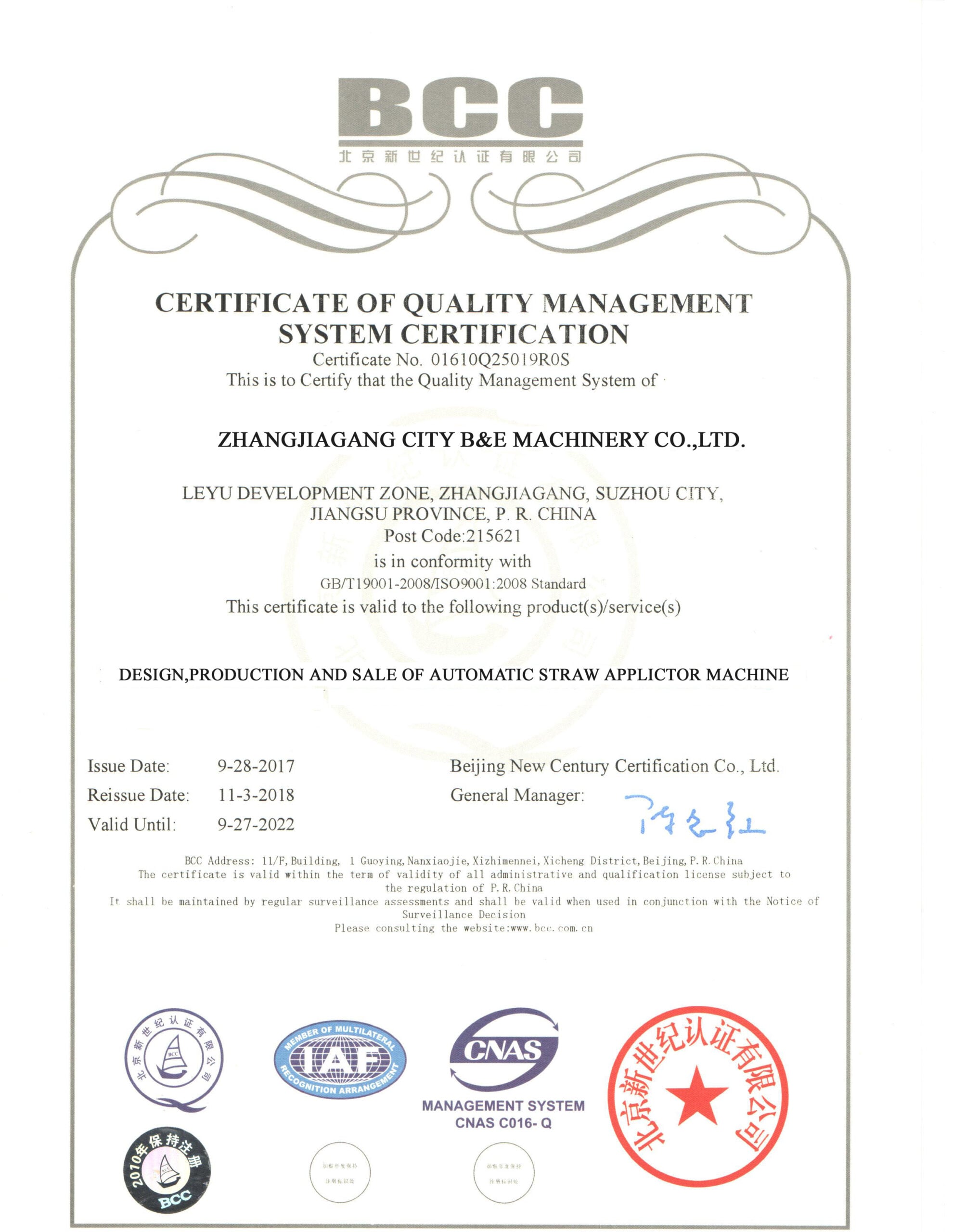
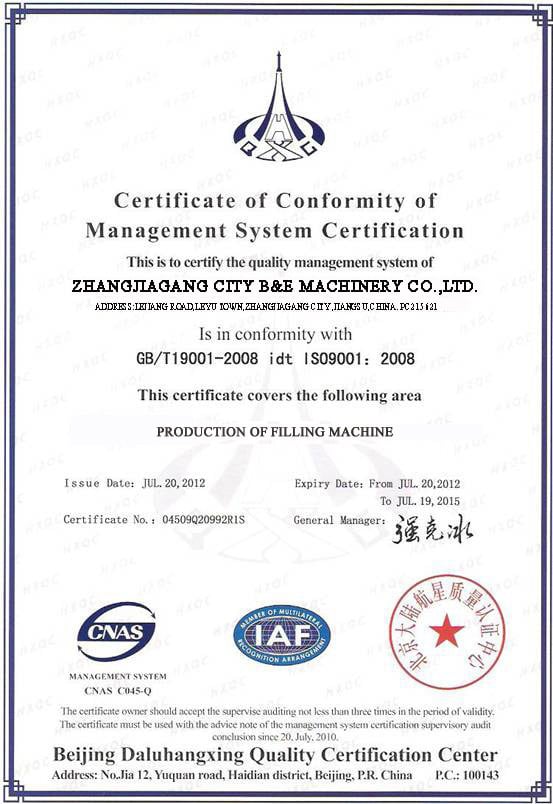
Certificado CE + ISO 9001
Moldagem por injeção de caneta
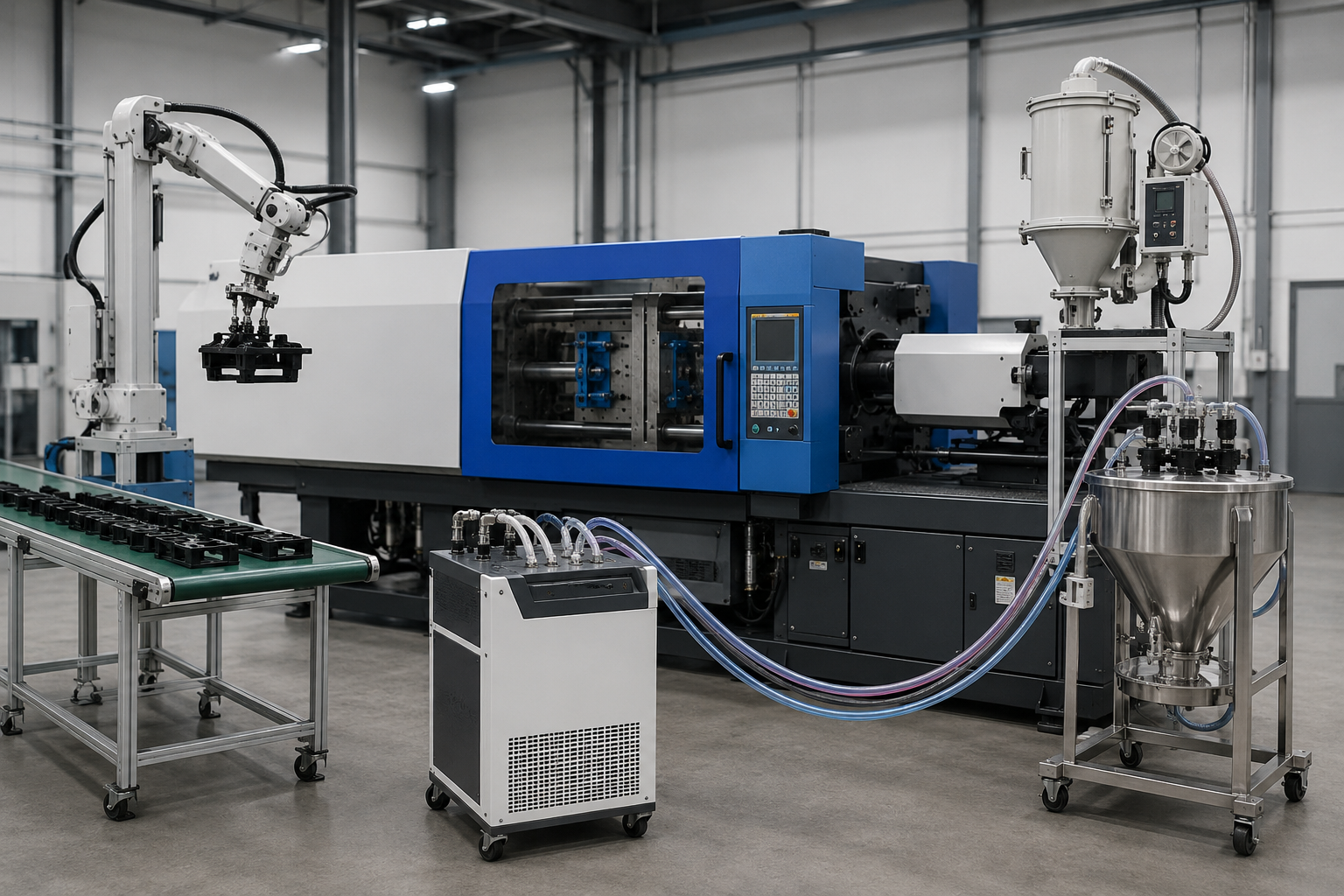
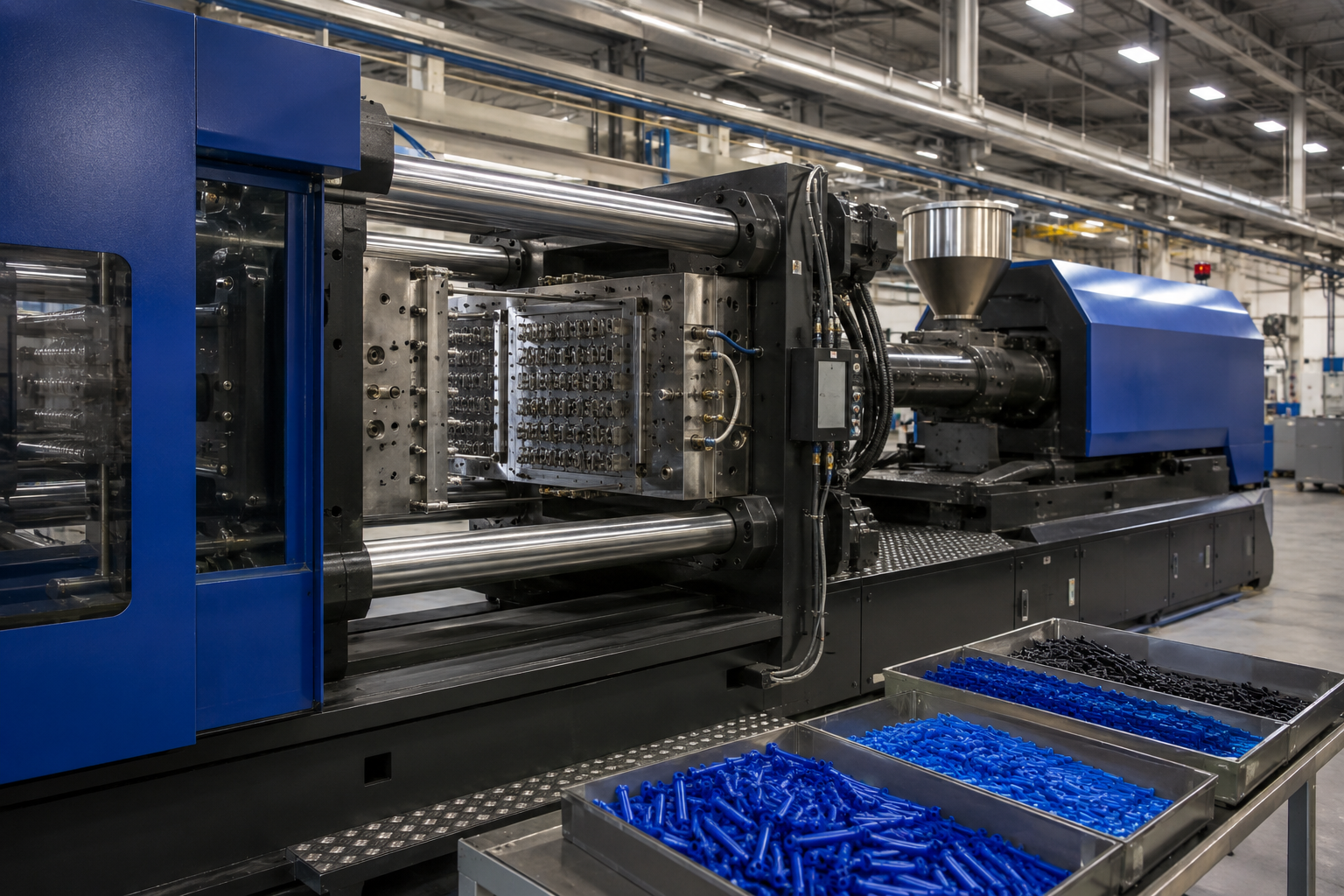
Máquina de moldagem por injeção de caneta Servo Precision para produção de barril de caneta
Máquinas de moldagem por injeção de 140 T a 800 T acionadas por servo projetadas para barris de caneta de parede fina, corpos de caneta esferográfica, tampa para canetas marcadoras e tubos de caneta de gel Economia de energia demonstrada de 30-501TP3 T sobre IMM hidráulico Suporte com garantia de 2 anos e resposta do engenheiro de 24 horas pela Masstech.
Reserve consulta gratuita na fábrica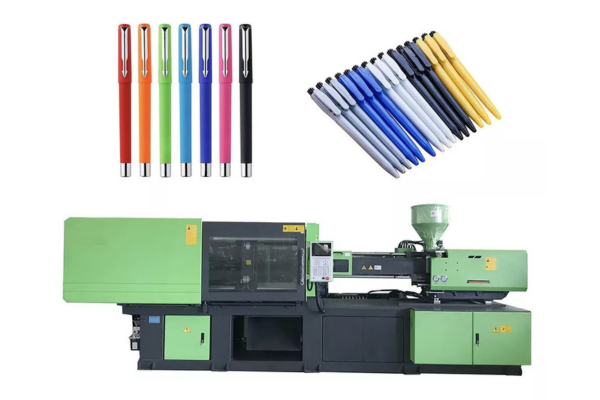
Resumo da solução Masstech Pen IMM at Glance
14000T
Faixa de força de fixação
30–50%
Economia de energia servo vs hidráulica
8–48
Opções de cavidade por peça de caneta
2 anos
Garantia + engenheiro 24h SLA
CE + ISO
Certificações verificáveis
PP /PS / ABS /PC
Materiais da pena apoiados
Pontos de dor na produção de barris de caneta e como um IMM especializado os resolve
A seleção da máquina de moldagem por injeção de caneta é enganosamente simples no papel - escolha uma tonelagem, adicione um parafuso, execute a linha As condições são mais brutais na prática: barris de caneta de parede fina sugam cada IMM competitivo projetado para trabalho de uso geral em perdas irrecuperáveis Três características distinguem um negócio lucrativo de peças de caneta de um em declínio.
Dor 1 Deriva de Espessura da Parede
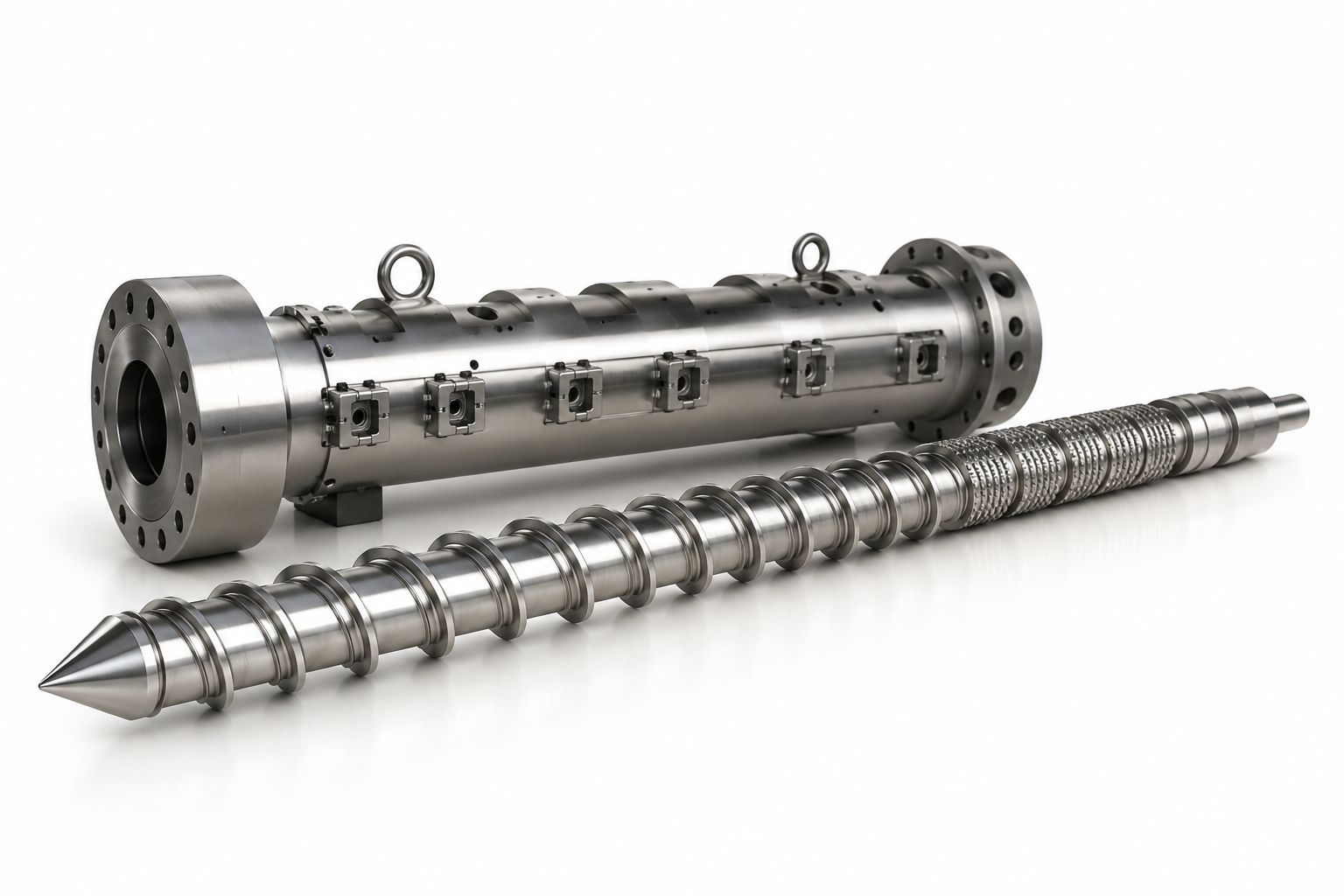
Sintoma
os parafusos de uso geral produzem plastificação desigual em MFR baixo, levando a uma variação de parede de 0,05-0,15 mm entre as cavidades.
Solução
22: Parafuso de 1/D com zona de mistura ajustada à variação da parede da pena de PS/ABS da pena 8. menos de 05 mm através de um molde do tambor da -cavidade.
Dor 2 Ciclo Paradas
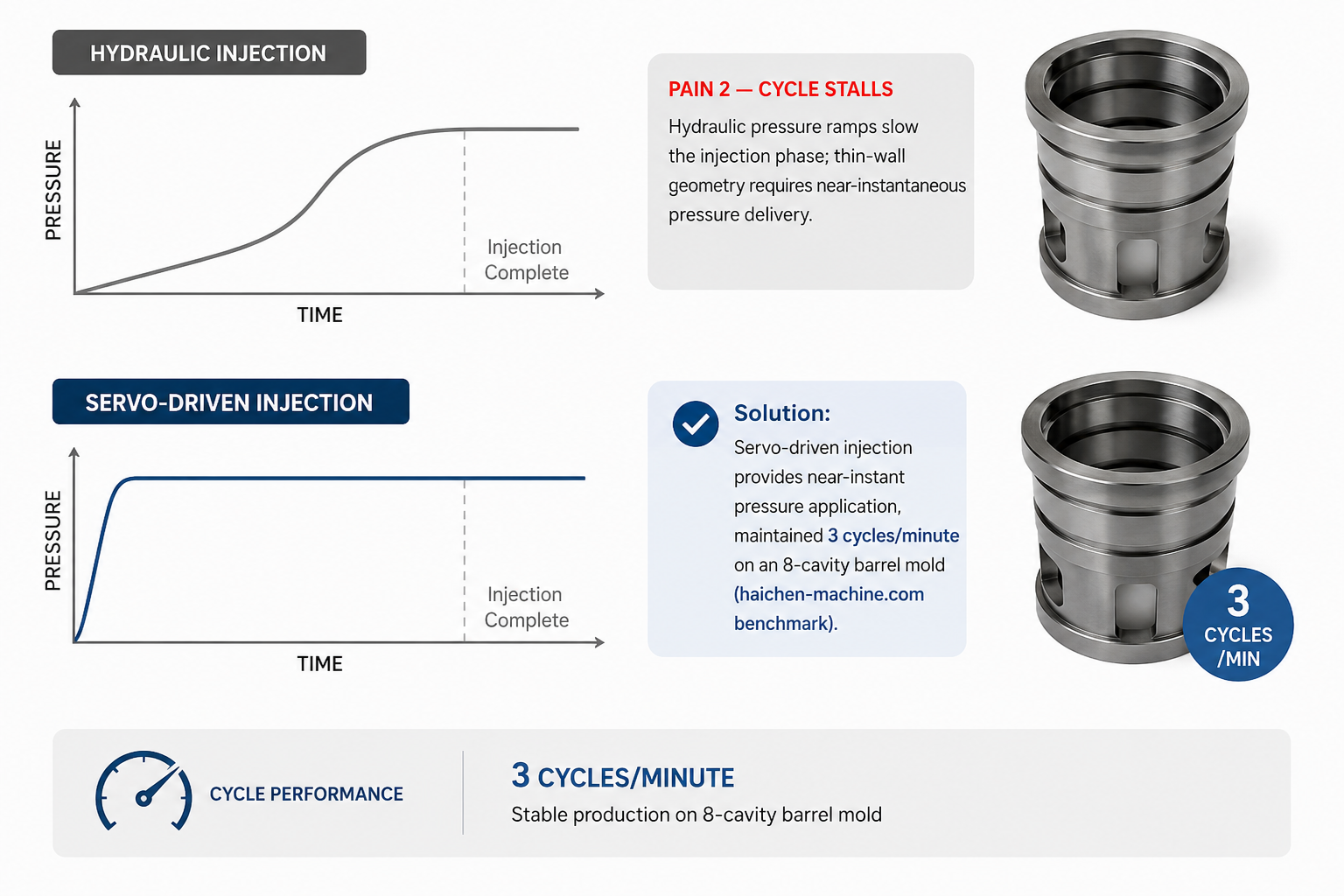
Sintoma
rampas de pressão hidráulica retardam a fase de injeção; a geometria da parede fina requer fornecimento de pressão quase instantâneo.
Solução
a injeção servo-driven fornece a aplicação quase instantânea da pressão, mantida 3 ciclos/minuto em um molde do tambor da 8-cavidade (a referência de Haichen-machine.com).
Dor 3 (material switch) Tempo de inatividade
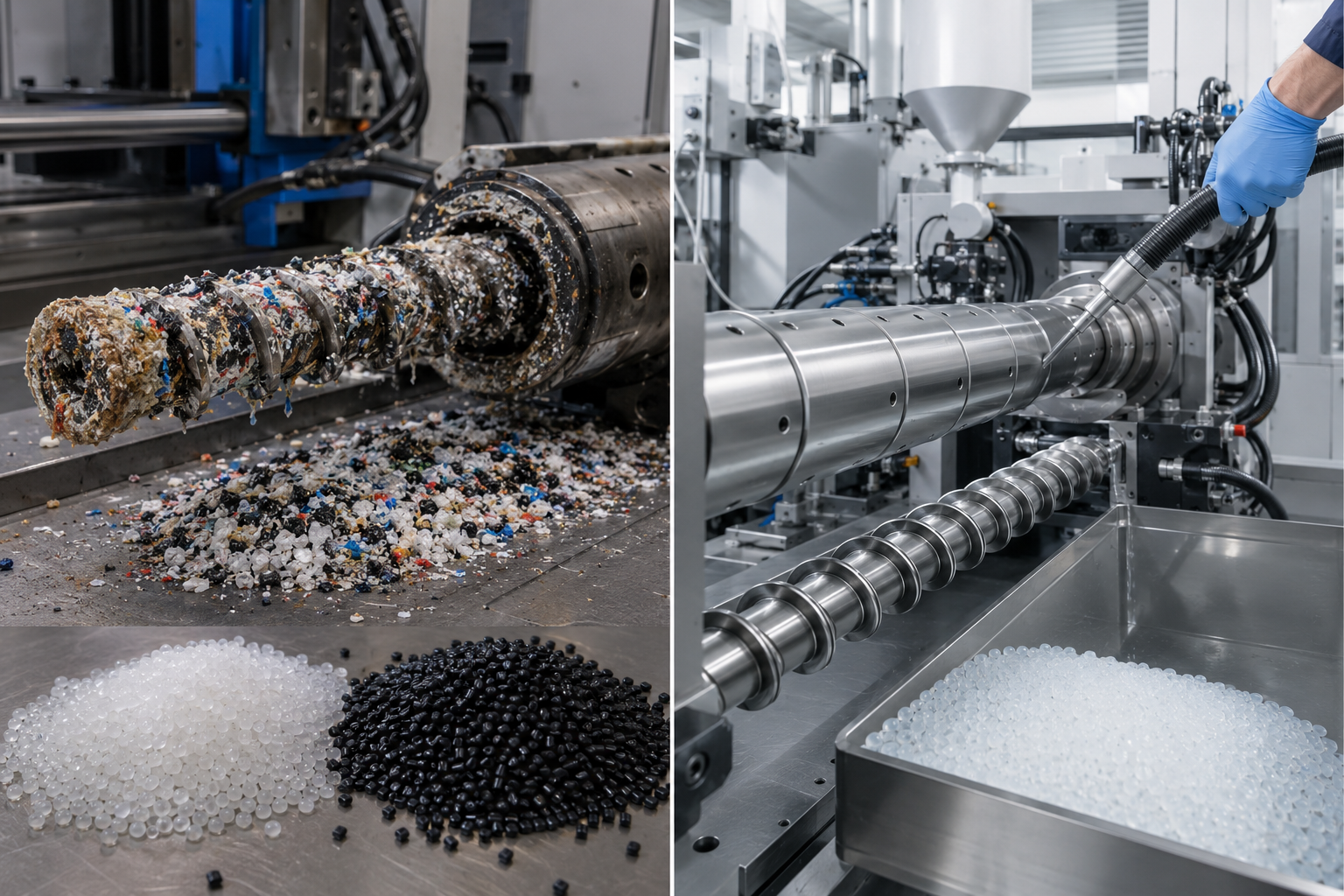
Sintoma
parafusos de mistura otimizados para uma família de resinas contaminam durante a transição de PS para ABS ou PP.
Solução
barril nitretado + rotina de limpeza reduziu o tempo de purga de 90 minutos para menos de 25 minutos entre os graus da caneta.
Fabricação de canetas em escala global agora cerca de 26 bilhões de unidades anualmente, com 14 bilhões das feitas na China (471TP3 T de produção global).Gerenciar cada segundo ciclo e cada miligrama de espessura de parede faz a diferença entre o lucro e a perda Reduzir o tempo de ciclo em apenas 1 segundo em uma ferramenta de 8 cavidades rende 480 canetas adicionais por turno o suficiente para amortizar a atualização do servo dentro de meses.
Calcule seu ROI de produção“Testamos sete geometrias de parafuso antes de padronizar em um parafuso de mistura 22:1 L/D para PS e ABS de grau de caneta Os barris de caneta não enchem no portão quando a temperatura de fusão flutua em apenas 8 C através do banco de cavidades - essa flutuação é responsável pela primeira perda de rendimento no primeiro turno.”
Masstech Pen IMM Lineup 140 T a 800 T Tonelagem Mapa
A tonelagem ideal para a fabricação de canetas depende de três entradas: contagem de cavidades, forma de parte de caneta e peso de tiro A faixa da Masstech cobre 140 T a 800 T porque nenhuma tonelagem única pode servir cada planta de caneta de forma eficiente Barris menores e tampas de caneta funcionam suavemente em 140-180 T; canetas de novidade de parede espessa ou moldes de tampa de caneta de 32 cavidades exigem 240-400 T; a fabricação de corpo de caneta de linha completa executando barris de várias cavidades com moldes de tampa integrados atingiu a banda de 400-800 T.
Camada
Tonelagem
Parte típica da caneta
Peso do tiro (PS)
Faixa de cavidade
Resultado anual mais adequado
Entrada
1400 T180T
Cano da caneta, alojamento da ponta da caneta
1200250 g
4 cavidades
20 unidades de 00 M
Meio
2000 T.
Tampa da caneta, corpo esferográfico, cano da caneta marcadora
25000g
84 cavidades
60 unidades 50 M
Pesado
4000 T.
Cano de caneta multi-cavidade, caneta novidade, combinação de tampa e corpo
500 mil, 200 g
24 8 cavidades
15 unidades de 400 M
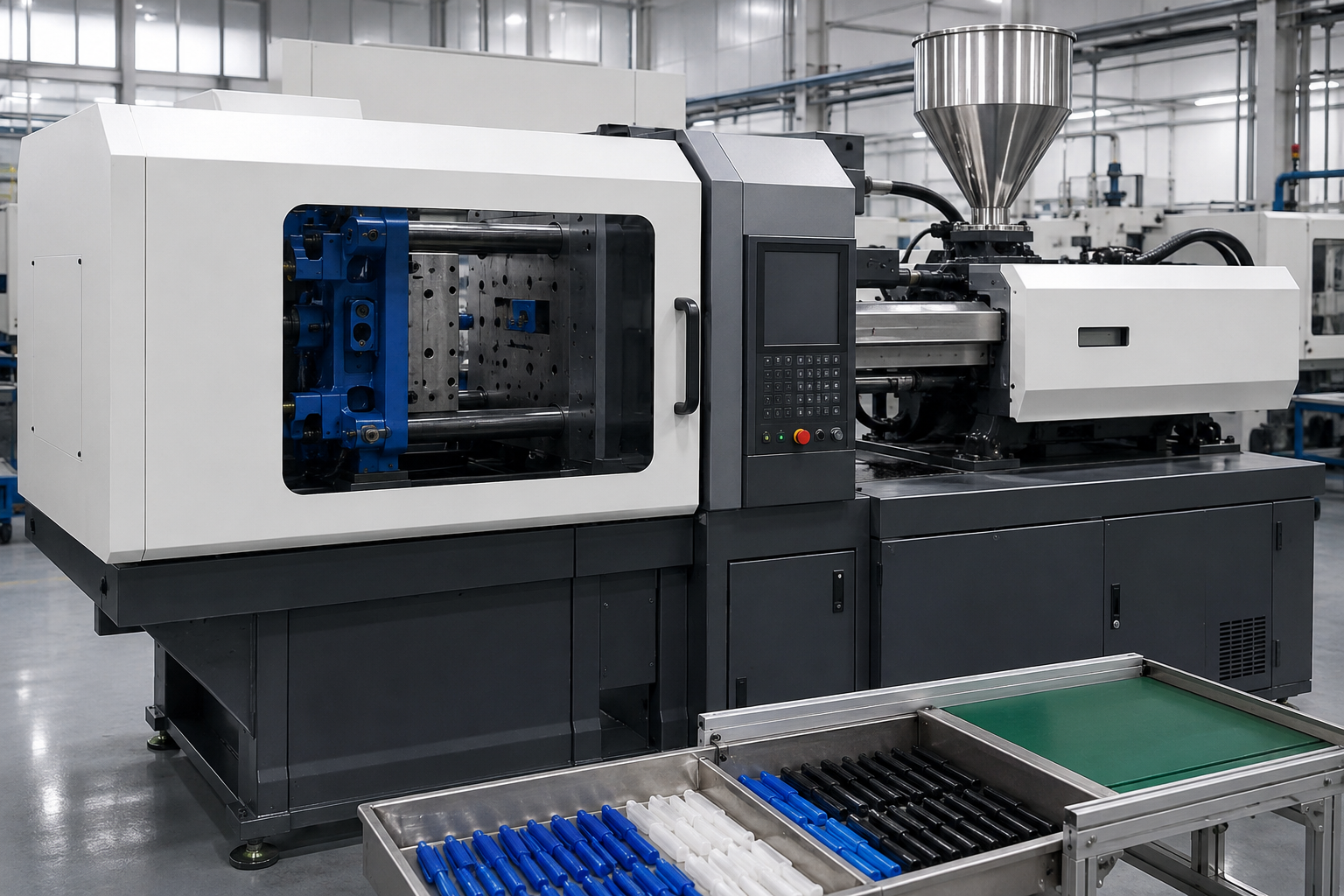
Masstech 160T (cavalo de carga de entrada)
Força de fixação: 1.600 kN
Diâmetro do parafuso: opções de 40 /45 /50 mm
Relação L/D: 22:1 (zona de mistura afinada por caneta)
Melhor para: 8-cavity barril de caneta + fábricas de tampa de caneta
Economia de energia: 300501TP3 T vs linha de base hidráulica
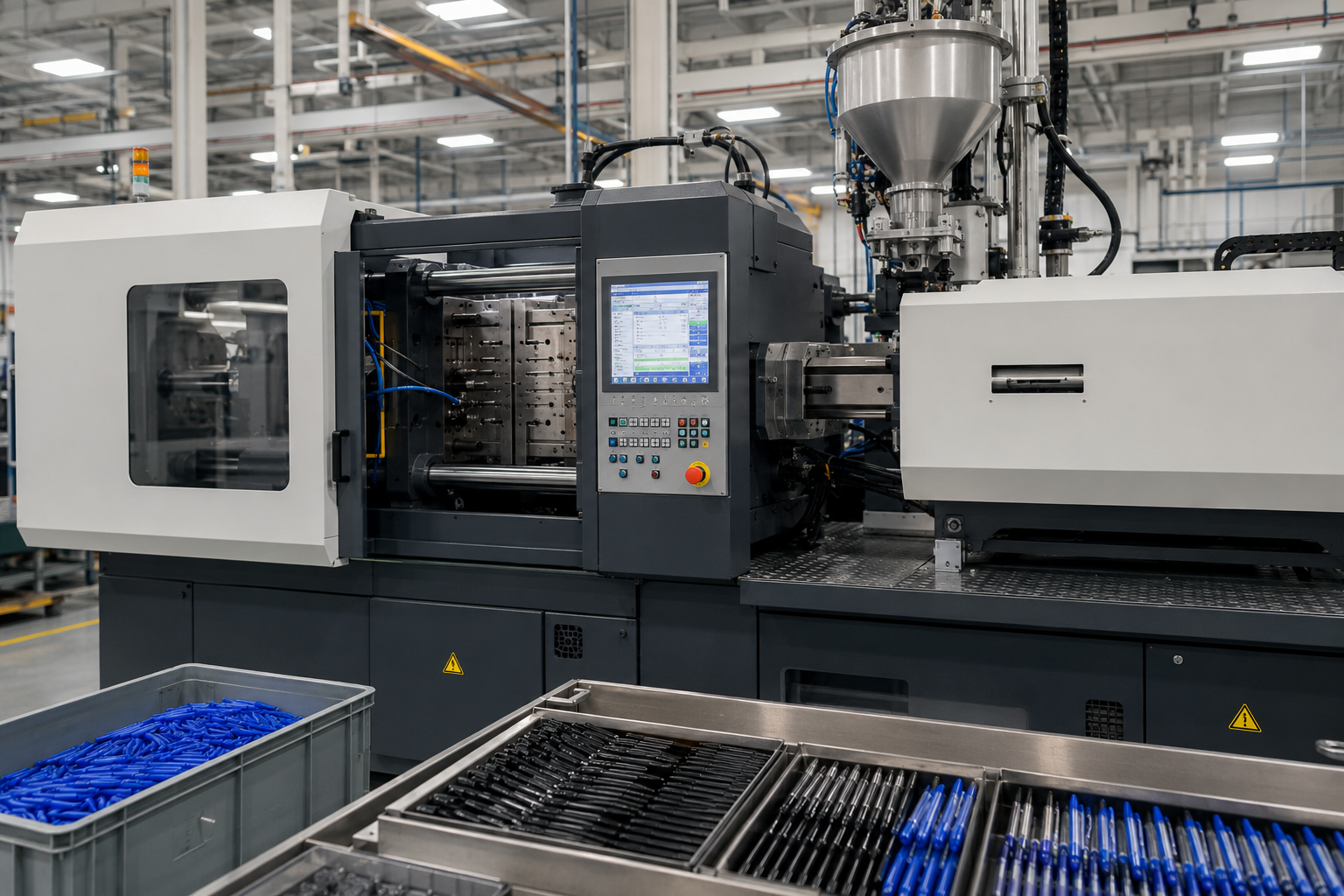
Masstech 240T/280T (camada intermediária)
Peso do tiro (PS): até 470 g
Flexibilidade da cavidade: 16 a 32 moldes da cavidade
Recomendado para fabricantes de esferográficas e canetas de gel produzindo 80 M unidades/ano
Padrão com servo de circuito fechado + PLC + 100 armazenamento de receitas
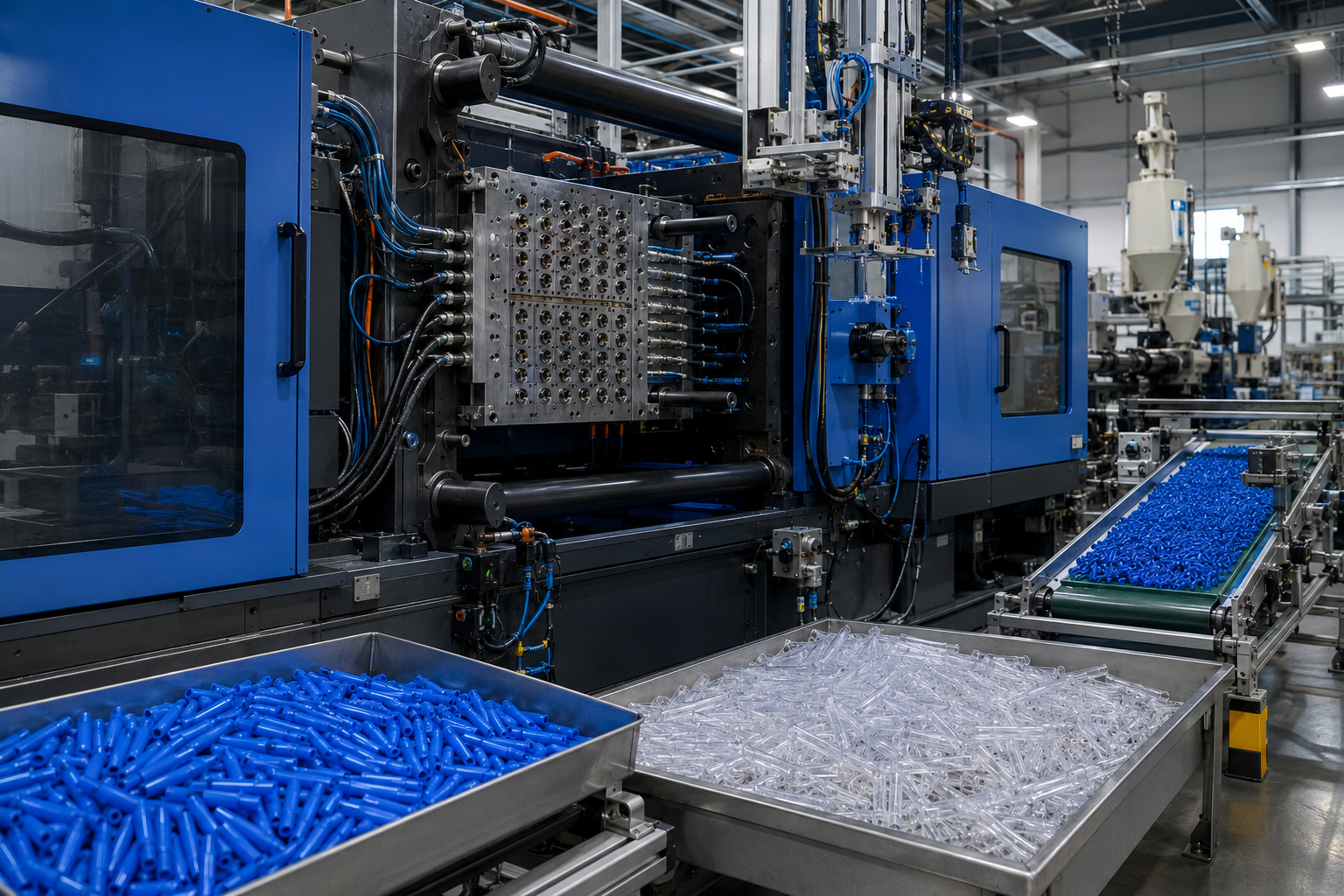
Masstech 400T+ (nível pesado)
Capacidade multi-cavidade de 48 ferramentas para moldes combinados de tampa e corpo
Benchmark de ciclo: 168 peças/minuto na ferramenta de 48 cavidades
Configurado para operação 24 horas por dia, 7 dias por semana, com ganchos de manutenção preditiva
Alinhado com 150 M+ unidades de fábricas de produção anual
Cavidade por Cavidade-por Matriz de Decisão Ciclo Matriz Match Tonelagem a Caneta
A taxa de transferência é impulsionada pela contagem de cavidades mais do que a tonelagem Uma máquina de 160 T de 8 cavidades supera uma máquina de 240 T de 4 cavidades a cada turno do ano É o layout da cavidade correspondente à capacidade de fixação que importa - não o excesso de gastos do capex ou o subuso da capacidade do molde.
Esta matriz resume os dados reais em tempo de ciclo disponíveis a partir de corridas piloto de fábrica de caneta - para o componente específico da caneta, contagem de cavidades recomendada, tempo de ciclo alcançado e saída anual correspondente Você não encontrará esta matriz entre as três principais páginas de resultados de pesquisa do Google para máquina de moldagem por injeção “pen.”
Parte Caneta
Tonelagem Recomendada
Opções Cavidade
Ciclo Tempo
Peças /Minuto
Produção anual @ 6k horas
Cano da caneta (PS, parede de 0,7 mm)
1400T
4 / 8 / 16
18 seg
22 (8-cav) (44 (16-cav)
8 unidades M 16 M
Tampa da caneta (PP, encaixe à pressão)
1400T
8 / 16 / 32
14 seg
30 (8-cav) (32-cav) (3110 (32-cav)
11 unidades M 40 M
Carcaça da ponta da caneta (PC, precisão)
1400 T180T
8 / 16
16 seg
28 (8-cav) (56 (16-cav)
10 M 20 M unidades
Corpo da caneta esferográfica (ABS)
2000 280T
8 / 16 / 24
20 seg
20 (8-cav) (60 (24-cav)
7 unidades M 22 M
Empurrão interno da caneta (PP)
1600 T240T
16 / 32 / 48
12 seg
70 (16-cav) (168 (48-cav)
25 M unidades 60 M
Barril da caneta marcadora (PE)
1800 240T
8 / 16
22 seg
20 (8-cav) (40 (16-cav)
7 unidades M 14 M
Especificações e Servo Architecture
A caneta IMM de 160 T da Masstech é usada como especificação de linha de base para o nível de entrada; máquinas de tonelagem maiores simplesmente dimensionam a mesma arquitetura A seguir está toda a folha de especificações técnicas que muitos gerentes de compras pedem em um RFQ, incluindo os dados longos/l e de pressão que os concorrentes normalmente negligenciam.
Especificação
Notas
Força de fixação
1.600 kN (160T)
Estrutura alternada de compressão vertical
Diâmetro do parafuso (3 opções)
40/45/50mm
Escolha pelo peso do tiro + espessura da parede da peça
Relação L/D
22:1
Padrão de embalagem da indústria 18:12:1; 22:1 otimiza a plastificação PS/ABS para resinas de grau de caneta
Volume de injeção teórico
276/350/432 cm³
Pelo tamanho do parafuso
Volume de injeção (PS)
251/318/393g
Peso real do tiro em 22:1 L/D
Velocidade máxima de injeção
111 mm/s
Crítico para o enchimento do tambor da pena da fino-parede
Pressão de injeção
137215 MPa
Ajustável por resina e espessura de parede
Faixa de pressão traseira
5 pressão de injeção 5% de
Tunable para a dispersão da cor e a uniformidade do derretimento
RPM máxima do parafuso
210 r/min
RPM mais alta na pressão traseira mais baixa para o ciclo rápido
Alternar curso
490mm
Flexibilidade de abertura do molde
Distância da barra de amarração
465×418mm
Envelope base do molde
Altura máxima do molde
520×470mm
Suporta moldes de pilha até limite
Curso de ejeção
150mm
Adequado para ejeção de cano de caneta de 5008 mm
Força do ejetor para frente/para trás
45/30kN
Ejeção de tampa de caneta sem marca cosmética
Potência do motor (servo)
18,5 kW
Consumo apenas servo durante o ciclo de injeção
Poder da banda do aquecedor
9,95kW
4 zonas de temperatura + bocal
Capacidade do tanque de óleo
230L
Configuração servo-bomba
Dimensões (L×W×H)
5,5×1,5×1,9m
Pegada dimensionada para linha típica de fábrica de canetas
Peso máquina
5,6 t
Classificação da fundação por andar de loja
Guia de seleção de materiais de plástico de grau caneta
O design da peça da caneta determina a escolha da resina, o que, por sua vez, influencia o design do parafuso e o perfil do aquecedor A tabela abaixo resume as principais diferenças entre os cinco plásticos usados na maioria da fabricação global de canetas atualmente.
Material
MFR típico
Peças Caneta
Encolhimento
Prós
Contras
PP (Polipropileno)
100 g/10min
Barris de caneta, tubos de tinta, tampas de caneta
1.5–2.5%
Baixo custo, boa resistência química, baixa empenamento
Menor transparência, menor rigidez que PS
PS (Poliestireno)
105 g/10min
Barris de caneta transparentes, caixas transparentes
0.4–0.7%
Alta transparência, estabilidade dimensional, fácil de moldar
Brittle, menor resistência ao impacto
ABS
15 g/10min
Corpos de caneta esferográfica, exteriores de caneta premium
0.4–0.7%
Resistente, pintável, bom acabamento superficial
Custo mais alto, precisa de secagem antes de moldar
PC (policarbonato)
35 g/10min
Caixas de ponta de caneta de alta qualidade, mecanismos de tampa de precisão
0.5–0.8%
Ultra-preciso, resistente ao impacto, transparente
Preço premium, requer alta temperatura de fusão
PP/ps reciclado
Variável
Canetas Eco-line, canetas promocionais
1.0–2.5%
300% redução de custos de materiais, mercado ESG
A variabilidade do MFR requer um controle de contrapressão mais rígido
Material → Folha de fraude de configuração de máquina
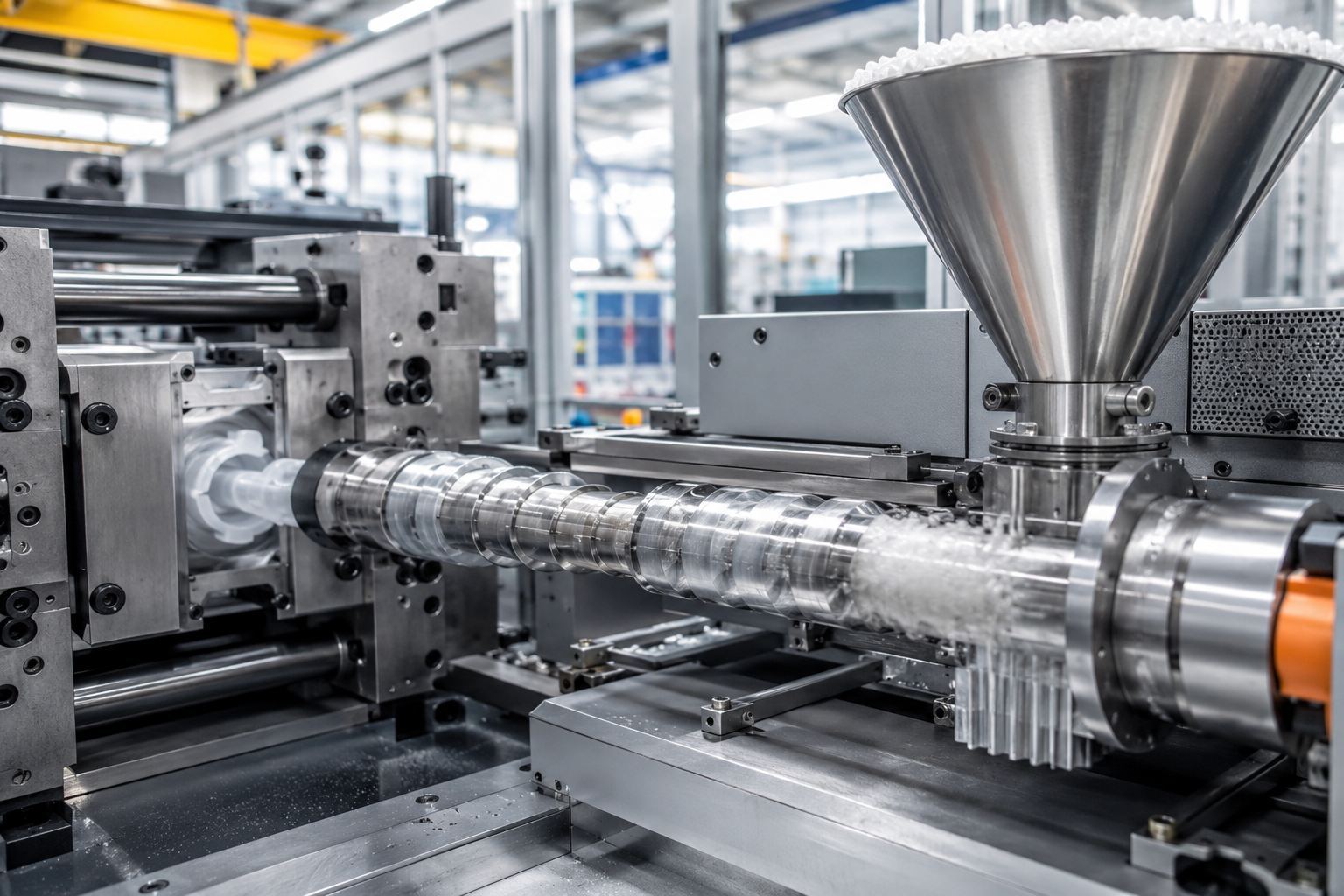
Para polipropileno despolimerizado linhas: parafuso padrão 22:1 L/D, baixa (5-81TP3 T) de contrapressão, maior (até 4.000 rpm) RPM
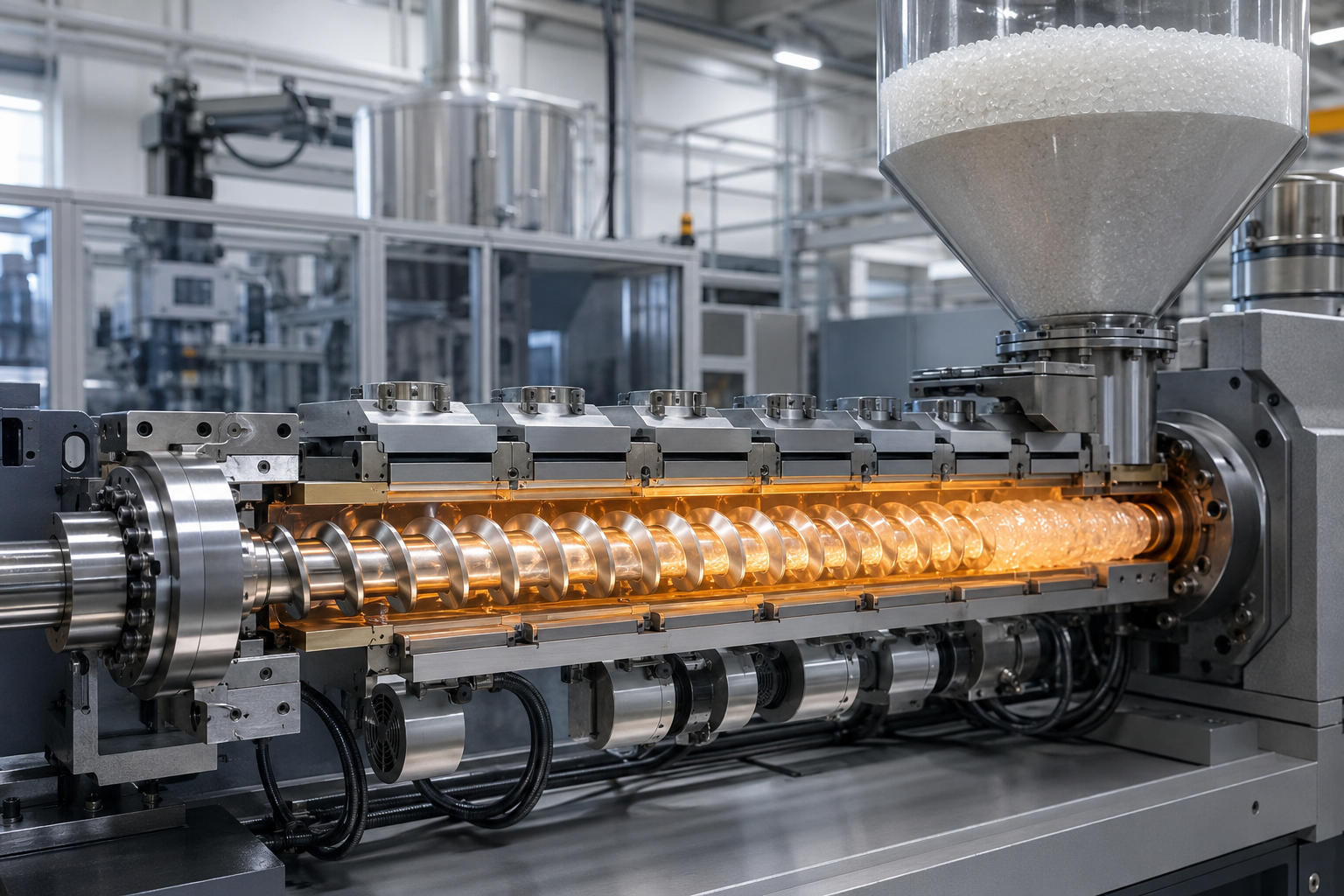
Consumindo PS as linhas usam um parafuso de mistura 22:1 L/D na zona de contrapressão de médio alcance (8-121TP3 T) entre 240-260 C de temperatura de fusão
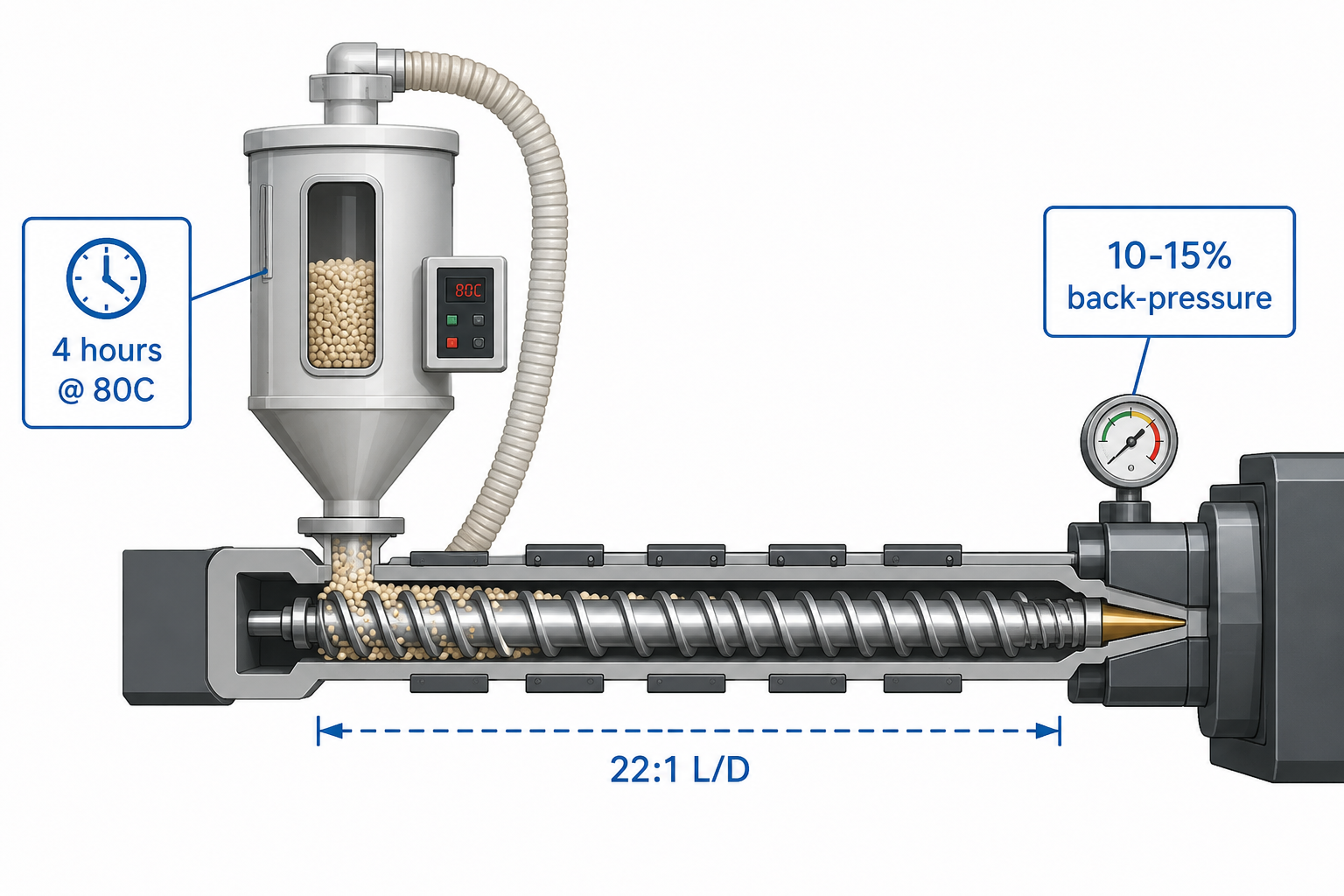
Fornecendo ABS na corrente de material pode ser necessária uma tremonha de secagem (4 horas @ 80C), contrapressão 22:1 L/D, 10-15%
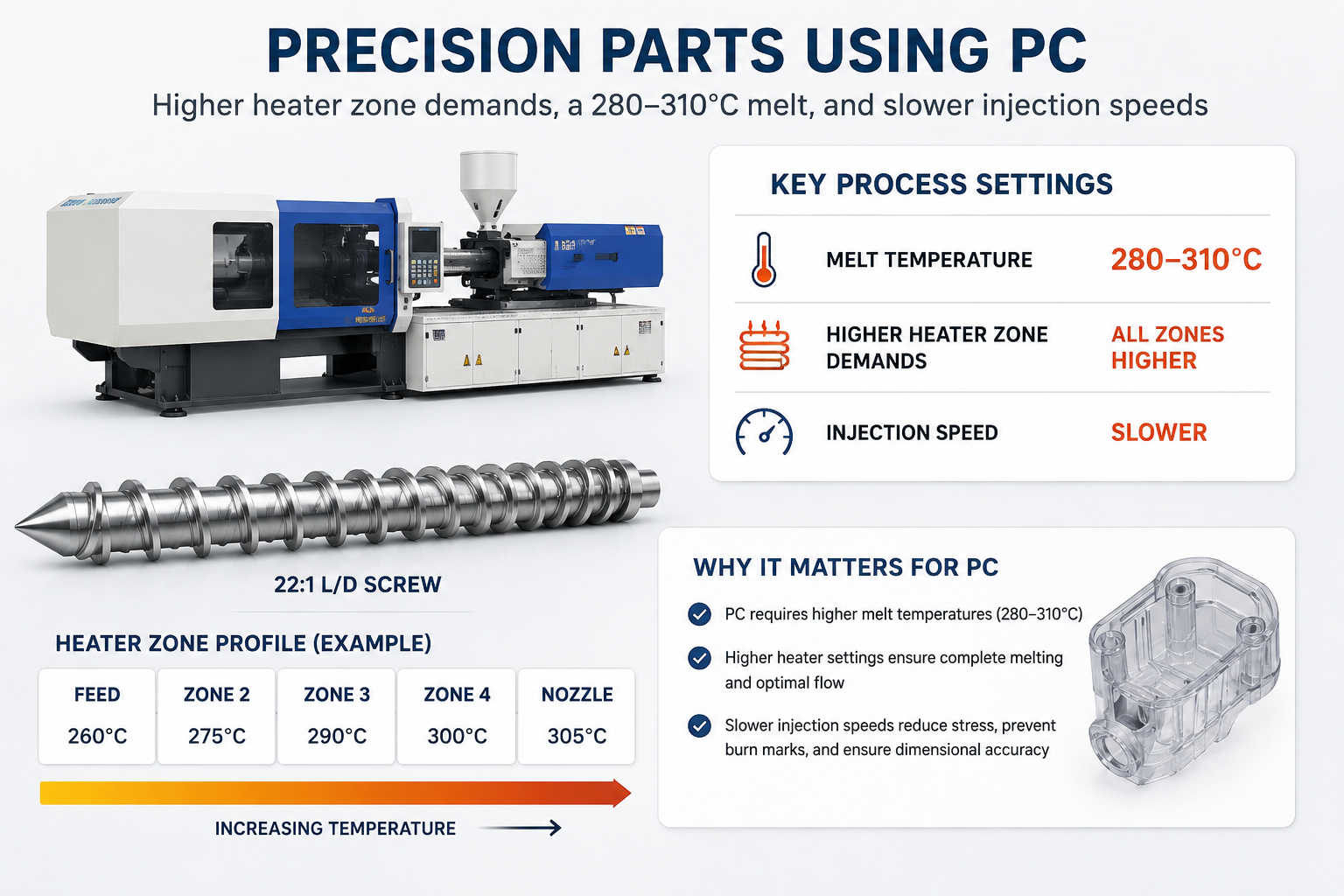
Para peças de precisão usando PC, espere exigências mais altas da zona do calefator, um derretimento 280-310 C, e umas velocidades mais lentas da injeção
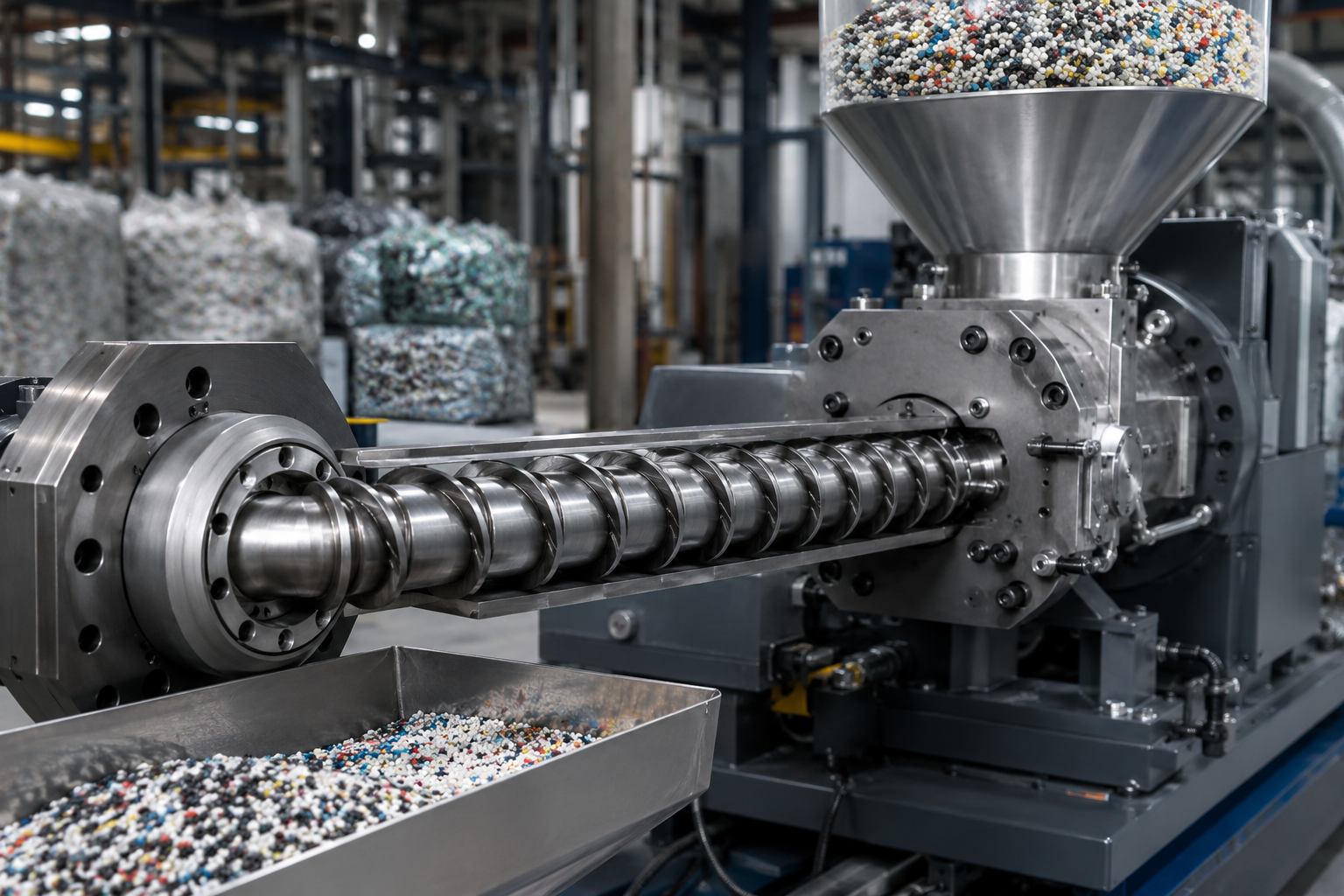
Resina reciclada as linhas precisam de um parafuso + barril de alta resistência ao desgaste (superfície nitretada) para gerenciar a variabilidade do MFR
Iniciado de forma equivalente, a matéria-prima compõe 600 despesa0% de uma fábrica da pena operando-se portanto, sua escolha agora é uma função de quais máquinas você compra, afeta seu ROI 2 ou 3 anos a mais do que a tonelagem.
Discutir Compatibilidade de MateriaisServo IMM versus comparação totalmente elétrica hidráulica versus uma comparação caneta-produção
Apenas três arquiteturas de acionamento se espalharam pelo mercado de canetas até agora: hidráulica tradicional, servo-hidráulica totalmente elétrica Cada um tem sua própria economia dirigindo-o cada um tem suas vantagens especiais Servo-hidráulica (a construção padrão da Masstech) ganha para a maioria das fábricas de canetas nas terras altas mil ou dois em escala Mas não todos UpfrontCapex, custo de energia, níveis de volume anuais são os fatores de decisão.
Dimensão
Hidráulico
Construção Padrão
Servo-Hidráulico (Masstech)
Todo elétrico
Capex (equivalente a 160T)
Mais baixo
+15 hidráulico 5%
+45 hidráulico 0%
Uso de energia (vs hidráulico)
1,0× (linha de base)
0.50.7× (economia de 50%)
0.30.5× (economia de 70%)
Precisão ciclo
±2,0%
±0,8%
±0,3%
Sala limpa-adequada
Não
Possível
Sim (óleo hidráulico zero)
Manutenção
Mudanças frequentes de óleo
Reduzido (o servo só funciona sob demanda)
Mínimo
Volume da caneta mais adequado
≤50 milhões de unidades/ano
500 M unidades/ano
≥150 M unidades/ano, canetas médicas/de precisão
Período de retorno
n/a (linha de base)
12 4 meses em volumes típicos
30 meses 0
Fatores de Preços e Custo Total de Propriedade
Nenhum dos três principais concorrentes Pen IMM com USD publicado em nosso site 2000-2024 classifica para o termo pen IMM. Nós não temos, porque a maioria das citações reais será sintonizada com características para variáveis de configuração que EU não capturaria com precisão com um número simples O que publicamos - e o que 991TP3 T dos departamentos de compras precisam orçar - é o preço macro e a matemática TCO por trás de uma decisão de compra imaginária de 5 anos.
Fatores de preços Capex (dirige a cotação inicial)
Nível tonelagem
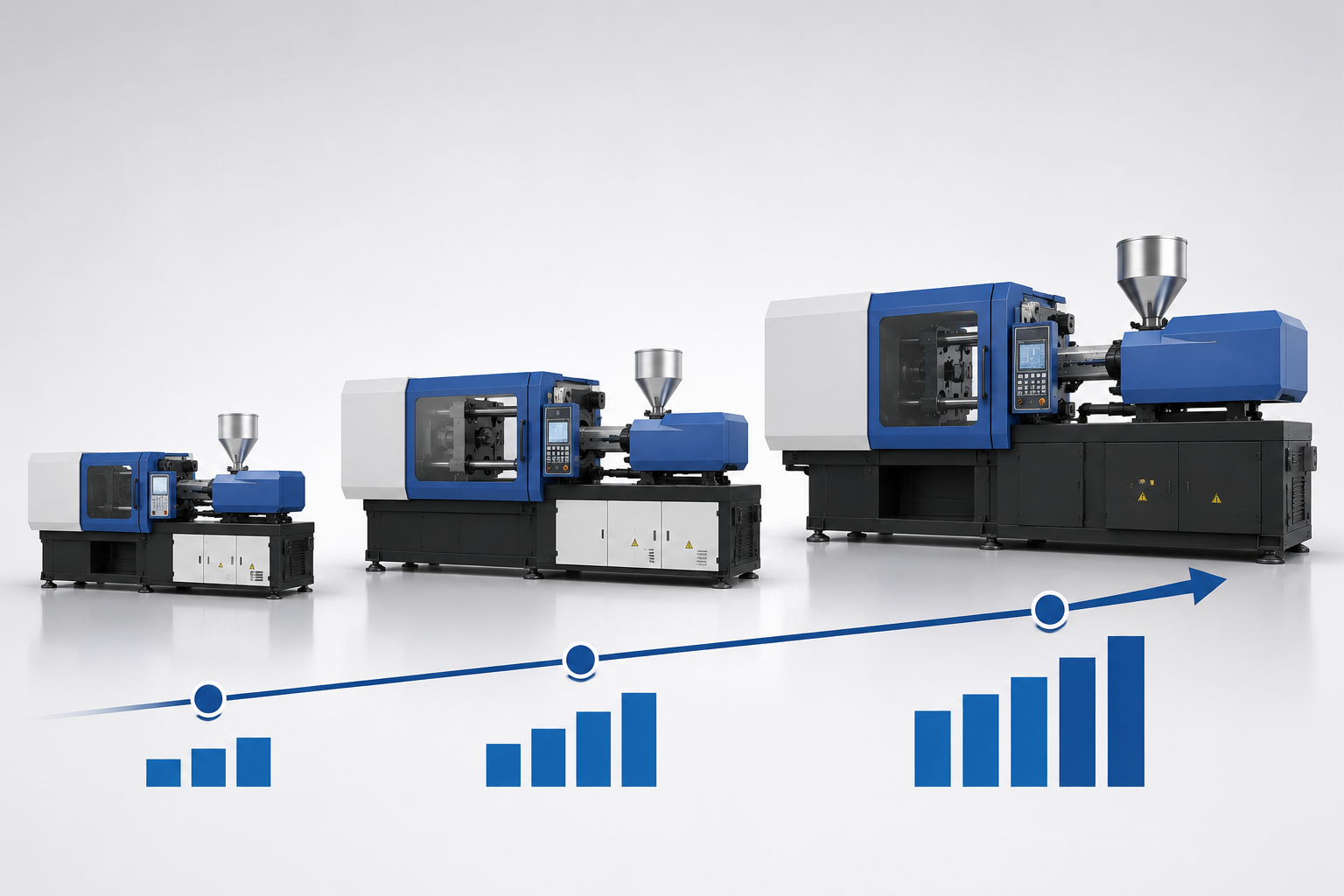
140-180 T (entrada), 200-300 T (meio), 400 T + (pesado) 180 T (meio), 400 T + (pesado) (capex linearmente escalas com força de fixação
Conduza a seleção da tecnologia
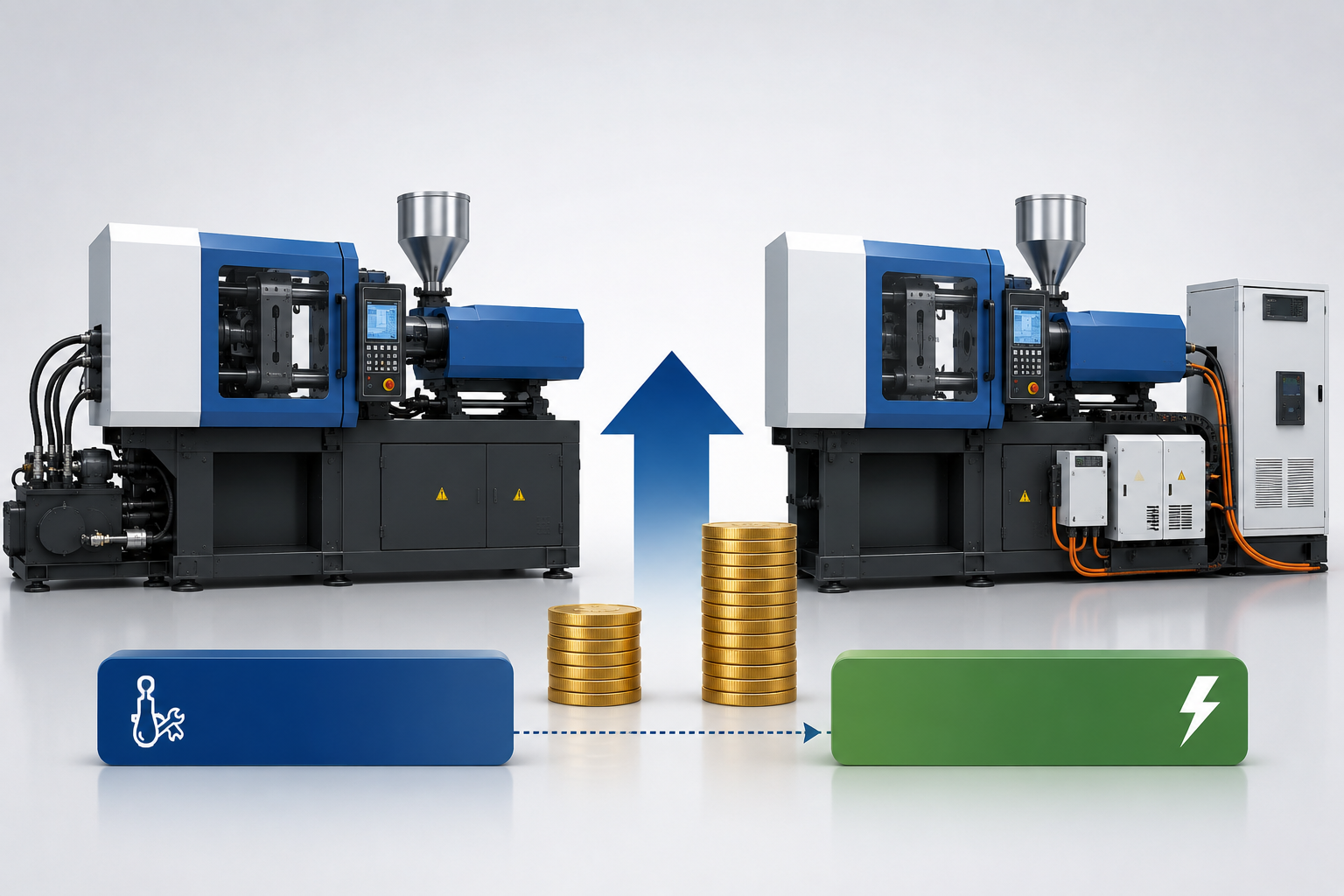
linha de base servo-hidráulica; a conversão totalmente elétrica adiciona 30-501TP3 T à linha de base
Compatibilidade cavidade-molde
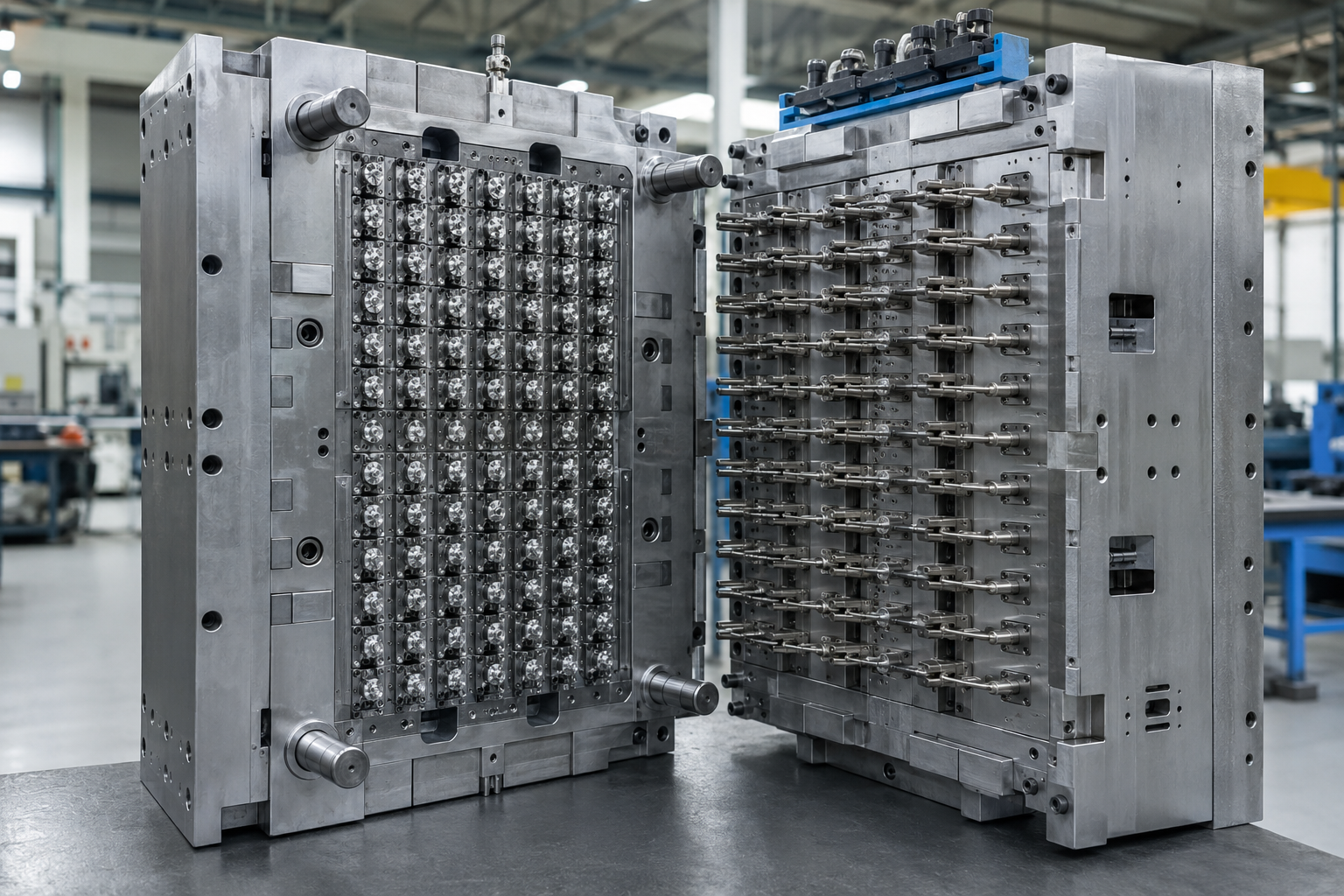
A configuração de cavidade 32+ fixa sistemas de ejeção maiores e envelopes de base de molde
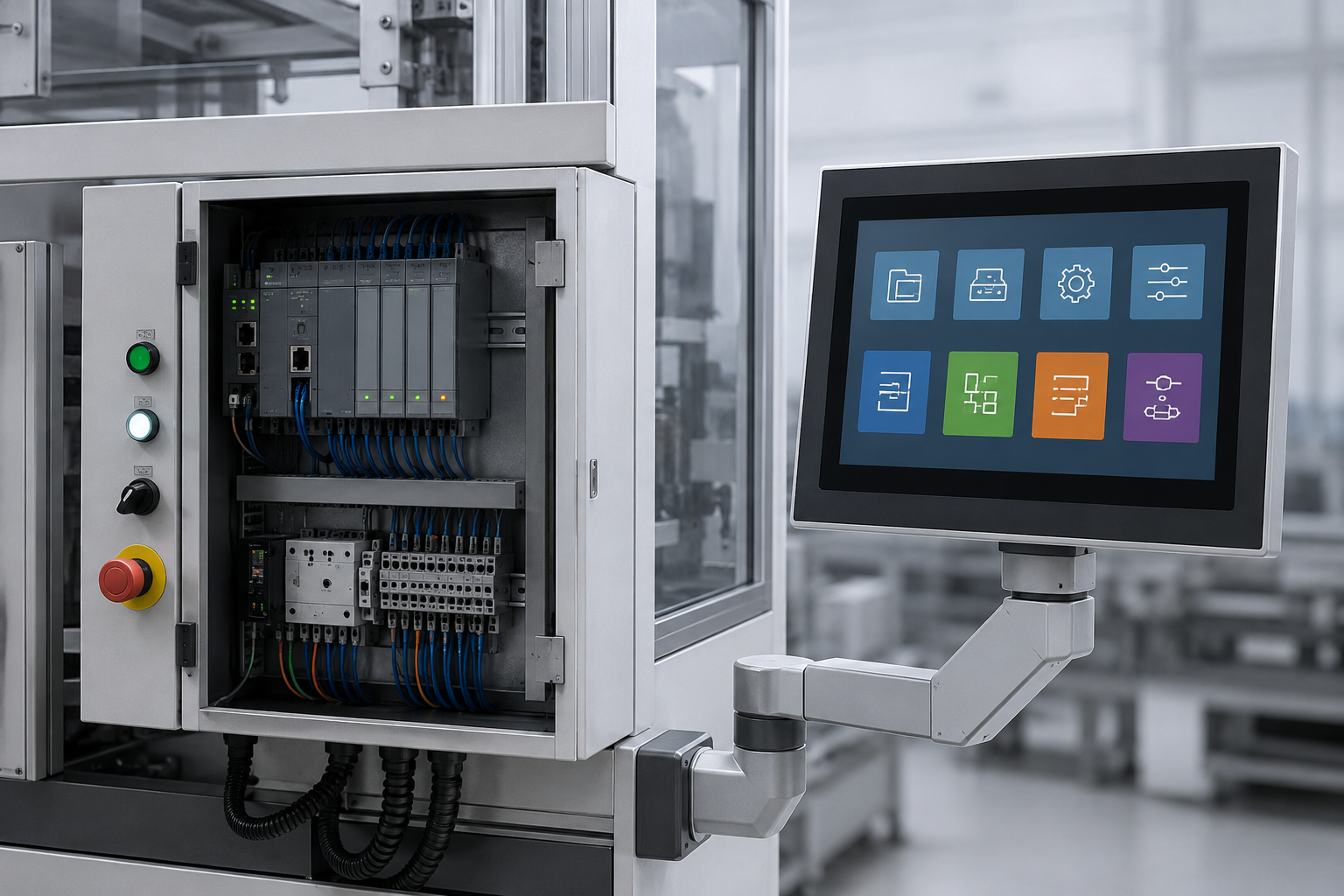
PLC + armazenamento de receitas incluído
interface multi-lingual homem-máquina opcional, com linha de preço adicional
Auxiliares
(tremonhas de secagem, unidades de mistura de cores, selecionador robótico) adicionam cada uma uma linha de preço incremental no topo da linha de base
SILVER TIER (TRATAR TCO Framework)
Custo Total de Propriedade
(horizonte de 5 anos, configuração servo 160 T)
Dados da indústria (Plastics Technology, ENGEL, 2024-2025) apontam para a seguinte repartição do TCO para um IMM típico de 160 T de servocaneta capaz de 6.000 horas/ano Os números específicos variam com os preços da eletricidade do local, comprimentos e padrões de turnos, escolhas de materiais-contacte-nos para uma cotação na sua aplicação.
Poder desenhar para modelos servo está dentro de 30-501TP3 T da linha de base hidráulica, como servo motor só consome energia durante o processo de injeção
Horas inativas cai 25-401TP3 T ao longo de 5 anos devido à menor frequência de mudanças de óleo hidráulico
Peças de reposição: A Masstech estoca componentes críticos de caneta IMM e está comprometida com a entrega internacional de 5 dias
Tempo do operador cai de acordo com quanto menos o armazenamento de receitas PLC + leva para alternar entre canetas diferentes do que controles mais antigos
Hora típica de roi com volumes médios de caneta acima da indústria (60 milhões de unidades/ano) é de 12 a 24 meses
Resultados do cliente, resultados de produção da fábrica de canetas
Identificamos três padrões comuns de implantação de implantações de caneta-IMM da Masstech atendendo a SE Ásia, África, América Latina, conforme representado pelos resultados de comissionamento de 2024-2025 de fábricas de canetas que excedem unidades de 60 M em 200 unidades M/ano.
Caso A
Fábrica de canetas de nível médio, Sudeste Asiático
2 Masstech 240 T IMMS experimentado e testado com moldes OEM 16+pen-cap e 8+ moldes de caneta-barril Objetivo de produção: 90 M unidades/ano, canetas incluem gel, esferográfica, etc...
Tempo de ciclo em 16+ tampas de caneta: 16 seg; em barris de 8+pen: 19 seg
Redução de energia versus linha hidráulica anterior: 38%
Reembolso relatado (servo premium): 16 meses
Caso B
Especialista em caneta promocional, África
1 Masstech 160 T com molde de barril personalizado 8 + caneta e ferramentas de marca OEM integradas; operação de resina mista (barris PP, corpos ABS).
Produção diária: canetas de 100 K em turno único
Tempo mínimo de troca entre resinas: 22 min (máquina antiga levou 90 min)
Mudança de molde: 35 minutos através do recall de receitas PLC
Caso C
Exportador de alto volume, América Latina
4 IMMs de Masstech 400 T com blocos de molde de alto desempenho 32+part; meta de produção: 3 turnos, 220+ M unidades
Peças/minuto na ferramenta push-rod de 32 cavidades: 168
Meta de produção de 2024 excedida em 9%: 240 M unidades.
Tempo para resposta em chamadas de serviço de garantia: 18 horas (média).
Folha de dicas de venda cruzada ou nomeando equivalentes de modelo IMM
Os códigos do modelo Pen IMM são exclusivos para cada fabricante HCK (Haichen), GT3-LS (Lanson), MA (Mass Filling), ou às vezes Masstech tem sua própria série codificada de tonelagem No caso de um comprador chinês comparando cotações de meia dúzia de fornecedores chineses pode levar várias horas para descobrir quais modelos são os mesmos Nós compilamos esta referência entre fornecedores, pois nenhum publica um As convenções de nomenclatura do modelo são diferentes entre os fornecedores, por isso é sempre melhor verificar a especificação com o fornecedor antes de comprar.
Nível de tonelagem
Haichen
Lanson (série GT3)
Enchimento em massa
Linha de base padrão
Masstech
110160T (entrada)
HCK 110/150/160
(abaixo da faixa GT3)
MA-110/MA-150
Masstech 140T/160T
1700230T (Mid)
HCK 200/210/230
GT3-LS170W/200W/230W
MA-180/MA-210
Masstech 180T/200T/240T
2400310T (Mid-Pesado)
HCK 230/310
GT3-LS280W
MA-260/MA-300
Masstech 280T/300T
400T+ (Pesado)
(não específico da caneta)
(além da faixa GT3)
(não específico da caneta)
Masstech 400T/500T/800T
Vantagem Estratégica de Tonelagem
A tonelagem mais óbvia, exceto a Masstech para fábricas de canetas, está no Faixa de 400T+ 400 T não Haichen nem Lanson tem qualquer listagem de ferramentas específicas para caneta acima de 310 T, e o enchimento em massa está abaixo de 300 T. Se as fábricas de caneta vão crescer em direção a 200 M + unidades anualmente, 400-800 T é a faixa onde as linhas de 48 cavidades multi-cavidade começam a ser economicamente viáveis.
Certificações e Conformidade
Pen IMM aquisição tanto a nível do fabricante e da máquina tem os dois ‘portões de conformidade’: segurança a nível da máquina (marca CE e EN 201) e qualidade a nível do fabricante (ISO 9001:2015).Apenas obter um certificado não é suficiente 'comprador equipes devem validar o escopo por ter o banco de dados do registrador verificado Masstech fornece o escopo abaixo como validação externa.
Marcação CE
Diretiva de Máquinas 2006/42/EC (em inglês) conformidade total de segurança da máquina
PT 201
Máquinas de plásticos Padrão de máquinas de moldagem por injeção de segurança
PT 60204-1
Equipamento elétrico de máquinas de segurança geral
ISO 9001:2015
Gestão da qualidade, projeto do IMM da pena, fabricação e serviço pós-venda
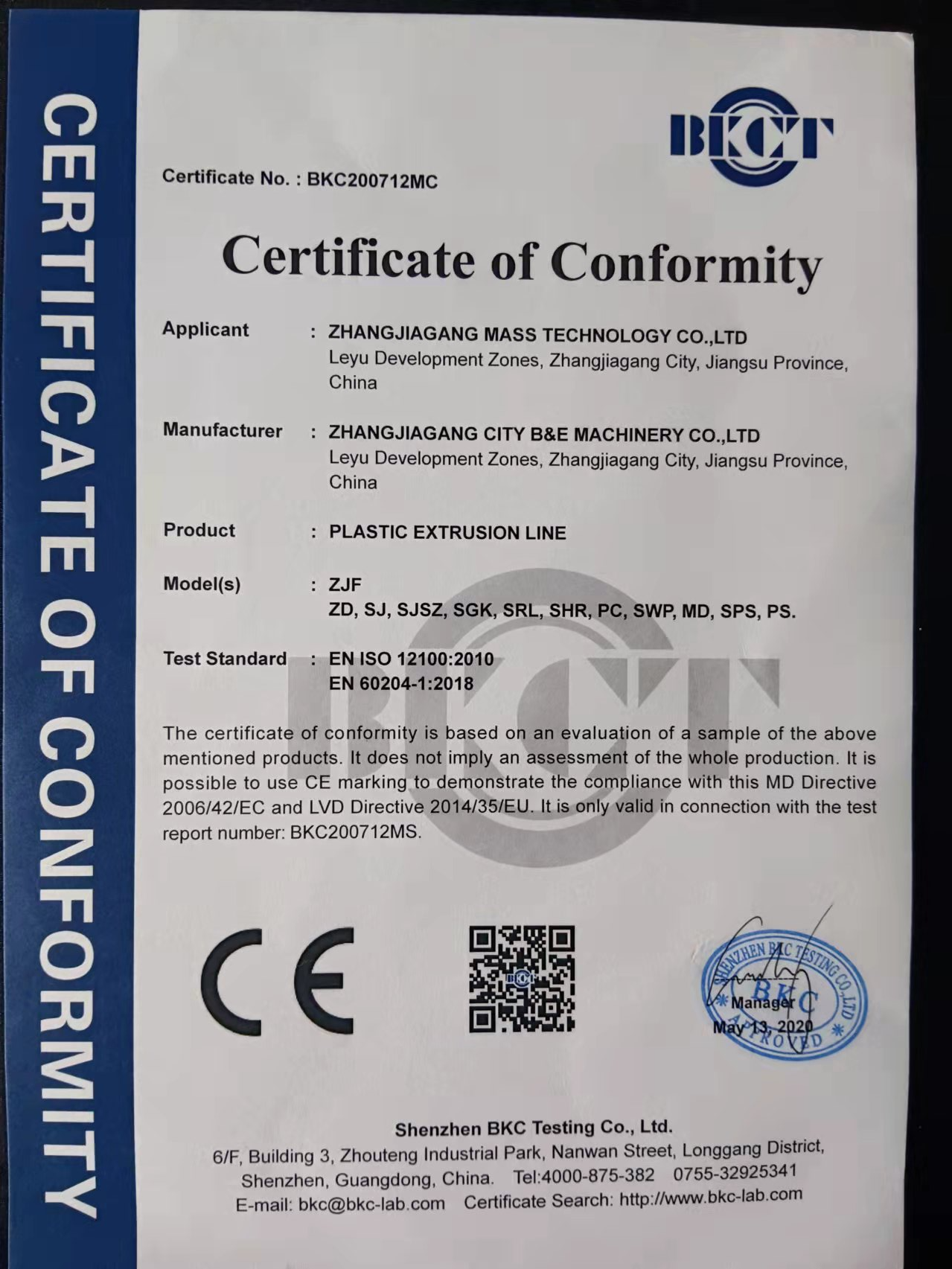
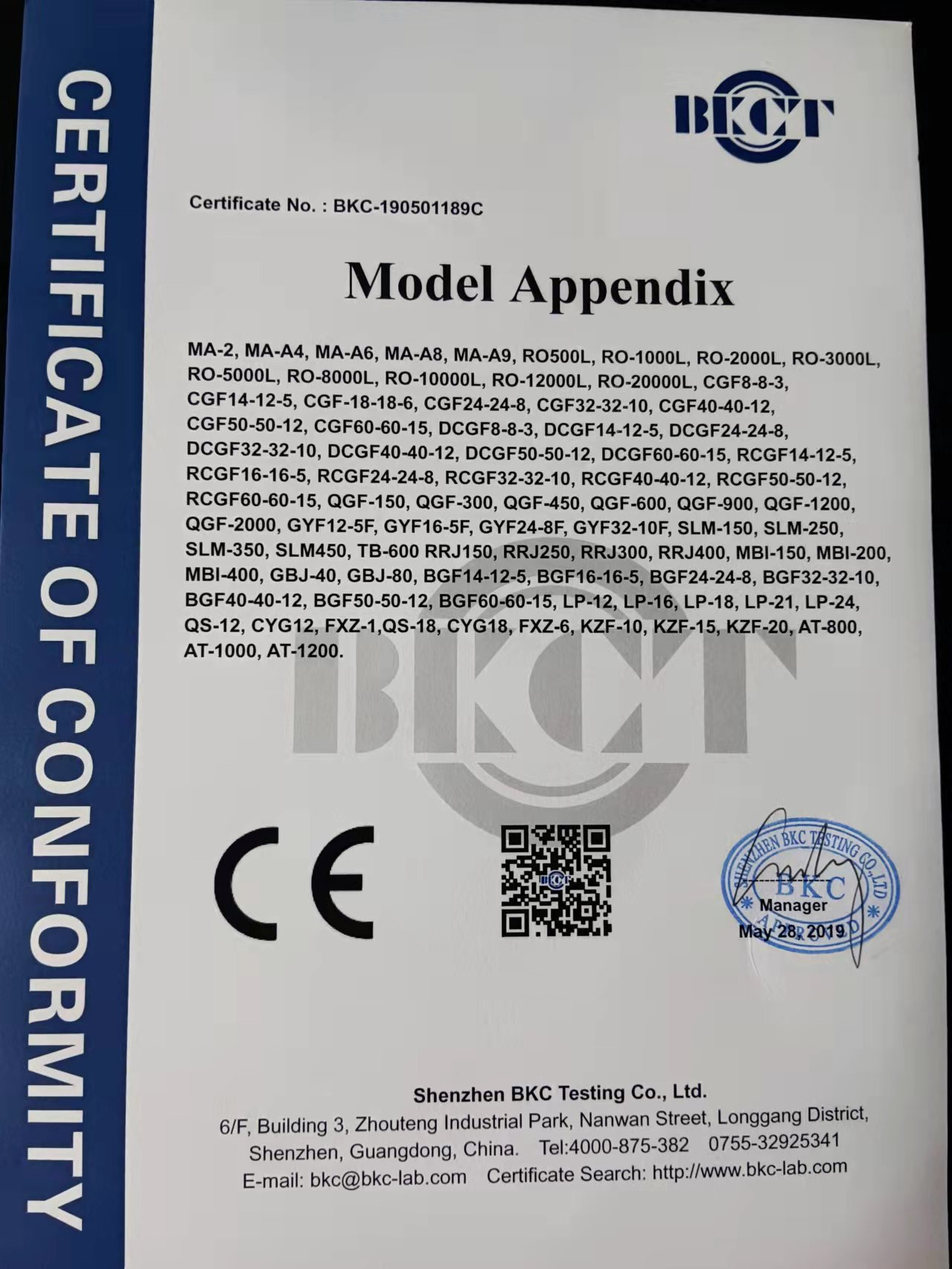
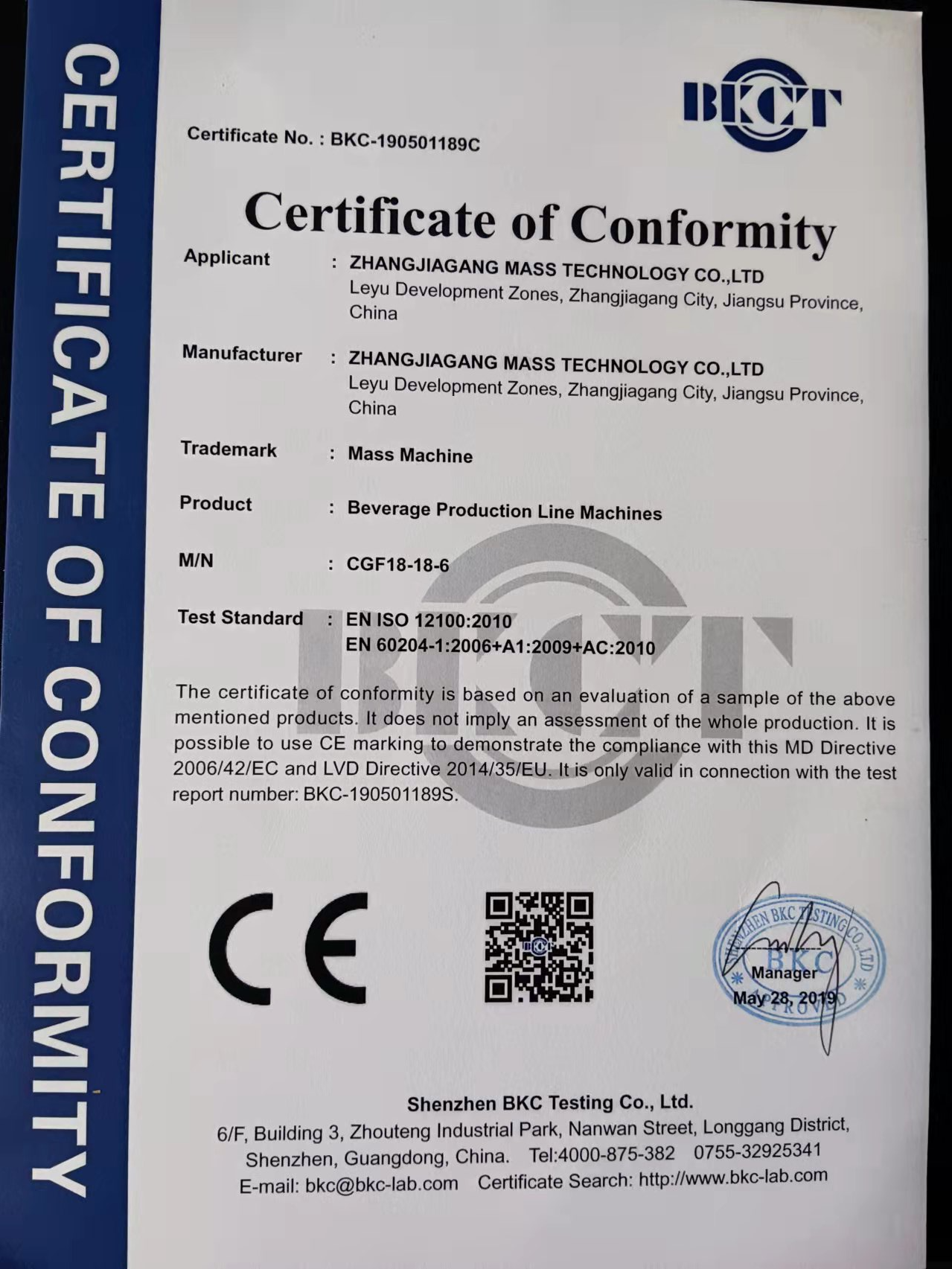
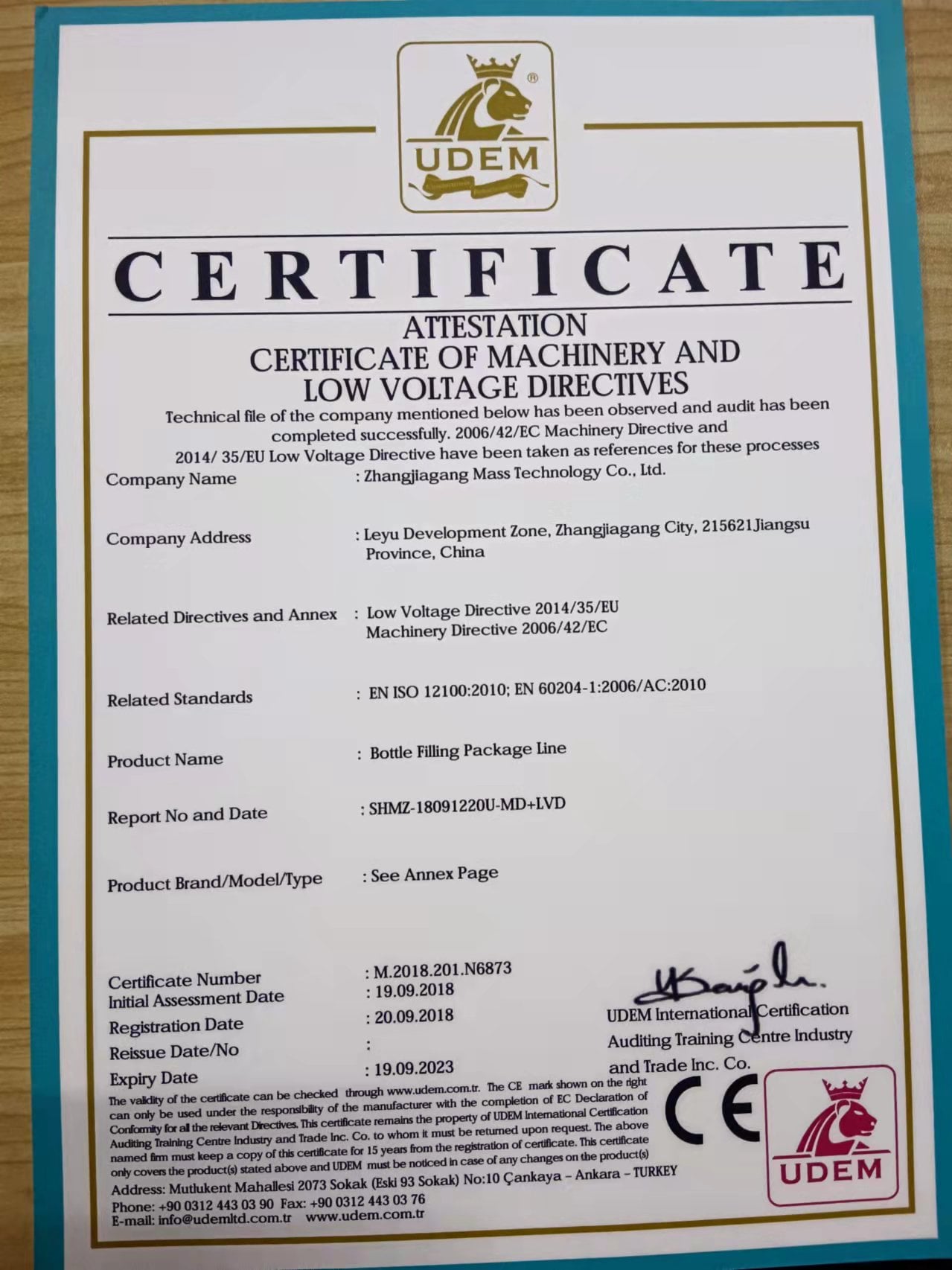
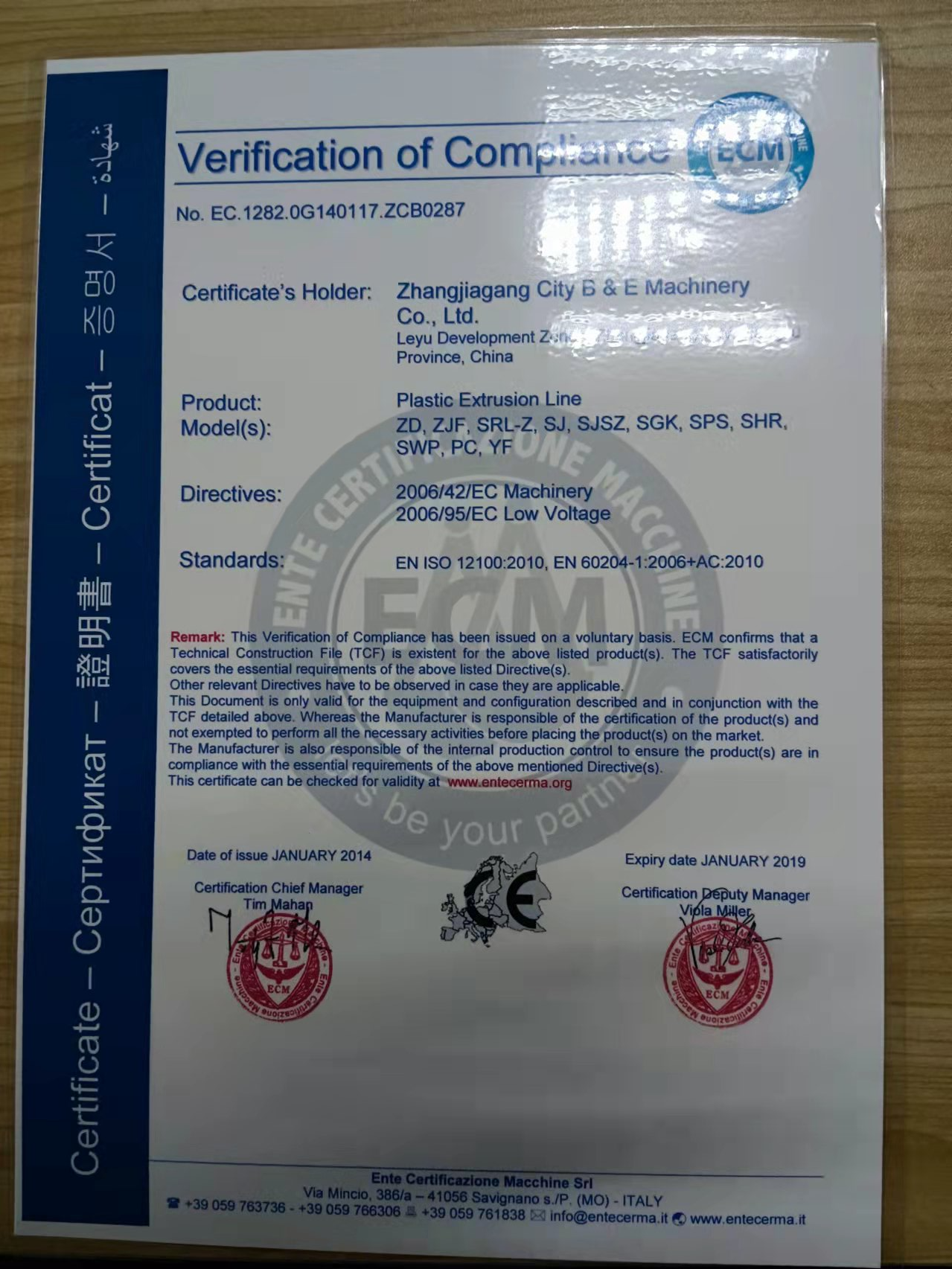
Verificando o escopo da certificação
O certificado ISO 9001 sem documentação de escopo é uma vulnerabilidade de aquisição. Vários moldadores não são certificados pela ISO 9001 para projeto e fabricação de montagem. O escopo de registro da Masstech ISO 9001 declara a mão de obra em relação ao projeto, fabricação, instalação e serviço pós-venda de máquinas de moldagem por injeção. O número de registro do certificado, o registrador e as datas de validade estão disponíveis mediante solicitação e podem ser verificados através do registro público do registrador.
Documentação necessária de todo o escopo da certificação e informações de pesquisa do registrador?
Obtenha pacote de documentação de conformidadeServiço SLA (SLA) O que “Depois de 2011 significa na verdade
2 anos de garantia
Até 2 anos de garantia em todas as peças da máquina (servo /motor /sistema hidráulico /controles /parafuso e barril).
Resposta do engenheiro 24 horas
A resposta do engenheiro sobre questões técnicas ocorre 24 horas por telefone, skype ou e-mail.
Despacho de peças de 5 dias
Para peças de reposição de estoque (módulos servo, sensores e placas de controle), 5 dias é eficaz que o correio internacional seja enviado.
Treinamento no local
Os operadores são treinados no local por 3 a 5 dias durante a instalação, com revisões técnicas remotas trimestrais no primeiro ano.
Consulta Gratuita
Consulta gratuita de compatibilidade de moldes para lançamentos de novos produtos para garantir o sucesso inicial da produção.
O custo real do tempo de inatividade
Lanson, Haichen e Mass Filling não publicam nenhum SLA ou uma linha de“ de suporte técnico fuzzy ”lifetime. O compromisso da Masstech é em uma resposta dura de 24 horas e SLA de peças de 5 dias. Isso ocorre porque o tempo de inatividade da fábrica de canetas custa cerca de $5.000 por dia em uma linha de 100 K-pen por dia, cada minuto perdido custa mais do que a cotação mais barata.
Ferramentas interativas de engenharia e planejamento
Utilize nossas calculadoras e matrizes proprietárias para estimar com precisão seu retorno sobre o investimento, rendimento de produção e compatibilidade de materiais para suas linhas de fabricação de canetas.
Calculadora de retorno servo
Calcule o ROI exato e o cronograma de equilíbrio para atualizar para máquinas de moldagem por injeção servo-hidráulicas com base nos custos de energia locais e nos perfis de mudança.
Calculadora LançamentoEstimador de saída de cavidade
Estime com precisão o volume anual de produção de peças de caneta com base no layout de contagem de cavidades, tempos de ciclo específicos e horas operacionais.
Estimativa de saídaSeletor de resina de caneta
Encontre os plásticos ideais para caneta (PP, PS, ABS, PC) combinados com os componentes específicos da caneta, tolerâncias de encolhimento e requisitos de moldagem.
Selecione MaterialPerguntas frequentes
1. que tonelagem EU preciso para a produção de barril de caneta?
Para o molde da pena-barril da 8-cavidade, 140-180 T para a tinta-caneta regular da esferográfica é bastante Para a pena-tampa da 16-cavidade ou o molde da pena-empurrão da 32-cavidade, você deve ir até 200-280 T. Para a pena nova da 24-cavidade ou mais e da parede grossa, o nível 400-800 T é necessário A matriz do ciclo da cavidade x neste guia calcula suas porções tonelagem precisamente.
2. quantas cavidades meu molde do tambor da pena deve ter?
Número de cavidades é governado por meta de volume anual e tempo de ciclo Um molde de barril de 8 cavidades de ciclo de 20-seg entregará cerca de 8 MM pa se produzido em um único padrão de deslocamento de 6000 horas Para produzir volumes alvo de 30 MM pa é necessário dobrar até 16-cavidade Para atender 60 MM mais é necessário empurrar mais ferramentas multi-cavidade 32 ou 48 tão rápido quanto um 240-400 T.
3. qual é o tempo de ciclo para um molde de barril de caneta de 8 cavidades?
O tempo real do ciclo mundial para um molde de cano de caneta PS de 8 cavidades em servo IMMs de 160 T é de 18-22 segundos para injeção/retenção/resfriamento/enchimento ejeção.3 ciclos/min é normal para um cano de 8 cavidades, os padrões da indústria (relatórios Haichen) levam cerca de 24 canetas/ciclo, 1.440/min, 8,6 milhões por turno.
4. servo versus hidráulico (hidráulico), o que é melhor para a produção de canetas?
Para as fábricas de canetas acima de 80 m/ano, servo-hidráulica fornece 30 a 50 por cento de economia de energia com 12 - a 24 meses de retorno sobre o prêmio servo capex Para as fábricas menores abaixo de 50 m/ano, hidráulica tradicional continua a ser uma opção econômica Este guia de gestão fornece a matriz de comparação completa, além do modelo de decisão baseado em volume, para lhe dar a resposta.
5. quanto custa uma máquina de moldagem por injeção de caneta?
A IMM da pena do Auto-nível está na ordem de $30,000 a $40,000 para um conjunto servo da entrada 140-160 T. Ele escala enormemente para o conjunto da multi-cavidade do nível pesado 400 T+. Uma linha de produção completa da pena-IMM. O enchimento e o conjunto-conjuntos da tinta correm na região de $200,000 (média da indústria por dados do Grupo 2026 de IMARC).A Masstech fornece por outro lado citações de acordo com a tonelagem, o número da cavidade, a tecnologia da movimentação e o equipamento auxiliar.
6. que plásticos da pena-categoria podem a máquina processar?
Padrão 22:1 L/D processos de arranjo de parafuso PP, PS, ABS, PC e misturas recicladas em toda a gama Masstech 140-800T. ABS e PC requerem pré-secagem As linhas de alimentação de resina de reciclo têm uma modificação nitretada de parafuso resistente ao desgaste (wear-resin) por favor especifique no momento do pedido quando as matérias-primas para alimentação estão sujeitas a variabilidade.
7. qual é o prazo de execução típico e MOQ?
O prazo de entrega geral do PO confirmado para o envio pelo oceano é de 8 a 12 semanas. Nenhuma quantidade mínima de pedido para compra IMM de caneta, um pedido IMM por máquina única está sendo considerada. Pedido de linha de produção (mais de 1 IMM + auxiliares) lote semanal a cada 12-14 semanas;
8. você fornece moldes personalizados e suporte ao logotipo OEM?
Moldes personalizados O relevo do logotipo OEM, geometrias especiais do barril ou mecanismos de tampa personalizados são projetados e construídos pela própria loja de moldes da Masstech O prazo de entrega do molde é de 4-6 semanas de intervalo da máquina A montagem padrão do molde ajustável em cada IMM da Masstech permite que os moldes da terceira parte sejam incluídos no envelope do tirante.
9. que garantia e serviço pós-venda você oferece?
Todas as máquinas Masstech são enviadas com 2 anos de garantia de peças Resposta do engenheiro dentro de 24 horas por telefone, e-mail ou videochamada As peças de reposição estocadas serão enviadas pelo serviço de correio internacional, dentro de 5 dias úteis após a exigência confirmada Treinamento do operador incluído durante a instalação; revisões técnicas remotas trimestrais até o primeiro ano.
10. qual é o período de retorno típico para uma máquina servo 160 T?
Este payback no servo capex premium (sobre uma linha de base hidráulica) é normalmente dentro de 12-24 meses para fábricas de caneta operando a 80 milhões de unidades + pa. A redução de energia é normalmente 30-501TP3 T, bem como manutenção de óleo hidráulico e ciclo-tempo reduzido através do armazenamento de receitas PLC. Esta é uma alternativa geralmente mais racional abaixo de 50 milhões de unidades pa.