Entrez en contact avec Masstech
Ligne de production de CSD
Ligne de production de boissons gazeuses — système complet de remplissage CSD
Les acheteurs d’une ligne de production de CSD se heurtent à un dilemme logistique que la plupart des catalogues de machines de remplissage ignorent : traitement de l’eau, mélange du sirop, remplissage isobare, chauffage/refroidissement des bouteilles, étiquetage et emballage intégrés dans une seule ligne PET+verre+canettes en aluminium. Masstech a conçu des lignes CSD de 2 000 BPH à 36 000 BPH.
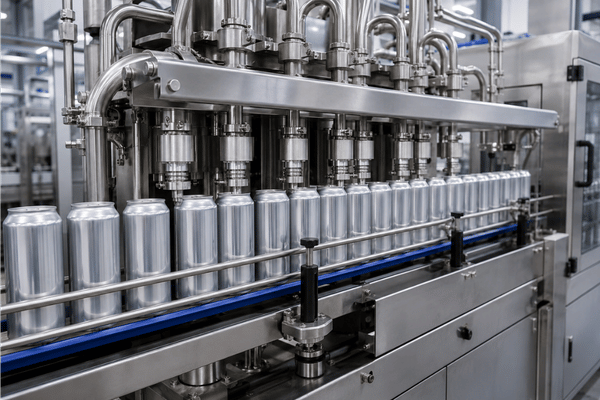
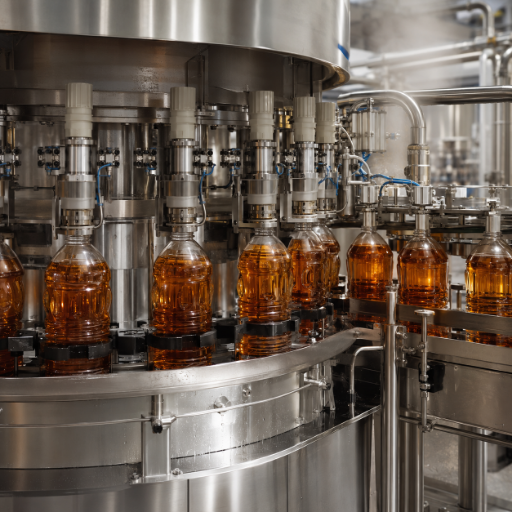
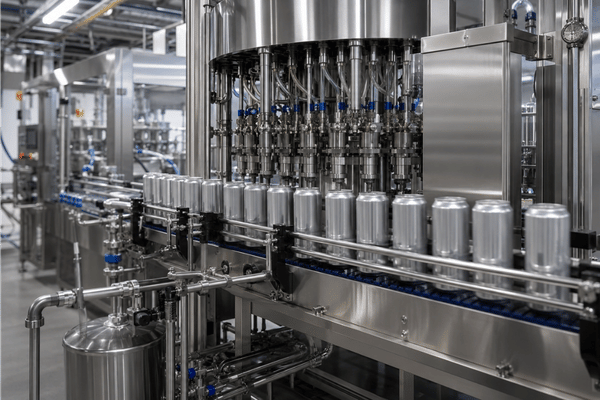

Capacité2 000 – 36 000 BPH
FormatsPET · verre · canettes en aluminium
Technologie de remplissageIsobare / 3-en-1
Système d’eau0,5 – 50 T/H RO
Garantie2 ans (toutes les pièces)
Délai de livraison60 – 120 jours
De l’eau RO à la bouteille capsulée : comment une ligne intégrée résout le problème d’embouteillage des CSD
Les clients qui achètent une ligne de boissons gazeuses auprès de plusieurs investisseurs découvrent souvent le véritable coût de l’intégration au moment de la mise en service, et non lors du devis. La remplisseuse vient d’une usine, le carbonateur d’une deuxième, l’étiqueteuse d’une troisième, et le tunnel de réchauffage ne sera expédié qu’après l’ouverture d’une lettre de crédit avec une quatrième. Après six semaines de renvoi de responsabilités, la ligne varie encore de 0.3 vol de CO entre la remplisseuse et la capsule, car personne ne maîtrise la transition de la chaîne du froid.
Cause racine de la conception : le défaut d’interface (remplissage à froid à 4 C, couple de serrage des capsules, spécifications d’entrée du tunnel de réchauffage) n’avait jamais été conçu et co‑développé en interne. Les lignes clés en main d’un fournisseur unique co‑conçoivent ces interfaces dès le premier jour : température de scellage, pression de la roue d’extrusion de la capsuleuse, température de pulvérisation du tunnel de réchauffage, le tout préexpédié avec un seul test d’acceptation de production. C’est la ligne expédiée par Masstech, et les douze modules ci-dessous sont arrivés préintégrés, avec une seule nomenclature et un seul SAT.
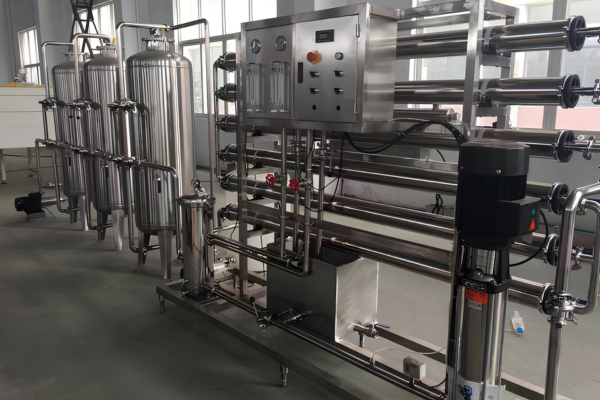
Traitement de l’eau RO
0,5–50 T/H, filtration multiétape, stérilisation à l’ozone et aux UV
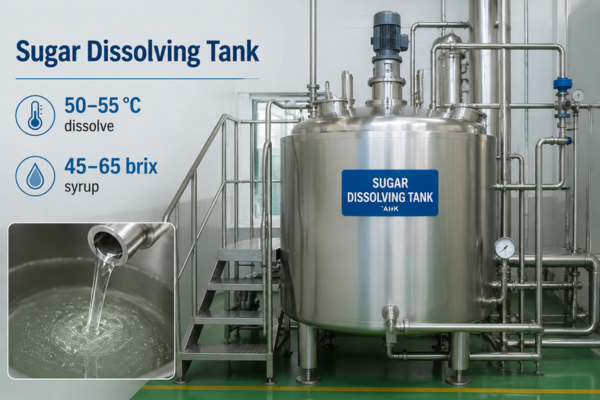
Cuve de dissolution du sucre
Dissolution à 50–55 °C pour obtenir un sirop de 45–65 brix
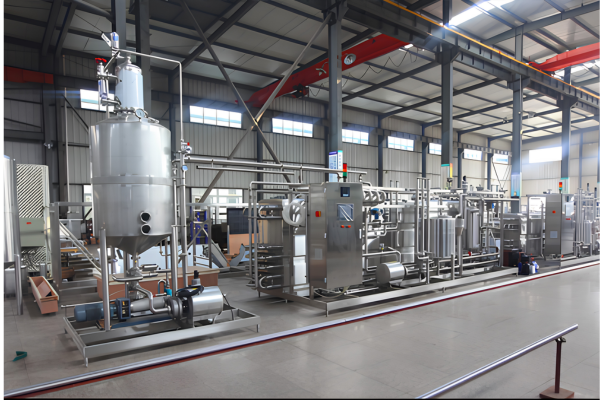
Mélange des ingrédients
Édulcorants, arômes, colorants et acidifiants dans la cuve de standardisation

Refroidisseur à plaques
Boisson refroidie à 4 °C pour une carbonatation à faibles pertes
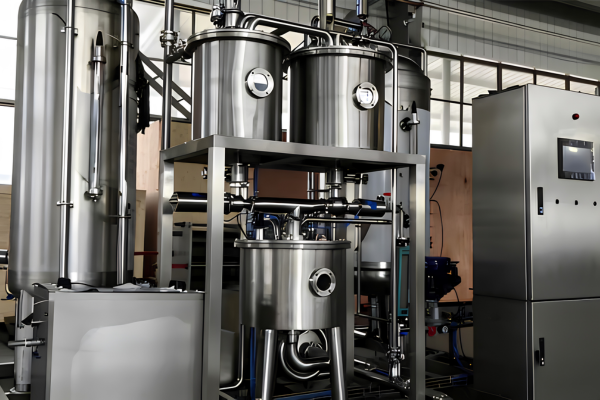
Mélangeur de carbonatation
Injection de CO₂ par mélangeur statique, précision du dosage de ±5‰

Remplisseuse isobare (3-en-1)
Monobloc rinceuse-remplisseuse-capsuleuse, vanne mécanique ou électronique
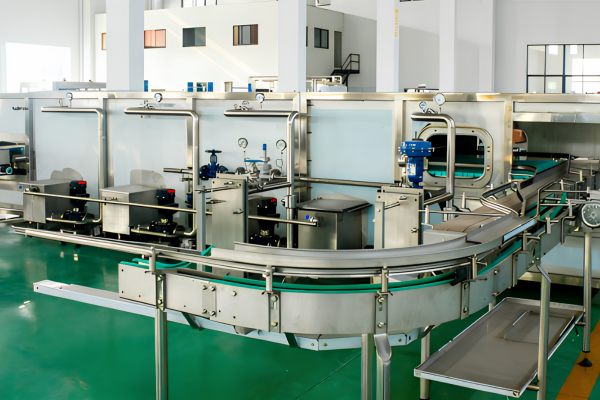
Réchauffeur de bouteilles
Tunnel de pulvérisation d’eau chaude, sortie à 30–35 °C pour le conditionnement en aval

Étiqueteuse
Manchon, thermofusible ou auto-adhésif — tête interchangeable
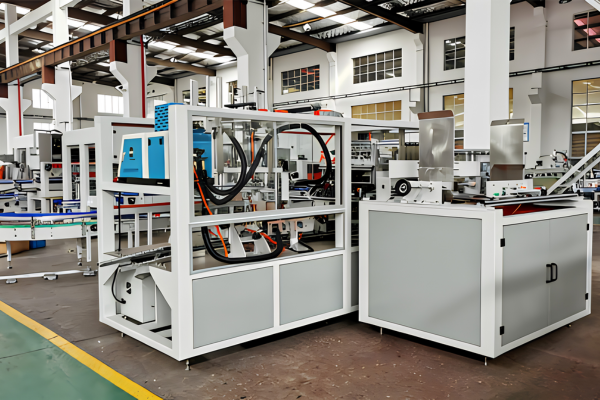
Encaisseuse et palettiseur
Film PE rétractable, demi-plateau ou carton ; palettiseur automatique en option
Modèles de lignes de production CSD Masstech — configurations PET, verre et canettes
Le choix de votre modèle commence par l’adéquation entre la capacité et le plan d’affaires, et non par le nombre de BPH le plus élevé que vous puissiez trouver. Selon les conseils du secteur (Datong Machinery, 2026), dimensionnez la capacité à 20-30 % au-dessus de votre projection pour l’année 2 : assez petite pour maîtriser les dépenses d’investissement (CAPEX), mais assez grande pour accompagner trois années de croissance sans modernisation ultérieure. Ci-dessous, la matrice de décision met en correspondance la production quotidienne et le niveau de budget avec un modèle Masstech, afin que les marques régionales comme nationales puissent identifier le bon point de départ pour la première année.
Matrice de décision — capacité × format × niveau
| Production annuelle (équivalent 250 mL). | BPH à 500 mL | Format recommandé | Modèle Masstech | Niveau de dépenses d’investissement |
|---|---|---|---|---|
| ≤ 25 M bouteilles/an | 3 500 – 4 000 | PET (économique) | DC GF 16-12-6 | Basique |
| 25 – 50 M | 4 500 – 6 000 | PET ou verre (premium) | DC GF 18-18-6 | Basique / intermédiaire |
| 50 – 100 M | 8 000 – 12 000 | PET / verre / canette | DC GF 24-24-8 | Intermédiaire |
| 100 – 150 M | 12 000 – 14 000 | Combiné multiformat | DC GF 32-32-10 | Intermédiaire / élevé |
| 150 M+ | 15 000 – 36 000 | Bloc combiné à grande vitesse | DC GF 40-40-12 / 4-en-1 36K | Élevé |
La série de remplisseuses PET utilise la même convention de dénomination DC GF standard que les plateformes OEM génériques de Zhangjiagang ; tout ingénieur ayant visité king-machine.com ou t-dc.com comprendra donc intuitivement le format et la logique d’interchangeabilité des pièces. Les spécifications mécaniques de chaque modèle — diamètre de bouteille, pression de remplissage, consommation électrique totale et encombrement — sont présentées sous forme de tableau ci-dessous afin de réduire le délai de traitement des RFQ de plusieurs semaines à quelques jours.
Matrice de spécifications des remplisseuses de bouteilles PET (série DC GF)
| Modèle | BPH (500 mL) | Ø de la bouteille | Hauteur de bouteille | Pression de remplissage | Puissance | Encombrement | Poids |
|---|---|---|---|---|---|---|---|
| DC GF 16-12-6 | 3 500 – 4 000 | 50 – 108 mm | 150 – 310 mm | < 0,4 MPa | 4,24 kW | 2,1 × 1,6 m | 2 500 kg |
| DC GF 18-18-6 | 4 500 – 6 000 | 50 – 108 mm | 150 – 310 mm | < 0,4 MPa | 5,03 kW | 2,45 × 1,8 m | 3 500 kg |
| DC GF 24-24-8 | 8 000 – 12 000 | 50 – 108 mm | 150 – 310 mm | < 0,4 MPa | 6,57 kW | 2,5 × 2,1 m | 4 500 kg |
| DC GF 32-32-10 | 12 000 – 14 000 | 50 – 108 mm | 150 – 310 mm | < 0,4 MPa | 8,63 kW | 3,5 × 2,3 m | 6 000 kg |
| DC GF 40-40-12 | 15 000 – 18 000 | 50 – 108 mm | 150 – 310 mm | < 0,4 MPa | 9,63 kW | 4,0 × 3,0 m | 8 000 kg |

Configuration de la série verre
Les fabricants de CSD en bouteilles en verre (ateliers de sodas artisanaux, marques de prémix haut de gamme, conditionneurs à façon lançant plusieurs références) exigent généralement une tolérance accrue sur le volume des bouteilles et davantage d’options de remplissage (4). La série verre accepte des bouteilles de 200-2000 mL et permet des profils de remplissage par vanne mécanique, débitmètre, poids ou niveau laser, adaptés à la viscosité d’écoulement et aux exigences de fidélité visuelle du niveau. La conception mécanique traite la gestion du couple de la capsuleuse et les difficultés de pression de rinçage, tandis que les niveaux de BPH suivent précisément ceux de la série PET pour la planification de la capacité.
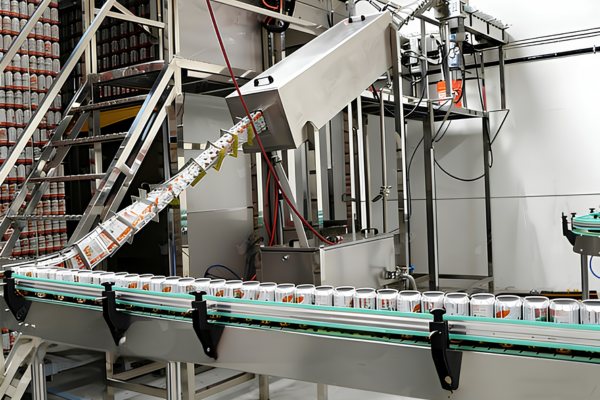
Intégration des canettes en aluminium
Les configurations CSD en canettes d’aluminium utilisent un bloc remplisseuse-sertisseuse au lieu du triplet rinceuse-remplisseuse-capsuleuse, avec des niveaux de capacité de 4 000 à 24 000 CPH et une qualité de double sertissage confirmée lors du FAT avant expédition. Les lignes pour canettes conviennent aux cocktails prêts à boire, aux boissons énergisantes et aux marques artisanales pétillantes recherchant un emballage de vente au détail recyclable et léger.
Matrice de spécifications des remplisseuses de bouteilles en verre
| Modèle | BPH (500 mL) | Volume de la bouteille | Hauteur de bouteille | Air comprimé | Puissance | Encombrement | Poids |
|---|---|---|---|---|---|---|---|
| 2016/12/6 | 3 500 – 4 000 | 200 – 2 000 mL | 160 – 320 mm | 0,3 – 0,7 MPa | 4,61 kW | 2,5 × 1,9 m | 3 200 kg |
| 18-18-6 | 4 500 – 6 000 | 200 – 2 000 mL | 160 – 320 mm | 0,3 – 0,7 MPa | 4,61 kW | 2,8 × 2,15 m | 4 000 kg |
| 24-24-8 | 8 000 – 12 000 | 200 – 2 000 mL | 160 – 320 mm | 0,3 – 0,7 MPa | 5,41 kW | 3,1 × 2,5 m | 4 500 kg |
| 32-32-10 | 12 000 – 14 000 | 200 – 2 000 mL | 160 – 320 mm | 0,3 – 0,7 MPa | 6,41 kW | 3,8 × 2,8 m | 6 500 kg |
| 40-40-12 | 15 000 – 18 000 | 200 – 2 000 mL | 160 – 320 mm | 0,3 – 0,7 MPa | 9,63 kW | 4,5 × 3,3 m | 8 000 kg |
Isobare ou vanne mécanique, 3-en-1 ou machines autonomes — comparaison des technologies de remplissage
Une perte de carbonatation supérieure à 0.2 vol entre la remplisseuse et la capsuleuse est le défaut le plus coûteux de toute ligne CSD ; un soda fabriqué à 3.5+vol mais livré à 3.0 vol donne une boisson éventée. Les références du secteur, notamment ask.ifas.ufl.edu et les méthodes de l’ASBC, établissent 3.5 +vol comme cible standard des boissons gazeuses, tandis que 4,0-4.5vol indique un cola très effervescent. Maintenir ce seuil de la sortie de la remplisseuse à la fermeture de la capsuleuse est le défi de conception résolu par la comparaison ci-dessous.
Monobloc 3-en-1 contre trois machines autonomes
| Dimension | Monobloc 3-en-1 | Trois machines autonomes |
|---|---|---|
| Encombrement | 2,1 – 4,0 m × 1,6 – 3,0 m (un châssis) | Environ 3 × l’encombrement du monobloc, plus les convoyeurs intermachines |
| Étapes de manutention des bouteilles | 1 prise, 1 libération | 3 prises, 3 libérations (risque de contamination accru) |
| Perte de carbonatation (rinçage → capsule) | ≤ 0.1 vol typique | 0,2 – 0,4 vol typique (interfaces à l’air libre) |
| Durée du cycle CIP | Un seul circuit, 25–40 min | Trois circuits, 60–90 min |
| Effectif des opérateurs de ligne | 1 – 2 | 3 – 5 |
| Application idéale | Producteur de CSD dédié ≤ 36 000 BPH | Conditionneurs à façon multi-produits au-dessus de 50 000 BPH |
Le mécanisme de vanne de la remplisseuse détermine la précision et les valeurs adaptées aux différentes viscosités des produits et aux niveaux de CO. Les remplisseuses à vanne mécanique sont optimales pour les sodas courants et l’eau gazeuse à viscosité prévisible ; les remplisseuses à vanne électronique et à débitmètre conviennent à une production multi-références lorsqu’une même ligne traite un soda citron-citron vert ainsi qu’un soda à la crème légèrement plus visqueux au cours du même poste.
Compromis des technologies de vannes de remplissage
| Type de vanne | Mode de remplissage | Précision | Idéal pour | Compromis |
|---|---|---|---|---|
| Vanne mécanique | Contre-pression isobare | Hauteur de remplissage ±2 mm | CSD à recette unique, verre + PET | Changement de format plus lent |
| Vanne électronique | Isobare, temporisée par API | ±1,5 mm | Multi-références, mémoire des recettes | Dépenses d’investissement plus élevées |
| Débitmètre | Volumétrique, débit magnétique | ±0,5 % du volume | Boissons énergisantes à forte valeur | Sensible à l’entraînement de bulles |
| Par pesée | Mesure par cellule de charge | ±1 g | Verre premium avec étiquettes de poids net réglementaire | BPH maximal plus faible |
| Niveau laser | Détection optique de la surface | Homogénéité visuelle du niveau de remplissage | Verre premium avec esthétique de bouteille transparente | Sensible à la dynamique de la mousse |
« Nous utilisons la cinématique italienne Arol pour les roues d’extrusion de nos capsuleuses et des roulements anticorrosion allemands IGUS pour les goulottes de manutention des bouteilles. Nous ne le faisons pas pour des raisons de marque ; ces deux interfaces représentent 80 % des problèmes de garantie lors du démarrage de nos lignes CSD depuis 16 ans. Concevez correctement ces deux éléments, et une remplisseuse Masstech n’est plus qu’un réseau de tuyauteries et de raccords. »
Vous convertissez les spécifications isobares de votre ligne actuelle ?
Planifiez une session technique de remplissage 1 à 1 avec un ingénieur MasstechRésultats obtenus par les clients — usines neuves, extensions de capacité et mises à niveau multiformats
Trois profils distincts d’acheteurs cibles déterminent la plupart des choix d’acquisition d’une ligne CSD, chacun ayant sa propre définition d’un « résultat réussi ». Un fabricant de sodas en démarrage a besoin d’une ligne opérationnelle produisant des produits à mettre en rayon dès le premier jour. Un embouteilleur régional qui acquiert une deuxième référence a besoin d’une nouvelle ligne s’intégrant aux utilités et aux systèmes CIP existants sans perturber l’exploitation actuelle. Un fournisseur national de boissons gazeuses qui se lance dans des références de luxe en bouteilles de verre souhaite l’interchangeabilité des formats et un fournisseur unique couvrant les deux formats.
Niveau basique

Démarrage sur site vierge
Marque régionale de CSD lançant sa première référence à 3 500-7 000 BPH en PET, avec une ligne comprenant le traitement de l’eau RO, le carbonateur et l’étiqueteuse, opérationnelle dans les 90 jours suivant la conception. La formation des opérateurs sur site se déroule pendant deux semaines au cours de la mise en service. Le SAT est signé à 95 % des BPH nets et démontre un retour de CO inférieur à 0.15 vol entre la remplisseuse et la capsule.
Niveau intermédiaire
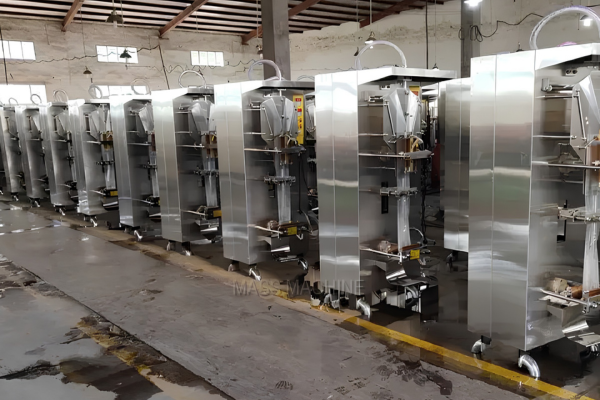
Extension de capacité
Embouteilleur actuel passant à 12 000-18 000 BPH sur une deuxième ligne PET. Masstech respecte la chimie du détergent CIP, la tension électrique et les conventions d’orientation des étiquettes de la ligne existante afin de réduire la nouvelle formation des opérateurs. La machine est opérationnelle dans le délai d’arrêt programmé.
Niveau élevé
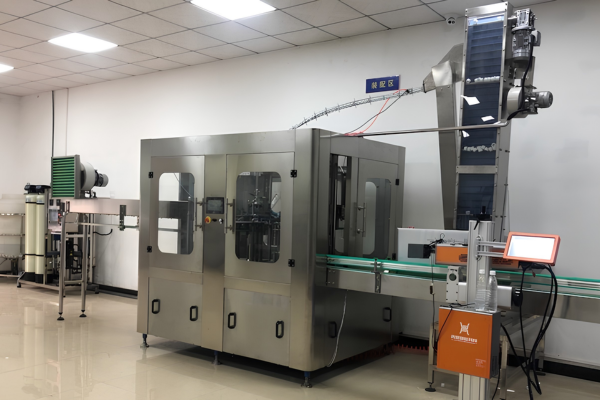
Mise à niveau multiformat
Marque nationale de boissons gazeuses lançant une référence SPBS de luxe en parallèle de sa production PET existante. Une seule commande Masstech pour la remplisseuse PET, la remplisseuse verre, le CIP commun et l’API partagé. Une seule équipe de mise en service, un accord de garantie et un magasin de pièces de rechange.
Profil de performance et de durabilité (fiche de référence bronze)
Les lignes CSD Masstech atteignent généralement plus de 90 % de disponibilité après une courbe d’apprentissage de 4 semaines et maintiennent en fin de parcours la rétention du CO à travers la capsuleuse selon les standards de maintien du volume cible pour les colas, l’eau gazeuse et les boissons énergisantes. Le ROI exact dépend des coûts des utilités, de la formule du sirop et du taux de main-d’œuvre ; demandez-nous une analyse de retour personnalisée fondée sur vos BPH, vos hypothèses d’OPEX et votre marge cible.
Vous avez besoin d’un modèle de retour adapté à votre volume ?
Demandez un rapport ROI personnalisé fondé sur vos BPH et votre profil de coûts des utilitésQualité, sécurité et conformité — composants de qualité CE / ISO / 3-A / FDA
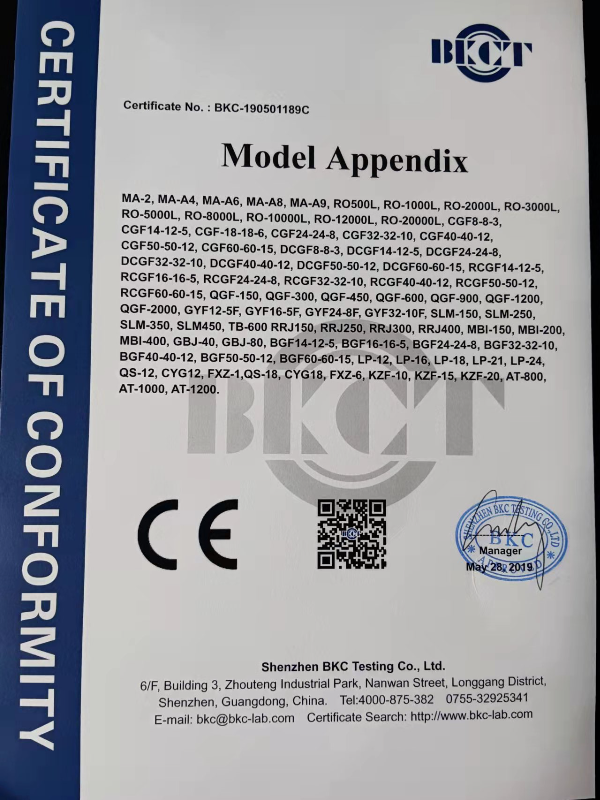
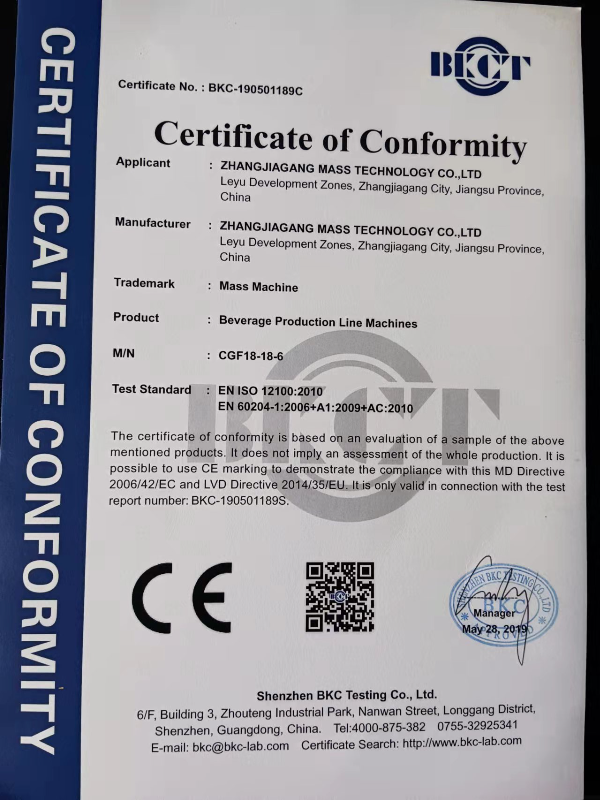
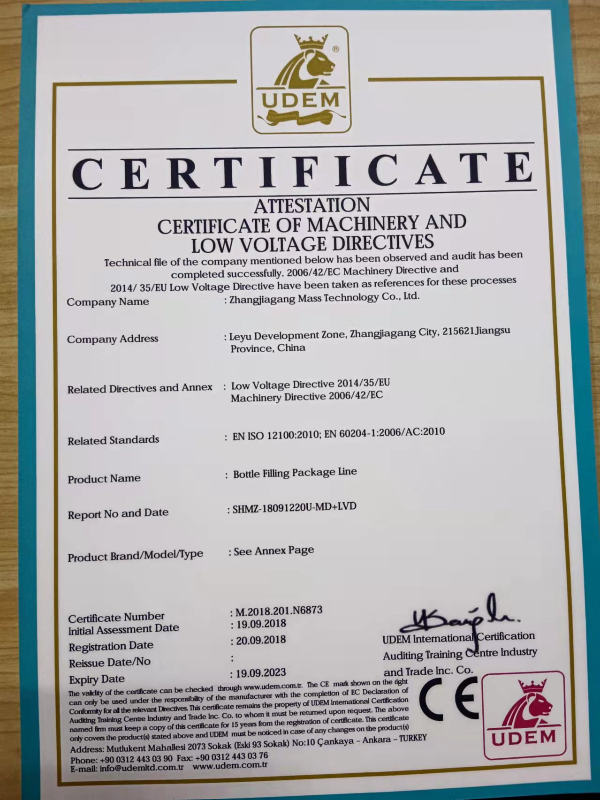
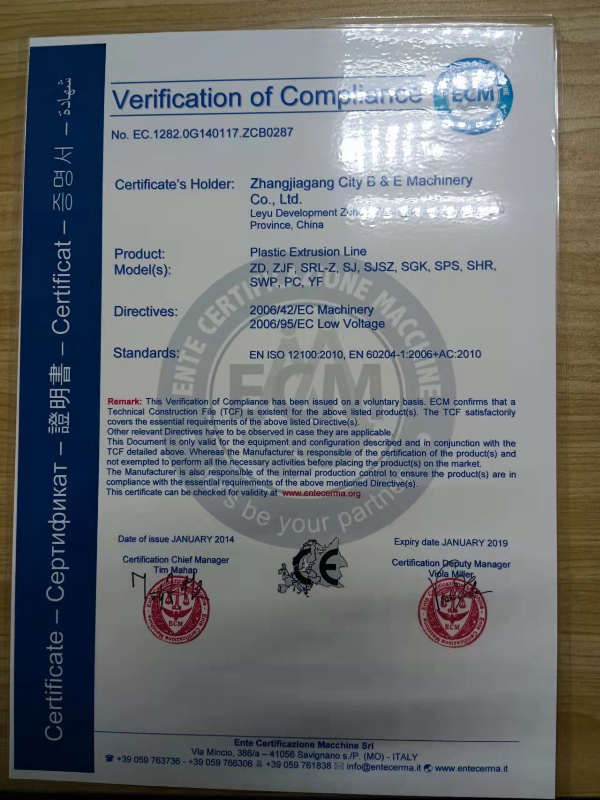
La longévité des équipements du procédé de remplissage de boissons dépend de spécifications d’hygiène des surfaces propres aux aliments, définies par les normes sanitaires 3-A SSI, les recommandations de conception hygiénique EHEDG et les réglementations FDA 21 CFR relatives au contact alimentaire. L’exigence la plus citée dans l’ensemble de ces corpus publiés est une rugosité de surface de l’acier inoxydable de Ra 0,8 m sur toutes les zones en contact avec le produit, validée par profilomètre lors du FAT et non négociable dans tout audit de conformité des boissons.
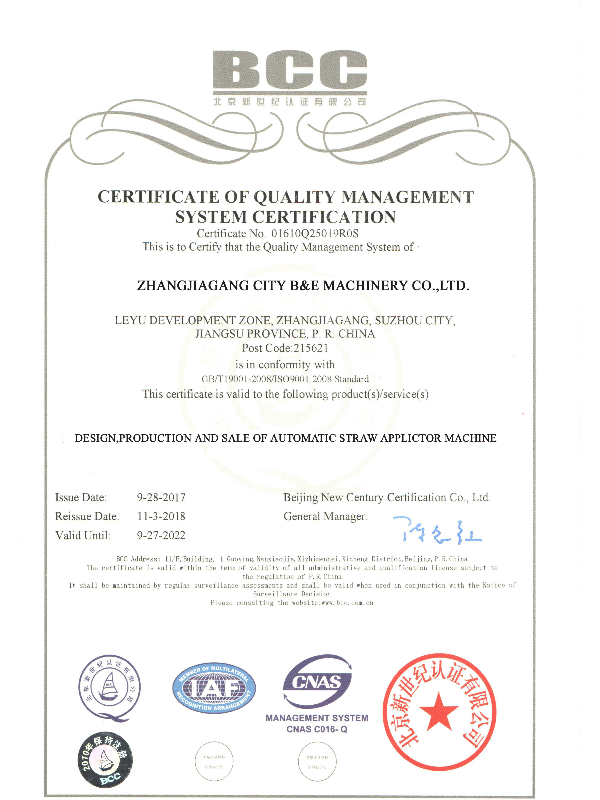
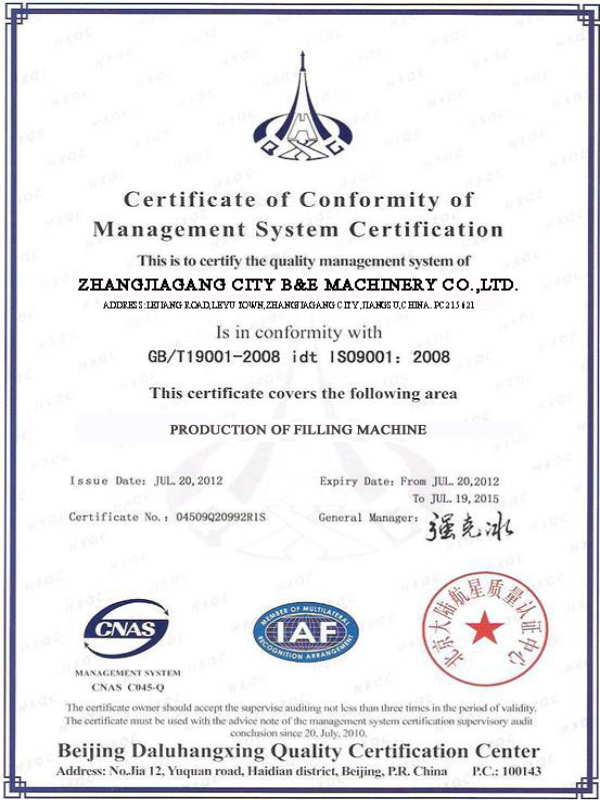
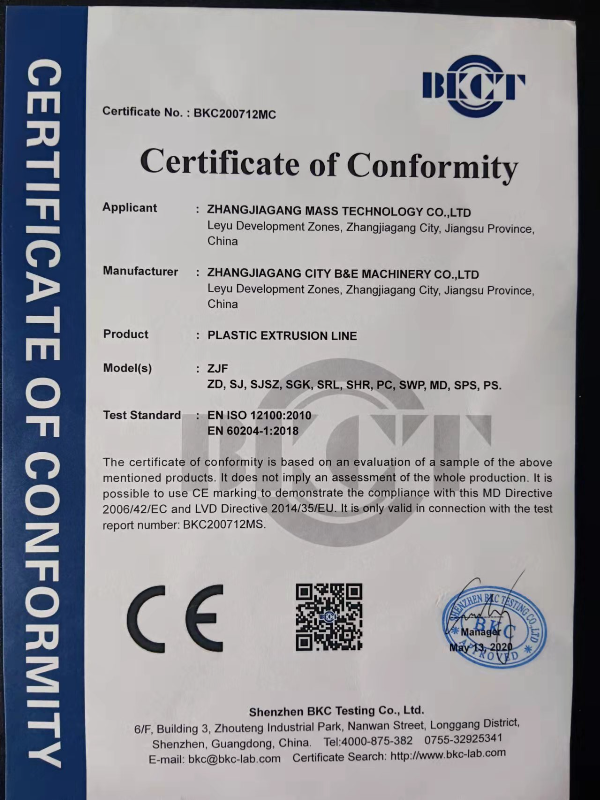
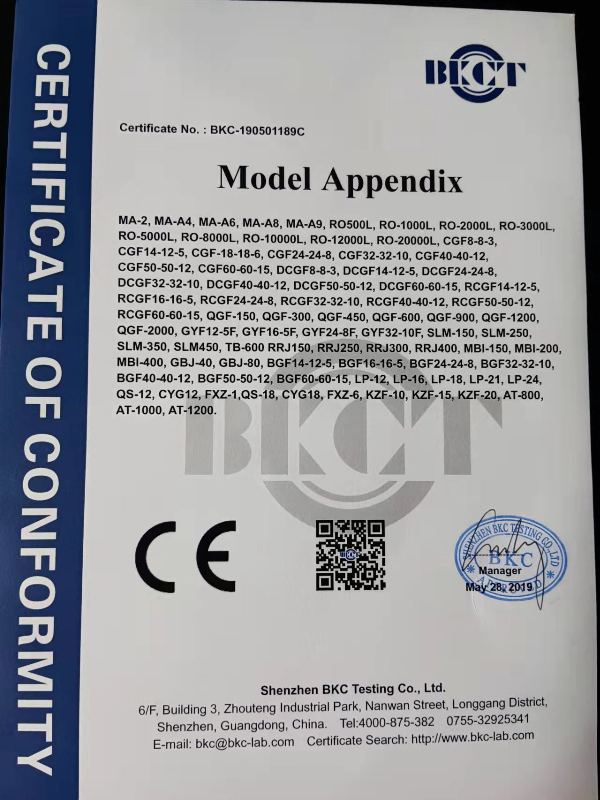
Marquage CE
Directive européenne Machines 2006/42/EC
ISO 9001
Système de management de la qualité pour la fabrication
3-A SSI
Conception d’équipements sanitaires
FDA 21 CFR
Matériaux au contact des aliments
SS 304 / 316L
Acier inoxydable en contact avec le produit
Ra de surface ≤ 0,8 μm
Vérifié par FAT à la livraison
Spécification de finition de surface
Indication de finition de surface : toutes les pièces en contact avec le produit des lignes CSD Masstech sont livrées avec une finition électropolie Ra ≤ 0,8 μm en SS 304 (standard) ou SS 316L (boissons riches en chlorures ou en acide citrique). Les rapports de vérification au profilomètre sont inclus dans le dossier documentaire FAT ; les acheteurs peuvent les comparer à toute référence 3-A SSI ou EHEDG avant la réception finale.
Automatisation et contrôle qualité
Les API de commande (Siemens ou Mitsubishi en standard, Allen-Bradley en option) intègrent des voyants d’alarme, une mémoire de programmes pour les profils multi-références et des documents de fin de cycle CIP répondant à la plupart des exigences d’audit des distributeurs. Le contrôle qualité se déroule dans trois stations officielles : vérification des matériaux livrés, audit en cours de fabrication de la finition de l’acier inoxydable, FAT dans l’usine de Zhangjiagang et SAT sur le site du client lors de la réception.
Investissement dans une ligne de production CSD — tarification par niveau, délais, paiement et service après-vente
À l’origine de tous les retards des projets de lignes CSD, les acheteurs consacrent les six premières semaines d’une RFQ à comprendre où leur argent est réellement affecté dans la hiérarchie des fournisseurs. Les références sectorielles publiées par Datong Machinery (guide 2026), financialmodelslab.com et la ventilation des coûts d’usine d’IMARC convergent vers trois niveaux de dépenses d’investissement présentés ici, afin d’éclairer les attentes concernant les RFQ personnalisées par rapport aux devis Masstech standard.
Référence tarifaire par niveau — ligne de production CSD (FOB Chine, 2024–2025)
| Niveau | Capacité | Fourchette en USD (indicative) | Configuration type |
|---|---|---|---|
| Basique | 2 000 – 6 000 BPH PET | $80 000 – $250 000 | Traitement de l’eau RO + monobloc 3-en-1 + étiqueteuse standard + encartonnage manuel |
| Intermédiaire | 6 000 – 12 000 BPH PET / verre | $250 000 – $600 000 | RO complet + mélangeur de carbonatation + remplisseuse isobare 3-en-1 + tunnel de réchauffage + étiqueteuse automatique + fardeleuse |
| Élevé | 12 000 – 36 000 BPH combiné multiformat | $600 000 – $1 500 000+ | Bloc combiné multi-références + intégration soufflage-remplissage-capsulage + palettiseur automatique + intégration MES |
Les conventions de dénomination du fabricant, les normes électriques et la configuration sur site dépendent de la spécification personnalisée de l’acheteur ; les fourchettes indicatives propres au projet sont vérifiées par rapport à trois sources sectorielles publiées (guide 2026 de datong machinery.com, estimation des machines principales de financialmodelslab et ventilation des coûts d’usine d’IMARC). Le devis final dépend du type de bouteille, de la capacité en BPH, de la norme électrique et du périmètre du service après-vente. Demandez un devis adapté à vos besoins.
Les délais d’approvisionnement paraissent redoutables sur le papier, mais se divisent en segments plus faciles à gérer lorsqu’ils sont éprouvés sur le terrain. Voici le calendrier en cinq étapes correspondant à une livraison Masstech complète pour les projets sur site vierge, l’étape 3 (production) constituant la période la plus complexe et l’étape 5 (réception finale) marquant le jalon du paiement suivant.
RFQ et devis
1 – 2 semaines
Commande et acompte de 30 %
1 semaine
Production et FAT
60 – 120 jours
Expédition et douane
30 – 45 jours
Installation sur site et SAT
~30 jours
Les conditions de facturation font partie intégrante des équipements de boissons à l’international : 30 % d’acompte à la signature du contrat, 70 % contre les documents d’expédition ou à l’achèvement du FAT ; LC et TT sont tous deux possibles. La garantie standard couvre la fabrication des pièces pendant deux ans à compter de la date du SAT, un délai de réponse de 24 heures pour la garantie des pièces assure le diagnostic à distance ou le rappel, et les pièces sont expédiées par coursier depuis l’usine sous cinq jours ouvrés après accusé de réception de la commande.
Cinq pièges d’approvisionnement à vérifier avant de signer
01
Le choix d’un fournisseur de lignes à bas coût peut coûter plus cher à long terme si la conception cinématique de la capsuleuse, la technologie des roulements ou la sauvegarde de l’API sont négligées : les coûts de maintenance se paient sous forme de pannes dans les 18 mois suivant la mise en service.
02
Avec plusieurs fournisseurs, vous avez besoin d’acheteurs expérimentés pour mener pendant quatre semaines un déminage des problèmes d’installation croisée lorsque la rétention nette du CO varie entre des partenaires peu coopératifs.
03
Le délai de réponse du service après-vente doit faire l’objet d’un SLA écrit : une promesse de « réponse sous 24 heures » sans logistique de pièces n’est qu’une réponse automatique par e-mail.
04
Sauter le FAT et le SAT empêche de valider les performances dans l’usine du fournisseur puis sur votre site : toute signature sans SAT sur site relève du souhait, pas du contrat.
05
Penser uniquement aux dépenses d’investissement : l’énergie, le sirop et les consommables dominent le TCO sur les 10 ans de vie d’une ligne ; demandez la fiche technique en kWh/BPH, pas le prix affiché.
Dénomination des machines de remplissage entre fournisseurs — comparaison du DC GF de Masstech avec Sagitta, Pegasus et Master PET
Les équipes achats qui comparent Masstech à Comac, Sunswell, IBC Machine ou Reliable Machine perdent des jours à rapprocher des codes modèles propres à chaque fournisseur, qui décrivent souvent le même niveau de capacité sous-jacent. La matrice de référence entre fournisseurs ci-dessous met en correspondance six fournisseurs courants de machines de remplissage CSD et quatre concepts pertinents pour les achats, afin que les cycles de comparaison des RFQ se concentrent sur les différences réelles de performance plutôt que sur les variations de dénomination.
| Fournisseur | Dénomination du niveau de capacité | Technologie de remplissage | Points forts par format | Capsulage principal |
|---|---|---|---|---|
| Masstech | Série DC GF (PET) / 2016-12-6 (verre) | Contre-pression isobare / vanne mécanique ou électronique |
PET
Verre
Canette
|
Capsule plastique et aluminium, capsuleuse dérivée d’Arol (Italie) |
| King Machine | DXGF / combiné 4-en-1 | Isobare / 3-en-1 / 4-en-1 |
PET
Verre
|
Plastique + aluminium |
| Comac | Sagitta / Pegasus / Master PET / Microbrew | Contre-pression / contre-pression |
PET
Verre
Canette
|
Capsule couronne + plastique + sertisseuse de canettes |
| Sunswell | Combi-bloc + machine de remplissage CSD | Isobare |
PET
Verre
Canette
|
Plastique + capsule couronne + sertisseuse |
| IBC Machine | Mélangeur de carbonatation + remplisseuse isobare | Contre-pression isobare |
PET
Verre
|
Plastique + capsule couronne |
| Reliable Machine | Série de machines de remplissage CSD | Isobare / vanne mécanique |
PET
Verre
|
Plastique + aluminium |
Les conventions de dénomination varient selon le fabricant ; les capacités et configurations exactes sont propres à chaque fournisseur. Cette matrice est une aide à l’approvisionnement, pas une affirmation d’équivalence : deux fournisseurs utilisant le même libellé de niveau de capacité peuvent différer de 20 % en débit réellement soutenu une fois la viscosité du sirop et la cible de CO prises en compte.
Pour les acheteurs menant des RFQ en parallèle, la matrice réduit les réunions de présélection des fournisseurs, qui passent de « décoder les codes modèles » à « comparer les contrats de performance réels » — c’est sur ce terrain que la garantie Masstech de 2 ans sur toutes les pièces, le SLA d’ingénieur sous 24 heures et l’engagement de livraison des pièces sous 5 jours l’emportent à comparaison équivalente.
Examiner les contrats de performanceUtilitaires d’ingénierie de précision — calculateurs pour lignes de production CSD
Estimateur de devis par niveau
Calculez instantanément les estimations de référence des dépenses d’investissement (CAPEX) pour des lignes de remplissage de CSD de niveaux basique, intermédiaire et haut de gamme, selon vos besoins en BPH.
Lancer l’estimateur
Sélecteur de volumes de CO2
Outil technique pour déterminer les niveaux de saturation en carbonatation et les réglages du mélangeur selon le type de boisson et la température.
Sélectionner le volume
Estimateur de surface au sol
Planifiez l’agencement de votre usine à partir des besoins indicatifs en surface pour l’intégration de lignes complètes assurant le soufflage, le remplissage, le bouchage, l’étiquetage et le conditionnement.
Estimer la surface
FAQ — achat d’une ligne de production de CSD
Dimensionnez la ligne 20-30 % au-dessus de vos prévisions de l’année 2 : assez petite pour maîtriser les dépenses d’investissement (CAPEX), mais assez grande pour absorber trois années de croissance sans modification ultérieure. Les start-up visant 3 000-5 000 BPH la première année devraient spécifier une ligne de 6 000-8 000 BPH : doubler la capacité plus tard coûte 60-80 % de l’investissement initial.
Le PET l’emporte sur le coût unitaire et le poids d’expédition, le verre sur la présence en rayon et le positionnement haut de gamme, et la canette sur l’argumentaire de durabilité et les formats nomades. De nombreuses marques exploitent deux formats sur une combi multiformat afin de couvrir à la fois les circuits de la vente au détail et de la restauration.
Le monobloc 3-en-1 réduit l’encombrement au sol, ramène les pertes de CO à moins de 0.1 vol et effectue le CIP sur un seul circuit : c’est le choix adapté aux producteurs de CSD dédiés jusqu’à 36 000 BPH. Des machines séparées de rinçage, de remplissage et de bouchage conviennent aux conditionneurs à façon multi-produits au-delà de 50 000 BPH, lorsque la flexibilité de rééquilibrage de la ligne prime sur l’intégration étroite.
Les boissons gazeuses et les colas standard visent 3.5+ vol de CO ; les eaux gazeuses et le tonic se situent à 3,0-3,5 vol ; les boissons fonctionnelles légèrement pétillantes fonctionnent à 2,0-3,0 vol ; les boissons énergétiques très effervescentes ou les colas classiques atteignent 4,0-4,5 vol. Le volume cible détermine la capacité du refroidisseur du carbonateur et le réglage de la contre-pression de la remplisseuse isobare.
Les lignes de niveau basique à 4 000 BPH tiennent sur environ 200-300 m, y compris le traitement de l’eau, le local sirop, la remplisseuse, le réchauffeur et le conditionnement. Les installations de niveau intermédiaire à 12 000 BPH nécessitent 400-600 m. Les blocs combi haut de gamme de 24 000+ BPH exigent 800-1 200 m, plus les locaux techniques.
La fabrication dure 60-120 jours selon la personnalisation, le transport ajoute 30-45 jours et l’installation sur site, avec le SAT, prend un mois supplémentaire : prévoyez 4-6 mois entre le PO et la première production commerciale. En Chine, les fourchettes indicatives FOB sont de $80K-$250K pour le niveau basique, de $250K-$600K pour le niveau intermédiaire et de $600K-$1.5M+ pour le niveau haut.
La livraison standard comprend le marquage CE pour l’importation dans l’UE, les dossiers qualité ISO 9001, les composants en contact avec les aliments conformes à la FDA 21 CFR et une finition de surface Ra 0,8 m en SS 304 (316L sur demande), vérifiée lors du FAT. Les certifications spécifiques supplémentaires demandées par l’acheteur, par exemple l’enregistrement 3-A SSI ou l’enregistrement local de sécurité alimentaire, seront ajoutées au devis.
Les références de coûts d’usine du secteur (IMARC, financial-models lab) prévoient une marge brute de 40-50 % et un résultat net de 15-25 % sur l’exploitation CSD, avec un seuil de rentabilité de 1,5-3 ans à pleine capacité. La période exacte de retour sur investissement dépend des coûts des utilités, de la recette du sirop, du format d’étiquette et du prix de vente au détail en rayon à convenir.