Entrez en contact avec Masstech
★★★★★
Fabricant vérifié
Machine de remplissage de bonbonnes d’eau de 5 gallons — équipement d’embouteillage 100-1200 BPH pour eau en bonbonnes de 18,9L | Mass
Les machines de remplissage de bonbonnes d’eau de 5 gallons transforment les bonbonnes PET consignées de 18,9L en un cycle de production 3-en-1 — lavage, remplissage, bouchage — à un débit de 100 à 1 200 bouteilles par heure. Les lignes de la série QGF de Mass prennent en charge l’eau purifiée, l’eau minérale et l’eau distillée pour les opérateurs HOD, les marques d’eau minérale et les embouteilleurs à façon dans plus de 70 pays.
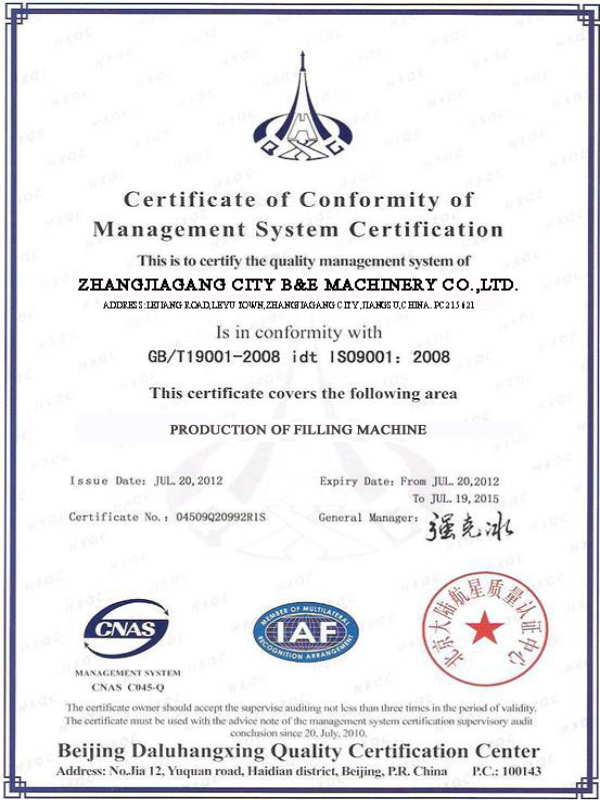
ISO 9001:2015
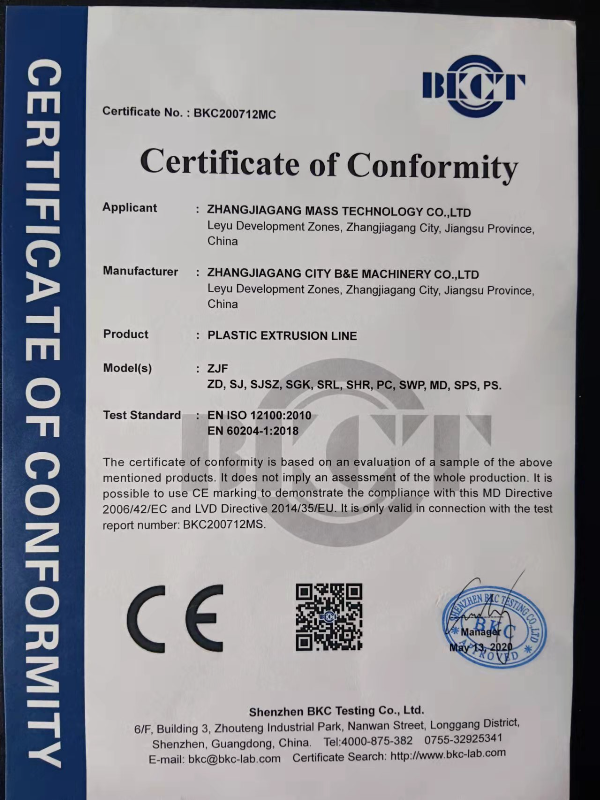
Certifié CE
Inspecté par SGS
Demander un devis personnalisé
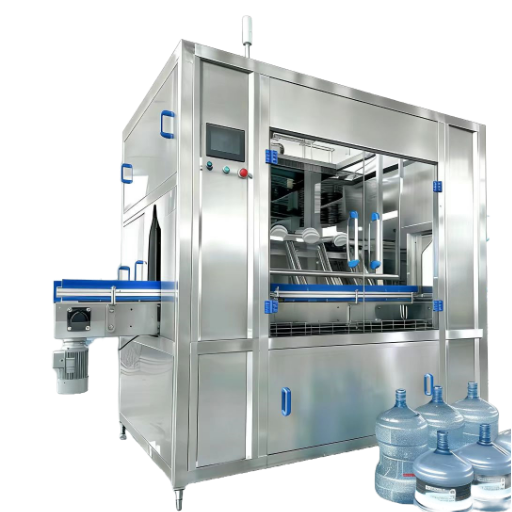
Résumé de la solution — série QGF 5 gallons
100-1 200
Plage de débit BPH pour 7 modèles
18,9L
Bonbonne PET de 5 gallons (également 19L / 20L)
3 modes
Vanne mécanique · débitmètre · positionnement laser
SS304
Construction en acier inoxydable
2 ans
Garantie + réponse d’un ingénieur sous 24 h
70+ pays
Installations mises en service sur site
Du transport au seau à 1 200 BPH — pourquoi les embouteilleurs de 5 gallons ont besoin de lignes de remplissage modernes
La demande d’eau en bonbonnes consignées de 5 gallons continue d’augmenter dans le circuit de livraison à domicile et au bureau (HOD). La consommation d’eau embouteillée aux États-Unis a atteint 16.2 milliards de gallons en 2024, soit une hausse de 2 % sur un an, tandis que la livraison à domicile et l’eau distribuée ont enregistré leur troisième année consécutive de croissance supérieure à celle des bouteilles individuelles.
Dans cette croissance, le segment des 5 gallons est le moteur : un format consigné à forte marge qui dépend d’un poids de remplissage constant, d’une hygiène de qualité alimentaire et d’un équipement fonctionnant sans contamination introduite par l’opérateur.
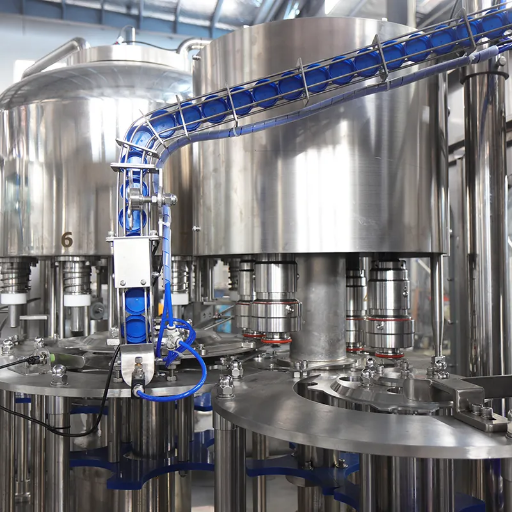
Le goulot d’étranglement
Les goulots d’étranglement se situent rarement à la source d’eau : ils se trouvent dans la ligne. Les installations manuelles et semi-manuelles plafonnent à 100 à 200 bonbonnes par poste, exposent chaque bonbonne à la contamination aéroportée et obligent les opérateurs à soulever des bonbonnes de 18,9L heure après heure. Elles restent aussi très en dessous des exigences sanitaires de la FDA 21 CFR 165.110, qui imposent aux usines d’eau embouteillée de respecter les bonnes pratiques actuelles de fabrication du 21 CFR Part 129.
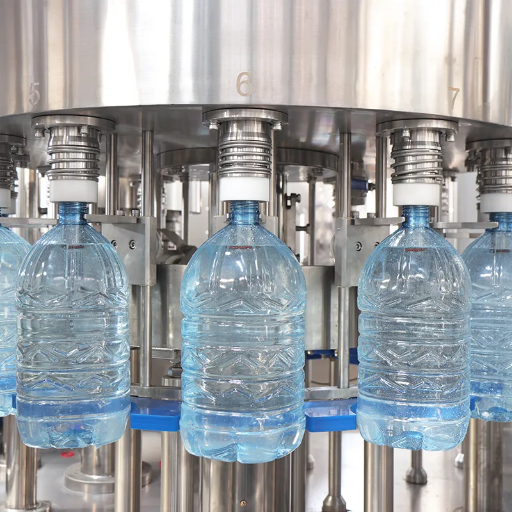
La solution automatisée
Une machine automatisée de remplissage d’eau en 5 gallons comble cet écart. Notre série QGF regroupe le débouchage, le brossage, le lavage en plusieurs étapes, la stérilisation, le remplissage, le bouchage, l’inspection lumineuse, la rétraction thermique et la palettisation sur une seule ligne — transformant une installation manuelle à quatre opérateurs en un cycle entièrement automatisé à deux personnes, fonctionnant de 100 à 1 200 BPH. Chaque bonbonne reste dans un circuit sanitaire fermé, du débouchage au bouchage, supprimant la voie de contamination secondaire qui détruit les revenus HOD récurrents lorsqu’un client détecte un goût anormal dans son refroidisseur.
Machines Mass de remplissage de bonbonnes d’eau de 5 gallons — 7 modèles de 100 BPH à 1 200 BPH
La série QGF couvre sept niveaux de capacité autour d’un encombrement commun pour bonbonne de 18,9L (Φ270 × 490 mm), afin que les exploitants puissent acheter ce dont ils ont besoin aujourd’hui puis passer à un modèle BPH supérieur sans reconcevoir les équipements environnants de traitement de l’eau, de soufflage et de palettisation.
Spécifications QGF en un coup d’œil
| Modèle | Capacité | Têtes de remplissage | Puissance totale | Emprise au sol | Hauteur | Poids | Pression d’air | Rinçage |
|---|---|---|---|---|---|---|---|---|
| QGF-100 | 100 BPH | 1 | ~1,5 kW | Compacte | 1,6 m | ~700 kg | 0,3-0,7 MPa | 0,37 m³/min |
| QGF-150 | 150 BPH | 1 | 1,75 kW | 2,5 × 1,1 m | 1,6 m | 800 kg | 0,3-0,7 MPa | 0,37 m³/min |
| QGF-240 | 240 BPH | 2 | ~2,8 kW | 3,5 × 1,4 m | 1,7 m | ~950 kg | 0,3-0,7 MPa | 0,37 m³/min |
| QGF-300 | 300 BPH | 2 | 3,8 kW | 3,9 × 1,5 m | 1,7 m | 1 100 kg | 0,3-0,7 MPa | 0,37 m³/min |
| QGF-450 | 450 BPH | 3 | 5,5 kW | 3,9 × 1,7 m | 1,7 m | 1 700 kg | 0,3-0,7 MPa | 0,37 m³/min |
| QGF-600 | 600 BPH | 4 | 7,5 kW | 4,0 × 2,1 m | 1,7 m | 2 500 kg | 0,3-0,7 MPa | 0,37 m³/min |
| QGF-900 | 900 BPH | 6 | 9,0 kW | 4,5 × 3,5 m | 3,2 m | 3 500 kg | 0,3-0,7 MPa | 0,37 m³/min |
| QGF-1200 | 1 200 BPH | 8 | ~12 kW | 5,0 × 3,8 m | 3,2 m | ~4 200 kg | 0,3-0,7 MPa | 0,37 m³/min |
Source : fiche technique Mass QGF, révision 2025.
La capacité de remplissage par cycle est de 10-20 L, ce qui permet au même châssis QGF de traiter les bonbonnes PET ou PC de 5 gallons (18,9 L), 19 L et 20 L sans changement de format mécanique. Les sept modèles partagent les mêmes pièces en contact avec le produit en SS304, la même géométrie de berceau pour bonbonne Φ270 × 490 mm et le même intervalle de maintenance : les opérateurs formés sur un QGF-300 peuvent donc utiliser un QGF-1200 dès sa livraison.
Matrice de décision QGF — quel modèle correspond à votre profil de production ?
Choisir une machine de remplissage d’eau en 5 gallons est rarement une simple question de BPH. L’emprise de l’usine, les heures quotidiennes de fonctionnement, la capacité de traitement de l’eau et la composition de la clientèle modifient la réponse. La matrice ci-dessous associe chaque modèle QGF aux profils de déploiement courants. Les valeurs de capacité sont nominales : des facteurs propres au site, comme la dureté de l’eau d’alimentation et les taux de retour des bonbonnes, peuvent faire varier le débit effectif de 8-12 %.
| Profil | QGF-100/150 | QGF-240/300 | QGF-450 | QGF-600 | QGF-900 | QGF-1200 |
|---|---|---|---|---|---|---|
| Opérateur HOD en démarrage (≤500 bonbonnes/jour) | Meilleur choix | Marge de capacité | — | — | — | — |
| Marque d’eau minérale à un poste (1,5-3K bonbonnes/jour) | — | Capacité juste | Meilleur choix | Marge de capacité | — | — |
| Distributeur HOD à deux postes (3-6K bonbonnes/jour) | — | — | Capacité juste | Meilleur choix | Marge de capacité | — |
| Embouteilleur à façon / marque distributeur (6-9K bonbonnes/jour) | — | — | — | Capacité juste | Meilleur choix | Marge de capacité |
| Parc industriel / approvisionnement municipal (9-12K bonbonnes/jour) | — | — | — | — | Capacité juste | Meilleur choix |
| Franchise multi-lignes / marque nationale (12K+ bonbonnes/jour) | — | — | — | — | — | Meilleur choix (en parallèle) |
Pour les opérateurs HOD soumis à des variations saisonnières (pics estivaux au Moyen-Orient, demande du ramadan en Asie du Sud-Est), la marge de capacité compte davantage que la ligne du meilleur choix. Un QGF-600 dimensionné pour 3K bonbonnes/jour à 60 % d’utilisation absorbe un pic estival de 50 % sans imposer un deuxième poste — une marge que la plupart des opérateurs perdent s’ils achètent uniquement selon le volume actuel.
Nous dimensionnerons la ligne en fonction de votre cycle de retour des bonbonnes, de votre capacité de traitement de l’eau et de votre courbe de charge saisonnière.
Bénéficier d’une consultation gratuite sur l’implantation de l’usine →Comment fonctionne une ligne d’embouteillage 3-en-1 pour 5 gallons — laver, remplir, boucher et plus
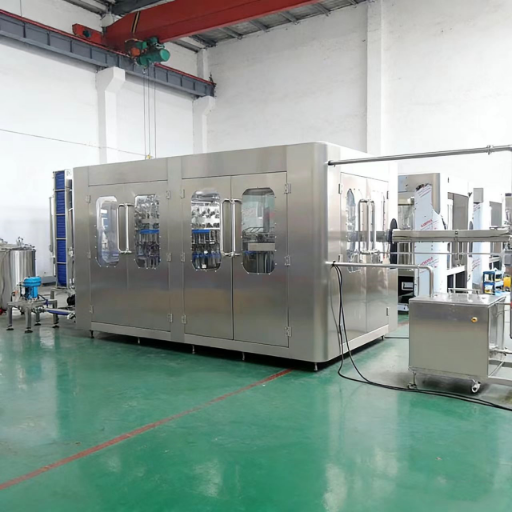
Une installation complète de remplissage d’eau en 5 gallons n’est jamais une unité unique. C’est un passage propre qui transporte une bonbonne retournée et utilisée du quai de chargement jusqu’à un emballage scellé, étiqueté et palettisé, prêt pour la vente, sans jamais exposer sa surface intérieure à l’air de l’atelier. Chaque ligne QGF relie dix modules de fonctionnement par un seul convoyeur :
01
Débouchage
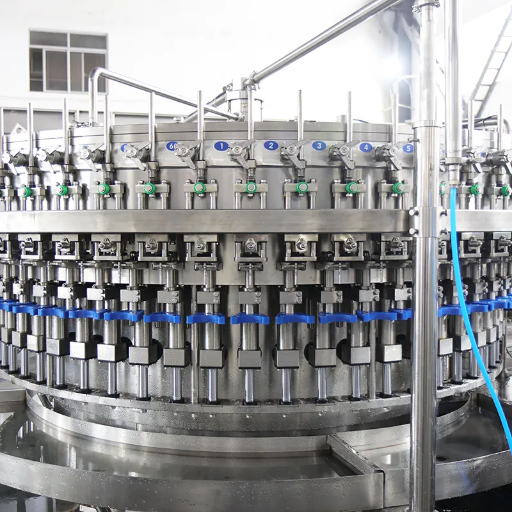
— retire les bouchons résiduels des bonbonnes retournées grâce à des détecteurs numériques et à fibre optique qui signalent les cinq défauts de retour les plus courants : bouchon absent, opercule absent, bouchon partiel, bouchon partiellement ouvert et bouchon non ouvert.
02
Brossage intérieur et extérieur
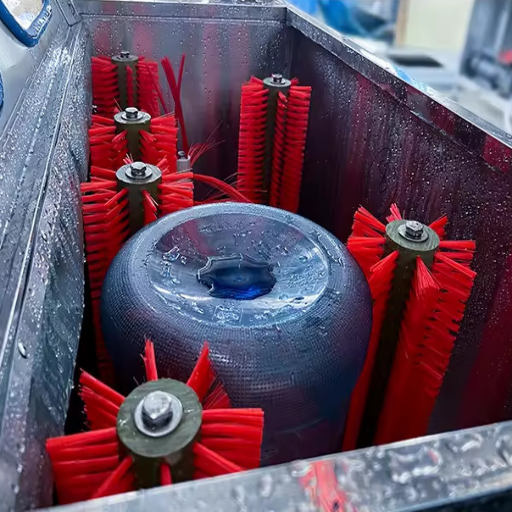
— élimine le tartre d’eau dure, les algues et le biofilm avant le contact des produits chimiques d’assainissement avec la surface. Sauter cette étape réduit la durée de vie de chaque solution de stérilisation en aval.
03
Lavage en plusieurs étapes
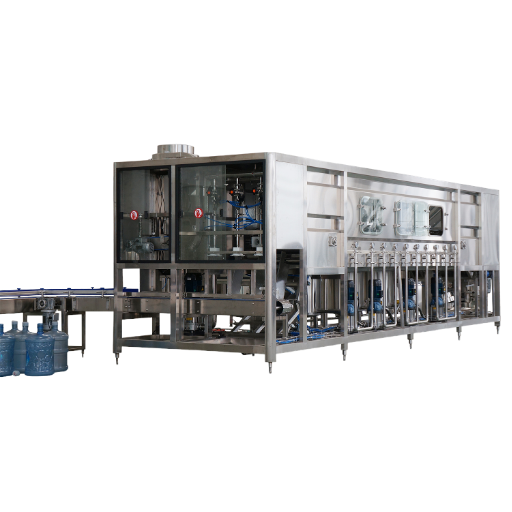
— alterne les étapes de recirculation du thimérosal, de détergent alcalin et de rinçage à l’eau pure à 0,37 m³/min. Les produits de lavage et d’assainissement sont recirculés dans des corps de filtre en acier inoxydable afin de maintenir des coûts d’exploitation prévisibles.
04
Poste de remplissage
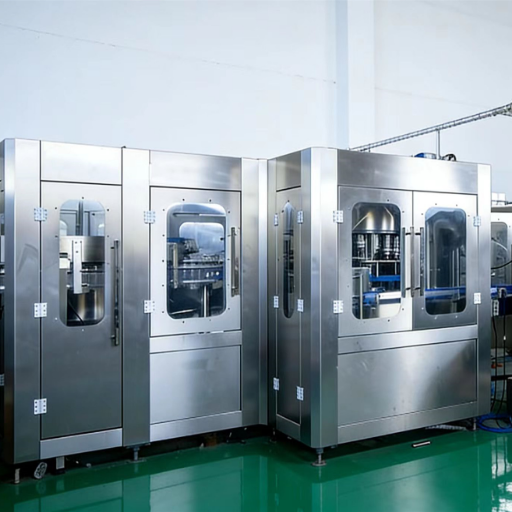
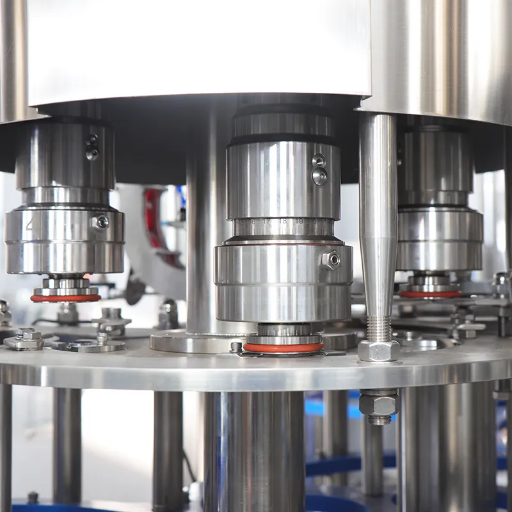
— des têtes de remplissage sans contact à pression normale sont placées au-dessus du col de la bonbonne, à un écart fixe, éliminant la contamination par contact pendant le cycle de remplissage. La capacité de remplissage est de 10-20 L par cycle.
05
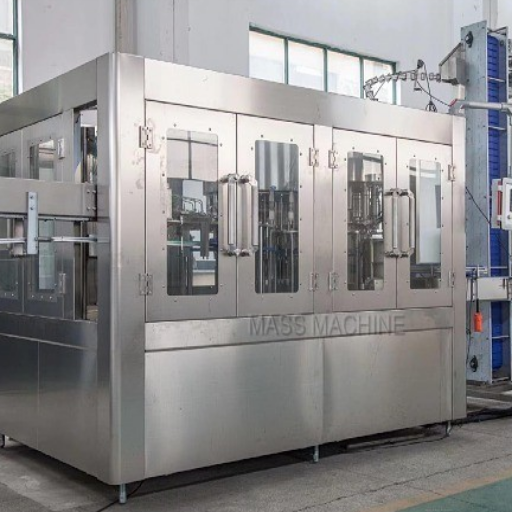
Bouchage
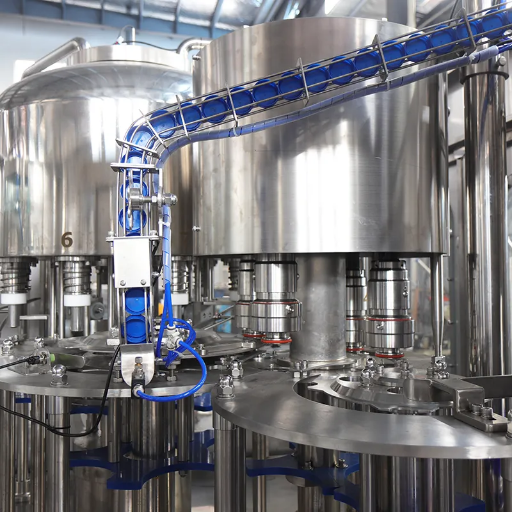
— l’alimentateur automatique de bouchons trie les bouchons via une trémie supérieure, présente chaque bouchon sous une pulvérisation stérilisante aux UV ou au thimérosal, puis assure le scellement avec un couple calibré.
06
Inspection en ligne
— une inspection lumineuse bonbonne par bonbonne écarte les défauts de sous-remplissage, de bouchon absent et de contamination avant la sortie de la zone sanitaire.
07
Rétraction thermique intelligente
— applique une gaine inviolable sur le joint bouchon-col afin que les distributeurs et les clients finaux puissent confirmer que la bonbonne n’a pas été ouverte pendant le transport.
08
Ensachage des seaux + palettisation
— l’ensachage en ligne droite et la palettisation automatisée transforment la ligne en une finition sans intervention, de la bonbonne brute à la palette prête pour le chariot élévateur, chaque unité étant conditionnée pour les canaux de vente au détail et de distribution HOD.
TROIS MODES DE REMPLISSAGE — VANNE MÉCANIQUE, DÉBITMÈTRE OU POSITIONNEMENT LASER
Le mode de remplissage choisi est la décision principale qui sépare une ligne de 600 BPH fonctionnant pendant dix ans d’une ligne nécessitant des interventions constantes. Mass QGF en propose trois : vanne mécanique, débitmètre électromagnétique et positionnement laser. Chacun correspond à une économie de production différente.
REMPLISSAGE PAR VANNE MÉCANIQUE
— le mode éprouvéLa vanne à flotteur et ressort se déclenche lorsque la bonbonne atteint son niveau de remplissage réglé. Sa mécanique simple, avec pratiquement aucun composant électronique dans la zone humide, facilite la maintenance dans les usines sans ingénieur dédié à l’automatisation.
- Idéal pour : opérateurs HOD à un poste de 100-450 BPH, marques régionales d’eau minérale, usines soumises à une qualité d’alimentation électrique instable
- Charge de maintenance : faible — remplacer les sièges de vanne tous les 12-18 mois en utilisation continue
- Répétabilité du niveau de remplissage : typique de ce mode ; l’espace de tête varie davantage qu’avec les installations à débitmètre
REMPLISSAGE PAR DÉBITMÈTRE ÉLECTROMAGNÉTIQUE
— le mode de précisionUn débitmètre en ligne mesure le volume réel délivré à chaque cycle et signale à l’automate programmable de fermer la vanne à la valeur cible. La précision standard du secteur pour les lignes à débitmètre correctement installées se situe généralement à ±0,5 % en volume.
- Idéal pour : marques d’eau minérale livrant la grande distribution ou l’export et exigeant que le volume indiqué sur l’étiquette corresponde au volume distribué ; contrats de marque distributeur prévoyant des audits clients du volume ; usines facturant au litre via un compteur maître
- Charge de maintenance : modérée — étalonnage périodique du débitmètre et nettoyage du capteur de l’automate
- Surcoût par rapport à la vanne mécanique : modéré — demandez un devis pour votre BPH cible
REMPLISSAGE PAR POSITIONNEMENT LASER
— le mode de précision pour les marques haut de gammeUn capteur laser mesure la position réelle du bord avant le début du remplissage, puis le volume est dosé afin de rester constant entre des bonbonnes présentant des variations de tolérance de fabrication. Les marques HOD haut de gamme utilisent ce mode pour maintenir des performances constantes des refroidisseurs-distributeurs dans toute leur flotte.
- Idéal pour : marques HOD très haut de gamme, parcs de bonbonnes multi-sources où la hauteur du bord varie, usines visant la grande distribution haut de gamme de l’UE et du Moyen-Orient
- Charge de maintenance : modérée — nettoyage et recalibrage de la lentille laser
- Surcoût par rapport au débitmètre : supplémentaire — généralement justifié par la vente au détail haut de gamme à forte marge
La plupart des acheteurs QGF de 100-450 BPH commencent avec une vanne mécanique et ne changent pas. Les acheteurs QGF haut de gamme de 600-1 200 BPH choisissent par défaut un débitmètre, sauf si leur cible de vente au détail repose sur un volume indiqué sur l’étiquette et documenté ; dans ce cas, le positionnement laser est recommandé.
« Nous avons construit et testé chaque unité QGF avec les trois modes de remplissage pendant plus de dix ans. La bonne réponse n’est presque jamais le mode offrant la plus grande précision. C’est celui dont la charge de maintenance correspond à l’équipe des opérations du client. Une ligne à débitmètre jamais recalibrée dérive davantage qu’une ligne à vanne mécanique soumise à un contrôle qualité hebdomadaire. »
Éléments de coût pour le coût total de possession sur 5 ans d’une ligne de remplissage d’eau en 5 gallons
Les acheteurs qui comparent des lignes de 5 gallons fabriquées à l’étranger et localement se concentrent souvent sur le prix affiché de l’équipement et négligent les éléments qui déterminent le coût sur 5 ans. Chaque élément de coût ci-dessous s’inscrit dans le compte de résultat de l’exploitant. Les montants précis en dollars varient selon le port de destination, le tarif d’électricité et le type de bonbonne ; nous publions donc des fourchettes et une logique de décision plutôt qu’un chiffre unique.
1
1. Dépenses d’investissement de l’équipement (CAPEX)
Ce coût dépend du niveau BPH (100-1 200), du mode de fonctionnement (mécanique / débitmètre / laser) et du périmètre d’intégration requis (remplissage seul ou usine complète avec traitement de l’eau, soufflage des bouteilles et palettisation). Les prix publiés dans le secteur vont d’environ 8K-15K USD pour des unités trois-en-un d’entrée de gamme à 600 BPH à 55K-80K+ USD pour des lignes de fabrication complètes incluant le soufflage des bouteilles.
2
2. Logistique — fret maritime + assurance
Les expéditions en conteneurs 20’GP et 40’GP depuis les ports d’origine (Shanghai / Ningbo) vers les principaux ports maritimes occidentaux affichent en moyenne 25-45 jours de transit. Les tarifs des conteneurs varient selon les trimestres ; nous proposons trois fenêtres de cotation (tarif spot actuel, terme à trois mois, haute saison) afin que les exploitants puissent planifier leur fonds de roulement.
3
3. Droits de douane + taxes locales
Les machines d’embouteillage sont généralement dédouanées sous le code SH 8422.30 dans les pays importateurs. Le taux de droit effectif dépend du certificat d’origine et des accords commerciaux en vigueur à destination ; les acheteurs doivent vérifier le taux actuel auprès de leur courtier en douane avant de finaliser le bon de commande.
4
4. Installation + mise en service
Notre équipe dépêche des ingénieurs sur le site du client pour l’installation et la formation des opérateurs. Les frais de déplacement et d’hébergement sont chiffrés séparément ; une mise en service à distance par visioconférence est disponible pour les usines situées dans des régions où le déplacement sur site n’est pas pratique.
5
5. Stock de pièces de rechange + logistique
Les composants d’usure remplaçables sur site (sièges de vanne, soies de brosse, bandes transporteuses) sont stockés dans l’installation Mass de Zhangjiagang, avec une livraison par courrier international sous cinq jours ouvrés. Les exploitants doivent conserver un stock de consommables de base pour 6 mois afin de couvrir le temps de transit.
6
6. Énergie + utilités
Le QGF-600 consomme une puissance totale de 7,5 kW ; un poste à 600 BPH consomme une charge prévisible en kWh. L’air comprimé à 0,3-0,7 MPa et l’eau de rinçage à 0,37 m³/min sont les deux autres réseaux d’utilités que les exploitants doivent dimensionner par rapport à leur infrastructure existante.
7
7. Main-d’œuvre des opérateurs
Deux opérateurs chargent et déchargent une ligne QGF de n’importe quel niveau, soit une réduction d’un facteur 12 par rapport aux 24+ opérateurs nécessaires avec une installation manuelle pour fournir l’équivalent de 600 BPH sur un cycle complet de poste.
Cadre de planification de la capacité, niveau Bronze
Cadre de planification de la capacité — dimensionner votre ligne d’embouteillage de 5 gallons pour la production réelle
Les chiffres de ROI mis en avant dans cette catégorie sont généralement surévalués. Mass publie les données d’entrée qui déterminent le seuil de rentabilité, plutôt qu’un seul chiffre d’amortissement — les paramètres économiques locaux de chaque exploitant modifient sensiblement le résultat.
Une machine QGF de remplissage d’eau en 5 gallons amortit son investissement grâce aux leviers suivants. Le poids relatif de chaque levier dépend du fait que vous soyez un opérateur HOD en démarrage achetant sa première ligne ou un distributeur multisite ajoutant de la capacité à une marque existante :
Heures de fonctionnement par poste × postes par jour
Une capacité nominale de 600 BPH pour un QGF-600 fournit plus de 14 000 bonbonnes par poste de 8 heures à pleine utilisation, mais la plupart des usines fonctionnent à 70-85 % d’utilisation effective après la mise en attente des bonbonnes et les cycles d’assainissement.
Marge brute par bonbonne
L’écart entre le prix de gros d’une bonbonne remplie et le coût variable du traitement de l’eau, du bouchon, de la gaine, de l’électricité et des produits chimiques constitue le principal levier du ROI. Les marges HOD sont plus saines que celles des formats individuels vendus au détail sur la plupart des marchés.
Taux de retour des bonbonnes
Un modèle HOD consigné avec un taux de retour de 90 %+ amortit le CAPEX des bonbonnes sur de nombreux cycles ; un taux de retour plus faible de 60 % impose des volumes d’achat de bonbonnes neuves plus élevés.
Rayon de distribution
Un distributeur opérant dans un rayon de 25 km inverse le calcul du ROI par rapport à un exploitant opérant dans un rayon de 200 km — le carburant et la main-d’œuvre des tournées évoluent différemment.
Réserve de maintenance
Une usine rigoureuse met de côté chaque année, pendant les cinq premières années, l’équivalent approximatif du remplacement d’un siège de vanne et d’un jeu de brosses.
Tarifs et droits d’importation à destination
Le même QGF-600 arrive à un CAPEX total sensiblement différent selon le taux de droit SH 8422 du pays importateur et l’éventuelle préférence applicable dans le cadre d’un accord commercial.
Calendrier d’amortissement fiscal
Les équipements de remplissage sont éligibles à l’amortissement industriel dans la plupart des juridictions : consultez un comptable local pour connaître le calendrier précis applicable aux usines d’eau embouteillée de votre pays.
Les déploiements sur site de lignes d’embouteillage QGF pour 5 gallons ont démontré des durées de service de huit ans et plus, avec des composants d’usure remplaçables conçus pour la maintenance en atelier par votre équipe des opérations. Les exploitants bénéficient de la même économie de ligne remise à neuf, qui justifie la réutilisation continue du châssis lors de plusieurs mises à niveau BPH.
Déploiements sur site — lignes 5 gallons dans plus de 70 pays
Mass a expédié des lignes d’embouteillage de 5 gallons à des opérateurs d’Amérique du Nord, du Moyen-Orient, d’Asie du Sud-Est, d’Afrique et d’Amérique latine. Chaque déploiement est dimensionné selon la source d’eau locale du client, le canal de vente visé et l’économie des retours de bonbonnes, et non à partir d’un modèle de catalogue générique. Les catégories ci-dessous décrivent les profils de clients que nous servons le plus souvent.
Propriétaire d’une marque d’eau minérale — source unique
Une marque régionale d’eau minérale exploitant une source unique protégée installe généralement un QGF-450 ou un QGF-600 associé à une ligne de traitement RO + UV + ozone en amont de 5-10 T/H. Son facteur de différenciation est un profil minéral constant ; la ligne de remplissage fonctionne donc en mode débitmètre pour maintenir le volume indiqué sur l’étiquette au plus près du volume réellement délivré. Notre équipe fournit le traitement de l’eau en amont sous forme de solution complète, supprimant le risque d’intégration lié à l’achat auprès de deux fournisseurs.
Distributeur HOD — livraison multi-régionale
Un distributeur HOD traitant 3-6K bonbonnes par jour dans deux villes installe un QGF-600 ou un QGF-900. La disponibilité détermine le besoin, et non le BPH affiché : une ligne fonctionnant pendant 95 % des heures planifiées dépasse une ligne de capacité supérieure fonctionnant à 75 %. Nous dimensionnons le kit de pièces de rechange pour couvrir la fenêtre de livraison internationale de cinq jours ouvrés, et la réponse de notre ingénieur sous 24 heures limite les arrêts mécaniques.
Embouteilleur à façon — marque distributeur pour la grande distribution
Les embouteilleurs à façon qui servent plusieurs clients sous marque distributeur utilisent le QGF-900 ou le QGF-1200 avec remplissage par positionnement laser, car les clients de la grande distribution auditent couramment le volume de remplissage par rapport à l’indication de l’étiquette. La même ligne traite l’eau purifiée, l’eau minérale et l’eau de source faiblement minéralisée sans changement de format ; la géométrie du berceau et les pièces en contact avec le produit en SS304 couvrent les 11 classifications FDA de l’eau embouteillée selon 21 CFR 165.110.
Approvisionnement municipal / parc industriel
Les autorités municipales et les parcs industriels qui fournissent de l’eau potable à de nombreux employés installent des lignes QGF-1200 associées à un traitement de l’eau de 30-50 T/H. Le débit par poste devient le principal levier économique ; la redondance est généralement assurée par deux lignes QGF-600 en parallèle plutôt que par une seule QGF-1200, une configuration que Mass prend en charge avec un stock de pièces de rechange partagé et une formation unifiée des opérateurs.
Indiquez-nous votre marché de destination, votre BPH cible et votre type de bonbonne ; nous vous communiquerons des modèles de déploiement et des notes d’intégration provenant de clients aux profils similaires.
Demander des informations de déploiement comparables →FDA 21 CFR 165.110, conception conforme à la FSMA, ISO 9001, CE — la conformité intégrée à chaque soudure
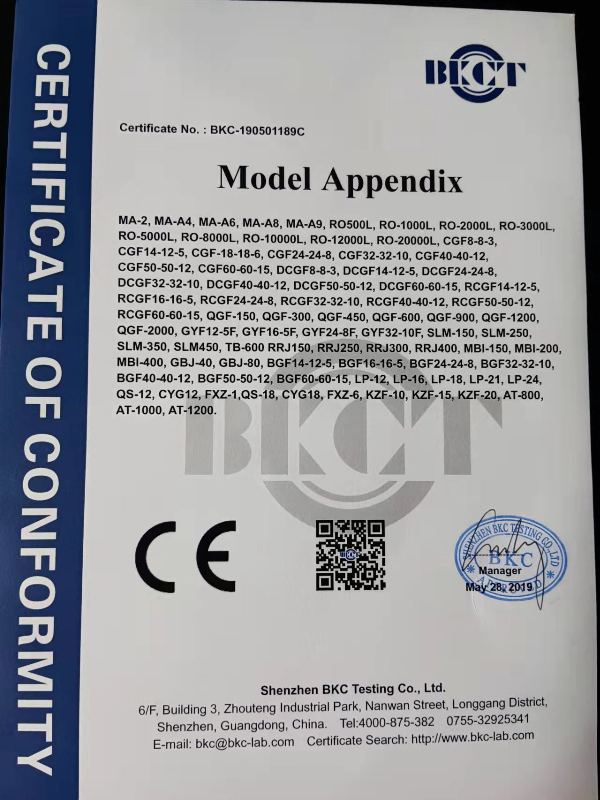
La conformité d’une machine de remplissage de bonbonnes d’eau de 5 gallons repose sur deux niveaux de responsabilité : le fabricant de l’équipement est responsable de la conception sanitaire, de la construction traçable et de la documentation qui accompagne le programme réglementaire de l’exploitant ; l’exploitant est responsable du programme appliqué à l’usine. Notre équipement est conçu conformément aux normes et référentiels ci-dessous afin que votre équipe QC puisse constituer un dossier réglementaire défendable dès le premier jour.
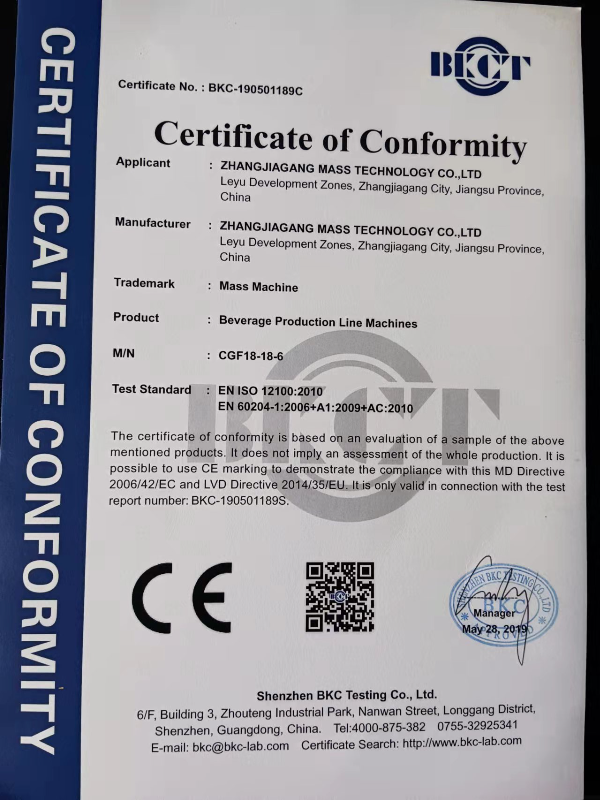
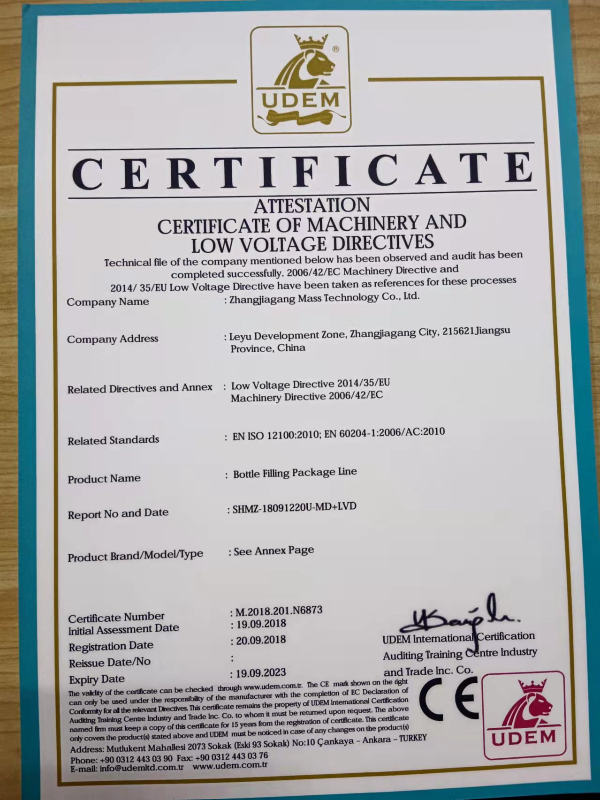
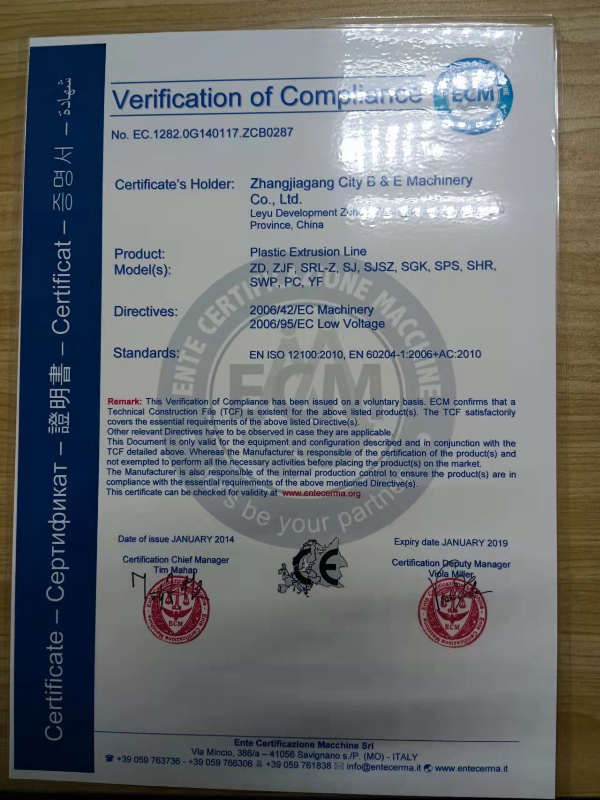
FDA 21 CFR 165.110
Normes d’identité pour 11 catégories d’eau embouteillée + 90+ normes de qualité (FDA — réglementation fédérale de niveau L1)
21 CFR Part 129
Bonnes pratiques actuelles de fabrication pour le traitement et l’embouteillage de l’eau potable embouteillée (référencées dans 21 CFR 165.110)
Conception alignée sur la FSMA
Une construction sanitaire, nettoyable et traçable facilite la mise en œuvre du plan HACCP et des contrôles préventifs par votre équipe QC (21 CFR 117 sous-parties B + C)
NSF/ANSI 169
Référentiel de conception sanitaire des modules de lavage et de rinçage — norme d’assainissement des équipements alimentaires à usage spécial
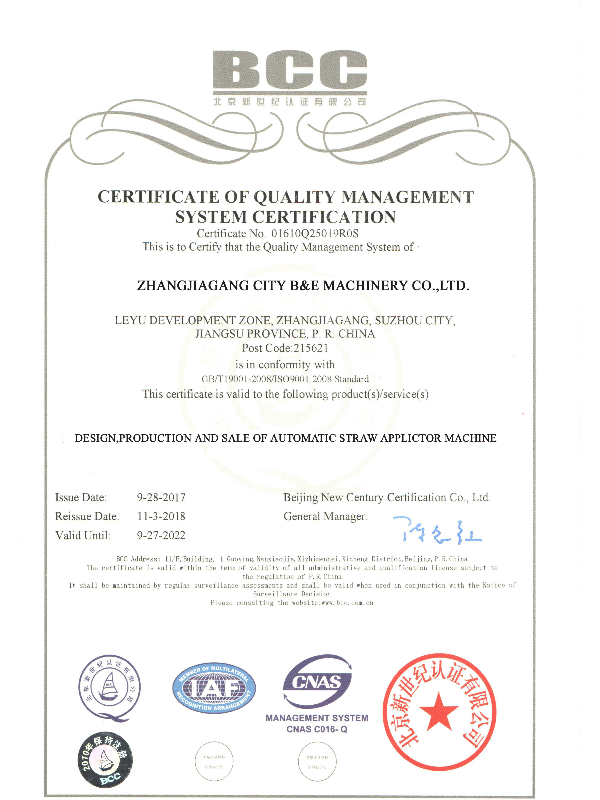
ISO 9001
Système de management de la qualité — documentation de production en série traçable selon l’audit de processus ISO 9001
Marquage CE
Conformité à la directive Machines pour les marchés de destination de l’UE et alignés sur l’UKCA
Comment ces normes s’intègrent à votre dossier QC
La FDA 21 CFR 165.110(a) définit l’identité de l’eau embouteillée selon les catégories suivantes : eau artésienne, eau souterraine, eau minérale (≥250 ppm de matières dissoutes totales), eau purifiée (selon la USP), eau de source, eau distillée, eau déionisée, eau issue de l’osmose inverse, eau gazeuse, eau de puits et eau potable. La section 165.110(b) fixe des normes de qualité couvrant plus de 90 contaminants, calibrées pour atteindre ou dépasser les niveaux maximaux de contaminants de l’EPA applicables à l’eau du robinet en vertu de la section 410 de la FFDCA. Les parties en contact avec le fluide en SS304, les têtes de remplissage sans contact et les produits chimiques d’assainissement recirculés de la ligne QGF facilitent la conformité aux règles de traitement de la 21 CFR Part 129 — la réglementation cGMP à laquelle la 21 CFR 165.110 fait directement référence.
La FSMA transfère la charge de la conformité vers les contrôles préventifs : chaque usine doit établir une analyse écrite des dangers et un plan de contrôles préventifs conformément à la 21 CFR 117 sous-partie C. Notre équipement est conçu pour rendre ce plan défendable — chaque étape de lavage, de remplissage et de bouchage comporte des points de contrôle critiques (CCP) documentés, les enregistrements d’étalonnage restent disponibles pendant toute la durée de vie de l’équipement et les journaux de l’IHM destinés aux opérateurs alimentent directement vos enregistrements de lots. Mass ne certifie pas votre usine au titre de la FSMA — cela relève du programme PCQI de l’exploitant — mais notre équipement élimine les obstacles de conception qui rendent la conformité à la FSMA difficile.
Les associations professionnelles du secteur, comme l’IBWA, exigent de leurs membres qu’ils se soumettent chaque année à des inspections d’usine réalisées par un tiers. La documentation de l’équipement fournie par Mass comprend les photos de construction, la traçabilité des matériaux et les plans tels que construits que les inspecteurs s’attendent à voir lors d’un audit d’usine aligné sur l’IBWA.
Guide d’approvisionnement — composantes du prix, délai de livraison, paiement, expédition et service après-vente
La plupart des concurrents B2B dissimulent toutes les variables d’approvisionnement derrière un formulaire de contact proposant uniquement un devis. Mass publie le cadre de décision afin que votre équipe d’achat puisse définir le projet avant le premier échange.
Composantes du prix — ce qui détermine votre devis final
Le devis d’une machine de remplissage de bonbonnes d’eau de 5 gallons est la somme de sept composantes de coût : niveau BPH, mode de remplissage (mécanique / débitmètre / positionnement laser), périmètre d’intégration (remplissage seul ou usine complète), niveau de personnalisation (marque du PLC, langue de l’IHM, configuration de tension), délai d’expédition, conditions de paiement et extension de garantie. Indiquez-nous la combinaison adaptée à votre projet et nous vous retournerons un devis détaillé par poste sous deux jours ouvrés.
Matrice des délais de livraison |
|||
|---|---|---|---|
| Configuration | Délai de production | Fret maritime | Total de porte à porte |
| QGF-100/240/450 standard | 35-45 jours | 25-45 jours | ~65-90 jours |
| QGF-600/900/1200 standard | 45-60 jours | 25-45 jours | ~75-105 jours |
| Ligne personnalisée (PLC, tension ou implantation non standard) | 60-90 jours | 25-45 jours | ~95-135 jours |
| Usine complète (remplissage + traitement de l’eau + soufflage de bouteilles) | 75-120 jours | 30-50 jours | ~110-180 jours |
Conditions de paiement
Nous acceptons le T/T avec 30 % d’acompte + 70 % du solde contre remise des documents d’expédition, la lettre de crédit irrévocable à vue et un compte séquestre de projet pour les acheteurs internationaux réalisant leur premier achat au-delà d’un seuil de projet convenu lors du devis. Le paiement du solde n’est pas demandé avant la réussite du test d’acceptation en usine (FAT) chez Mass Zhangjiagang.
Expédition et douanes
Le fret maritime est le mode d’expédition par défaut pour les lignes QGF. La QGF-600 standard tient dans un conteneur 40’GP ; les QGF-900 et QGF-1200 sont généralement expédiées dans deux conteneurs 40’HQ. Le fret aérien est disponible pour les déplacements de mise en service urgents, généralement pour les seules pièces de rechange — le fret aérien d’une ligne complète n’est pas économique dans presque tous les cas. Nous prenons en charge les Incoterms FOB Shanghai/Ningbo, CFR et CIF ; le DDP est disponible pour certaines destinations.
Garantie et service après-vente
- La garantie de 2 ans couvre toutes les pièces de la machine fabriquées par Mass dans des conditions normales d’utilisation.
- Réponse d’un ingénieur sous 24 heures aux demandes d’assistance technique via WhatsApp, e-mail ou visioconférence.
- Expédition par courrier express international sous 5 jours ouvrés pour les pièces de rechange expédiées depuis le stock de Zhangjiagang.
- Formation des opérateurs dans l’usine du client lors de la mise en service, ainsi que documentation écrite de maintenance en anglais (autres langues sur demande).
Outils d’ingénierie et de planification financière
FAQ sur la machine de remplissage d’eau de 5 gallons — 9 questions posées par les acheteurs avant une RFQ
Q1. Combien coûte une machine de remplissage de bonbonnes d’eau de 5 gallons ?
Le prix dépend du niveau BPH, du mode de remplissage et du périmètre d’intégration. Les annonces publiques du secteur situent les machines 3-en-1 d’entrée de gamme à 600 BPH entre USD 8K-15K, les configurations intermédiaires avec soufflage de bouteilles et traitement partiel de l’eau autour de USD 30K-65K, et les lignes clés en main avec traitement complet de l’eau et palettisation dans la fourchette USD 55K-80K+. Mass publie un devis détaillé par poste en fonction de votre configuration précise ; contactez Kevin Dong pour obtenir un montant personnalisé.
Q2. Quelle est la différence entre les modes de remplissage à vanne mécanique, au débitmètre et par positionnement laser ?
Le remplissage à vanne mécanique utilise une vanne à flotteur et ressort et constitue la solution la plus simple à entretenir — idéale pour les lignes de 100-450 BPH sans ingénieur dédié à l’automatisation. Le remplissage au débitmètre utilise un débitmètre électromagnétique en ligne pour un contrôle précis du volume, avec une répétabilité généralement de ±0,5 %, et convient aux exigences de conformité des mentions sur l’étiquette destinées à la vente au détail ainsi qu’à la mesure du volume au niveau requis pour les audits. Le positionnement laser mesure la hauteur réelle du bord de chaque bonbonne avant le début du remplissage, afin de maintenir un espace de tête constant entre les lots de bonbonnes présentant des variations de tolérance de fabrication — idéal pour les marques d’eau HOD haut de gamme qui approvisionnent les utilisateurs de fontaines-distributeurs. Notre cadre de comparaison complet figure dans la section Trois modes de remplissage ci-dessus.
Q3. La série QGF peut-elle traiter à la fois de l’eau purifiée et de l’eau minérale ?
Oui. Le châssis QGF est conçu pour traiter toutes les catégories d’eau embouteillée définies par la FDA 21 CFR 165.110, notamment l’eau potable, l’eau artésienne, l’eau souterraine, l’eau minérale (≥250 ppm de matières dissoutes totales), l’eau purifiée (selon la définition de la USP), l’eau de source, l’eau distillée, l’eau déionisée, l’eau issue de l’osmose inverse, l’eau gazeuse embouteillée et l’eau de puits. Les parties en contact avec le fluide en SS304 et les têtes de remplissage sans contact maintiennent la conformité de la même ligne pour les 11 catégories, sans changement de format mécanique.
Q4. Quelles spécifications de bonbonnes conviennent à l’équipement — PC ou PET, 18,9L, 19L ou 20L ?
Le berceau QGF est dimensionné pour des bonbonnes de Φ270 × 490 mm, ce qui couvre les formats standard de 5 gallons (18,9L), 19L et 20L en PET et en PC vendus dans le monde entier. La capacité de remplissage par cycle est de 10-20 L. Si votre parc de bonbonnes s’écarte de cette géométrie, envoyez-nous un plan d’échantillon et nous établirons un devis pour modifier le berceau.
Q5. Proposez-vous une personnalisation OEM et ODM pour notre marque ?
Oui. Mass prend en charge l’OEM (votre marque sur le châssis standard de Mass) et l’ODM (implantation mécanique personnalisée, marque du PLC, langue de l’IHM, configuration de tension et agencement des convoyeurs). La personnalisation ODM ajoute 15-30 jours au délai de livraison et fait l’objet d’un devis par projet. Nous ne produisons pas de machines en marque blanche qui présenteraient de manière trompeuse le pays de fabrication.
Q6. Quel est le délai de livraison et quelle est la procédure de paiement international ?
QGF-100 à QGF-450 standard : 35-45 jours de production + 25-45 jours de fret maritime. QGF-600 à QGF-1200 : 45-60 jours de production + 25-45 jours de fret maritime. Lignes personnalisées : 60-90 jours de production. Les conditions de paiement sont un T/T réparti à 30 %-70 %, une L/C irrévocable à vue ou un compte séquestre de projet pour les acheteurs internationaux réalisant leur premier achat. Le solde est encaissé uniquement après la réussite du test d’acceptation en usine chez Mass Zhangjiagang.
Q7. À quelles certifications Mass répond-elle — FSMA, FDA 21 CFR 165, ISO 9001, CE ?
Notre équipement est conçu autour de la FDA 21 CFR 165.110 + 21 CFR Part 129 (cGMP pour le traitement de l’eau potable embouteillée), aligné sur les sous-parties B et C de la FSMA 21 CFR 117 afin d’accompagner les programmes de contrôles préventifs des clients, et construit selon les principes du référentiel d’assainissement NSF/ANSI 169 pour les modules de lavage et de rinçage. La production est réalisée dans le cadre d’un système de management de la qualité ISO 9001 avec une documentation de construction traçable, et le marquage CE au niveau de la machine est disponible pour les destinations soumises aux exigences UE/UKCA.
Q8. Comment le procédé de lavage et de stérilisation des bouteilles respecte-t-il les normes IBWA et NSF ?
La séquence de lavage QGF comporte quatre étapes — brosse rotative extérieure, lavage chimique en plusieurs étapes, assainissement recirculé et rinçage à l’eau pure — avec des temps de contact des produits chimiques étalonnés pour assurer une réduction microbienne de qualité alimentaire. La conception sanitaire du module de lavage s’appuie sur les principes applicables aux équipements alimentaires à usage spécial de la NSF/ANSI 169, et la documentation de construction accompagne l’inspection annuelle par un tiers à laquelle sont soumises les usines membres de l’IBWA. Nous fournissons les plans tels que construits, les enregistrements de traçabilité des matériaux et les journaux de validation que votre inspecteur demandera.
Q9. Une ligne de 5 gallons peut-elle être étendue ultérieurement en usine complète d’embouteillage d’eau, avec ajout du traitement de l’eau et du soufflage de bouteilles ?
Oui — et la plupart des exploitants HOD le font au cours de leurs trois premières années. Mass fournit le système de traitement de l’eau en amont (RO + UV + ozone, 0,5-50 T/H) et les machines de soufflage de bouteilles PET comme produits séparés qui s’intègrent à toute ligne QGF au moyen de raccordements sanitaires standard et d’échanges de signaux PLC. Nous livrons souvent d’abord la ligne de remplissage QGF pour démarrer les flux de trésorerie, puis nous ajoutons le traitement de l’eau et le soufflage de bouteilles lorsque le rayon de distribution du client s’élargit. La même usine, le même ingénieur commercial, le même canal de service après-vente.
Pourquoi nous avons créé ce contenu de référence
Nous fabriquons des lignes de remplissage d’eau en bonbonnes de 5 gallons dans notre usine de Zhangjiagang depuis le début des années 2010 et les expédions à des exploitants dans plus de 70 pays. Les composantes de coût, la matrice des délais de livraison et le cadre de planification de la capacité présentés sur cette page reflètent les offres de projets 2024-2025 de Mass pour des exploitants HOD, des start-ups d’eau minérale et des embouteilleurs sous contrat. Les spécifications présentées correspondent à des configurations effectivement livrées — demandez un devis personnalisé pour votre port de destination, votre type de bonbonne et votre objectif BPH.
Références et sources de données
- U.S. Food and Drug Administration — 21 CFR 165.110 — Normes d’identité et de qualité de l’eau embouteillée (eCFR, version actuelle).
- U.S. Food and Drug Administration – 21 CFR Part 129 – Traitement et embouteillage de l’eau potable embouteillée (cGMP actuel).
- U.S. Food and Drug Administration – Food Safety Modernization Act, 21 CFR Part 117 (sous-parties B et C).
- NSF International – NSF/ANSI 169 Special Purpose Food Equipment and Devices.
- International Bottled Water Association – Réglementation de l’eau embouteillée.
- ISO 9001:2015 — Systèmes de management de la qualité — Exigences.
- Directive européenne sur les machines 2006/42/EC – Marquage CE des machines industrielles.
- Mass Technology – Fiche technique de la série QGF, révision 2025 (USER-DATA).
Prêt à dimensionner votre ligne de remplissage d’eau de 5 gallons ?
Envoyez-nous votre port de destination, votre objectif BPH et votre type de bonbonne. Nous vous retournerons sous deux jours ouvrés un devis détaillé par poste avec le délai de livraison, le délai d’expédition et les indications douanières.
Obtenez votre devis personnalisé