Get in Touch with Masstech
ISO Certified Manufacturer
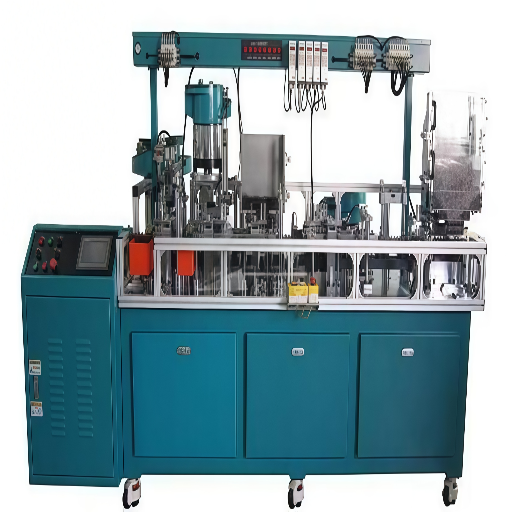
Gel Pen Machine
Gel Pen Making Machine — Multi-Tier Assembly for 50–200 PCS/Min Production
Mass build turn-key, fully automatic gel pen production lines for global stationery exporters. Tier 1 machines service entry level gel pens, Tier 3 models are blending-for-high-speed production. Full ecosystem support tailored to great volume: from injection moulding through ink filling and gel pen, ballpoint pen, neutral pen, and marker pen final assembly.
- 2-Year Warranty
- CE Certified
- Mitsubishi / Siemens PLC
- 30–60 Day Lead Time
- 5-Day International Spare-Parts Delivery


50–200
pcs/min output range
<0.3%
target jam rate
1
operator per machine
4
pen types supported
Gel Pen Production Bottlenecks — How Mass Solves Them
The automating of fundamental pen manufacturing – refilling, springing, and assembling barrel, cap, and clip into a completed pen – is giving way to multi-tiered gel-pen making machines that assemble each component automatically that replace the 6-8 person hand-assembly line that was for decades the bread and butter of pen production plants around the world.
An entire gel-pen manufacturing pathway often consists of a barrel injection moulding machine, vacuum centrifugal ink refill production, and the assembly machinery.
Global demand for gel pens has changed the definition of efficiency: your potential ability to profitably deliver volume hinges on how you handle four primary manufacturing constraints:
In 2024 alone, China produced over 10 billion ballpoint pens (more than 40% of all production) with export value of $1.121 billion.
Throughput Ceiling
Single worker hand-assembly throughput hovers around 50 units per minute. Even if you run 6-8 workers on a line, total output is stuck under 300 units/min; actually pushing that ceiling consistently takes more bodies not more efficiency.
Scaling Cost Reality
A manual assembly study showed my cost per unit ballooned from $2.40 to $3.20 when rework ($0.34), training ($0.25), scrap ($0.08), and new worker skills differential ($0.34) were factored in – that’s a 33% hidden added cost.
Changeover Time
A $0.15-0.20 per-piece premium for every retooling of single-tier machines adds up to needing half a shift for each switch to a new pen format (gel, ballpoint, neutral, marker).
Labor Volatility
Assembly personnel in China coast are generating $8,000-12,000 a month, and volume-scale by manpower is not happening: average turnover is 35% and time to proficiency over 4 months.
How the Mass gel pen assembly machine resolves each bottleneck
Once you include scale, yield, and retooling overhead into what you pay your assembly workers, automation – driving down yield variances and helping your Line to Scale – generally costs 35% less than doing it manually on quantities above 200,000 units a month; and as volume penetrates, the difference gets more dramatic. Mass gel pen making machine design centers on four choices that counterbalance each of the bottlenecks described above:
Throughput
The 50, 100, and 200 pcs/min tiers are maximized by machine, not person; the Flagship M200 demonstrated one single equivalent to the output of two hand-assembly teams four times over.
Yield
Continuous shift operation cam control keeps jam rates below 0.3%, versus 3-5% of hand assembly. Vibration bowl-filling keeps this too.
Format changeover
On the 1000pcs/min-capable-in-45-minutes models, switching the tooling to a different format is no more painful.
Operator flexibility
A single worker can keep a state-of-the-art gel pen assembly line humming, while wages stay fixed. Cheap hand-assembly workers are only viable when measured in soft cost. Once you turn efficiency engines on yield, retooling, and scaling equations, manual labor cost is a large distortion instead of a variable.
And that last point is a question of value for buyers operating in those markets in which labor, not cost saving, is the bottleneck. Africa and the Middle East, both regions experiencing 8-10% annual demand growth for Chinese gel pens during the next 5 years, buy automation because ‘their’ producers are unable to field a 30-worker assembly hall/weekday the way Fenshui Town Uprising did 50 years back. We export Mass machines to those markets every quarter precisely for that reason.
Mass Gel Pen Assembly Machine — Three Model Tiers
Buyer focus: Engineering & Procurement select the tier that provides your monthly output target, then check the specification schedule below.
We ship the Mass assembly line in three tiers. Each uses the same PLC hardware (Mitsubishi or Siemens, the buyer’s choice), the same Airtac pneumatic pneumatic actuators and the same vibration-bowl feeding system for caps, barrels, refills, gears, caps and springs. Tier differences lie in the number of work stations and rate of output.
Entry M50
- 50–60 pcs/min
- 2 work stations
- 1 operator
- 1.5 kW / 380V / 3P / 50Hz
- 5–6 kgf/cm² compressed air
Best for: a monthly output less than 200,000 units; pilot facilities; regional stationery brands
Footprint: compact, fits inside small workshop layouts
Footprint: compact, fits inside small workshop layouts
Mid M120
- 100–130 pcs/min
- 4 work stations
- 1 operator
- 2.5 kW / 380V / 3P / 50Hz
- 6–7 kgf/cm² compressed air
Best for: monthly output 200,000–600,000 units; mid-sized OEM operations
Meets the industry standard outputs of the leading manufacturers of pen assembly equipment
Meets the industry standard outputs of the leading manufacturers of pen assembly equipment
Flagship M200
- 150–200 pcs/min
- 6 work stations
- 1 operator (monitoring)
- 3.5 kW / 380V / 3P / 50Hz
- 7–8 kgf/cm² compressed air
Best for: a monthly output exceeding 600,000 units; high volume export programs
Recommended pairing: 2–3 lines in parallel for million-unit/month programmes
Recommended pairing: 2–3 lines in parallel for million-unit/month programmes
| Monthly target | Recommended tier | Lines needed | Operators required | Annual capacity |
|---|---|---|---|---|
| Up to 200K pens | Entry M50 | 1 | 1 | 2.4–2.9M |
| 200K–600K pens | Mid M120 | 1 | 1 | 4.8–6.2M |
| 600K–1.2M pens | Flagship M200 | 1 | 1 | 7.2–9.6M |
| 1.2M–3M pens | Flagship M200 | 2–3 | 2–3 | 14.4–28.8M |
| 3M+ pens | Flagship M200 | 4+ · request consult | 4+ | Custom |
| Specification | Entry M50 | Mid M120 | Flagship M200 |
|---|---|---|---|
| Working speed | 50–60 pcs/min | 100–130 pcs/min | 150–200 pcs/min |
| Work stations | 2 | 4 | 6 |
| Operator | 1 person | 1 person | 1 person (monitoring) |
| Power supply | 1.5 kW / 380V / 3P / 50Hz | 2.5 kW / 380V / 3P / 50Hz | 3.5 kW / 380V / 3P / 50Hz |
| Air pressure | 5–6 kgf/cm² | 6–7 kgf/cm² | 7–8 kgf/cm² |
| Pneumatic cylinder | Airtac (Taiwan) | Airtac (Taiwan) | Airtac (Taiwan) |
| PLC controller | Mitsubishi or Siemens | Mitsubishi or Siemens | Mitsubishi or Siemens |
| HMI | Touchscreen, multi-language | Touchscreen, multi-language | Touchscreen, multi-language |
| Compatible pen types | Gel, ballpoint, neutral, marker | Gel, ballpoint, neutral, marker | Gel, ballpoint, neutral, marker |
| Format changeover | Under 45 minutes | Under 45 minutes | Under 45 minutes |
| Target jam rate | <0.3% | <0.3% | <0.3% |
Technical Deep-Dive — Why PLC choice matters
Mass provides the buyer with a choice: Mitsubishi FX-series or Siemens S7-1200 PLC controllers can be specified. Mitsubishi models have a wider service network across Southeast Asia and Africa; Siemens has a greater reach through the Middle East and Europe. Both platforms support identical interfaces to the operator, so the decision is a practical considerations of service network. Cheap vendors often buy and install domestic unbranded PLCs with fewer operation-support resources — and a support network that is further away.
Positioning is servo-driven at each station, with optical sensors ensuring automatic in-line quality control inspection of the entire assembly before output. Both fully automatic assembly and semi-automatic modes are selectable on the HMI so that these lines can support pilot launches through high-volume runs in tandem. Each station is paired with a servo drive for closed-loop position feedback, and the servomechanism accuracy is calibrated simultaneously with writing implement dimensions during startup.
Pen Type Compatibility — Gel, Ballpoint, Neutral, and Marker
Buyer focus: Engineering & Procurement one machine, four product families, one assembly stock inventory.
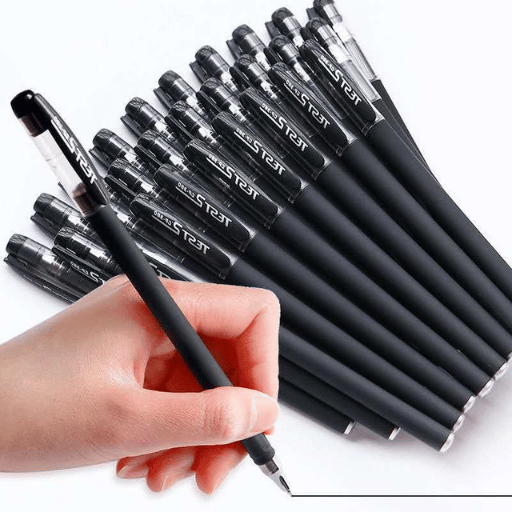
Mass gel pen production machine pays for itself faster than a tier-locked competitor partly because the same physical device produces four pen types with just tooling variations. A buyer who needs a gel-pen line for the U.S. market, a ballpoint for the Russian market, a neutral pen for the U.K. market and a marker-pen for the Middle East market can squeeze all four formations off one line:
Gel pen
- Refill compatibilityAqueous gel ink refill, 0.5–1.0 mm tip
- Cap typeKnock retractable / push cap
- Barrel diameter8–12 mm
- Changeover time30–45 min

Ballpoint pen
- Refill compatibilityOil-based ink refill, 0.7–1.6 mm tip
- Cap typeFixed cap / retractable
- Barrel diameter7–11 mm
- Changeover time30–45 min

Neutral pen
- Refill compatibilityHybrid water-based ink refill
- Cap typePush cap / soft grip
- Barrel diameter9–12 mm
- Changeover time30–45 min

Marker pen
- Refill compatibilitySolvent-based fiber-nib refill
- Cap typeSnap cap / vented cap
- Barrel diameter10–16 mm
- Changeover time40–55 min
Expansion & Dedicated Lines
If the scanner-pen batterhy is point-heavy, Mass also produces a matching Whiteboard Marker Pen Machine in the same product family – just like the gel-pen stripper machine, it is appropriate for high-volume marker-only runs where the cap geometry justifies a dedicated line. Both machines share spare-parts inventory and operator training to make a second line an easier incremental investment.
A Caveat: Scope of Operations
What Mass’s gel-pen assembly machinery does not do. Gel-pen assembly machinery mechanically couples pre-filled refills with barrels, springs, knocks, gears and caps. It does not fill ink into the empty refill tubes- that is a separate process performed by Mass’s Vacuum Centrifugal Machine for Ballpen Gel Refills, integrated upstream of the assembly line as part of a complete turn-key production solution. Rather than a vendor who produces only one of four stages; a buyer who needs all four stages normally carries both machines, so the second machine can be added later without interruption.
Mass Group Ecosystem — Inline Refill, Assembly, Printing, and Beyond
Buyer view point: Engineering and Management this is the distinction which distinguishes buying a machine from an integrated production system.
01
Stage 1
Plastic Injection Moulding
02
Stage 2
Vacuum Centrifugal Ink Refill
Mass Vacuum Centrifugal Machine for Ballpen Gel Refill fills aqueous gel ink into empty refill tube under vacuum, thereby eliminating the air pockets that cause skips and write failures.
03
Stage 3
Pen Assembly (this machine)
Three-tier gel pen assembly machine. PLC-controlled cam timing, vibration-bowl feeding, multi-pen type compatibility, sub-45-minute changeover.
04
Stage 4
Surface Printing
Mass Pen Printing Machine enhances either the barrel or cap with OEM logo images, branding logos or barcode icons. UV or pad printing depending on plastic resin.
Why ecosystem matters when defects compound
| Procurement model | Setup time | Cumulative yield | Lead-time risk |
|---|---|---|---|
| Mass full ecosystem Single point of contact • 1 warranty |
8–12 weeks total | 98%+ achievable | Low (1 schedule) |
| Pure assembly supplier Buyer integrates 3 vendors • 3+ contracts |
10–14 weeks (assembly only) | 96–97% | Medium (3 schedules) |
| Pure injection supplier Buyer integrates 3 vendors • 3+ contracts |
10–14 weeks (moulding only) | 96–97% | Medium (3 schedules) |
| DIY procurement (4 vendors) Buyer integrates 4 vendors • 4+ contracts |
14–20+ weeks | 95% or lower | High (4 schedules) |
Mass vs Paifeite vs Generic — Nine-Metric Comparison
Procurement focus: Engineering, Management & Economics the cost-of-quality approach that influences purchasing decisions.
Chinese pen assembly machinery suppliers segment into three tiers: the customisation/specialty tier (lead by Suzhou Paifeite Automation), the high-volume standard tier, and the general trader tier (largely Alibaba aggregators selling reboxed generic machines). Buyers seeking a fair comparison of Mass and generic Traders offer a glance comparison of their entire five-year TCO here, but this simple headline comparison chart often traps them between higher headline invoice and FOB prices and five-year mass operating prices:
Five-Year TCO Outline — Mid M120 vs Generic Equivalent
Indicative TCO comparison based on industry hidden-cost research. Exact amounts varies by location, operating hours, and pen combination – get a custom TCO comparison for your operation.
~$8K–12K
Premium over Generic on purchase
15–25%
Typical 5-year TCO saving vs Generic
6–9 months
Premium payback through avoided downtime
Comparison metric
Mass (full ecosystem)
Paifeite (assembly specialist)
Generic trader (Alibaba)
Capacity range
50–200 pcs/min, three tiers
120–130 pcs/min, fixed
30–80 pcs/min, variable
Pen type compatibility
Four (gel, ballpoint, neutral, marker)
Four
One to two
Format changeover time
Under 45 min
Around 60 min
2–3 hours
PLC brand
Mitsubishi or Siemens (buyer choice)
Siemens
Unbranded domestic
Warranty
2 years, full machine
1 year
6 months to 1 year
International spare-parts delivery
5 working days
7–15 days
20+ days, frequent stock issues
Engineer response
24 hours
48 hours
Best-effort
Group ecosystem (full line)
Complete · injection + refill + assembly + printing
Assembly only
None
International certifications
CE Directive, ISO 9001, IEC 60204
ISO 9001, CE
Inconsistent
The TCO view — total cost of ownership over five years
Comparisons of headline price favor generic traders. Comparisons of TCO favor Mass. Purchasing decisions will be driven by the cost difference between the purchase price and five years of operating cost, when Mass balance pays for innovations in energy usage, work force, and competitor differentiation.
Four Factors of TCO Advantage
The TCO advantage pulls from four factors. One: branded PLC controllers come with replaceable cards waiting local in stock- generic domestic PLC’s have to be sent back to China, incurring both shipping and down-time costs. Two: 2-year guarantee of all parts versus 6-12 month guarantee on generic machines purports the second-year cost of component wear. Three: 5 day international spare-parts delivery stops multi-week production-losing failures that are the default for generic suppliers. Four: ecosystem support on the full product line reduces the integration price when original buyer runs a second and third machine.
Trade-offs and Realities
Trade-offs are real, and it pays to name them directly. A Mass Mid M120 will not beat the headline price of a generic Alibaba aggregator’s bottom-year 80 pops/min unit. Buyers with high-volume export initiatives where every production hour costs has historically concluded that the premium pays for itself in the first year of ownership- buyers with pilots and low utilisation may settle for a generic. Both answers are defensible, the TCO matrix above is the calculator.
Practical Engineering Issues
One other practical issue: strength of the cam transmission and bearing assemblies determines whether machines will reach their five-year service life or require rebuilding at year three. Mass machines run steel cams, Airtac cylinders, sealed bearings – components specified for 24/7 operation. The efficiency upsides are cumulative: a machine that runs 95% uptime in five years produces noticeably more pens than a machine running 85%, and the delta is visible in the unit economics.
Customer Outcomes — Real Production Metrics from Global Buyers
Management & Engineering buyers 6-12 months after commissioning what the machine looks like in operation.
The following three production simulations from Mass export gel pen equipment demonstrate. Silently keep the proprietary detail confi dential; ask us for a reference call on relevant local buyers.

South America
Regional Stationery Brand
Mid M120 × 4 units
Monthly output
1.2 million gel pens
Programme
Converted a 30-worker manual assembly hall to 4 parallel lines + supervisor
Results
Reduced production cost; steady monthly throughput; freed up floor space reinvested into packaging
Critical
Time to first export shipment: three months from purchase order
Middle East
OEM Export Contract Manufacturer
Flagship M200 × 2 units
Monthly output
800,000 mixed-format pens (gel, ballpoint, marker)
Programme
Supported multiple regional brands and partners in Saudi Arabia, U.A.E., and Egypt
Results
Jam rates below 0.3% within first quarter; format change validations routinely within 1 shift
Critical
5-day international spare-parts delivery met regional SLAs

Southeast Asia
Distributor with Assembly Arm
Entry M50 × 6 units
Monthly output
Approximately 700,000 pens across six machines
Programme
Franchised penetration of UK market pen manufacturing successively adding new capacity at low capital costs
Results
headcount flat at six in field, throughput levels grew; crossmachine spare-parts compatibility lowered inventory cost
Critical
identical PLC and HMI as other machines activated operator rotation
Phased Scaling & Architecture
The variations seen across these deployments applies just as strongly to the entire base of buyers. Anglo-European buyers in regions where scheduled growth in Chinese ballpoint pen market is projected at 8-10% p.a. for five years will always go for tier machines rather than fixed-output units.
This is because phased scaling, i.e. adding a second, third and fourth machine in line as volume grows, is less operationally burdensome than swapping out a single larger capital asset. Mass’s three- tier architecture Mass directly onto the forecasted growth path.
Return on Investment
One aspect of the deployment outlines intentionally omitted: exact return-on-investment figures. ROI is too different between products, consumers, geographic markets, electricity overheads and output levels to be able to publish one factoid universally relevant.
But the pattern is consistent: ROIs paid back within 12-18 months are not uncommon, for buyers who ship in excess of 200,000 units per month with consistent fill-rate. If you want a calculator to work out your exact ROI, the one built into the procurement guide below is engineered for that.
Certifications, Standards, and Safety Compliance
Buyer focus: Management & manufacturing procurement pack on a single screen.
Mass gel pen manufacturing machinery is delivered with certificates of compliance in three areas: the machinery and electrical safety certificates, and the quality management certification: exactly what customs and customer-side buying teams will check for when the machinery arrives into regulated markets. The minimum trend-compliant signifier for the European markets: CE marking under the Machinery Directive 2006/42/EC. The compulsory baseline for compliance: ISO 9001 level-2 quality management system certificate. The underlying risk calculation standard that all safety standards refer to: EN ISO 12100.
Built-in safety features
- Dual redundant emergency stop buttons (top front and back of machine)
- Operator-hatch light curtain protection, interlocked with the three axes motion control system
- Rotating cam assembly shroud doors with interlocked operation
- Dual language (English + buyer language) machine labels near operator-access panels
- Compressed-air operated emergency shutoff at machine perimeter, decoupling mechanism for maintenance
- Earth-leakage circuit breaker on incoming power supply
- Automated visual defect detection systems using machine vision and optical sensors (optional, factory-fitted)
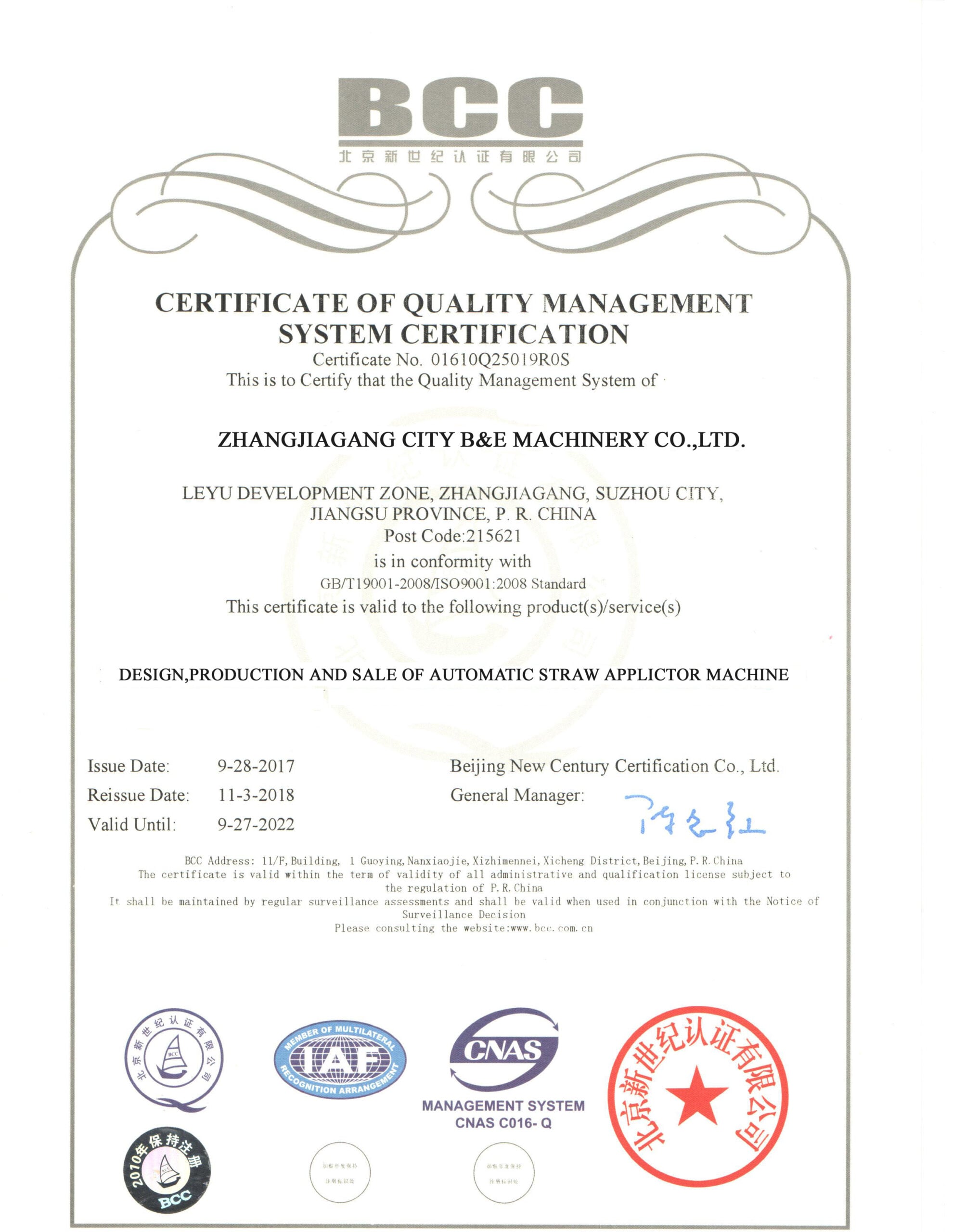
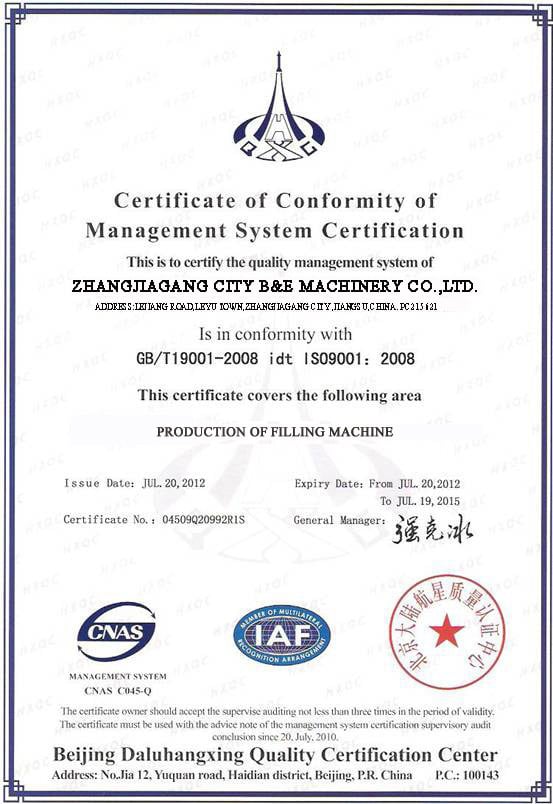
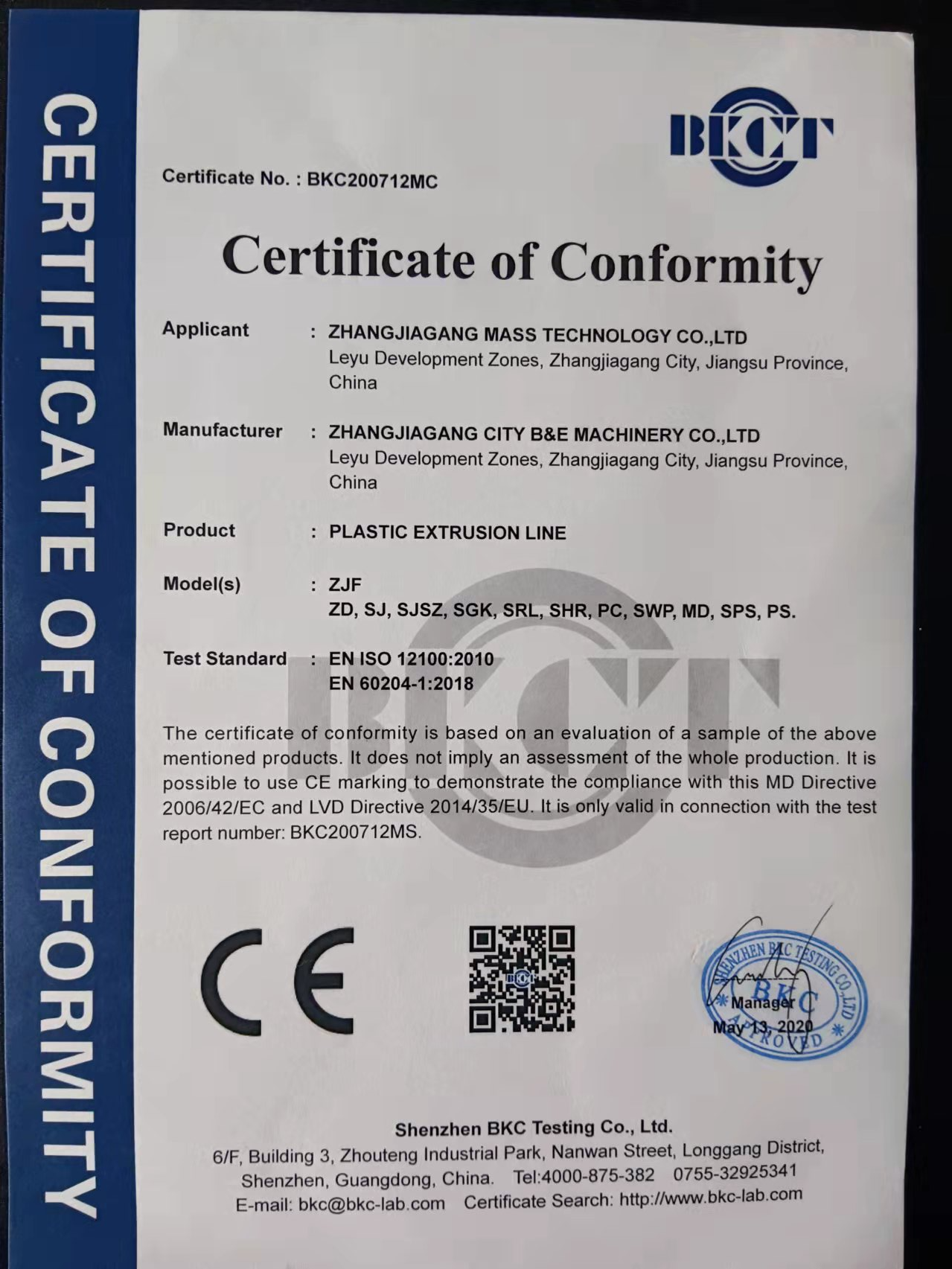
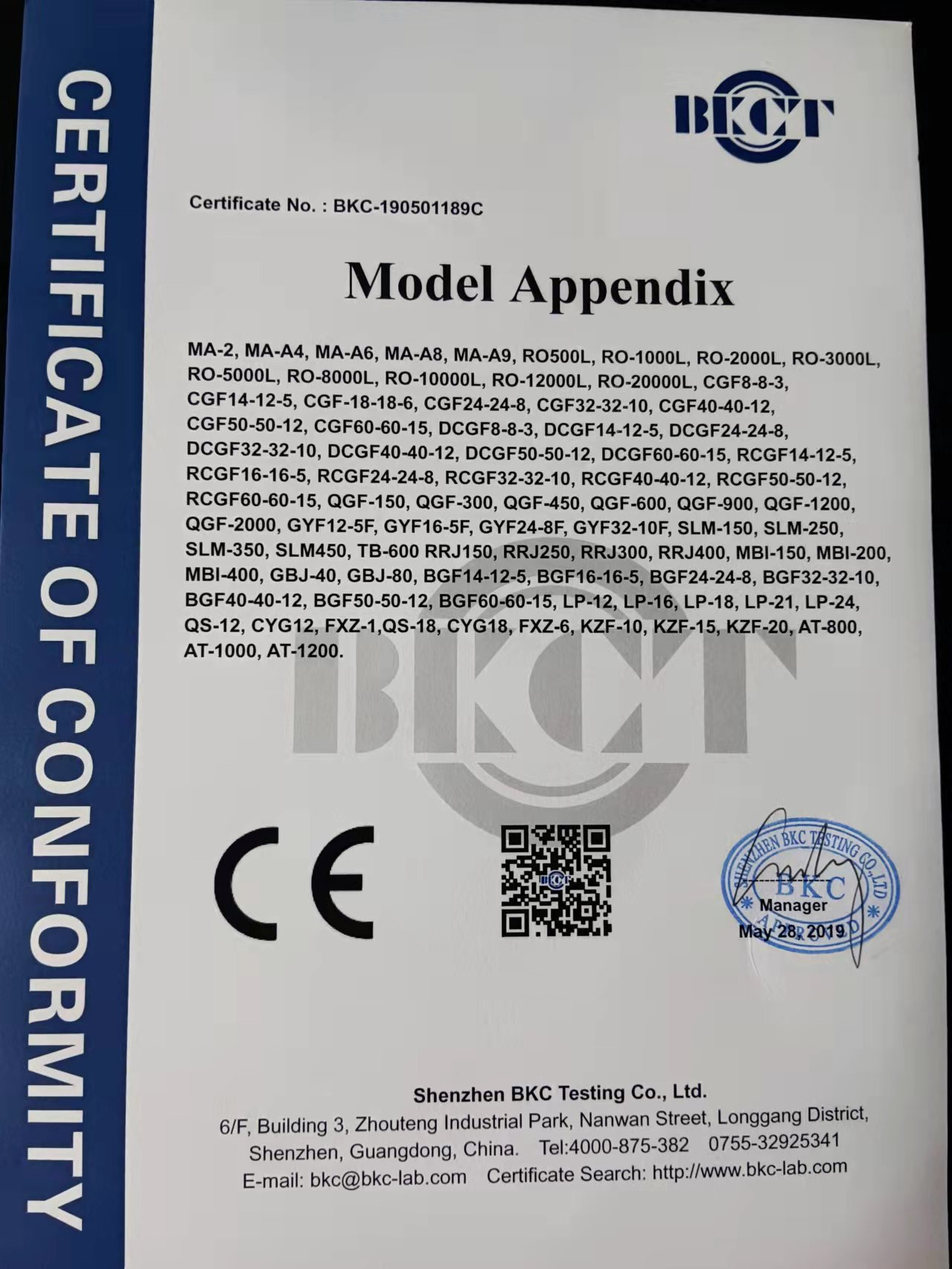
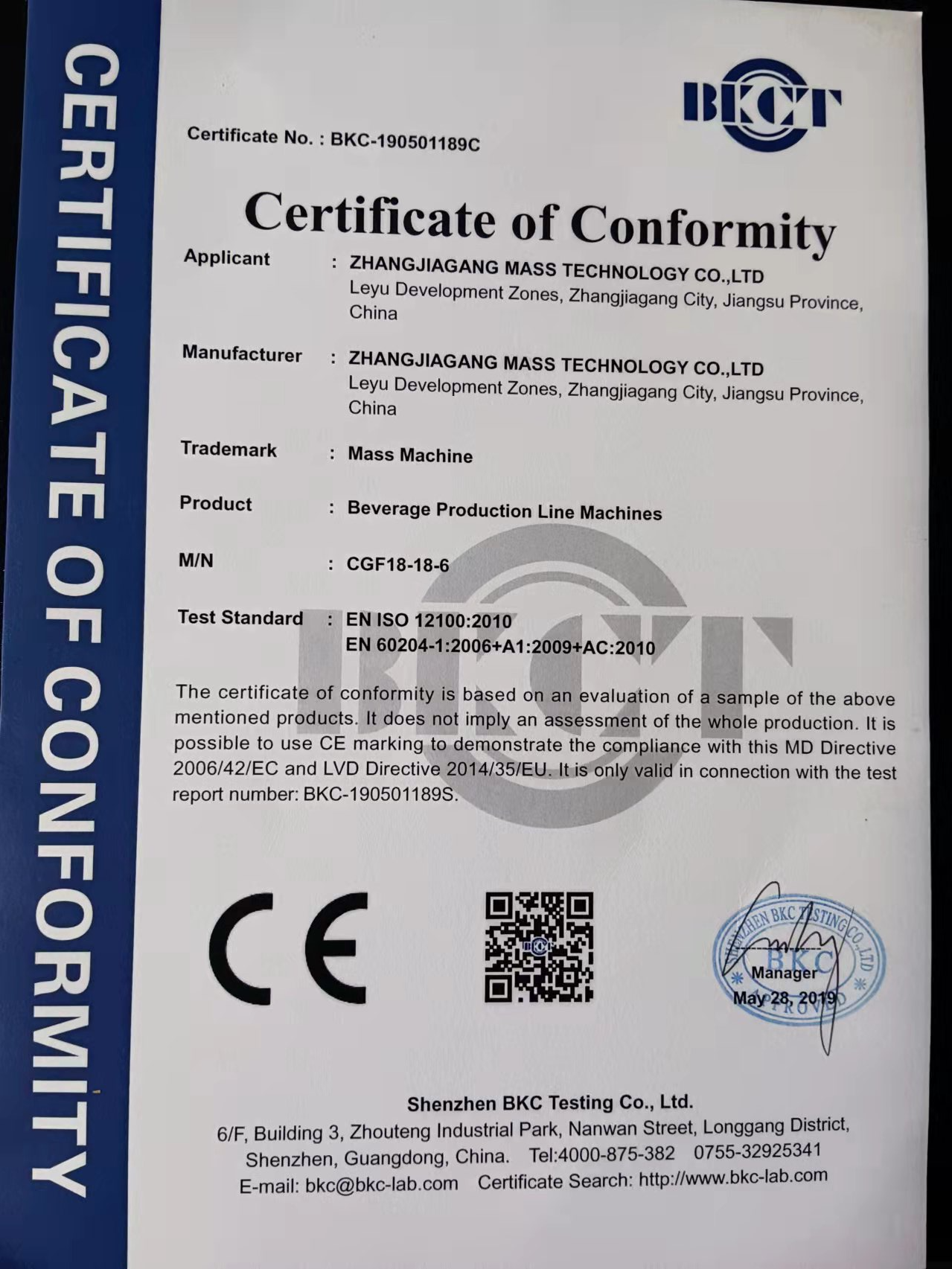
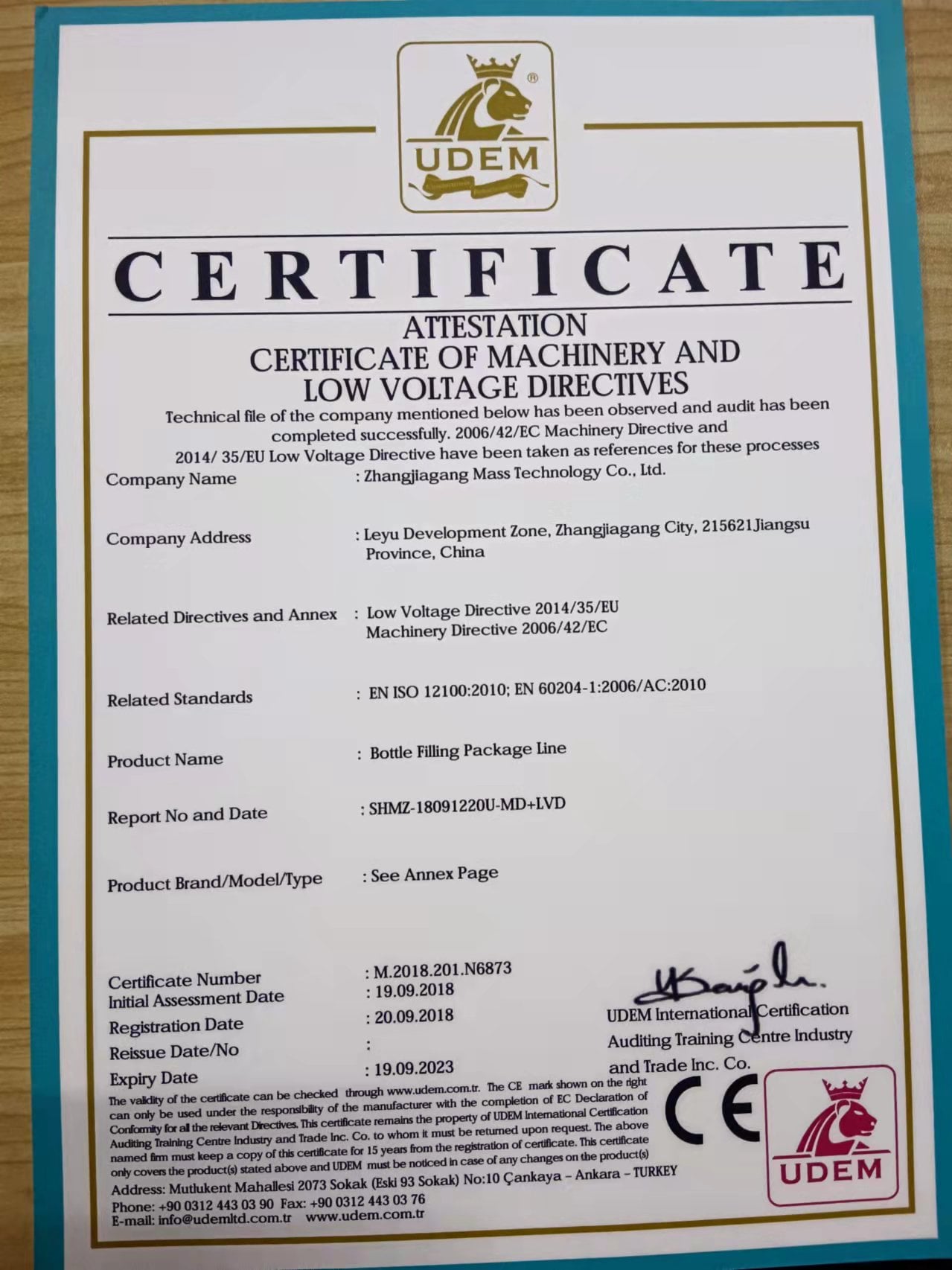
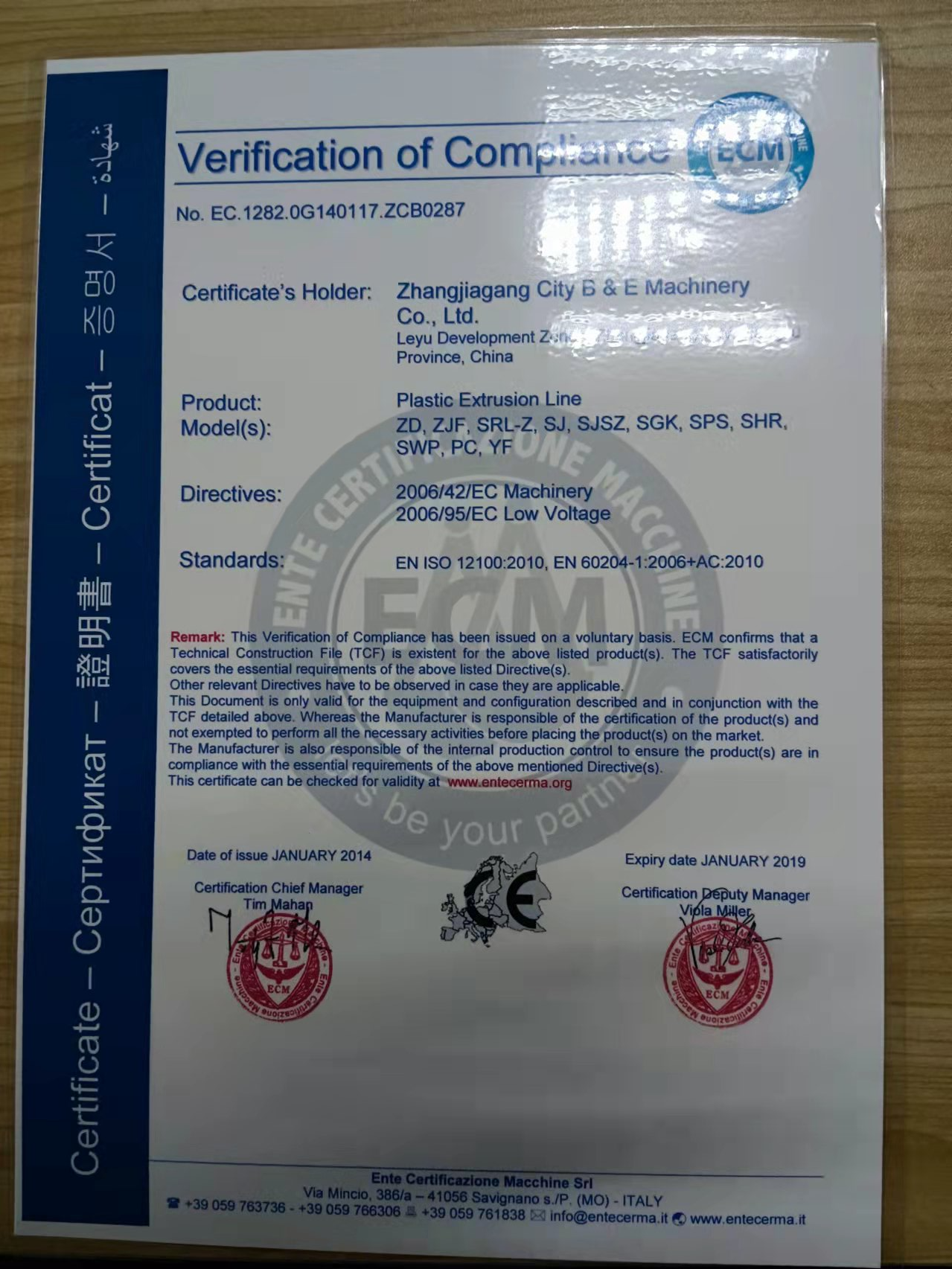
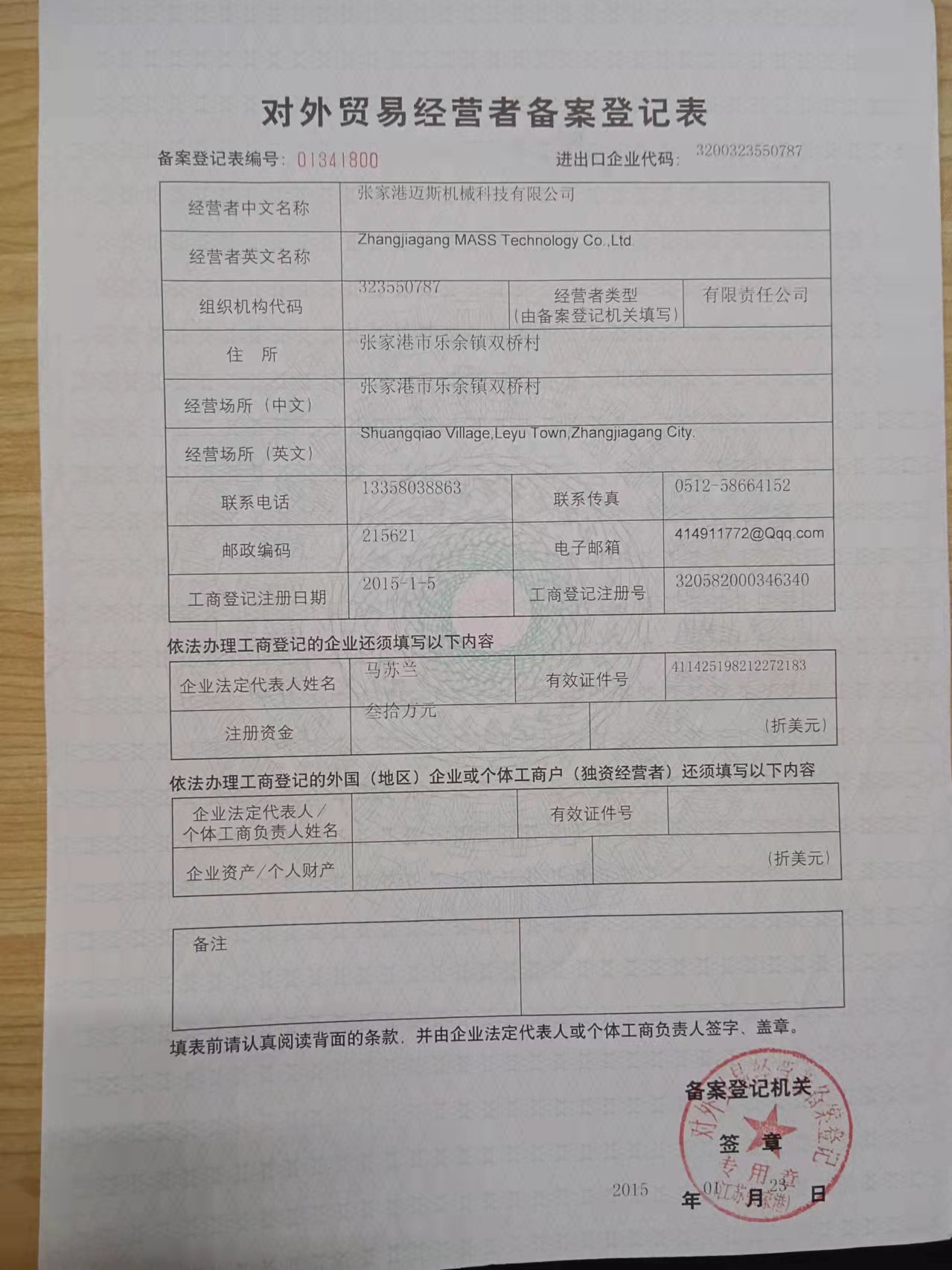
The basic machine is foundry modifiable to regional standards. Mass will work with what you want: geometry of barrels, cap mechanism or refill module, or language of the HMI- most change is at the tooling level rather than the control software level.
CE-MD2006/42/EC
ISO 9001Quality Mgmt
EN ISO 12100Machinery Safety
IEC 60204-1Electrical Safety
RoHSRestricted Sub.
Buyer Advisory · What to request from any pen machinery supplier
Never to be signed without, in writing, before hand: specifications of certifying body and notification number (failing to supply in advance of purchase implies problems ahead).
- CE Declaration of Conformity: the actual notified body information (verify company actually notified).
- ISO 9001 scope of certificate validity (ensure this pen manufacturing machinery is included in scope).
- Risk assessment documentation under EN ISO 12100 methodology.
- Sample bilingual operator manual (check buyer-language supported).
- Spare-parts price list with international delivery commitments in writing.
Gel Pen Assembly Machine Procurement Guide — Pricing, Lead Time, and Global Support
Buyer focus: Management & Decision makers what actually triggers a purchase order this quarter.
This section answers the procurement questions buyers send to Mass before putting in an order – pricing structure, lead time, terms, quantity, after-sales packaging. The figures below are meant to be indicative; for a real quote, send us configuration details, destination port, shipment date, and target order amount – a quotation within 24 hours.
Pricing tiers — indicative FOB Shanghai ranges
Entry M50
$6,000 – $12,000
Includes
Machine, standard PLC, operator manual, online commissioning support
Best for
Pilot lines, <200K units/month
Mid M120
$18,000 – $32,000
Includes
Machine, premium PLC choice, on-site commissioning option, full operator training
Best for
Mid-volume OEM, 200K–600K units/month
Flagship M200
$35,000 – $55,000
Includes
Machine, premium PLC, on-site commissioning, full training, priority spare-parts stock
Best for
High-volume export, >600K units/month
Price ranges are driven by configuration choices: PLC brand, HMI language pack, add special tooling for exotic pen shapes, optional vision-system defect inspection, shipment Incoterms. The total package for a complete turn-key gel pen manufacturing line – injection moulding plus vacuum centrifugal refill machine plus assembly plus printing – will typically add $50,000 to $120,000 to the assembly machine prices below, depending on tier, target output.
Lead time, MOQ, and payment terms
Lead time
30-60 days from receipted confirmed deposit, depending on tier and current production queue. Peak season flagship M200 orders can run out to 70 days lead time.
Min order
1 set. We stay flexible on initial orders and actively support pilot-lot stepping stones.
Terms
30% T/T deposit on order receipt, 70% T/T on dock receipt before shipment. Letter of Credit terms discussed on a case-by-case basis for orders above $30,000 in value.
Custom configurations
Add 10-20 days to normal lead time. Most regional pen geometry modifications are tooling changes not engineering redesigns.
After-sales coverage and global support
Coverage element
Mass commitment
Warranty term
2 years, full machine including all parts (PLC, pneumatic actuators, cam assemblies)
Engineer response time
Within 24 hours of inquiry, 7 days a week
International spare-parts delivery
5 working days via DHL or FedEx from Zhangjiagang to buyer’s port
On-site commissioning
Available for Mid and Flagship tiers; engineer dispatched to buyer’s facility for installation and operator training
Remote diagnostic support
Mitsubishi and Siemens PLC remote programming sessions; HMI screen sharing for fault diagnosis
Operator training
3–5 day on-site programme; English and one buyer-specified language
Production Cost ROI Calculator · coming soon as an interactive tool
Calculate a suggested Mass tier, estimated annual operating cost, and time to recover your current center of mass by entering your target per-month production, current hand-assembly cost per pen, average local labour wage, and electricity fee below. This calculator is built using the industry sector hidden-cost analysis published in the competitor comparison section above. Coming in the following website update, or: send us your inputs below and the engineering team will do the calculation for you manually in 24 hours.
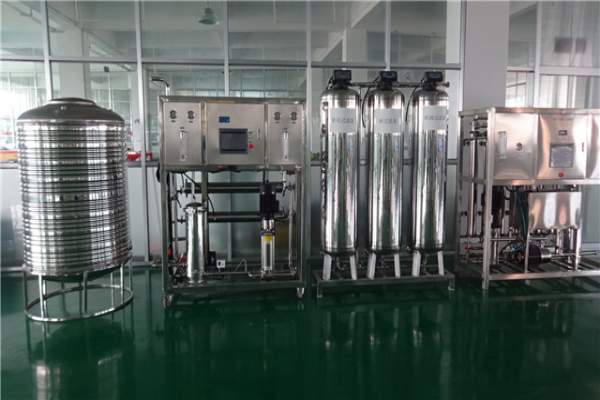
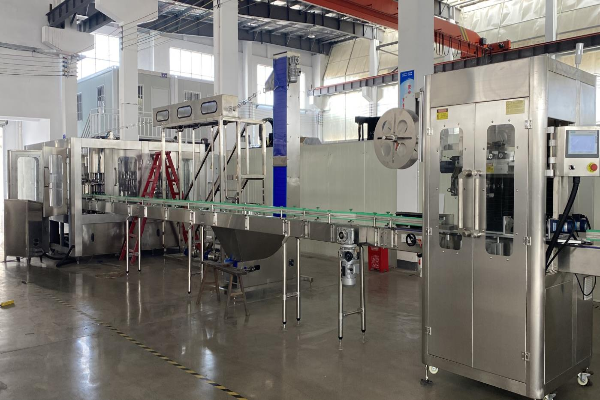
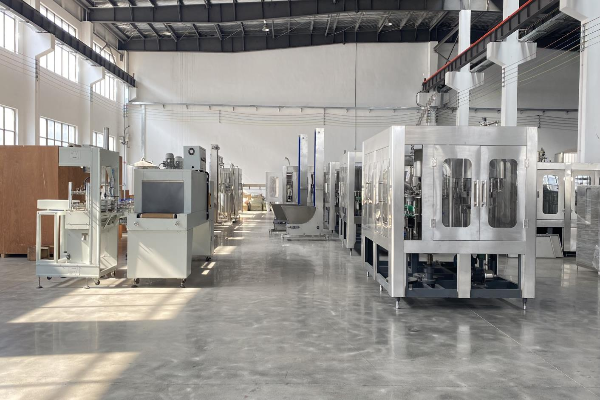
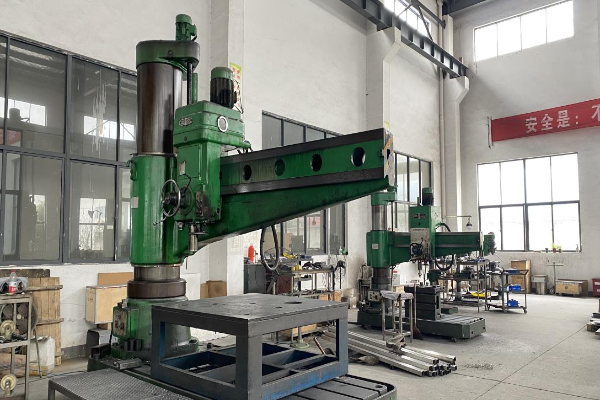
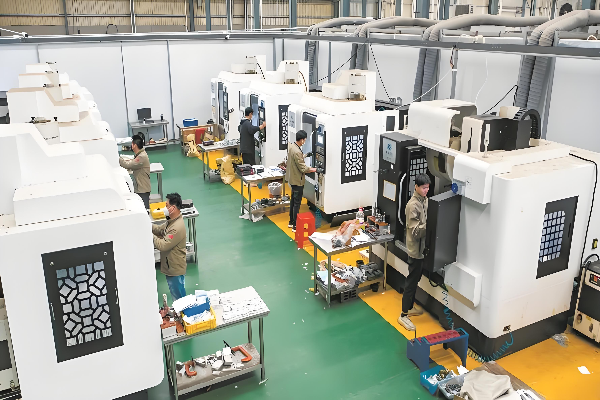
Advanced Manufacturing & Precision Infrastructure

Interactive Evaluation Tools for Procurement
Gel Pen Production ROI Calculator
Input your operation parameters. Receive a Mass tier recommendation, payback period, and 5-year cost outline.
Mass Gel Pen Machine Tier Selector
Pick your monthly output target and shift pattern. Get a tier recommendation in seconds.
5-Year TCO Comparator
Side-by-side: Mass gel pen assembly machine vs a generic Alibaba aggregator. See where the cost-of-quality gap really lives.
FAQ — Gel Pen Making Machine
The machine is made of five modular sub-systems: PLC-driven ganged timing control, vibration-bowl feeding for each component (barrel, refill, spring, knock, gear, cap), mechanically driven cam transmission, pneumatic presses for insertion and final assembly, high-resolution data-capture station which locates and verifies sub-assemblies prior to engaging the following process. A human operator feeds the machine, pushes the start button, and receives accumulated finished pens down the conveyor; the PLC engine’s logic recorded faults and extracted fault signals displayed on the interface as needed to troubleshoot jams and shortages.
Four pen series are delivered with standard tooling: gel pen, ballpoint pen, neutral pen, and marker pen. Each tool set supports a range of barrel geometries (7mm-16mm depending on pen series) and refill types (wet gel, oil-based, hybrid water-based, solvent fiber-nib). Additional tools – for anodized-metal barrel pens, strange-yet-beautiful cap shapes, or weird refill lengths – are delivered as TBD injection mold modifications and completed in 10-20 days.
Per shift output depends on tier and shift length: an Entry M50 in an 8-hour day produces 24k pieces, a Mid M120 57k, a Flagship M200 96k. With three-shift 24/7 operation, monthly production is about 2.4mm unit (Entry M50) to 7.2mm+ (Flagship M200) units. Architectural goal is endurance continuous flow – the machine holds 24-hour duty cycles with anticipated maintenance window.
Assembly only is from about $6,000 (Entry M50) to $55,000 (Flagship M200) FOB Shanghai, depending on tier and whether the customer requires a single machine or a turn-key production line that also includes injection moulding, ink refill filling, printing, etc. Engineering team quotations given within 24 hours of inquiry, with prices calculated by appropriate PLC brand (Balluff, Siemens, Panasonic), with or without optional vision inspection, with or without custom tooling, and with or without purchase-shipment Incoterm. Depending on configuration, costs between about 4,500USD (Entry M50) and 9,950USD (Flagship M200).
Delivery lead time is normally 30-60 days from receipt of confirmed deposit, Flagship M200s ordered in peak season can extend to 70 days. Custom tooling takes 10-20 days more. Minimum order quantity is one set, Mass accepts pilot and phased order proposals in which the customer steadily adds more machines over months/years to the same line as sales increase.
Yes, for Mid and Flagship orders. A Mass engineer will visit the customer’s premises, helping build the machine and pneumatic controls, configure the PLC and HMI for the customer’s network, train local operators during 3-5 days of English- and customer-language specific content. Entry equivalents receive remote support for commissioning via screen sharing plus a written operators manual; external deployment of engineers is charged additionally.
Yes. Most regional pen variations, including slightly varied barrel diameters, custom cap shapes and different knock-mechanisms, can be accounted for by a tooling change rather than a machine change, postponing lead time 10-20 days or so. Major structural modifications (changing material base, creating an exotic refill, adding electronic components) can be supported by engineering planning; engineering will respond to engineering questions within 48 hours.
CEpliance conformity for machinery safety (commissioning package contains risk assessment and EN ISO 12100 verification and IEC 60204-1 electrical safety documentation), and Buzotos quality management system endorse pen manufacture machines for import into European Union/EFTA states. EU RoHS is observed as well. Supporting paperwork – Declaration of Conformity, copies of test reports, risk assessment indicators etc. – accompanies all shipment.
2 years full machine warranty (all components including PLC, pneumatic element, feeding bowl, cam & HMI), parts sent via DHL or FedEx from Zhangjiagang 5 business days after receipt of reliable confirm request. Machine tech support 7 days/week 24 hour via engineer response to all inquiries within 24 hours. This couple-year parts distribution and guarantee program beats generic Alibaba aggregator suppliers’ 6-12 months coverage with 20+ day international parts response time.
Mass runs the entire pen-manufacturing ecosystem in-house.: injection moulding and injection technology for barrels and caps, vacuum centrifugal refill filling, assembly (this machine) and surface printing. Paifeite is specialising in assembly machinery – excels in niche customisation but not able to supply other three stages to its customers in that. Haichen is offering the pen barrel plastic injection moulding machines, but he’s not supplying assembly machines. Generic Alibaba traders mintmachine is re-branded with no engineering organisation or service infrastructure ready to deal with the international buyers. Building a full production programme, this coverage of the ecosystem costs materially less in the co-ordination of vendor’s effort in addition to greatly reduced after-sales contract overheads.
Yes – visits to the factory are highly encouraged and arranged routinely for buyers considering orders over $20,000. The Mass factory in Zhangjiagang, Jiangsu Province (an 2 hour drive from Shanghai) has the pen-machinery production line, the beverage filling and injection moulding lines as well as the engineering office. Visits to the factory follow the format of a visit to the assembly machine production area, an observation of a commissioning trial on an exemplary order and meetings with engineering and after sales personnel. Mass can provide visa invitation letters when necessary.
Ready to specify your gel pen production line?
Please specify the monthly output requirement, pen desire and delivery port. Mass engineering will reply within 24 hours with tier choice and configuration quote including lead-time commitment.