Get in Touch with Masstech
ISO / CE CERTIFIED
Water Filling Machine
Water Filling Machine — CGF, QGF, MS Series from 150 to 30,000 BPH
Mass Technology constructs water filling machines and total bottling lines for PET 5gallon and sachet format. 20 production-ready configurations from a 2,500-BPH sachet line for local startups, etc. to a 30,000-BPH rotary monoblock for export-level bottled water facilities—engineered in Zhangjiagang, shipped FOB Shanghai, and supported with a 2-year warranty, 24-hour engineer response.
20
production models
150–30,000
bottles per hour
50–115 mm
PET bottle diameter
2 yr
parts warranty
24 h
engineer response
5 day
parts delivery worldwide
Production Bottlenecks Mass Filling Equipment Solves
Most bottled water startups and contract packagers don’t fail on demand—the worldwide bottled water market was estimated at roughly USD 292-336billion in 2025 and is growing at 5.9-6.7% annually through 2031. They fail on the production floor. When a bottle filling line goes off-spec in throughput, valve type, or changeover tolerance, it bleeds productivity from day one.
The Financial Impact of Misaligned Production
Industry pro-forma data released by Financial Models Lab reveals logistics alone can take up to 50% of revenue—working capital, on average, can plummet to −USD 211,000 by month 11—even on a profitable plant. Root cause has little to do with the water. It is the misaligned combination of filling capacity, bottle format, and changeover tolerance.
3-in-1 Monoblock Integration
A water filling machine combines rinsing, filling, and capping into a single monoblock—this integration causes bottled handling, sanitation, and dose control to take place within a single rotational path. Format engineers refer to this system as 3-in-1. Mass Technology builds this monoblock for four product ranges including still water, mineral water, spring water, 5-gallon HOD jars, and PE sachet packaging.
Precision Changeover Tolerances
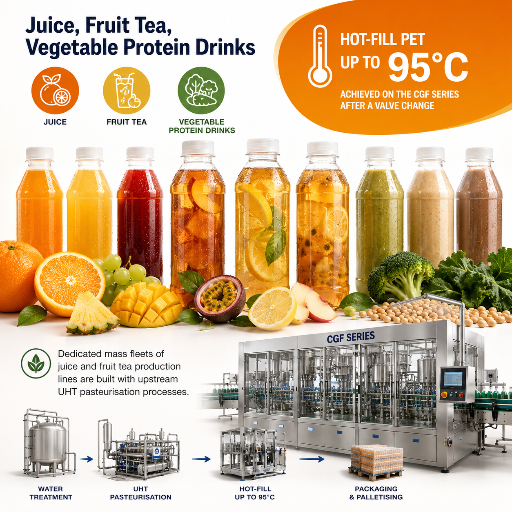
Mass series numbers (CGF, QGF, MS) provide information on the exact quantity of rinse, fill, and capping heads within the machine, allowing your specification to match its production output. In the field, this means: rinse, fill, and cap a 500ml pet bottle every 0.12 seconds, then switch over to a 1,500ml bottle within a single shift, and run the same monoblock on juice or tea once the valve is transitioned, without the costs of a second line. Procurement teams abhor surprises—and this sheet aims to show you them early, offering clear price tiers in section8.
Mass Technology Bottling Series — Comprehensive Solutions Across All Formats
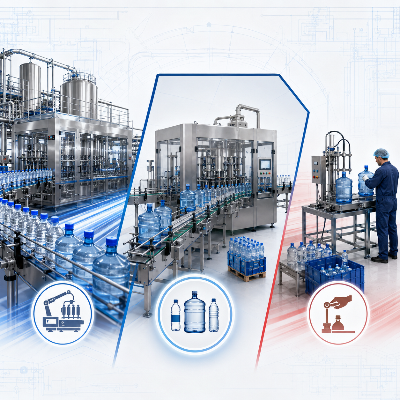
Mass Technology supplies specialized product ranges designed for distinct production capacities and bottled formats. Our comprehensive solutions cover everything from Mineral Water Filling and Sachet Water Machines to 5 Gallon Water Filling Machines and Small Scale Water Bottling. These standalone systems can also be integrated into a highly efficient Complete Water Bottling Line.
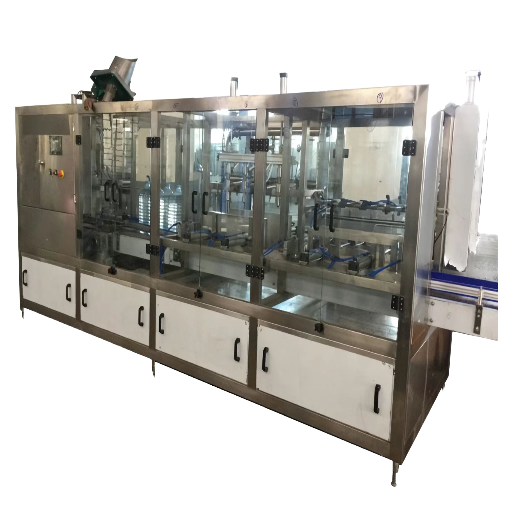
High-Speed Rotary
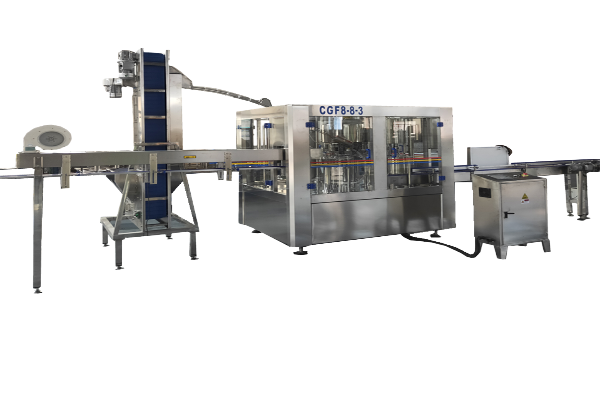
Mineral Water Filling
The CGF rotary mono-block is the workhorse of our Mineral Water Filling line, serving non-carbonated still waters, mineral waters, and PET-bottled spring waters (200ml to 2L).
Featuring suspended bottle neck gripping, a 50-115mm bottle diameter envelope accommodates almost all commercial PET water bottles on the market.
| Model | BPH @ 500ml | Bottle Dia. | Power |
|---|---|---|---|
| CGF 8-8-3 | 2,500–3,000 | 50–115 mm | 3.91 kW |
| CGF 16-12-6 | 3,500–4,000 | 50–115 mm | 4.61 kW |
| CGF 24-24-8 | 8,000–12,000 | 50–115 mm | 5.41 kW |
| CGF 40-40-12 | 15,000–18,000 | 50–115 mm | 9.63 kW |
| CGF 60-60-15 | 26,000–30,000 | 50–115 mm | 15.0 kW |
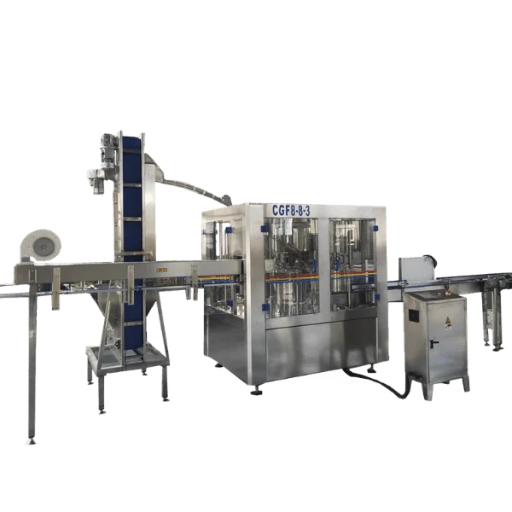
Linear Compact
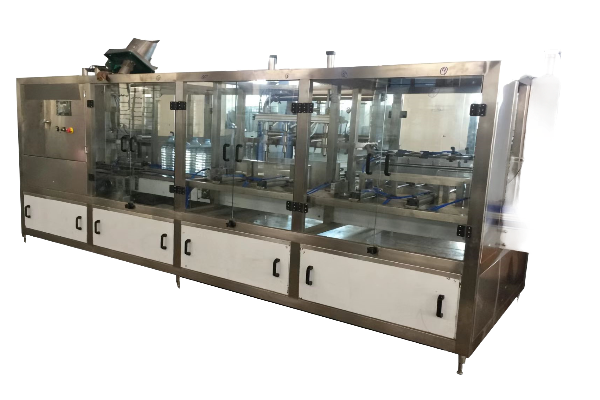
Small Scale Water Bottling
Designed for compact spaces, regional startups, and emergency water stocks, our Small Scale Water Bottling equipment includes linear-track models ideal for 3L to 10L large-format PET bottles.
The linear tract makes the handling and sealing of large, heavy bottles highly feasible while maintaining exceptional hygiene standards.
| Model | BPH Output | Applicable Formats | Power |
|---|---|---|---|
| CGF 4-4-1 | 400–500 | 3L – 10L PET | 2.5 kW |
| CGF 8-8-1 | 800–1,000 | 3L – 10L PET | 3.2 kW |
| CGF 12-12-1 | 1,200–1,500 | 3L – 10L PET | 4.3 kW |
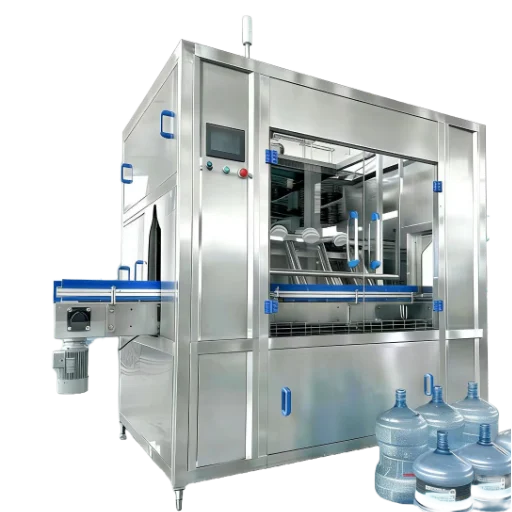
HOD Standard
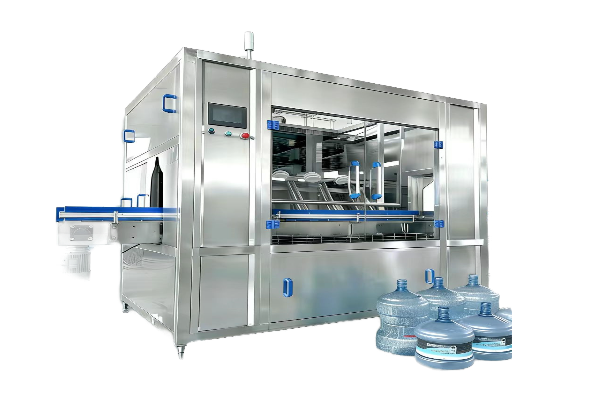
5 Gallon Water Filling Machine
The QGF Series is the industry standard for 5 Gallon Water Filling Machines, catering directly to Home and Office Delivery (HOD) distributors.
Integrates rotary cap removing, intense brush washing, multi-stage bucket sterilizing, and precise normal-pressure filling into one unified system.
| Model | Capacity (BPH) | Fill Volume | Power |
|---|---|---|---|
| QGF-150 | 150 barrels/h | 3–5 Gal (10-20L) | 1.75 kW |
| QGF-300 | 300 barrels/h | 3–5 Gal (10-20L) | 3.8 kW |
| QGF-600 | 600 barrels/h | 3–5 Gal (10-20L) | 7.5 kW |
| QGF-900 | 900 barrels/h | 3–5 Gal (10-20L) | 9.0 kW |
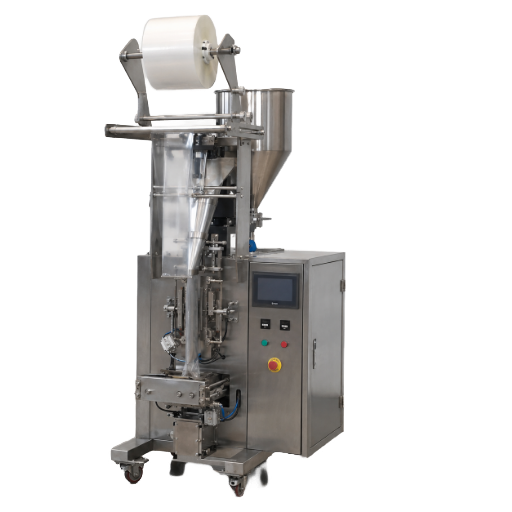
Flexible Packaging
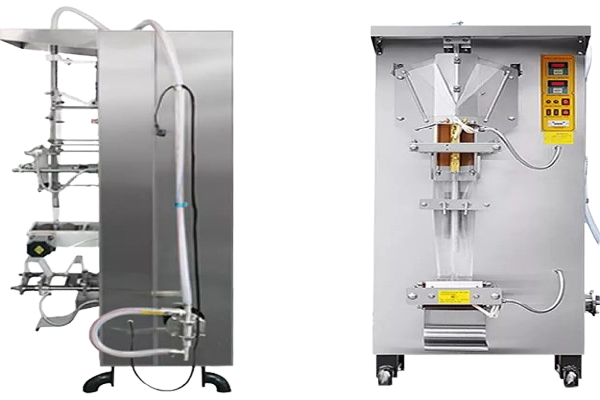
Sachet Water Machine
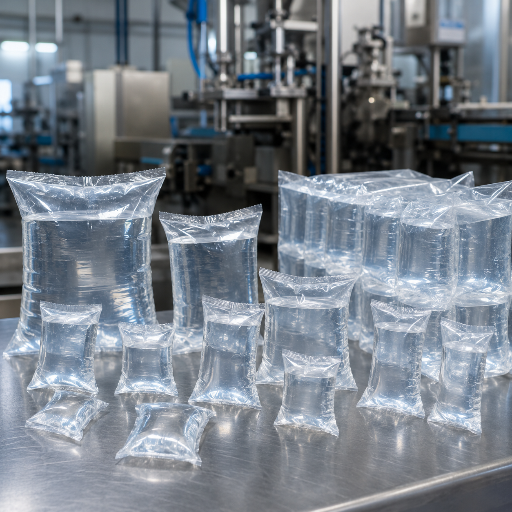
Targeting regional ECOWAS and South-Asian markets, the MS Series Sachet Water Machine operates in a highly efficient conveyorized, single-cycle process.
Executes UV film sterilization, bag forming, precise liquid dosing, heat-sealing, cutting, and date printing in one continuous motion.
| Model | Speed (bags/h) | Fill Range | Film Type |
|---|---|---|---|
| MS-1000 | 2,000–2,200 | 50–500 ml | Single-layer |
| MS-2000 | 1,100–1,300 | 200–1,000 ml | Single-layer |
| MS-Z1000 | 1,100–1,300 | 50–500 ml | Composite-film |
Turnkey Solutions
Complete Water Bottling Line
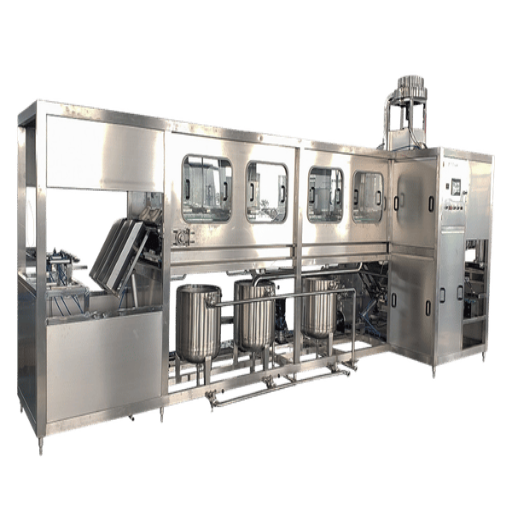
Beyond individual machines, Mass Technology delivers Complete Water Bottling Lines. By integrating upstream and downstream infrastructure, we ensure zero operational bottlenecks.
From reverse-osmosis purification and PET preform blow-molding to final shrink-wrapping and palletizing.
| Stage | Equipment | Core Functionality |
|---|---|---|
| 1. Purify | RO System | Multi-stage filtration, UV/Ozone. |
| 2. Mold | PET Blowing | Converts preforms via air pressure. |
| 3. Bottle | CGF Monoblock | High-speed rinsing, filling, capping. |
| 4. Label | Hot Melt/Sleeve | Applies OPP labels or sleeves. |
| 5. Pack | Shrink Wrapper | Groups bottles into distribution packs. |
Decoding the Mass model number
(read it once, decode any model)
CGFXX-YY-Z
Cleaning·Gauging·Filling rotary monoblock. XX rinse heads, YY filling valves, Z capping heads. Example: CGF18-18-6 indicates that the system uses 18 rinse stations, 18 fill heads, and 6 cappers in its rotational frame.
QGF-NNN
5-gallon (Quintuplet) bottle washer filler capper. NNN specifies barrel output per hour based on 5-gallon spec (e.g., QGF-300 drives 300 five-gallon jars per hour).
MS-NNNN / MS-Z-NNNN
PE film sachet water packing system. NNNN will specify maximum bag-making length in millimeters. MS-Z prefix indicates it is capable of handling composite film.
How a water filling machine works — rinse, fill, cap in one monoblock
01
Stage 1 — rinse
Inverts bottles. Passes through rinse zone where sterile water sprays the inside surface at 0.06-0.2 MPa. rinse residue empties through open neck. For mineral and spring waters rinse containing ozone is provided as the clean in place upgrade.
02
Stage 2 — fill (four valve types)
Mass supports four filling technologies that encompass practically all non-carbonated and lightly-carbonated water specification:
Gravity filling
(product reservoir located above the bottle so height differential is used to introduce liquid until the bottle reached optimal level). Suitable for carbonated and non-carbonated water and low viscosity beverages. Very simple, very fast, reliable.
Volumetric filling
2 piston-cylinder or mass-flow meter doses an exact volume per bottle through a positive-displacement nozzle. Mass-flow Coriolis loops achieve ±0.1 % accuracy. Ideal for premium pricing and dose-controlled SKUs.
Mechanical valve
vent-tube valves close automatically when liquid hits the calibrated level. Best for high-volume still water, fill height tightly controlled.
Isobaric/ counter-pressure
the bottle is pre-pressurised with CO2 prior to fill to avoid foam and lose carbonation. Essential on all sparkling water, carbonated soft drink lines.
03
Stage 3 — cap (capping machine and bottling process integration)
capping machine stage completes the bottling loop. Capper laces closures with servo-driven spinning heads applying torque using programmable rise/ hold/ fall profiles–average 20-30% of target torque on first contact, tapers to target, sinks down then. Capper servo drives sense torque directly using servo current sensing so the capper rejects any closure that under-torques or strips. Stripped caps are by far the number one complaint issue from bottled water customers; servo torque control solves that problem.
Mass vs Traditional Suppliers — A Data-Driven Comparison
Most bottling system buyers reduce their choices to three: European-brand line at premium pricing, Chinese-Rotary OEM at middle tier, or manual (+ semi-auto) line at entry pricing. Here is a deliberately straightforward comparison of bottling system options vs. bottle filling ones–the kind we wish other industry players made public.
| Dimension | European brand | Mass Technology | Manual / semi-auto |
|---|---|---|---|
| BPH range | 10,000–72,000+ | 150–30,000 | 500–1,000 |
| Product families | 1–2 (PET/Glass) | 4 (PET, 3-10L, 5G, Sachet) | 1 (PET only) |
| Filling valves | Gravity/Volumetric | Gravity/Vol/Mech/Iso | Gravity only |
| Turnkey integration | Partner ecosystem | Single contract | No |
| Indicative CAPEX | USD 600K–1.5M | USD 80K–250K | USD 11K–25K |
| Standard lead time | 5–9 months | 25–45 days std | 14–30 days |
| Parts warranty | 1–2 years | 2 years | 30–90 days |
| Engineer response | 48–72 hours | 24 hours | None |
| Parts delivery | 2–6 weeks | 5 working days | 30+ days |
Executive Insight
Straight from the horse’s mouth:
If you are a multinational beverage brand running 36K+ BPH of premium glass with an FDA-audited contract packager, European specifications are the safe pick and the 70-100-year cumulative costs show it. If you are a regional bottled water brand, contract packager, or HOD distributor scaling into a new metro area, the CAPEX gap plus 24-hour onsite engineer response of the Mass line is the economics sweet spot.
Industries and Liquid Compatibility
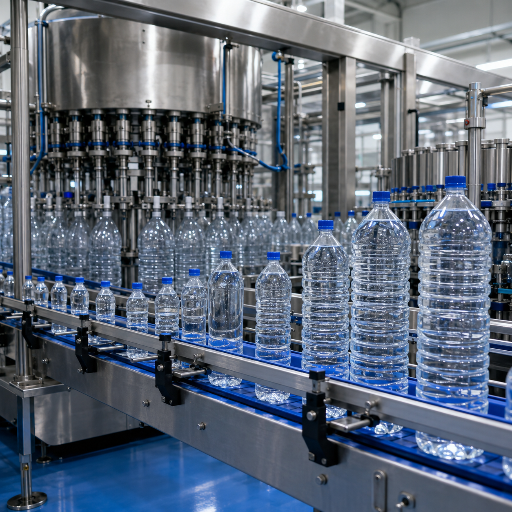
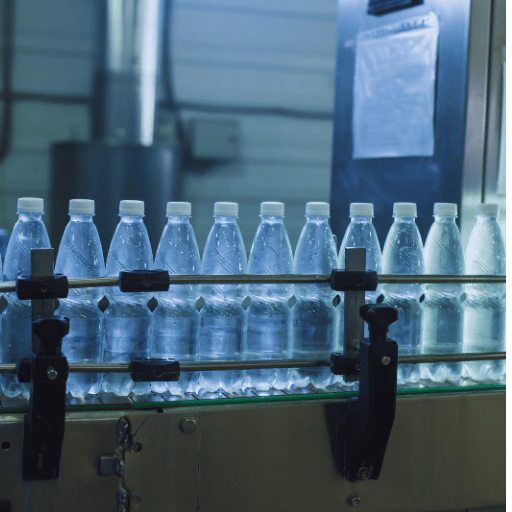
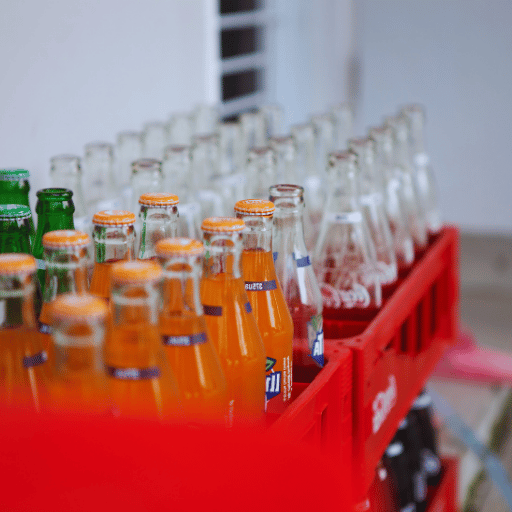
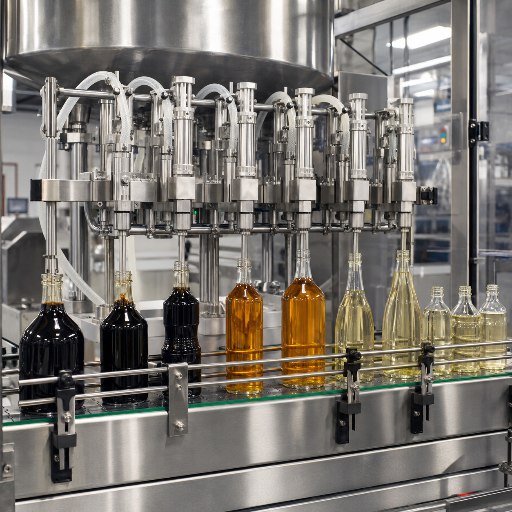
Water filling machines very rarely run just water. The Mass CGF and QGF line design allow for changeovers so one monoblock can run multiple liquids brands on a single production day after a valve, star wheel, or neck guide change.
Customer Results: HOD, Spring Water, and Export Plants
This is the section which is nearly impossible to publish—most beverage brands consider their bottling cost structure commercial intelligence. Figures below are industry sector cost benchmarks—the source is included—rather than case-studies for named clients. Please request our shipped customer lead cards and reference-contacts for your territory through the quote form.
What a Mass-equipped bottled water plant typically returns
20–45 %
Gross margin range, packaged 500 ml PET
1.5–3 yr
Equipment payback, small-to-large scale
USD 0.011
Indicative COGS per 500 ml bottle
6–12 mo
Realistic ramp to 50–75 % capacity
What we have learned shipping CGF lines worldwide
The same patterns repeat. HOD-based distributors operating QGF-150 and QGF-300 lines tend to underestimate bottle washers and find them within their first six months—a brush washer upgrade is now standard within our delivery. Customers from our export volume base—CGF40-40-12 lines—typically reach about 80% of huls and minutes whenever their preform supply chain becomes reliable—industry sector considered output figures for the typical 6-12 month ramp-up period suggest it is roughly consistent; Sachet (MS-series) operators are consistently able to achieve capacity—film supply issues tend to dominate their expenditure, rather than production issues.
Wanplas, IMARC Group, and JND Water industry sector case-templates and consider pro-forma. Your numbers will differ according to water source cost, packaging profile, route-to-market and labor rates—get a customer specific TCO worksheet before any CAPEX is laid down.
Certifications, Standards, and Quality Control
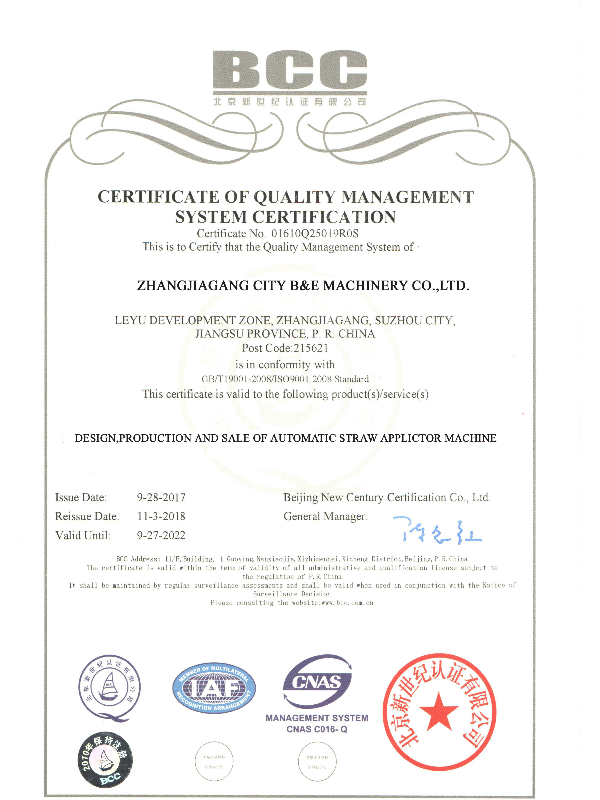
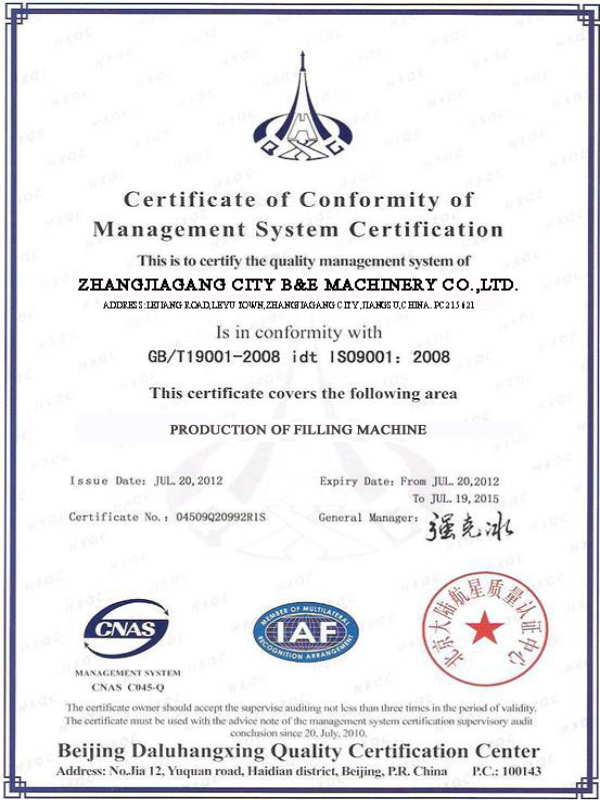
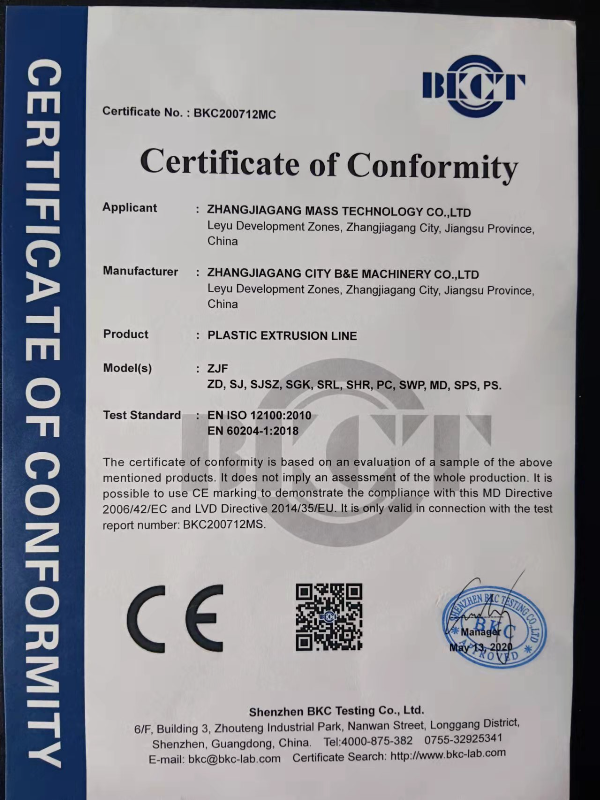
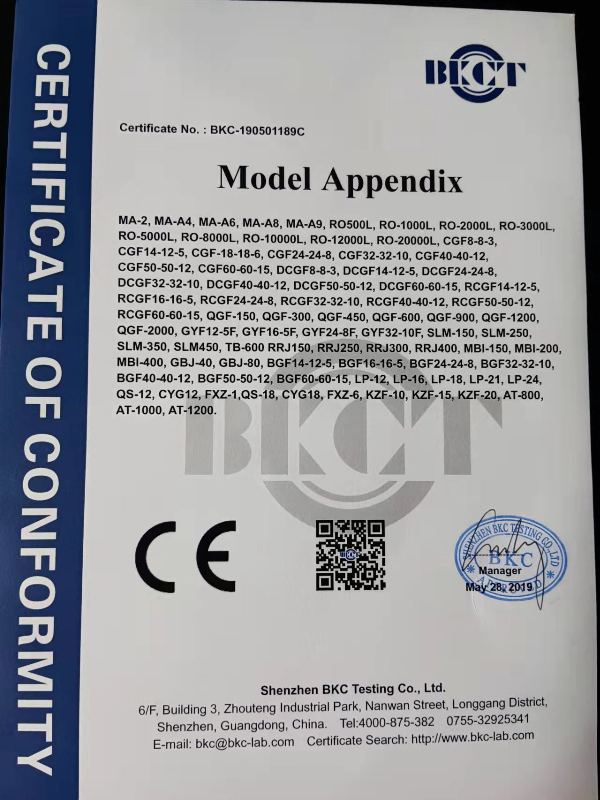
Mass Technology conducts equipment production to the European Union, United States, Middle East, ASEAN, and Latin America safety indicator band of standards. The below marks and declarations confirm the packaging-sector standard which our quality department audits before any line is shipped.
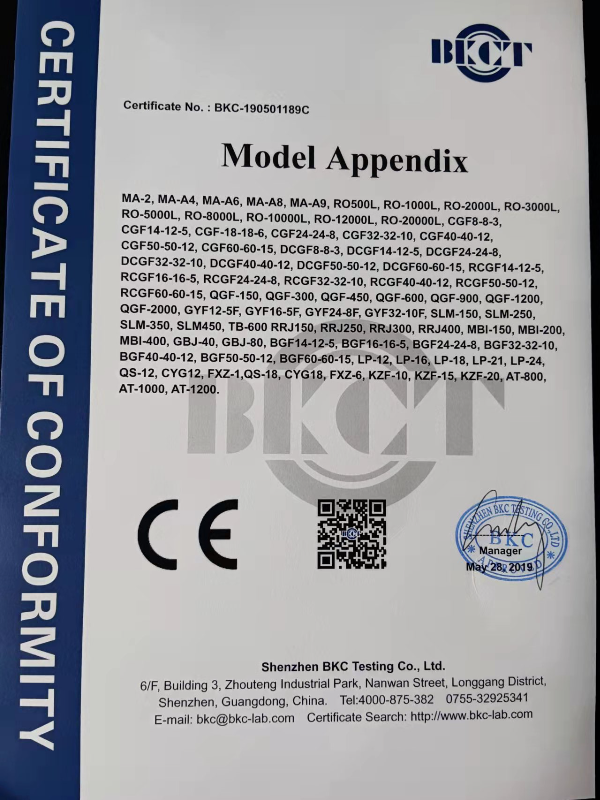
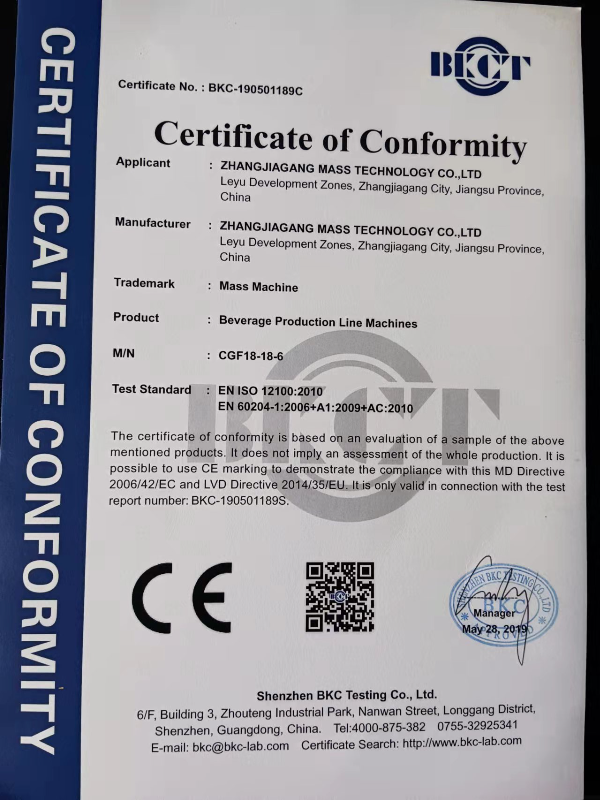
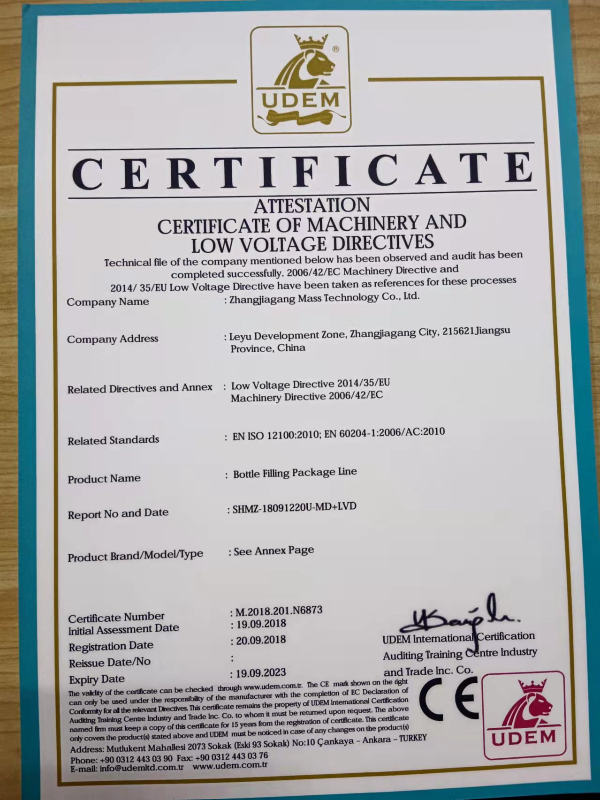
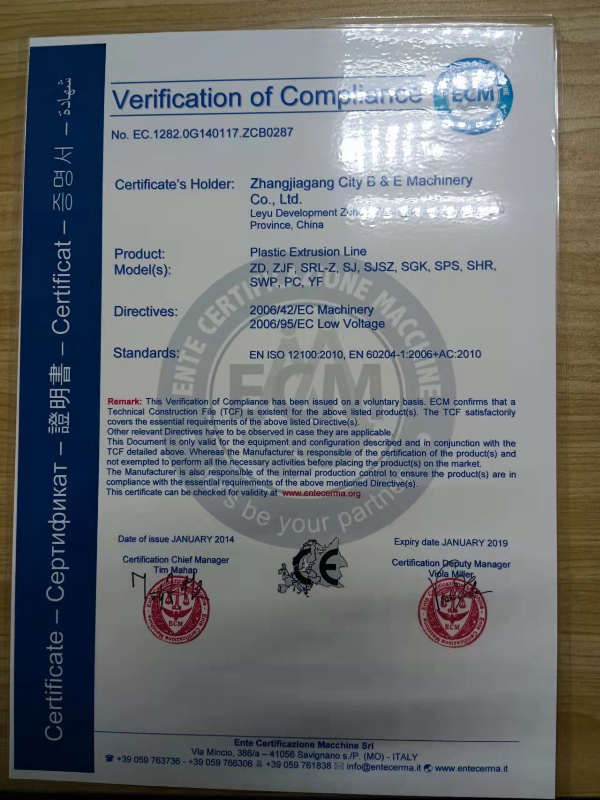
CE
Machinery Directive 2006/42/EC
EN 12463
Filling machine safety & hygiene
EN ISO 12100
Machinery risk assessment
ISO 9001
Quality management system
SGS
Third-party inspection on request
304/316L
Stainless steel contact parts
What CE actually means for a water filling machine
A CE mark on a filling line confirms the manufacturer has met the basic safety risk assessment requirements of Annex I of Directive 2006/42/EC, plus the critical health and safety indicator specifications for machinery in contact with consumables—pickled, smooth, and easily maintainable surfaces, resistant to sterilant disinfectants, noise limits, and foreign-body infection potential.
EN12463:2004+A1:2011, the applicable phase-C standard is the machinery for all food processing together with connected equipment specified as safe and hygienic by its provision. When exporting bottlers to the EU, please note the EU Directive is being phased out through the new regulation EU 2023/1230, which becomes enforceable beginning January 20th 2027. Mass technical specifications are being established to meet the new limits so installed equipment—now—will not require retrofitting.
Quality control inside the Mass factory
All CGF, QGF and MS units ships with a dedicated factory acceptance test (FAT) protocol recording rinse pressure, fill precision relative to customer-supplied bottle, cap torque profile over a 30-minute production run, and cleaning verification.
Customer engineers are welcome on-site for FAT at Zhangjiagang before-shipment. When on-site FAT is impractical, we record FAT runs on video and stream a live walk-through on demand.
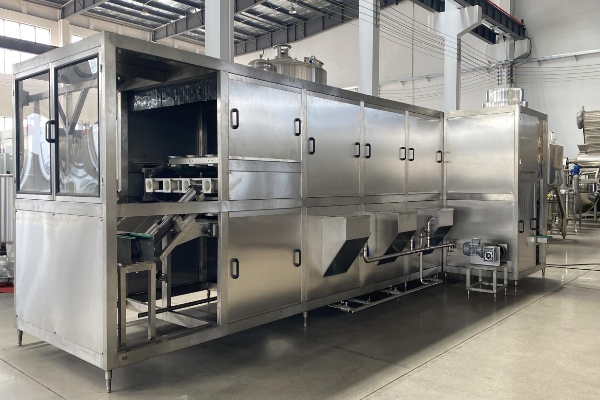
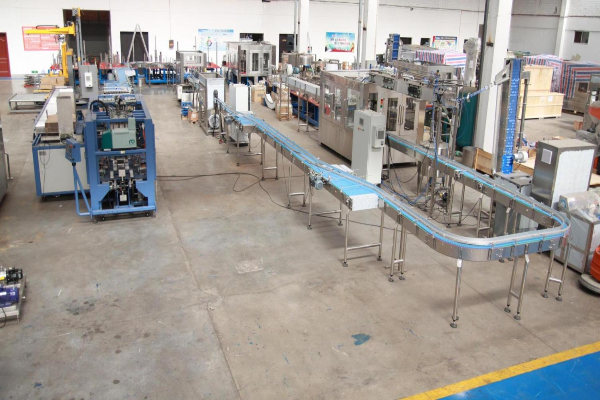
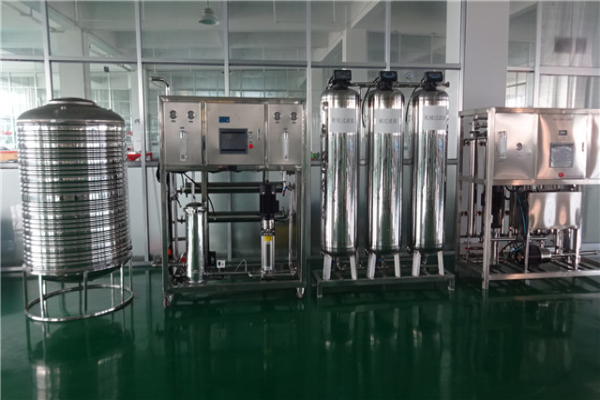
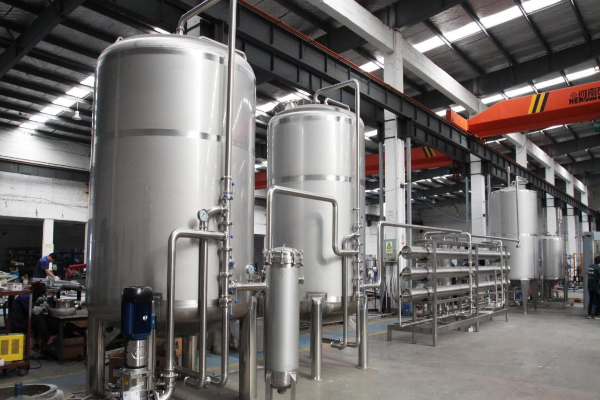
Advanced Water Filling Machine Manufacturing Facility
High-Speed Bottling Line in Action
Intelligent Manufacturing & Precision Assembly
01

02

03
04

05
06
07
08
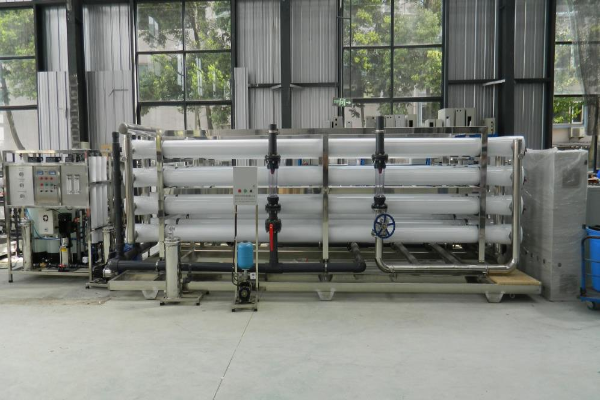
Procurement Guide — Pricing Tiers, MOQ, Lead Time, and After-Sales
Most water bottling equipment landing pages stop at “contact us for a quote.” That is not informative for a CAPEX request-maker assembling a procurement pack. Four price bands below are quoted on the basis of Mass quotations issued through 2024 and 2025; your precise figure depends on bottle format, voltage, valve type, auxiliary equipment and landing port, but the bands are instructive for the bulk of standard configurations.
Tier 1 — Entry
USD 11K–25K
- MS sachet machines (single unit)
- CGF 4-4-1 Linear
- Small CGF semi-auto starter
- Ideal for regional sachet plants and pilot lines
Tier 2 — Mid-volume
USD 25K–80K
- CGF 8-8-3 through CGF 24-24-8
- QGF-150 through QGF-450
- 3–10 L linear lines
- Ideal for regional bottled water brands
Tier 3 — High-speed
USD 80K–250K
- CGF 32-32-10 through CGF 60-60-15
- QGF-600 and QGF-900
- Ideal for export-scale bottled water plants
Tier 4 — Turnkey plant
USD 250K–800K+
- RO water treatment 0.5–50 T/h
- PET preform blow molding (140–800 T injection)
- Full CGF filling line
- Labeling, code spraying, shrink-wrap, palletizer
Hidden costs to plan for (industry pro-forma data)
An often-overlooked failure mode of greenfield bottling plants is distribution: an industry-adjusted model issued by Financial Models Lab demonstrates net distribution costs can grow to consume half of revenue across unfavorable route-to-market geographies. The same equation shows that even on a profitable greenfield plant, working capital can fall to a deficit of roughly −USD 211,000 by month 11 if credit terms accelerated with the plant throughput ramp. Budget a 6-12-month ramp-up projection into your cash model and secure pre-sold offtake calculations for the first three months before committing to purchase equipment.
MOQ, lead time, payment, after-sales
Interactive Planning & Configuration Tools
Bottled Water Plant ROI Calculator
Enter your plant parameters. The calculator returns gross margin, payback period, and annual gross profit using industry pro-forma ranges from Wanplas, IMARC Group, and JND Water.
Access CalculatorMass CGF/QGF/MS Model Number Decoder
Mass model numbers encode the actual mechanical configuration of every water filling machine we ship. Type in any model number to decode rinse, fill, and capping head counts plus throughput class.
Decode Model NumberFrequently Asked Questions
Semi-automatic compact small CGF or MS sachets units on design outputs available from ~$11,000- to $25,000; small rotary high-volume CGF systems producing 4,000 to 12,000 bottles are in the $25,000— to $80,000—price band; high-cadence rotary high-volume CGF systems producing greater than 14,000 bottles are in the ~$80,000—to $250,000—price band. Turn-key plant including water treatment, PET blowing, fmg, cap, and pack lines begin in the $250,000—price band.
Mass CGF range runs 2,500-30,000 bottles per hour at 500ml. Our slowest, CGF8-8-3, is 2,500-3,000 BPH; our fastest, CGF60-60-15, is 26,000-30,000 BPH. Rate per head is 10-12 BPH with 2 second dwell on a 24 head fill turret; 10-20 BPH for the same dwell number on larger turrets. Tagtag up from 350ml to 1.5L on the same bottle in 1.0 second dwell and a 24 head turret – no problem.
Sure. The CGF rotary monoblock accepts any round or square pet bottle with neck diameter 50-115mm. Changeover takes a bit more than one hour to swap the star wheel, the neck guides, and the capping head adapters. Trained operators completes a full changeover in well under one shift. Going from 350ml to 1.5L on the same monoblock is just a matter of adjusting the bottle height mechanically, continuous scaling.
Gravity valves use a fixed product reservoir over the bottle and rely on the bottle weight to fill to a calibrated level – ideal for still water and so timeproven in the field. Volumetric valves are piston or mass-flow meter based – count exact ml bottle#s dispensed for %0.1 accuracy on closed loop mass-flow systems. Mechanical vent-tube fill valves are level-sensitive and auto close an auto-seal vent tbe at calibrated fill level. Isobaric (counter-pressure) valves heat or pre-pressurize the bottle with CO2 before filling the water to prevent foaming – needed for all carbonated waters, club soda or sparkling drinks.
Yes. Mass Technology supplies complete PET plant line packages combining RO water treatment (0.5-50T/h), PET preform blow molding (140-800T injection molding plus bottle blowing), the CGF filling monoblock, printing, pasteurising, labeling, code spraying, PE shrink film pack out and palletising. One order, one project manager, one factory acceptance test, and one set of warranty and customer service funds the project.
With scheduled preventive maintenance-daily clean-inspect any failure in year ten of operation, week nameplate changes, seal renewals, lubricate pivots, switches-the stainless-steel CGF or QGF you purchased ten years ago would still be running at best conditions. Replacements we perform at year ten are wear parts (seals, capping torque clutch splines, star wheel pads) they are not structural parts. Mass’ 2-year warranty on parts we ship covers any manufacture defect in this period; after this period parts ship a standard pace of 5 business days from Zhangjiagang.
Industry standard published data suggests take-or-pay margins for packaged 500ml pet bottle water come in a 20-45% band with plant size and raw water source cost. Direct manufacturing costs average about 0.010-0.011USD per 500ml bottle on automated lines. Net profit varies more from route-to-market; distribution costs are so high it may eat up to half of revenues if SKUs do not secure chain retail / corporate contracts. Use a quotation for your bottling equipment to build your plants business case, not your business plan.
CE mark per Directive 2006/42/EC (renewing to Regulation (EU) 2023/1230 prior to 20 January 2027), EN 12463:2004+A1:2011 safe and hygienic filling; ISO 9001 quality management; SGS third-party audits on request. All product contact areas use stainless steel 304-suted steel; high TDS mineral waters may use 316L. Service and compliance docs accompany every order.
How we built this page
Numbers for capacity, power, bottle-diameter and footprint are referenced from Mass Technology factory data sheets for CGF, QGF, and MS series equipment manufactured in our Zhangjiagang plant. Market sizing, payback, and gross margin ranges derived from forth and back industry data from Mordor Intelligence, Fortune Business Insights, Wanplas, IMARC Group, JND Water, and Financial Models Lab. Sources are commented inline. We publish indicative price ranges upfront since efficiency-motivated procurement managers who short-list us say that lack of transparency is the single biggest contributor to quotes becoming unattainable. Your final figure may differ; the range won’t.