Get in Touch with Masstech

CE & ISO 9001 Certified
Shrink Sleeve Labeling
Shrink Sleeve Labeling Machine — Full-Body Decoration & Tamper-Evident Applicator | Mass
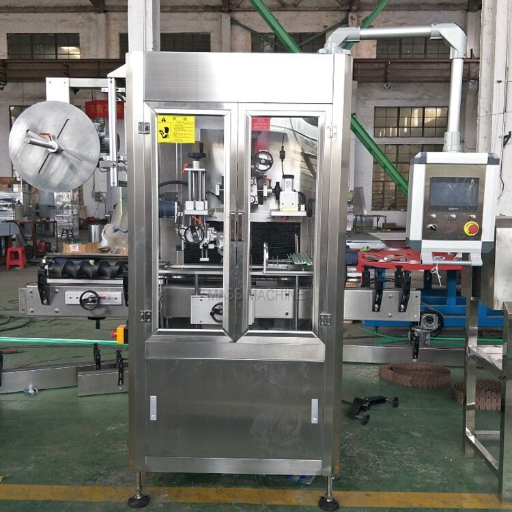
Mass shrink sleeve labeling machines coat PVC, PET-G, and OPS sleeves on 28-125 mm bottles at 30-300 cpm-full-body, partial-body, and tamper-evident bands on a single mandrel system. Designed for beverage, food, pharma, and personal care production lines, stocked with a two year parts warranty, and a 24-hour response time for field engineers.
// PVC · PET-G · OPS (0.03–0.13 mm thickness)
30–300 cpm
Production Speed
28–125 mm
Bottle Diameter Range
30–260 mm
Sleeve Length Range
2 yr · 24 h · 5 d
Warranty · Engineer · Parts
Slow Changeover and Inconsistent Sleeve Placement Cost You Throughput — Here Is How Mass Shrink Sleeve Labeling Machines Solve It
A shrink sleeve labeling machine plasters a heat-shrunken PVC, PET-G, or OPS film around a bottle and sends the container through a steam or hot-air tunnel that contracts the sleeve until the label complies with the full body of the bottle; or the top and bottom of the partial-body bottle. All M-Series machines automate the cut, the application, and the shrink in one continuous run-the manual heat-gun process still used in some craft operations, and the reduced placement accuracy in high-volume bottling plants.
Beverage and personal care manufacturing equipment operators we work with leave the craft packaging plants with one of four losses before they implement a Mass sleeve labeling solution:
Three production tiers run on the same M-Series mandrel platform: each model running, each running a PLC controller with foreign servo motors, a servo driver, and a variable frequency converter on a 304 or 316 stainless framework. A variable-power shrink tunnel consumes between 18-36 kW to adjust for temperature of different sleeve stock-tuning the labyrinth to the desired sleeve. This architecture lends itself naturally to full-body sleeves, partial body sleeves, and tamper-evident bands without switching equipment. Each sleeve placement is indexed into or out of position to within a half-millimeter at around its rated CPM.
Mass M-Series Shrink Sleeve Applicator Models
Speed Tier × Container Compatibility
Mass develops three levels of production with the same M-Series mandrel system, each one capable of running the whole production range (28-125 mm diameter, 50-280 mm length); and the entire sleeve range (PVC, PET-G, OPS, 0.03-0.13 mm thickness); in terms of number of containers per minute and automation level, which together translate into the capital expenditure. All the models permit tamper-evident film strip augmentation without mandrel hardware retrofitting.
Three M-Series tiers cover 30-50, 100-150, and 250-300 cpm production speeds on the same mandrel platform.
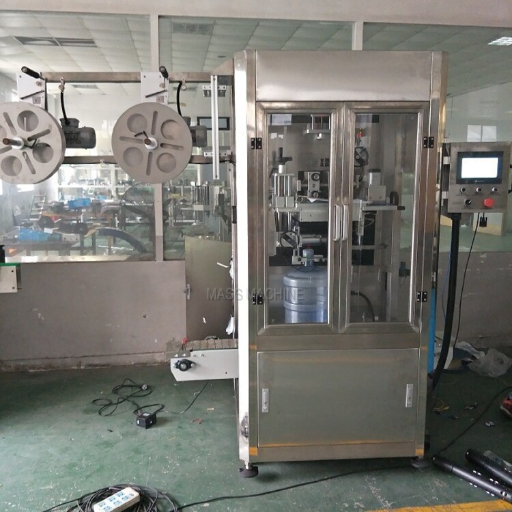
Entry tier
M-30 / M-50
30–50 cpm- Best for
- Craft beverage, R&D pilot lines, low-volume cosmetics, tamper-evident bands
- Sleeve length
- 30–260 mm
- Bottle range
- 28–125 mm Ø · 50–280 mm H
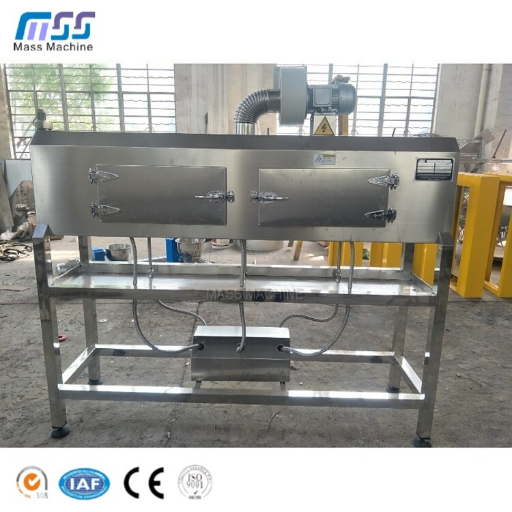
- Shrink tunnel
- 18 kW (steam or hot-air)
- Framework
- 304 stainless steel
- Bottle shapes
- Square, round, oval, flat
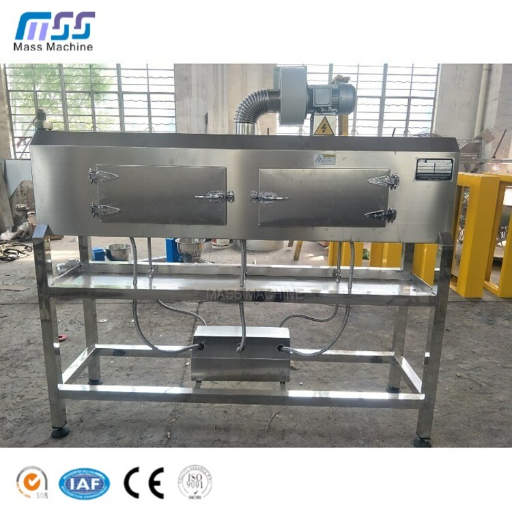
Mid tier
M-100 / M-150
100–150 cpm- Best for
- Standard beverage lines, juice/fruit-tea, mainstream personal care packaging
- Sleeve length
- 30–260 mm
- Bottle range
- 28–125 mm Ø · 50–280 mm H
- Shrink tunnel
- 24–30 kW (dual-zone PID)
- Framework
- 304/316 stainless steel
- Bottle shapes
- Square, round, oval, flat
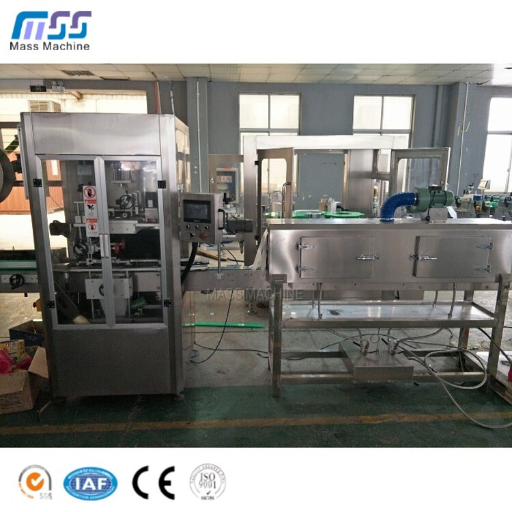
High tier
M-250 / M-300
250–300 cpm- Best for
- High-volume mineral water, carbonated drinks, multi-pack shrink lines
- Sleeve length
- 30–260 mm
- Bottle range
- 28–125 mm Ø · 50–280 mm H
- Shrink tunnel
- 30–36 kW (multi-zone PID)
- Framework
- 316 SS (food-grade contact)
- Bottle shapes
- Square, round, oval, flat
Shrink Sleeve vs Stretch Sleeve vs Pressure-Sensitive Labels — Decision Matrix for B2B Procurement
Procurement decisions pitting three labeling technologies against each other often come down to container shape tolerance, decoration coverage, and the value premium that needs to be paid for tamper-evident packaging in pharmaceutical and nutraceutical channels. Stretch sleeve labeling cannot deliver tamper-evident bands with equivalent security strength – shrink sleeve remains the gold standard for FDA-packaged pharmaceutical and supplement packaging that needs an auditable seal.
| ★ The Gold Standard Shrink Sleeve | Stretch Sleeve | Pressure-Sensitive | |
|---|---|---|---|
| Label material | PVC · PET-G · OPS film, 0.03–0.13 mm | PE film, 50–80 µm | Paper or BOPP roll, 60–100 µm |
| Decoration coverage | 360° full body · partial body · tamper-evident bands | 360° — stretch-fit only, no tamper band | Front/back panel · partial wrap |
| Bottle shape tolerance | Square · round · oval · flat — high tolerance | Round only — medium tolerance | Round / cylindrical — low tolerance |
| Unit label cost | $$ (mid) | $$$ (high — PE film premium) | $ (low) |
| SKU changeover | 5–15 min on mandrel + servo | 15–25 min — heavier mechanical reset | 3–5 min |
| Tamper-evident option | Native (single machine) | Not available | Requires separate seal |
| Recyclability stream | PET-G compatible with rPET | PE — separate stream | Mixed (label + container) |
PVC vs PET-G vs OPS — Material Compatibility Matrix
What films you select determines both the your shrink tunnel temperature profile and the sustainability story you tell your downstream brand owner. All M-Series machines accept the full 0.03-0.13 mm thickness range, so the choice between PVC, PET-G, and OPS hinges on the packaging application, not the equipment. Below, the matrix summarizes the trade-offs we review with every commissioning team.
| Material | Shrink ratio | Shrink temperature | Thickness range | Clarity | Recyclability | Typical application |
|---|---|---|---|---|---|---|
| PVC | 50–60% | 70–90 °C | 30–50 µm | High | Low (PVC stream) | Mineral water · carbonated soft drinks · entry beverages |
| PET-G | 40–75% | 75–95 °C | 35–50 µm | Highest | High — compatible with rPET stream | Premium beverage · FDA-aligned food · tamper-evident pharma |
| OPS | 55–65% | 75–100 °C | 40–60 µm | High | Medium | Personal care · dairy · cosmetic full-body |
Customer Outcomes — Beverage, Food, Pharma, and Personal Care Production Lines
Mass shrink sleeve labeling machines operate on lines located downstream of a complete application stack we also manufacture water purification from 0.5 to 50 T/H, filling and heat-shrink sleeve packaging at 2000 to 36k per hour PET preform blowing from 140 to 800 ton injection moulding. That application stack counts when the labelling machine requires adaptation into an existing filler at running speed, because already we’ve built the conveyor handoff calibrated for our own kit. IndexBox 2026 projections indicate beverage, food and pharma industries drive market demand for shrink sleeve equipment6, with a CAGR of 4.8% CAGR to 20355 , and it’s these four application stacks our customers most often ship..
M-Series shrink sleeve labelers integrate downstream of Mass filling and bottle blowing equipment.

Mineral water and carbonated soft drinks (M-250 / M-300 tier)
The Mass workhorse pairing: 5,000–36,000 BPH PET filler upstream, M-250 or M-300 sleeve labeler at 250–300 cpm, full-body PVC sleeve at 30–40 µm for entry brands or PET-G at 35–45 µm for premium brands. A 36 kW shrink tunnel handles both recipes through a stored PLC profile. This is the volume tier where the integrated production line argument earns its keep — the shrink labeler is one of seven machines on the line, and the conveyor handoff between filler, capper, and labeler holds ±0.5 mm at full speed.

Vinegar, soy sauce, and wine on glass bottles (M-100 / M-150 tier)
Glass bottles run at higher tunnel temps, so the OPS recipe at 95–100 °C will run cleanly on the M-100. It’s the material of the 316 SS frames that counts in this application – over a 5 year period the corrosive vapors created in the filling lines for vinegar and soy sauces will pit and eventually perforate 304 frames, and 316 is the upgrade we ship by default for these lines. Full-body OPS washes out the natural color variation created by fermentation processes in liquids like soy and vinegar, and which brand owners do not want to see on shelf.

Juice, fruit tea, and vegetable protein drinks (M-100 / M-150 tier)
High-pulp and high-fiber beverages for this concept sample remarkably different shades of color in every batch, therefore, we must have a clear PET to make it visually uniform on the shelf, – full-body PVC or PET G sleeve photographs the overall concept and maintains visual consistency of the brand identically. M-150 at 150 cpm standard meets the 8,00015, 000 BPH filling lines – we ship in this category.

Personal care and cosmetic full-body decoration (M-30 / M-50 tier)
Most so npersonal care brands run shorter SKU’s at lower volume, usually use a contract manufacturer, requires more changeovers. M-30 / M-50 entry tier runs 30-50 cpm, and uses the clearest PET-G films (35 µm) for higher-clarity PET cosmetic bottle / glass bottles. Tamper-evident bands are produced on the same machine for skin care lines.
State-of-the-Art Manufacturing & Global Implementations
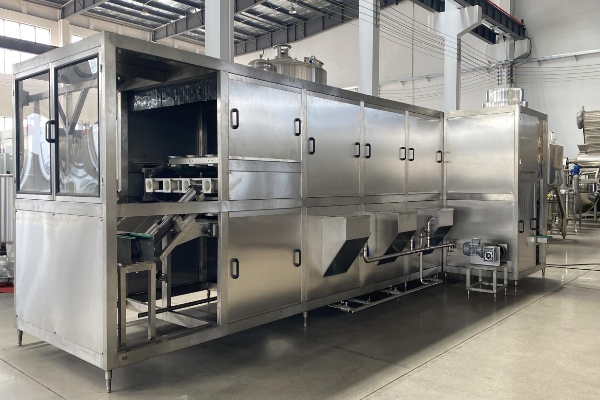
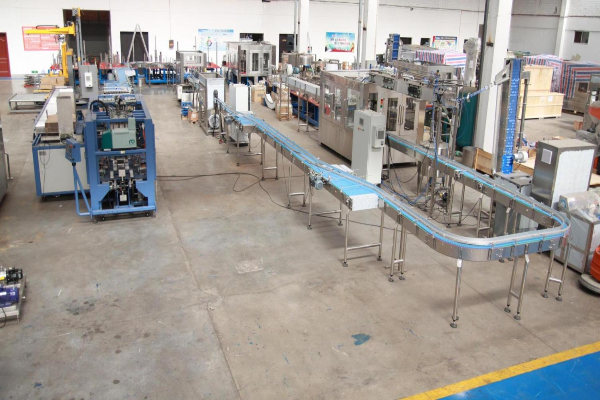
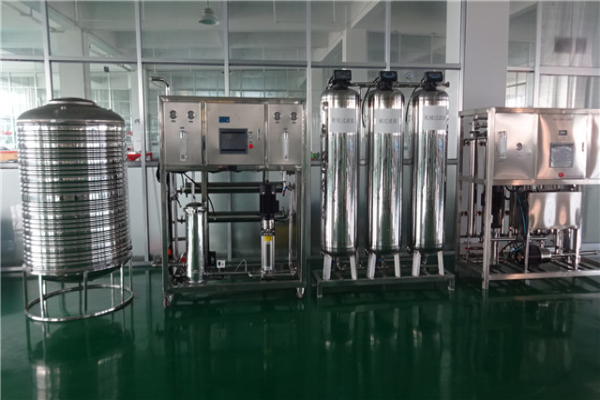
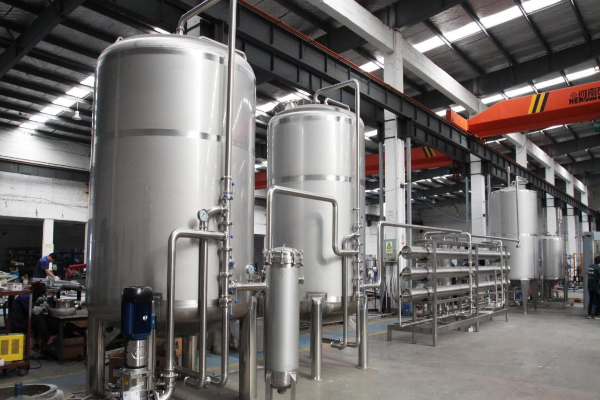
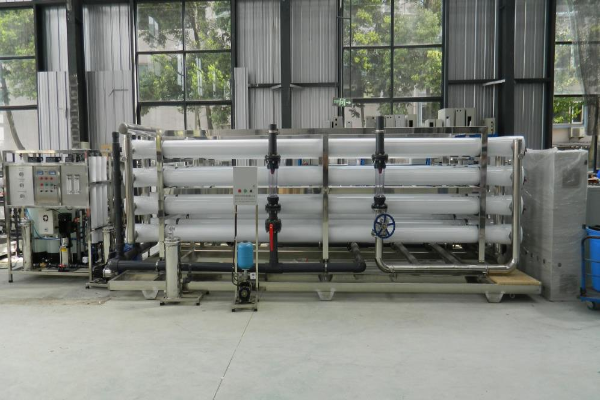
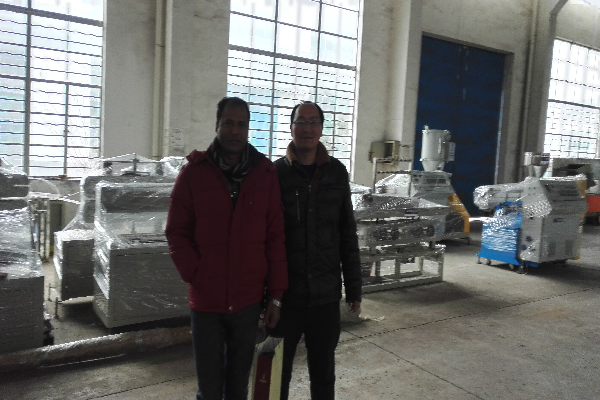
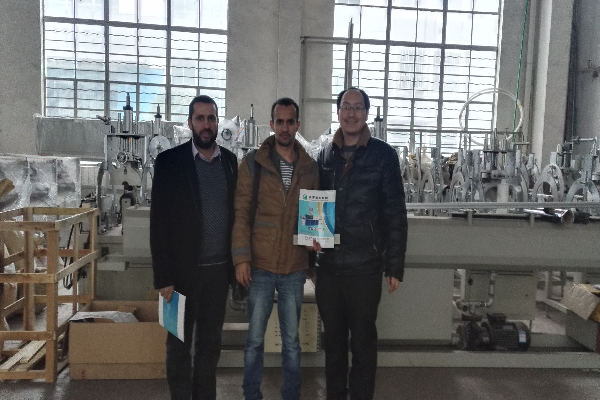
Step inside our precision engineering workshops. View our high-speed shrink sleeve labeling systems undergoing assembly, strict QA testing, and performing seamlessly in client beverage, food, and pharmaceutical production lines worldwide.






Service Stack — 2-Year Warranty, 24-Hour Response, 5-Day Parts Delivery
The two questions that the average offshore buyer will ask himself/ herself before entering into an agreement with a Chinese capital equipment provider are: how do I get a replacement when it breaks down, and how do I get an engineer on the phone when the line goes down. Mass answers both with a quantified service stack, not a marketing phrase.
❮
❯
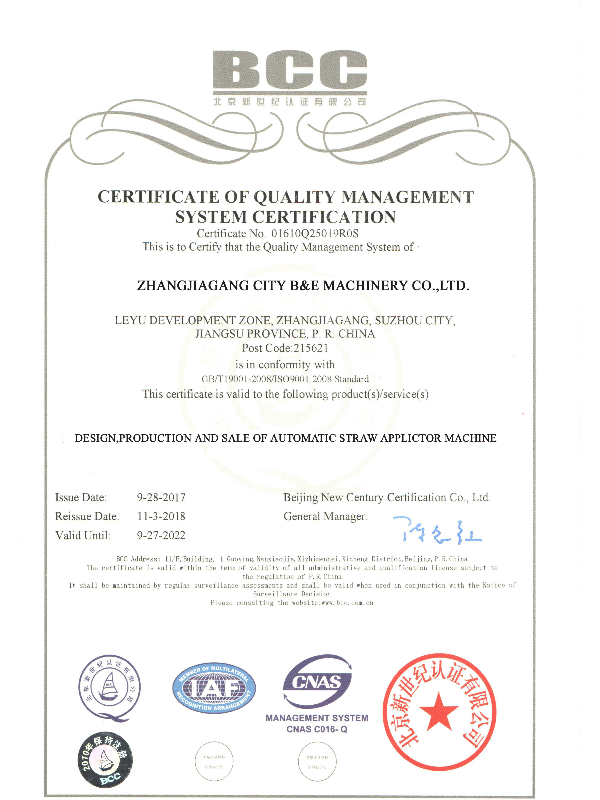
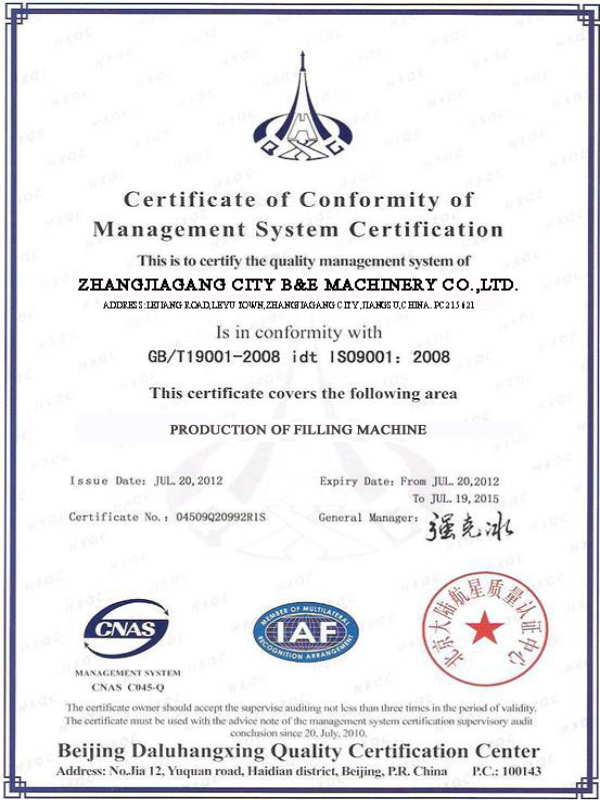
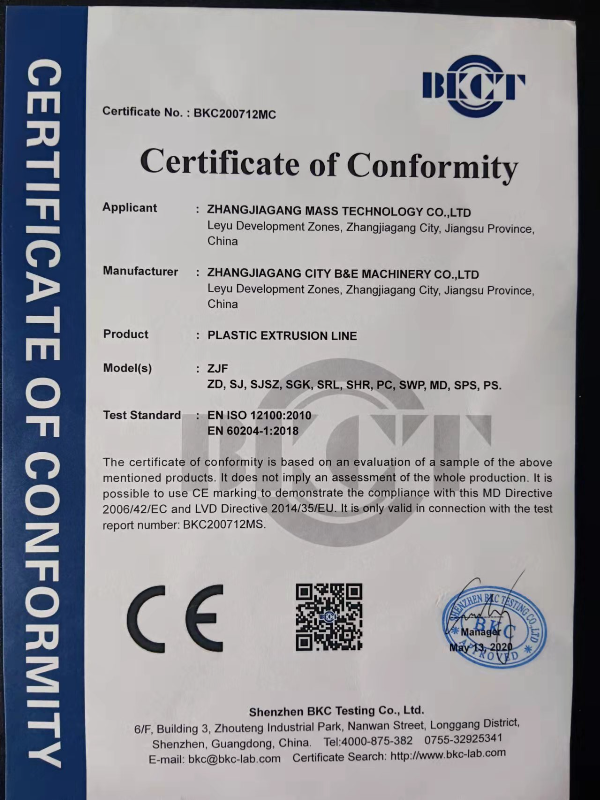
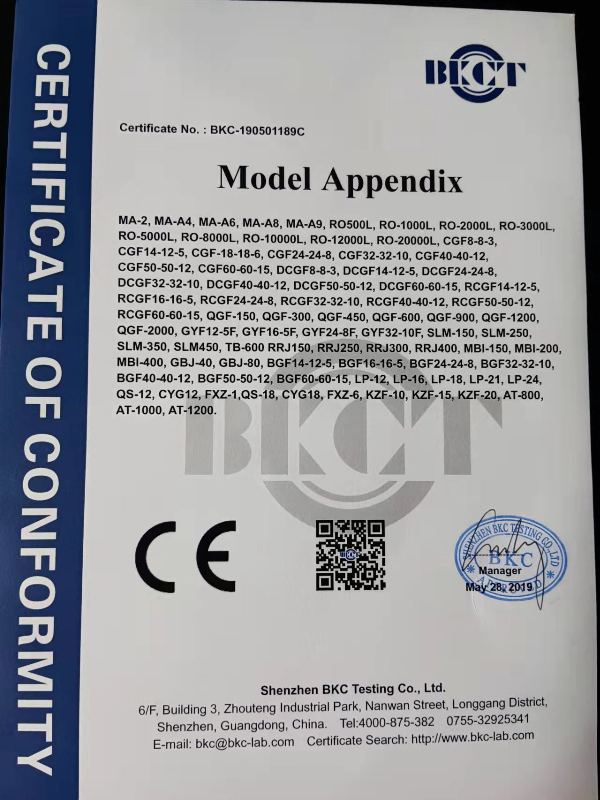
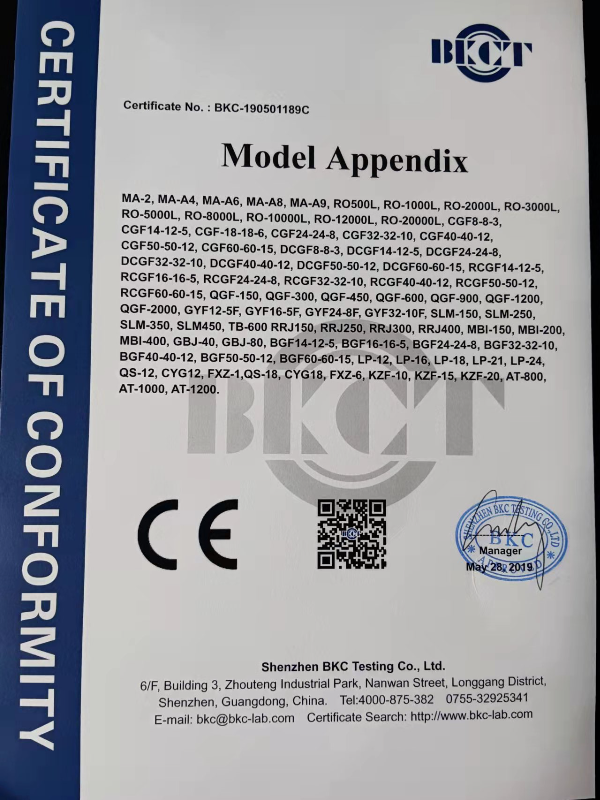
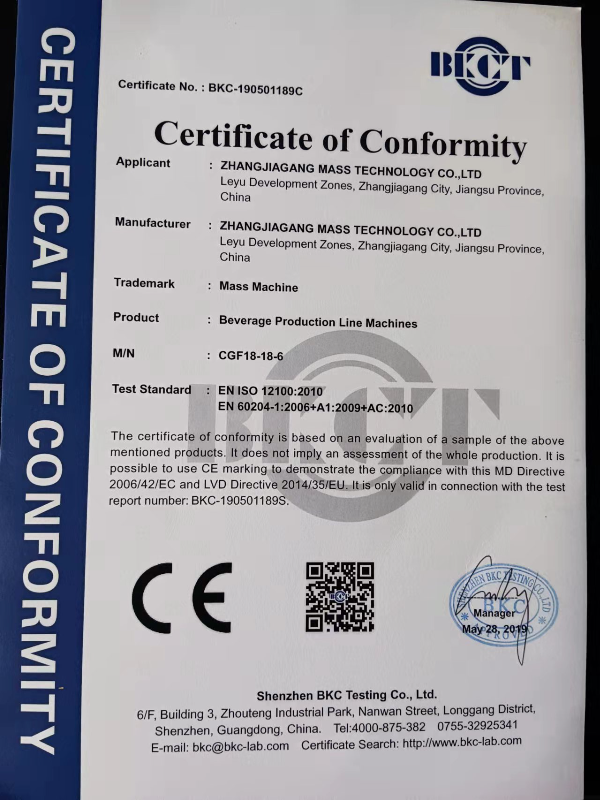
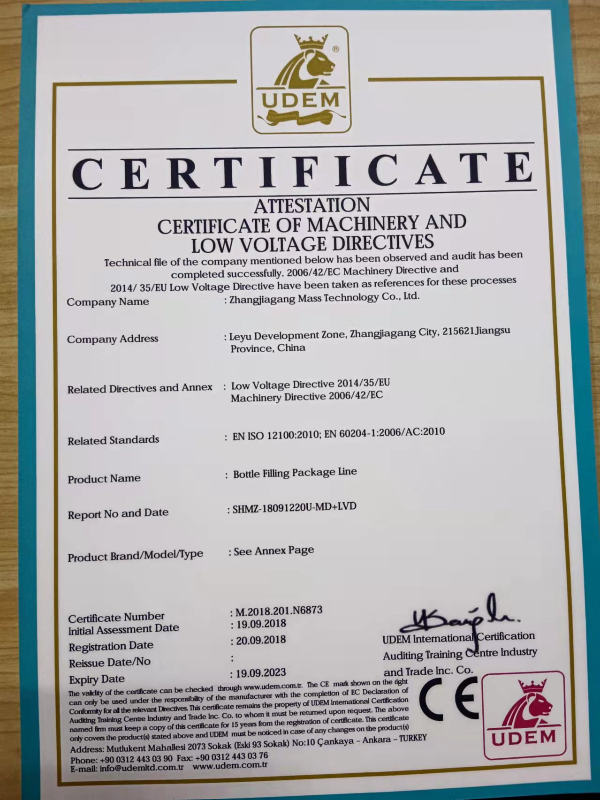
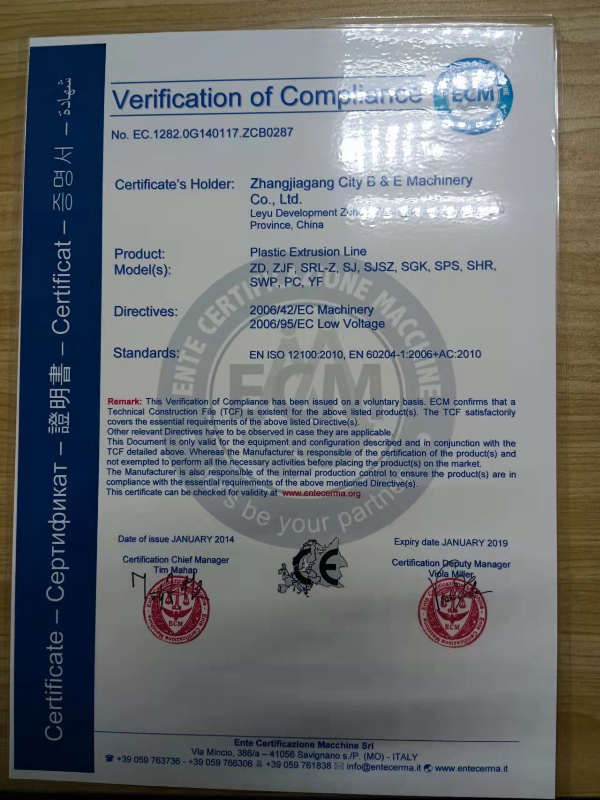
2 yr
Field Reliability & Six-Step Delivery Process
We make this public because when a procurement team compares suppliers they want to know who really owns the post sale relationship. Field deployments typically maintain consistent operation across the 30–300 cpm range with industry-standard PLC architecture, and operators report sleeve placement holding within ±0.5 mm on properly commissioned lines.
Plant layout design
Equipment manufacturing
Line installation
On-site operator training
After-sales support
Continuous improvement
Procurement note: source—Mass commissioning records, M-Series 2024-2026. Field results by bottle geometry, film material, and shrink tunnel configuration. FDA-compliant material specifications available for food and pharmaceutical lines on request.
×
![Enlarged Certificate]()
Procurement Guide — Lead Time, Pricing, and Customization
The primary pain point during the procurement process with Chinese capital equipment is lack of transparency – a procurement team cannot know that the quotation has us covered before three emails with the sales engineer. We publish the price tier ranges here and the lead time bands to enable a line sizing exercise before the initial technical call.
Entry tier
M-30 / M-50
(semi-automatic, 30–50 cpm)US$15,000–25,000
Ex-Works Pricing
30–35 days
Production Lead Time
Suits craft beverage, R&D pilots, low-volume cosmetic launches.
Mid tier
M-100 / M-150
(mandrel-style automatic, 100–150 cpm)US$28,000–45,000
Ex-Works Pricing
35–45 days
Production Lead Time
This is the volume sweet spot for standard beverage and personal care lines.
High tier
M-250 / M-300
(full-automatic, 250–300 cpm, 30–36 kW shrink furnace)US$50,000–80,000
Ex-Works Pricing
40–55 days
Production Lead Time
Built for high-volume mineral water, carbonated drinks, and integrated 2,000–36,000 BPH bottling stacks.
Add 7-15 days for custom configurations that require a non-standard mandrel, an extended shrink tunnel, or integration with an upstream filler from another supplier. Add 15-30 days of engineering lead time. Minimum order quantity is 1 system. Terms are 30% T/T deposit with the PO and 70% against shipping documents, or for certain markets a letter of credit against sight.
Customization scope on the M-Series covers a range of options, including bottle geometry (where any shape nested inside the 28-125 mm diameter envelope), line speed within the tier, and integration with Mass blowing, filling, and capping equipment or third-party fillers using a standard signal handshake. A quote returns within 24 hours of receipt of bottle drawing, target throughput, and material specification. That means the 24-hour quote window is a sales commitment, not a marketing glossy.
FAQ — Shrink Sleeve Labeling Machine Selection
M-Series shrink sleeve applicators from Mass range from US$15,000 (cost-effective semi-automatic, 30-50 cpm) to US$80,000 (high-volume full automatic, 250-300 cpm with a 36 kW shrink oven). Cost depends on speed tier, automation level, container size envelope, bracket level (304 vs 316 stainless), and scope of downstream line integration. Quote will return within 24 hours of receipt of bottle drawing and throughput requirements.
Shrink sleeve labeling means applying a heat-shrinkable PVC, PET-G, or OPS film label around a container then passing it through a steam or hot-air tunnel so that the sleeve contracts round the bottle profile is shrink sleeve labeling. Process; heat-shrinkable film covered container. Capability; 360° label branding, decorating, or design coverage on bottles, jars, and cans of other than round profile that pressure-sensitive labels cannot adorn.
A term that covers packaging film wrapping multiple secondary packages for handling or distribution uses is shrink wrap. Built-to-ship multipacks or multipack containers of bottles that are wrapped together in one (usually printed) film label is clamshell, shrink wrap. Ask us; shrink sleeve (branding) or shrink band (tamper evidence).
M-Series machines accept bottles 28-125 mm in diameter and 50-280 mm in height, with sleeve lengths from 30 to 260 mm. Changeover runs 5-8 minutes through PLC recipe selection — no mandrel hardware swap required.
Standard sleeves run PVC, PET-G and OPS flat blanks th 0.03 to 0.13 mm. An 18-36 kW variable-power shrink furnace gives the operator the ability to tune temperature to respective material’s shrink window -PVC 70-90 °C, PET-G 75-95 °C, OPS 75-100 °C. Tamper-evident bands, partial-body sleeves – translate to the same uniform band machine via stored PLC parameter. That one-architecture flexibility differentiates Mass versus other suppliers who require the applicator dwell to be rigidly paired to one film recipe.
After the applicator provides the un-shrunk sleeve to the container surface, the bottle archives (type and performance) for a shrink tunnel either steam based for a gentler, more uniform heat (preferred for PET-G and quick shrink) or hot air to minimize power cost (suitable for PVC). Integrated lines pair the M-Series applicator with an 18-36 kW shrink tunnel, that is flexible for steam or hot air on one machine. Uniformity, dwell time and sleeve delivery all require proper setup – a swift applicator chased by a poorly-tuned tunnel yields to premature wrinkles.
Three items increase the wrinkles. First, tunnel uniformity – the Mass tunnel features PID controlled zones that prevent the bottle from being subjected to “hot spots” that cause one side of a panel to over-shrink. Second, dwell time proportionate to film thickness and shrink ratio. Third, sleeve placement accuracy after application to production-speed runs – Mass applicator mandrel and servo cut achieve ±0.5 mm typical placement on successful installations. All three together – a fast applicator hurried to run with a tunnel requires re-tuning to prevent wrinkles especially on PET-G at high shrink ratio.
Yes. Our M-100 / M-150 mid-tier handles 211 (53 mm) to 307 (84 mm) standard can diameters at 100-150 cpm encompassing both 12 oz and 16 oz craft beer cans in an equivalent line). A stored PLC recipe accounts for both can sizes; switch over is less than 8 minutes including mandrel change.
Daily: inspect belt and mandrel surface. Weekly: inspect cutting blade (Mass employs standard tungsten blades, rated for around US$15 apiece). Monthly: check servo motor lubrication and make a PLC parameter back-up. Yearly: maintain Kent Staefa shrink tunnel heating elements. We supply a maintenance calendar manual for each system and provides support diagnostically through WhatsApp over the 24-hour engineer hotline.
Three commercial factors develop the decision to deploy this technology. First, 360° full-surface branding enhances the visual space versus their front/back pressure-sensitive labels – not only the front of the package but exposed cans. Second, intrinsic tamper-evident band integrates to meet the mandates of pharma/Nutraceutical packaging, without a dedicated machine. Third, the single piece label simplifies SKU proliferation on irregular shape bottles (oval, flat, square, stalked) that the cylindrical PSL labels do not adapt well to.
Why We Built This Page
Mass Technology has supplied complete water filling, bottle and case labeling lines for global Beverage, Food and Packaging Customers shipping our M-Series shrink sleeves labelers along with our 0.5-50 T/H Water Treatment, 2,000-36,000 BPH Filling and PET preform blowing equipment. These specifications – bottle diameter envelopes, shrink tunnel kW tiers and the 5-8 minute changeover times – is commissioning data from M-Series machines we have shipped as opposed to boilerplate from a generic catalog. We publish the US$15,000-80,000 pricing range because buying teams should not have to wait three days for a quote response before learning if our equipment will fit their CapEx envelope.