Get in Touch with Masstech

ISO & CE Certified Machinery
Soda Can Filling
Industrial Soda Can Filling Machine — 2,000–20,000 CPH Isobaric Counter-Pressure Canning Line for CSD, Energy Drinks & Hard Soda
Five tuned models on one CC GF chassis. Equal pressure CO2 fill maintains target 3.0 4.5 G.V from valve to retail shelf. Published Tier pricing, 5 day international parts SLA, 2 year warranty.
QUICK SPECS · CC GF SODA CAN FILLING RANGE
Capacity range
2,000 – 20,000 cans/hr
Filling method
Isobaric counter-pressure
Container range
12 / 16 / 19.2 / 32 oz · Al / Tin / PET
Lead time
60–90 days FOB Shanghai
Parts SLA
5 days international courier
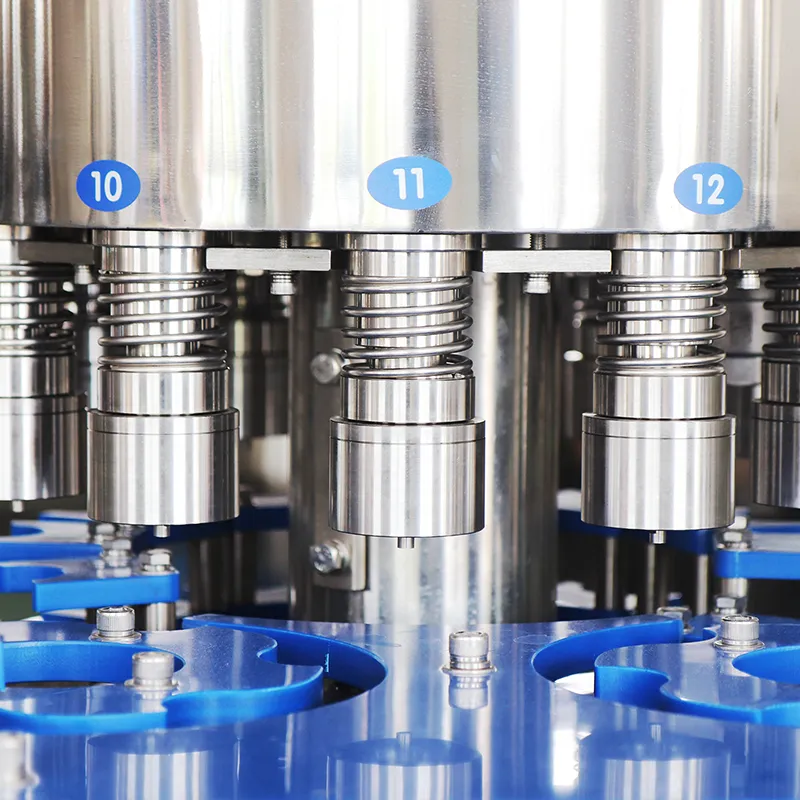
MAIN VIEW
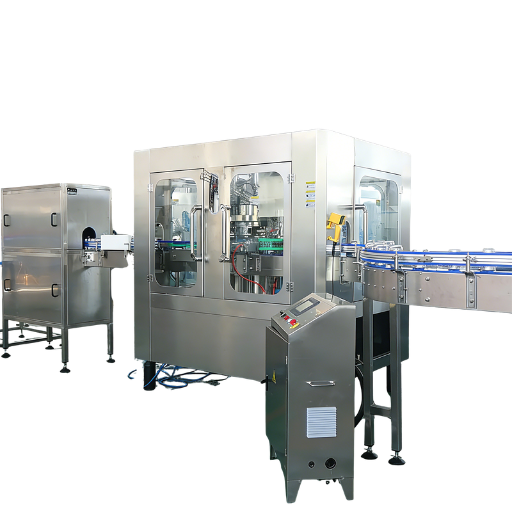
DETAIL VIEW
20,000
Max CPH Capacity
4.5 G.V
Target Retention
5 Days
Parts SLA
60-90
Days Lead Time
Why Soda Producers Choose Isobaric Soda Can Filling Machines Over Conventional Fillers
A Soda can filler machine is a 3 in 1 monoblock that rinses sodap cans, isobarically fills them with the product, a carbonated soda, at a specified gas volume target of 3.0 4.5 GVs, and sews aluminum or tin covers on the soda can. This continuous covering of CO2 maintains the carbonation content of the completed soda as a result of the equal-pressure CO 2 counter-pressure filling technique that prevents the CO 2 from escaping starting from the time the can is filled all the way to the retail shelf. (IC Filling Systems 2024)
There are five different ways CSD lines can fail. Five types of pain below are engineering or commercial breaks we solved in CC GF models. Since the launch of CC during 2018.
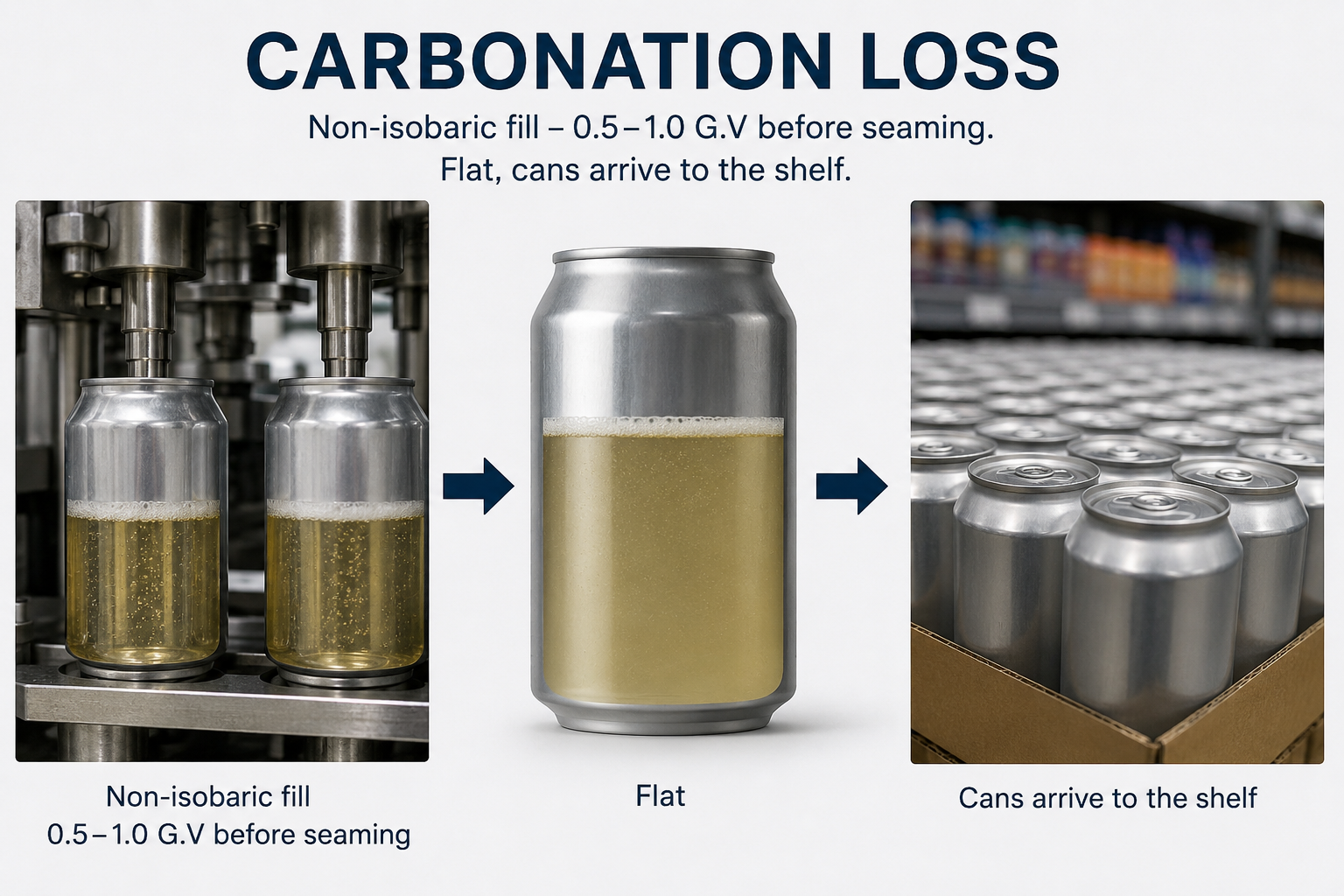
① CARBONATION LOSS
Non-isobaric fill-0.5-1.0 G.V before seaming. Flat, cans arrive to the shelf.
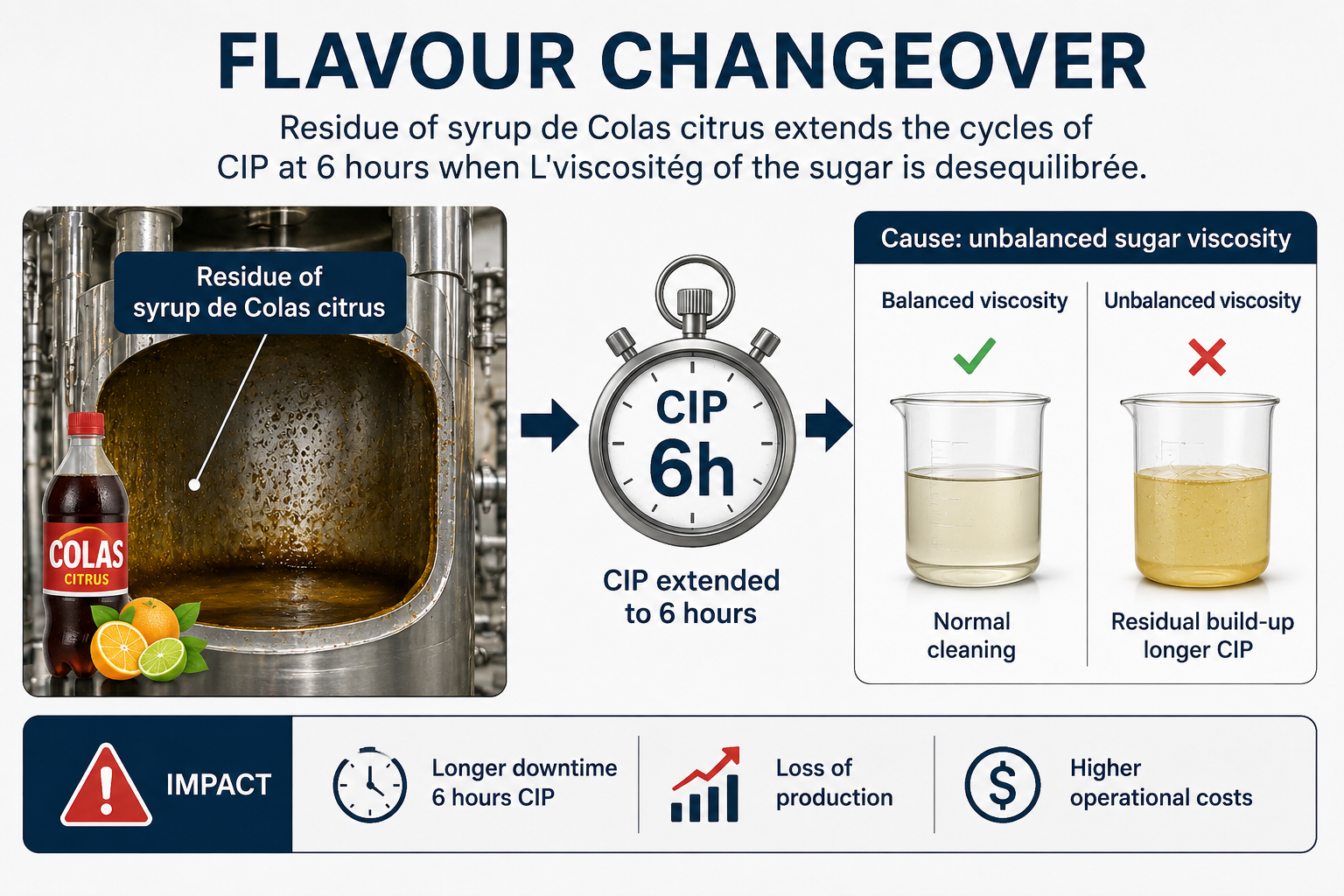
② FLAVOUR CHANGEOVER
Residue of syrup de Colas citrus extends the cycles of CIP at 6 hours when L’viscositég of the sugar is desequilibrée.
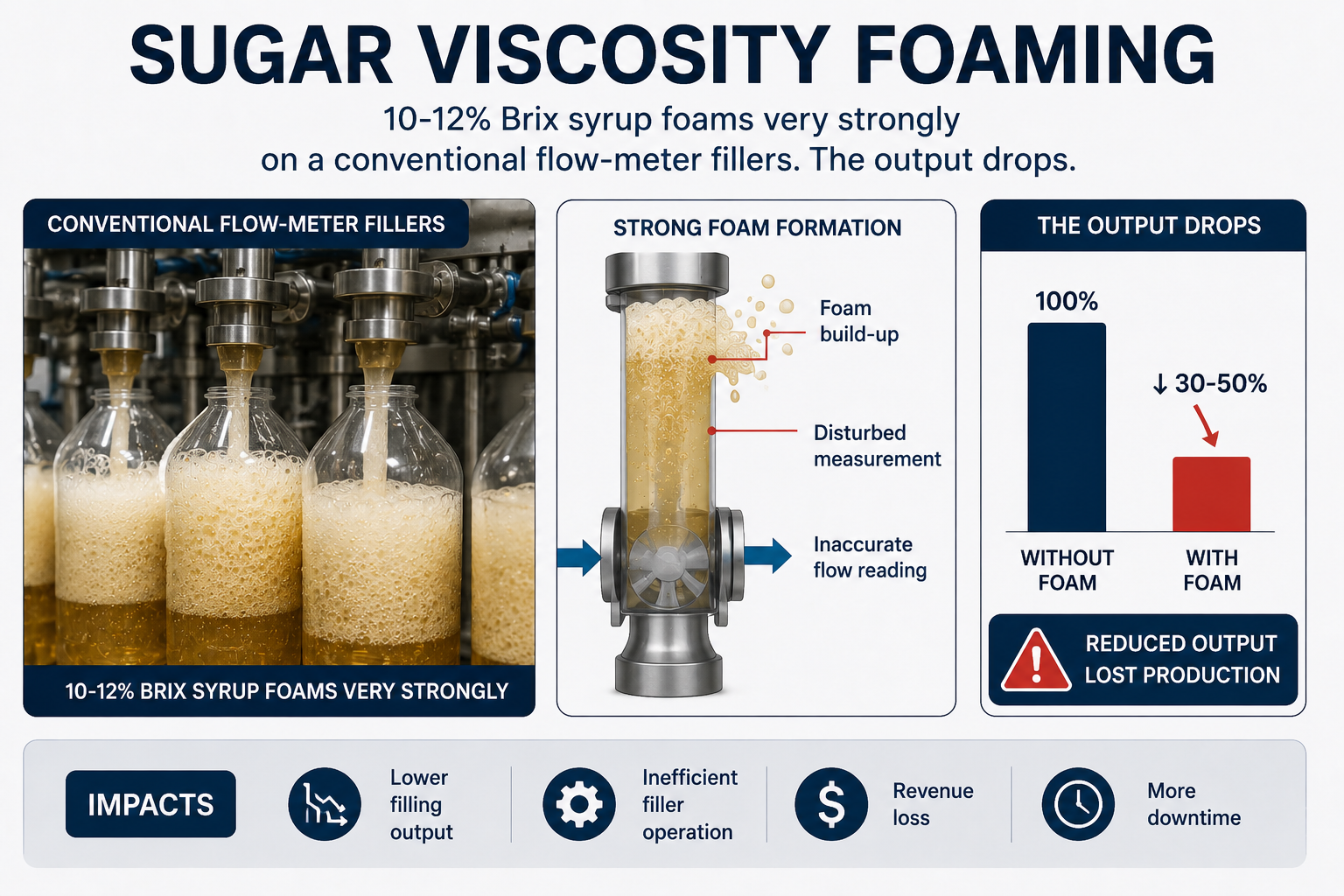
③ SUGAR VISCOSITY FOAMING
10-12% Brix syrup foams very strongly on a conventional flow-meter fillers. The output drops.
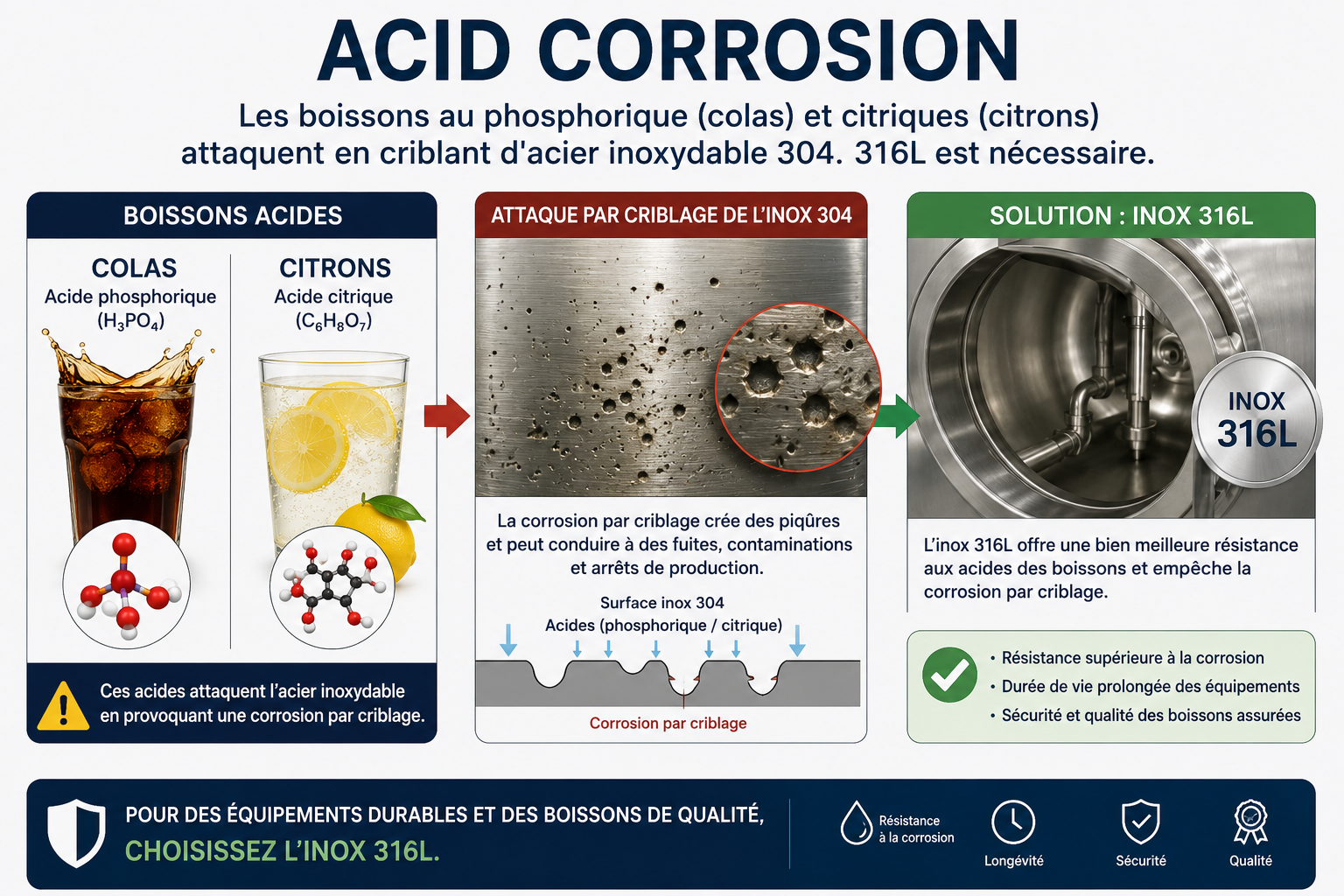
④ ACID CORROSION
Les boissons au phosphorique (colas) et citriques (citrons) attaquent en criblant d’acier inoxydable 304.316L est nécessaire.
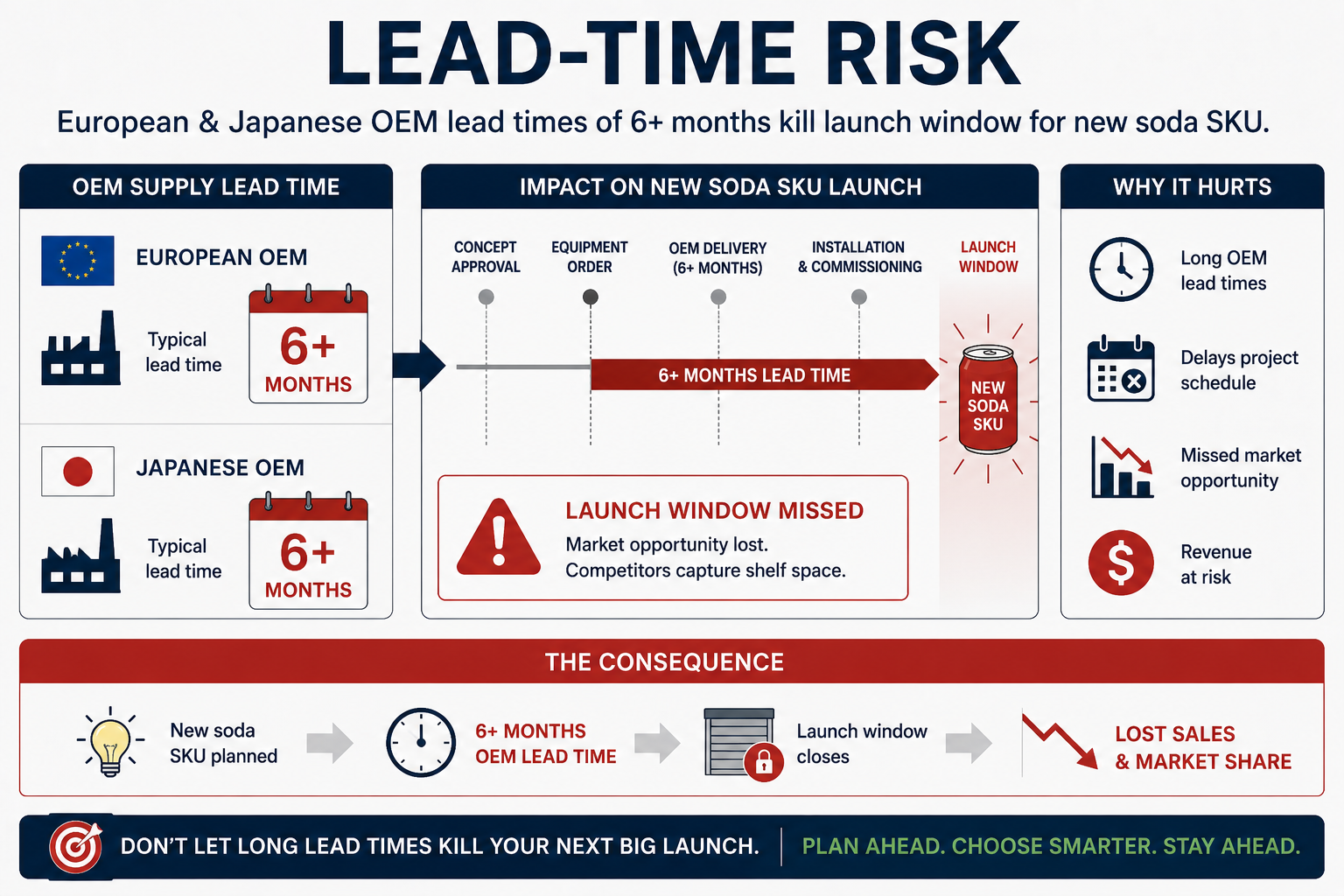
⑤ LEAD-TIME RISK
European & Japanese OEM lead times of 6+ months kill launch window for new soda SKU.
How a CC GF Soda Canning Line Sequences
A fully automated CC GF platform soda canning production line performs at 5 continuous operations. (1>2>3>4>5) Soda cans’ full automated cycle is managed through a unique HMI from depalletizer inward to pallet outward.
1
Can rinser
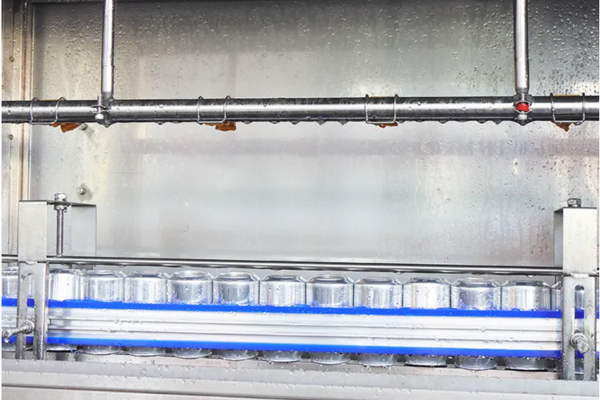
Empty can, aluminum, tin, passes inverted through an ionised-air or sterile-water rinse. Particulate count and residual moisture are recorded to GMP specification.
2
CO2 purge
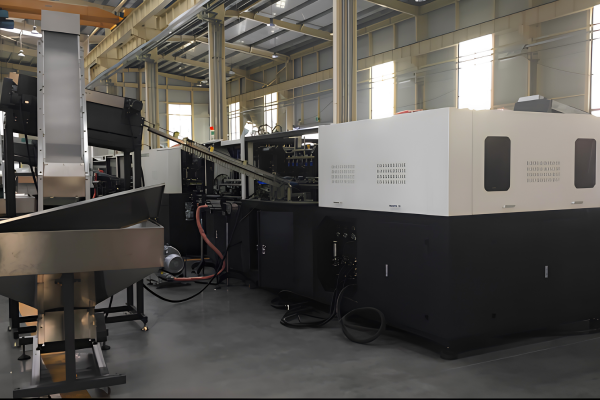
Pre-fill flush. While the pack is pre-filling with fruit juices, it pushes the known contaminants (atmospheric oxygen) out and replaces it with food grade CO2 to less than 50ppb. This is essential for protecting fill carbonation through out the run.
3
Isobaric filler valve

Equal-pressure CO2 counter-pressure transfers carbonated soda water, cola, citrus, or energy drink without G.V loss. Fill volume is sensed by inductive flow meter or level probe.
4
Can seamer
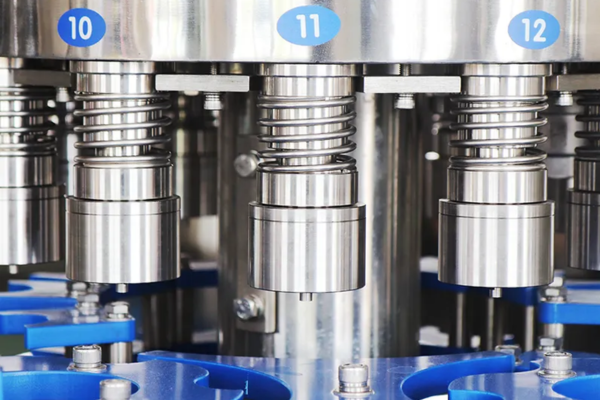
First-operation chuck and second-operation roll create a double seam to CMI 202 specification, with seam thickness, body hook, and cover hook checked inline on every can.
5
Discharge and date-coding

Sealing inspection rejects under-fills and seam defects before filled cans pass to coder, packer, and palletizer.
Masstech 5-Model CC GF Range — Soda Canning at 2,000–20,000 CPH
Five tuned configurations on one mechanical platform, sized to the cans-per-hour band that matches your monthly production target. Each model is documented to the same specification depth so RFQ comparison is symmetric.
Capacity figures below are nominal soda canning machine throughput at 12-oz (355 ml) format. Throughput on 16-oz or 19.2-oz tallboys runs 8–12% lower per Can Manufacturers Institute geometry references (CMI, 2024).
CRAFT TIER
CC GF 12-1
2,000 cph
- 4.61 kW · 3,200 kg
- 2.5 × 1.9 m footprint
SMALL COMMERCIAL
CC GF 18-4
8,000 cph
- 4.61 kW · 4,000 kg
- 2.8 × 2.15 m
MID COMMERCIAL
CC GF 24-4
10,000 cph
- 5.41 kW · 4,500 kg
- 3.1 × 2.5 m
INDUSTRIAL
CC GF 32-6
15,000 cph
- 6.41 kW · 6,500 kg
- 3.8 × 2.8 m
HIGH-VOLUME
CC GF 40
20,000 cph
- 9.63 kW · 8,000 kg
- 4.5 × 3.3 m
Sizing Decision Matrix — Match Monthly Output to Model
A modus operandi based on our 2024 deployment data: break your monthly goal down into a number of bottles, then set the cph requirement as: your monthly target divided by 200 production hours, then add 30% headroom allowance for changeovers and accidental downtime. This maps cleanly to CC GF tier boundaries on the production line.
| Monthly target (12-oz cans) | Required nominal cph | Recommended CC GF model | Operator count |
|---|---|---|---|
| ≤ 50,000 | ≈ 250 | CC GF 12-1 | 1 + helper |
| 200,000 | ≈ 1,300 | CC GF 18-4 | 2 |
| 500,000 | ≈ 3,250 | CC GF 24-4 | 2–3 |
| 1,000,000 | ≈ 6,500 | CC GF 32-6 | 3–4 |
| 3,000,000+ | ≈ 19,500 | CC GF 40 | 4 |
Headroom modification:
If you run two flavour SKUs on one line, build your target cph 15% higher to contend with CIP changeover time.
4 Filling Methods Compared — Isobaric vs Flow-Meter vs Weight-Based vs Laser Level
FOR EN soft-drinks producers consistently end up with the incorrect filling method as vendor catalogues collapse all four into a single product line. Each method is compounded for different physical characteristics of the liquid, and the option is predominantly determined by gases content, viscosity, and aspiration accuracy.
| Method | Best for | Fill accuracy | Foam control | Relative CapEx |
|---|---|---|---|---|
| Isobaric counter-pressure | CSD 3.0–5.0 G.V (cola, energy drink, sparkling water) | ±2 ml | Excellent | High |
| Flow-meter | Low-carb beverages, juice, still water | ±1 ml | Good (low-carb only) | Medium |
| Weight-based | Dense liquids: sauces, syrups, concentrates | ±0.5 g | Not applicable (still) | Medium |
| Laser level | Visible-fill aesthetic, premium still drinks | ±3 ml | Not applicable (still only) | Low |
Decision Flow — Which Method for Your Product?
If your target G.V is greater than 2.5: No other approach retains carbonation reliably.
Use isobaric counter-pressure method
If your liquid has a Viscosity over 200 cP: Flow-meter under-fills viscous syrups.
Weight-based filling is fit
If you require 1 ml precision over 12oz to 19.2oz range:
Flow-meter for non-CSD; Isobaric flow-meter hybrid for CSD
If the cloths are a recognizable-fill aesthetic SKU on still products:
Laser level is fit
For a typical CSD catalog spanning cola, citrus, and energy drink at 3.0-4.0 G.V, isobaric counter-pressure method is the sole way that maintains carbonation through to seaming without operator intervention (Sunswell, 2024). CC GF models default to isobaric with optional flow-meter fit for non-CSD second-line products.
CCSD Engineering Quick-Reference — CO2 Volumes × Sugar Brix × Acid Compatibility Matrix
Most plant engineers reach for one number when sizing a soda line: nominal cans-per-hour. What actually kills lines is acid compatibility against contact-grade stainless steel. Three decision tables below shrink the full CSD spec landscape into a single decision view.
Table 1 — Drink Type × Target CO2 Volumes
| Drink type | Target G.V | Fill pressure (psi @ 4°C) | Special engineering |
|---|---|---|---|
| Cola | 3.5–4.0 | 30–35 | Phosphoric acid → 316L wetted parts |
| Citrus (orange, lemon-lime) | 2.5–3.0 | 22–28 | Citric acid → 316L; pulp option needs widened nozzle |
| Energy drink | 3.0–3.5 | 28–32 | Caffeine + B-vitamin stability; mild acid |
| Hard soda (alcohol + CO2) | 2.5–3.0 | 22–28 | Alcohol foam control; explosion-proof zoning if > 5% ABV |
| Sparkling water | 4.0–5.0 | 35–45 | Highest CO2; no sugar fouling |
Table 2 — Container Material × Drink pH Compatibility
| Material | pH < 3.5 (cola, citrus) | pH > 4 (energy, sparkling) | Notes |
|---|---|---|---|
| Aluminum w/ epoxy lining | ✓ Recommended | ✓ Recommended | Industry standard; epoxy meets 21 CFR 175.300 |
| Tinplate | ⚠ Epoxy lining required | ✓ Acceptable | Citrus pitting risk without lining |
| PET cans | ✓ OK | ✓ OK | Lighter weight; lower carbonation retention vs metal |
304 vs 316L SS — Why Acid Decides It
Type 304 stainless steel lacks molybdenum and pits aggressively in food-grade phosphoric acid. A peer-reviewed corrosion study revealed that the number of pits in 304L far exceeded 316L when both were exposed to phosphoric acid solutions (ResearchGate publication 253411042, 2010).
Decision rule: any wetted contact surface that comes into contact with cola or citrus syrup at pH < 3.5 is specified as 316L on Masstech CC GF lines. Price delta between 304 and 316L runs approximately 12-18% of total wetted-component price, not the entire line price.
“We learned the 304 versus 316L experience the rough way on a 2022 cola line that lost two valve seats within the warranty period. Every CC GF acid-contact path now ships 316L as default – we do not regard it as an upgrade.”
Soda vs Beer vs Energy Drink — Same CC GF Chassis, Different Engineering
FOR EN & FOUNDERS A common founder inquiry: “Shall I procure a soda-only line or a multi-beverage line?” The straightforward solution is CC GF chassis are capable of handling cola, beer, and energy drink production, but each beverage demands idiosyncratic valve arrangements, contact alloy, and CIP process.
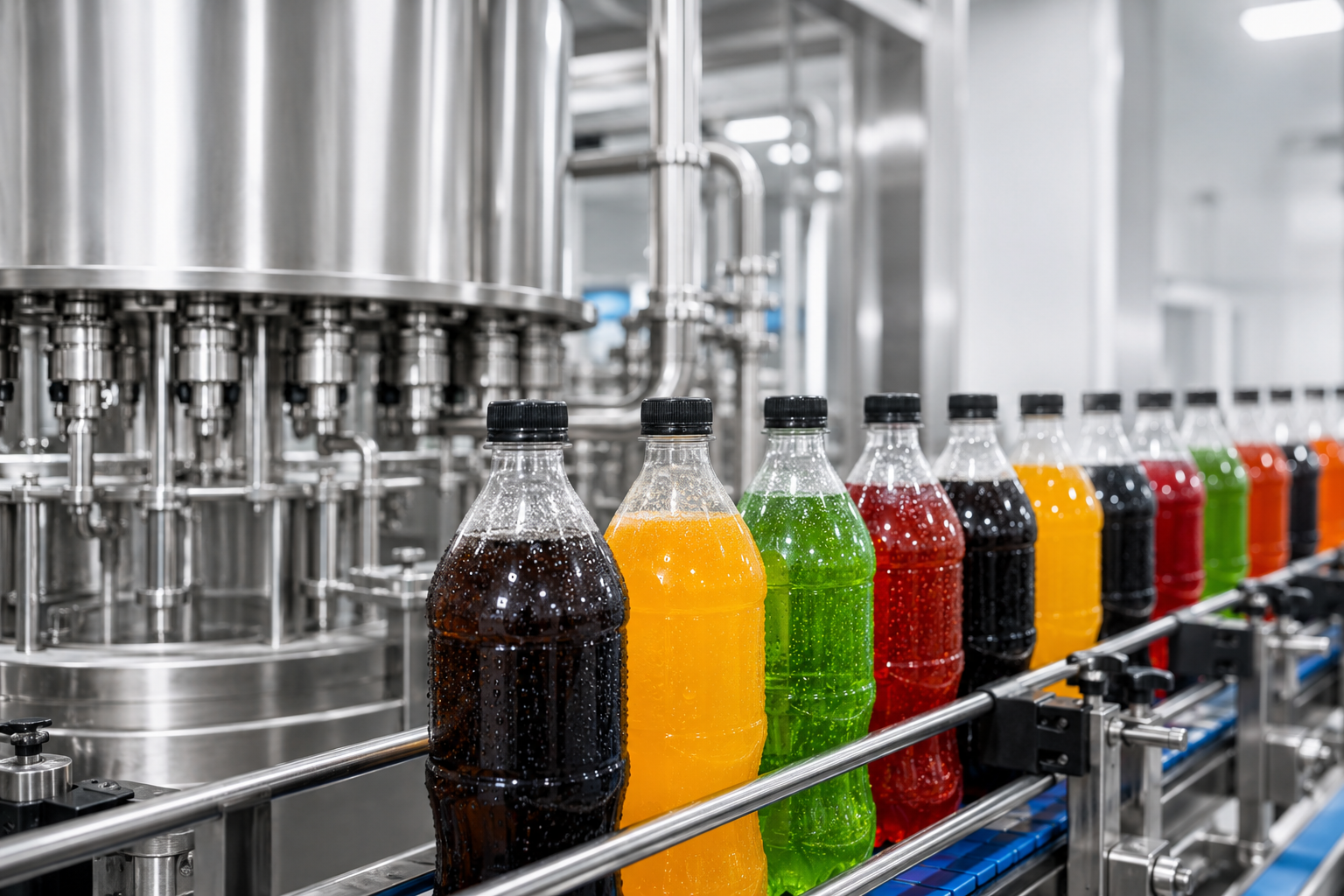
SODA / CSD
- G.V 3.0–4.5
- Brix 10–12%
- Phosphoric / citric acid
- Multi-SKU short runs
- 316L mandatory
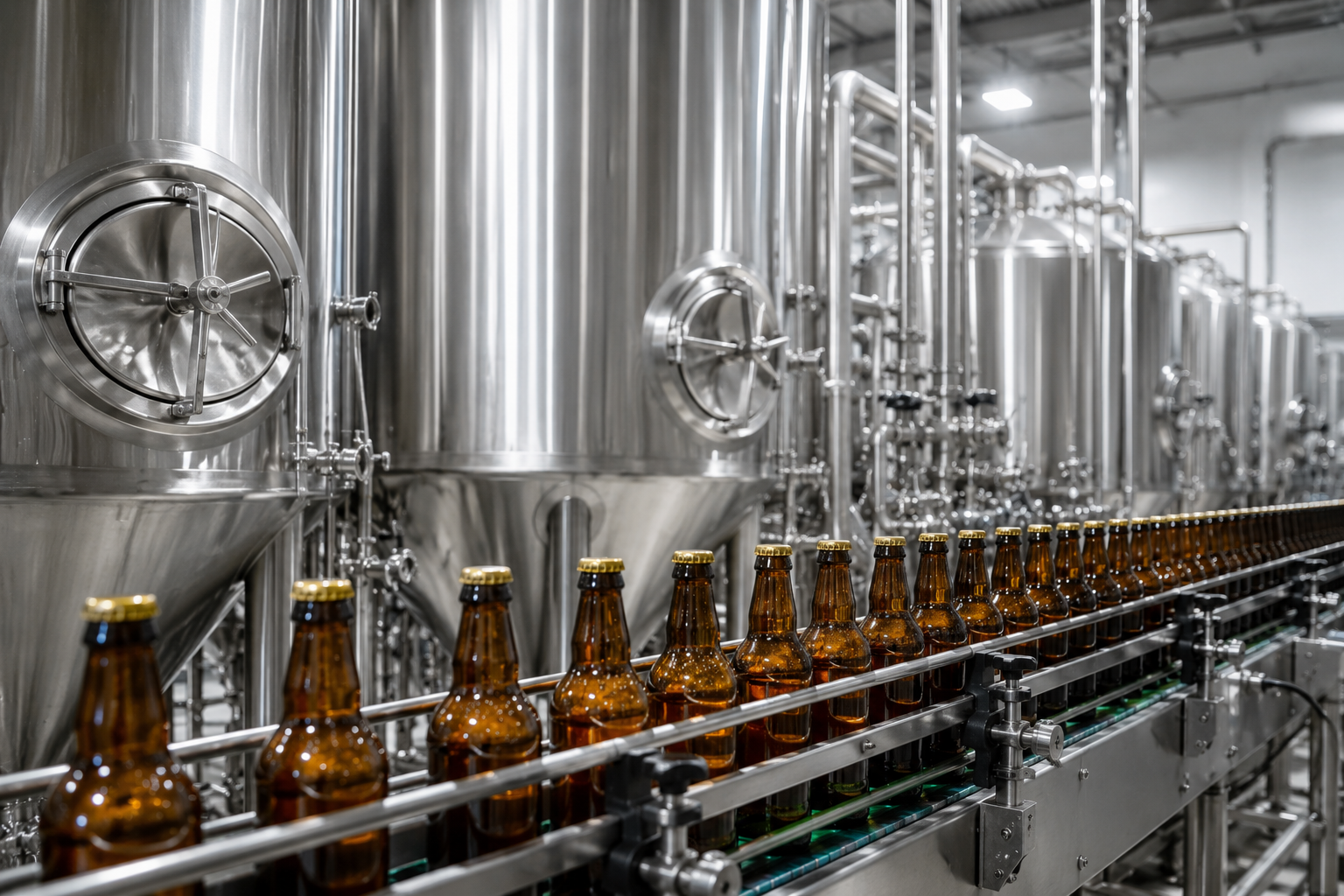
BEER
- G.V 2.4–2.8
- Brix < 1% (post-fermentation)
- No acid load
- Single-SKU long batches
- 304 SS sufficient + DO < 50 ppb
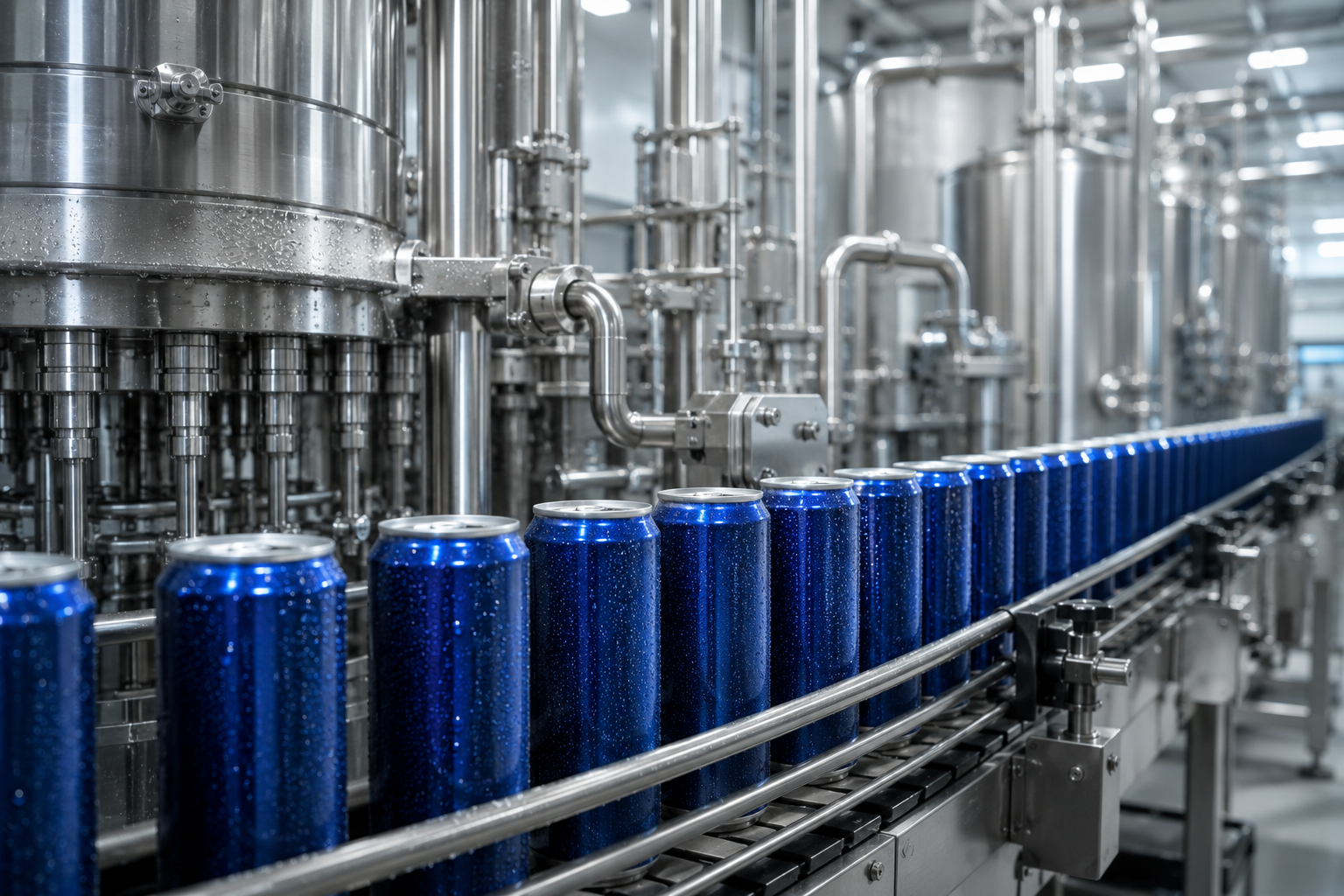
ENERGY DRINK
- G.V 3.0–3.5
- Brix 10–15%
- Mild acid
- Caffeine + B-vit thermal sensitivity
- Hot-fill option (75°C)
Masstech vs King Machine vs Comac vs ZONESUN vs XpressFill — Side-by-Side
Five vendors really do reoccur on every soda canning machine SERP visible differences are capacity range and country of origin, invisible differences – the ones that show up once the line ships – are service SLA, parts logistics, and pricing transparency.
| Dimension | XpressFill XF4500C | ZONESUN ZS-CF4A | King Machine GDF | Comac Pegasus 8-1 V2 | Masstech CC GF |
|---|---|---|---|---|---|
| Capacity range | 300 cph (12-oz) | 240–400 BPH semi-auto | 2,000–30,000 cph | 3,000–12,000 cph | 2,000–20,000 cph |
| Filling tech | Counter-pressure manual | Isobaric semi-auto | Flow-meter / Isobaric | Counter-pressure rotary | Isobaric counter-pressure auto |
| Lead time | 2–3 weeks | Not stated | Not stated | Not stated | 60–90 days |
| Parts SLA | Not stated | Not stated | Not stated | Not stated | 5 days international |
| Warranty | Not stated | Not stated | Not stated | Not stated | 2 years all parts |
| Pricing transparency | Partial ($5,895 entry) | Opaque | Opaque | Opaque | Published Tier 1/2/3 |
| Origin | USA (CA) | China (Foshan) | China (Zhangjiagang) | Italy (Treviglio) | China (Zhangjiagang) |
King Machine is built on the same Zhangjiagang OEM platform as our CC GF hardware is comparable; visible difference in this table is the four service rows none of the four competitors publish.
Cross-Vendor Naming Cheat Sheet — CC GF / GDF / Pegasus / ZS-CF / XF / Mosa
Six vendors dominate soda canning RFQs across North America, EU, and Asia-Pacific; their model codes do not match – a Comac “Microbrew 20-4” is functionally closer to a Masstech CC GF 24-4 than to a Wild Goose Mosa, despite the name. This table maps comparable equipment classes for procurement teams running parallel quotes.
| Vendor | Naming convention | Capacity tier | Default filling method | Container range |
|---|---|---|---|---|
| Masstech | CC GF (Can Carbonated, Gravity Filler) | 2–20K cph | Isobaric counter-pressure | 12 / 16 / 19.2 / 32 oz |
| King Machine | GDF (Gravity Drink Filler) | 2–30K cph | Flow-meter / Isobaric | 12 / 16 / 19.2 oz |
| Comac | Pegasus / Microbrew / Sagitta | 3–12K cph | Counter-pressure rotary | 12 / 16 / 19.2 oz |
| ZONESUN | ZS-CF / CDB / CFC / FAL | 240–400 BPH | Isobaric semi-auto | 330 / 500 ml |
| XpressFill | XF2200 / XF4400 / XF4500C | 60–300 cph | Counter-pressure manual | 12 / 16 / 19.2 oz |
| Wild Goose | Mosa / Gosling / Apprentice | 1–30K cph | Counter-pressure rotary | 12 / 16 / 19.2 oz |
Vendor naming conventions vary; this table maps comparable equipment classes, not entirely similar functional equivalents – verify through each vendor module spec sheet before issuing an RFQ.
Certifications & Material Standards
Documentation is provided in the RFQ pack. Each badge below maps to a specific module of the CC GF specification sheet.
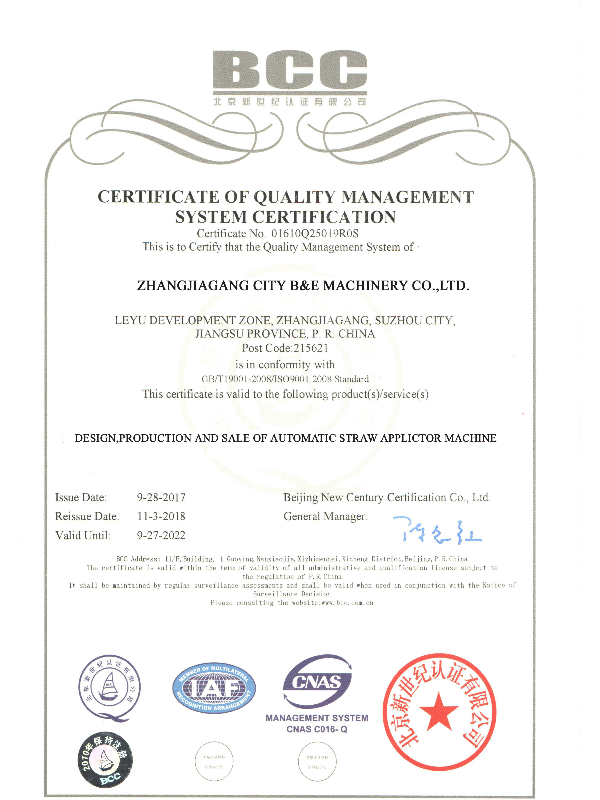
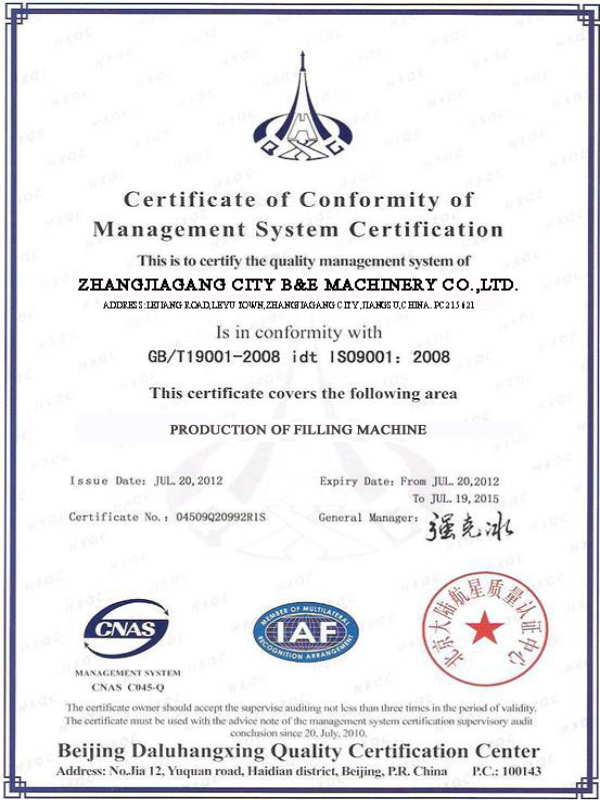
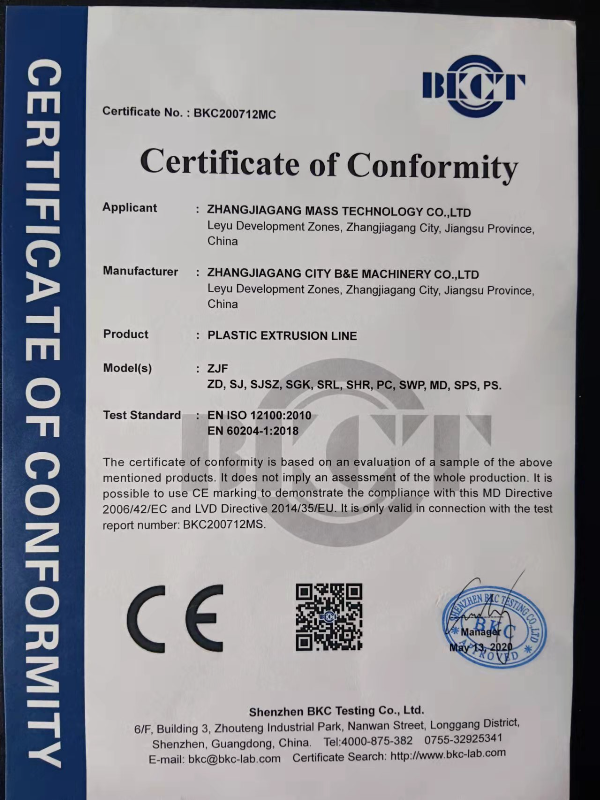
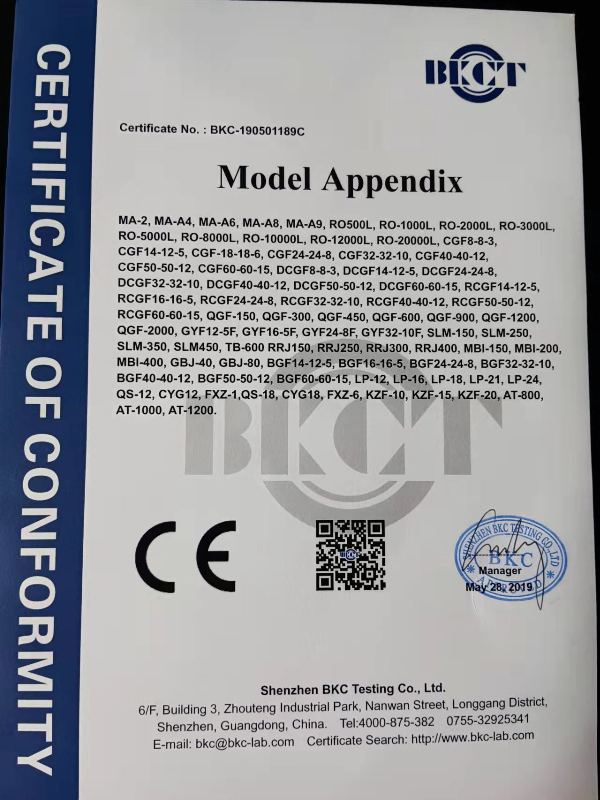
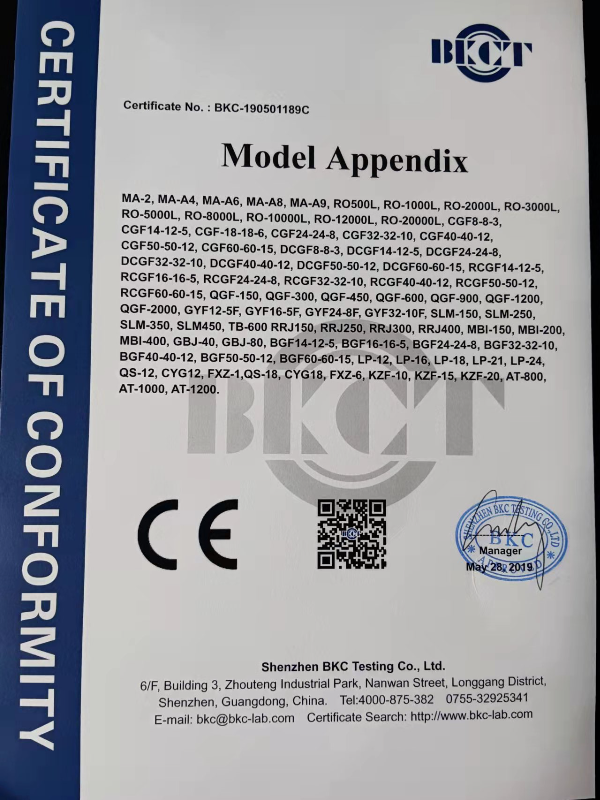
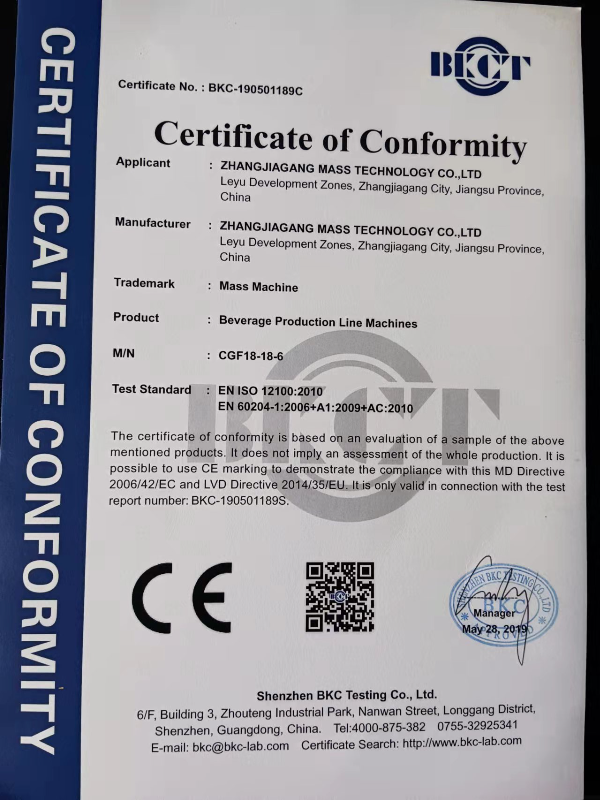
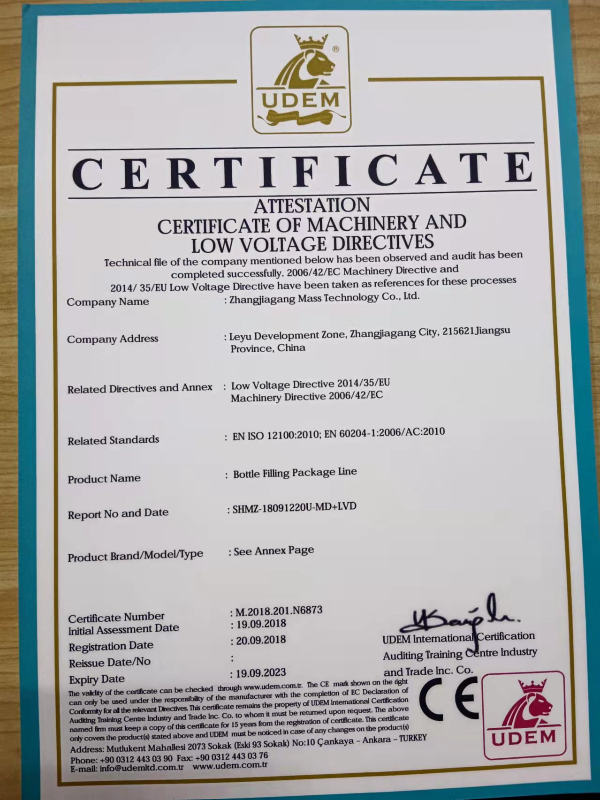
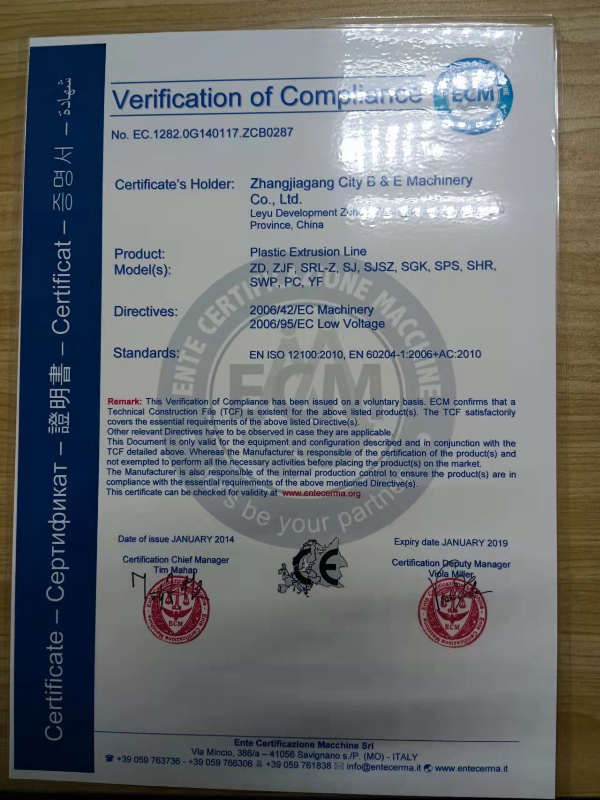
CE
EU directive conformity
ISO 9001:2015
Quality management
FDA 21 CFR 175.300
Food-contact resinous coatings
304 / 316L SS
Acid-grade selectable
GMP-aligned
Documentation pack
3-A Sanitary
Hygienic design
Procurement Guide — Tier Pricing, Lead Time, After-Sales SLA
A procurement consultancy survey set the cost of a wrong canning-line decision at $100,000 to $2 million – over-spec wastes capital, under-spec condemns operations (Consultsolon, 2023). Published Tier pricing is the easiest way to anchor the dialogue with finance and engineering before a RFQ even has been released.
TIER 1 · CRAFT
USD $25K – $95K
FOB Shanghai, indicative
- CC GF 12-1 / 18-4
- 2,000 / 8,000 cph
- Single-SKU or 2-SKU short runs
- 1–2 operators
When to Choose
Tier 1- if monthly target 200,000 cans, one beverage category, OEE target 70-80%, payback horizon 30-40 months.
TIER 2 · MID COMMERCIAL
USD $95K – $220K
FOB Shanghai, indicative
- CC GF 24-4 / 32-6
- 10,000 / 15,000 cph
- 3–5 SKU rotation
- 2–4 operators
When to Choose
Tier 2- if monthly target 200K 1M, 3+ SKUs rotation, OEE target 80-85%, payback horizon 20-30 months.
TIER 3 · INDUSTRIAL
USD $220K – $400K+
FOB Shanghai, line scope
- CC GF 40 + ancillary modules
- 20,000 cph
- Includes mixing tank, pasteurizer, palletizer
- 4 operators
When to Choose
Tier 3- if monthly target > 1M, no limit to beverage categories, full turnkey incl ancillary line modules, OEE target 85%+, payback horizon 18-24 months on high-margin SKU.
Engineering Tool Hub — Sizing, Pricing & Payback Calculators
Empower your procurement decisions. Masstech provides transparent, data-driven utility tools designed specifically for plant engineers and finance directors. Instantly calculate chassis requirements, estimate multi-tier pricing, and model your ROI transition from mobile canning to in-house production without waiting for an RFQ response.
CC GF Sizing Calculator
Calculate exact nominal cans-per-hour and chassis requirements based on your product viscosity, G.V target, and container volume.
Launch CalculatorCSD Tier Pricing Estimator
Get immediate CapEx estimations across Tier 1, 2, and 3 configurations for CC GF platforms. Ensure alignment with your finance board.
Estimate PricingPayback Calculator
Model your ROI, projected OPEX savings, and amortization horizon when transitioning from mobile canning services to in-house production.
Calculate ROIFrequently Asked Questions
How much does a soda can filling machine cost?
Tier 1 craft lines run USD $25K-$95K FOB Shanghai for the CC GF 12-1 or 18-4. Mid-commercial tier 2 runs between $95K and $220K. Industrial turnkey systems with mixing tank and pasteuriser tier 3 run at $220K-$400K and beyond. See paragraph 10 for the entire Tier table.
Isobaric, gravity, or flow-meter — which method should I pick for soda?
Isobaric counter-pressure is the only process that consistently and reliably preserves 3.0+ G.V. carbonation through to seaming. Flow meter suited for low-carb juices and still beverages. Weight sensitive proportional for viscous syrups in finished soda. Pathway diagram in paragraph 3 guides each branch of decision making.
Can I run cola, citrus, and energy drink on the same machine?
Yes, on the CC GF chassis with 316L wetted parts and automated CIP enabled. Platform handles soda (3.5-4.0 G.V), citrus (2.5-3.0 G.V), and energy drink (3.0-3.5 G.V) without rebuilds. Expect a 30 minute changeover CIP cycle between flavours, 6 hour deep-clean on a monthly basis.
What CO2 volumes can the machine target?
2.5 to 5.0 G.V across the model range is maintained at the mixing tank with inline pressure feedback. Fill valve maintains equal pressure during transfer, which keeps the mechanical loss between mixer and seamer under 0.1 G.V. Targets for each category are listed in paragraph 4.
What is the difference between aluminum, tinplate, and PET cans for soda?
Aluminum with epoxy lining is the industry standart; the epoxy lining complies with FDA 21 CFR 175.300. Tinplate acceptable for 4+ pH beverages but requires a lining for citrus and cola to prevent pitting. PET cans are lighter and less expensive but also experience quantifiable faster CO2 loss by the time they reach 90 days of shelf life. The full compatibility survey appears in paragraph 4 table 2.
How long is the cleaning cycle between flavour changeovers?
A regular cola citrus transition takes 30-45 minutes with the automated CIP cycle on CC GF 18-4 and above. Manual lines or a smaller CC GF 12-1 contact time require 60-90 minutes due to semi-automated CIP cycle. A once per month unaided sanitisation takes 4-6 hours.
How fast do you ship spare parts internationally?
5 working days from receipt of RMA to start of international courier anywhere in our serviced regions. Critical consumables (fill valves, seamer chuck) are kept in stock at our Zhangjiagang facilities, not back-ordered. 24 hour engineer hotline assists diagnosis before the part departs, so the courier window commences at the correct SKU.
What capacity do I need for 100K, 500K, or 5M cans per month?
100K maps to CC GF 12-1 (at one shift); 500K maps to CC GF 24-4 (at one shift); 5M maps to CC GF 40 (at two shifts) or CC GF 32-6 (at three shifts) depending on labour availability. The sizing decision matrix in section 2 shows the 30% headroom calculation that we suggest be applied to changeovers.