Get in Touch with Masstech

★★★★★
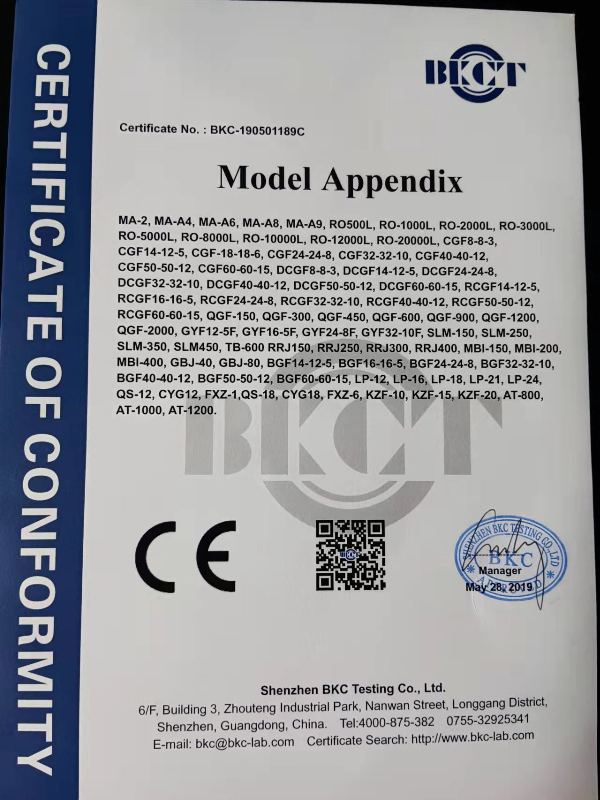
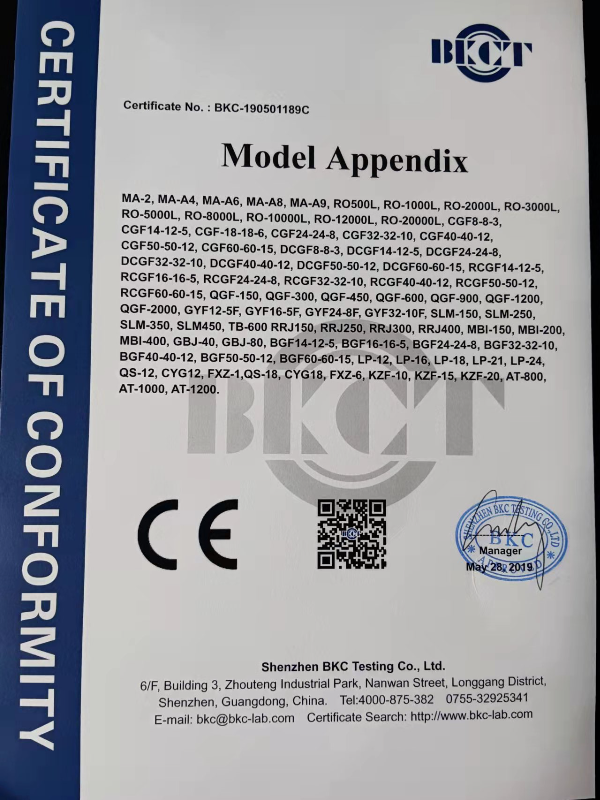
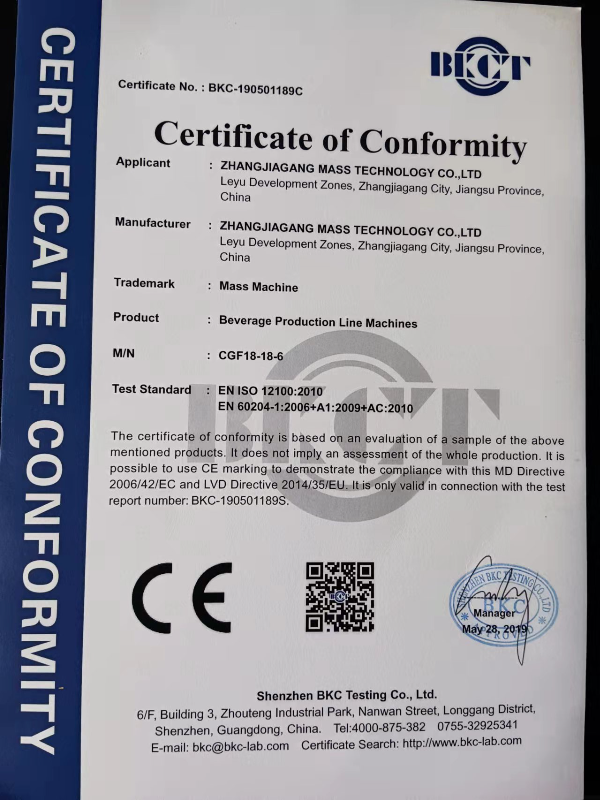
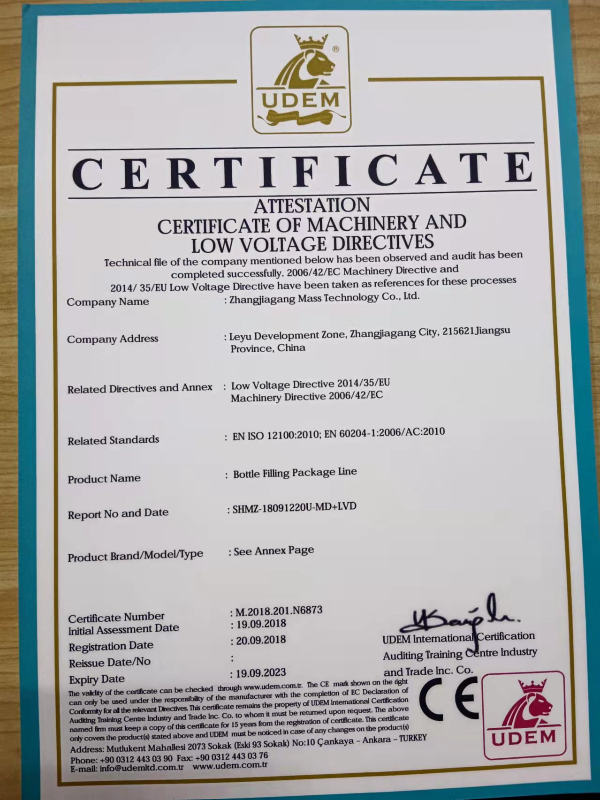
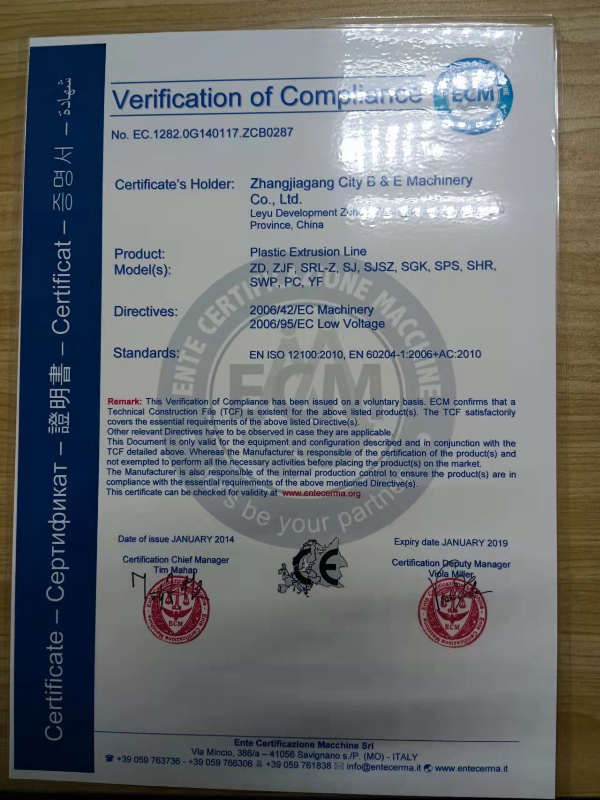
Verified Industrial Standard
Hot Fill Juice Machine — 85–95°C Filling For Shelf-Stable Juice & Tea
Five RCGF models from 2,500 to 14,000 BPH. PET circular and square containers, 50–115 mm bottle diameter. Each line ships with a 2-Year all-parts warranty, 24-Hour engineer response, and 5-Day international parts dispatch.
CERTIFIED
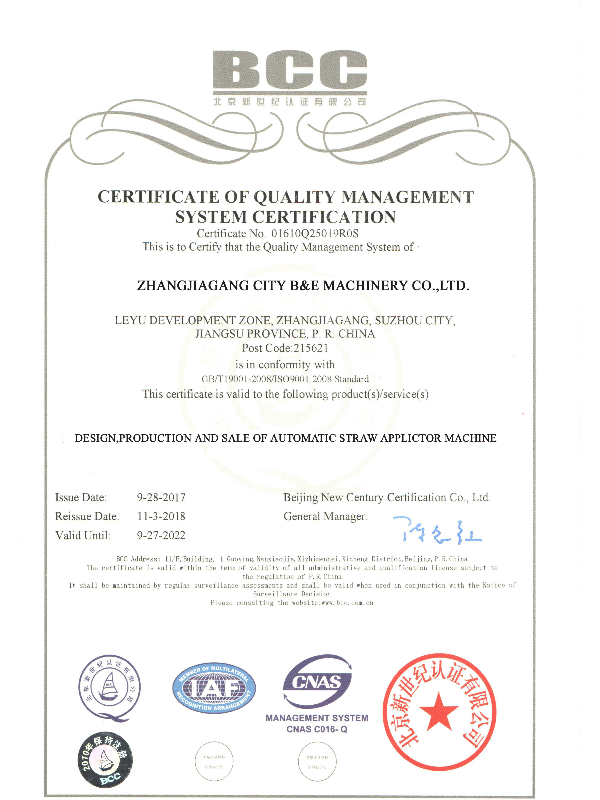
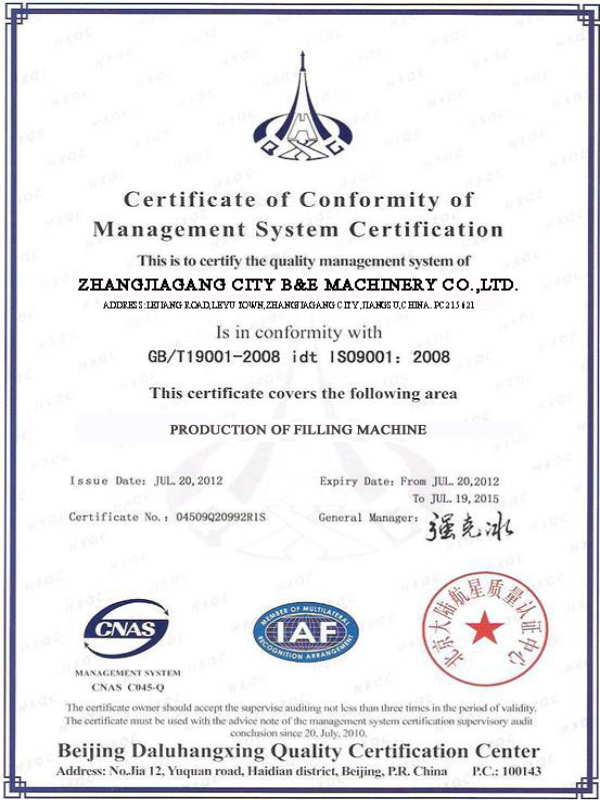
ISO 9001
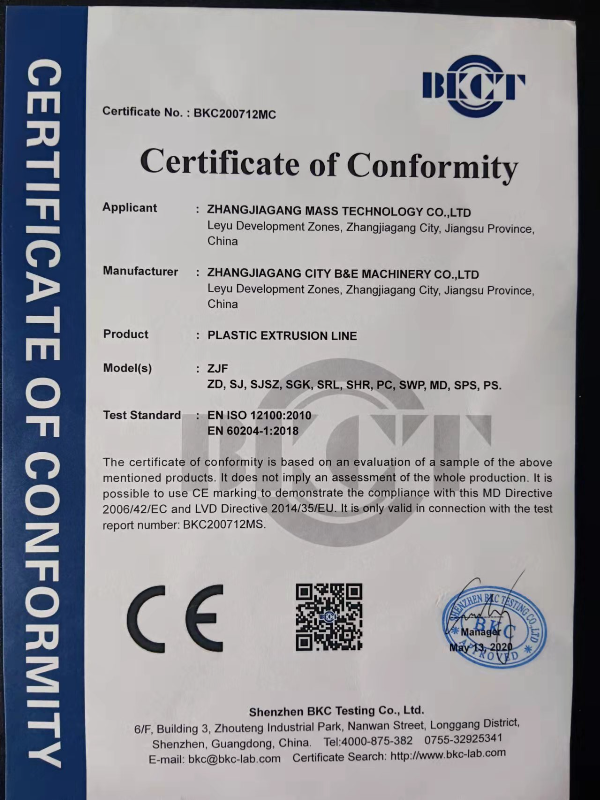
CE MARK
Get A Tailored Quote
Solution Summary — RCGF Hot Fill Series
2,500-14k
BPH range across 5 RCGF models
85-95°C
Filling temperature range
50-115mm
PET bottle diameter support
2-yr
Warranty + 24h engineer response
Thermal Sterilization Analysis — RCGF Series
The RCGF Series leverages the precise thermodynamics of hot filling (85–95°C) to ensure comprehensive sterilization. This technical overview breaks down the Critical Control Points (CCP) within the filling cycle that guarantee shelf stability without chemical additives.
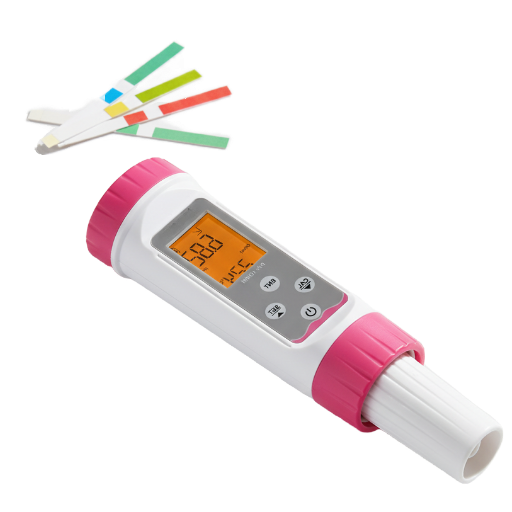
pH 3.5–4.6 Spoilage Window
Acidic juice (apple, mango, pineapple) sits in the pH band where heat-resistant yeasts and molds are the primary risk. Bacteria do not thrive below pH 4.6 — but spoilage organisms like Alicyclobacillus and lactic-acid yeasts do.
Target pH
3.5 — 4.6 Range
Main Risk
Heat-resistant Yeast/Mold
Stability
6–12 Months
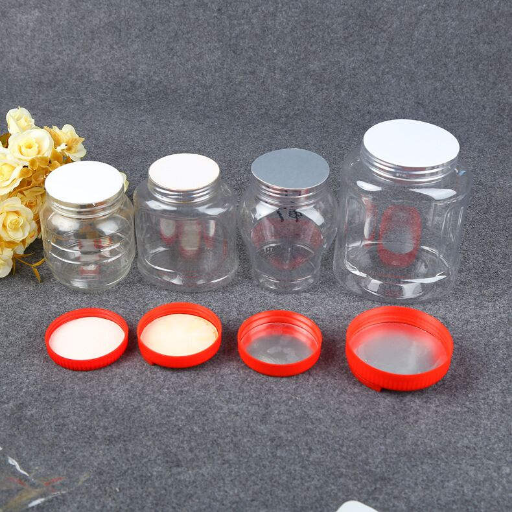
Package Re-Sterilization
When juice enters at 85–90°C, the heat conducts through the bottle wall and cap liner. Holding hot product against the inner surface for 30–60 seconds reaches a lethal time-temperature combination for spoilage organisms.
Process Temp
85°C — 90°C
Contact Time
30 — 60 Seconds
Mechanism
Thermal Conduction
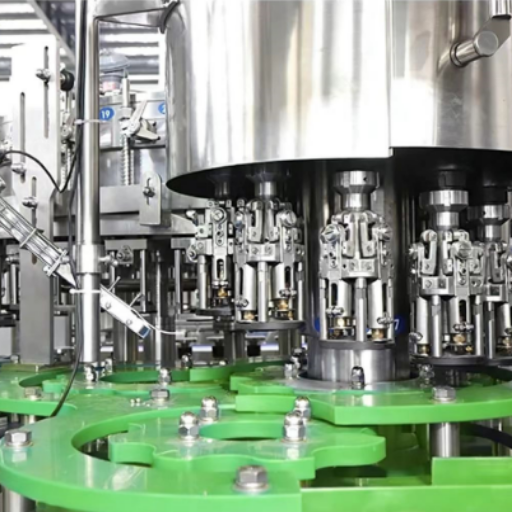
95°C Peak Performance
Low-acid teas and plant-based beverages sit closer to the pH 4.6 threshold. A 95°C peak setpoint gives a wider lethality margin. Mass RCGF lines are designed to handle these higher thermal stresses without bottle deformation.
Peak Temp
92°C — 95°C
Application
Functional Teas / Proteins
Validation
FDA 21 CFR Part 120
“Our RCGF engineering prioritizes the physics of thermal safety, ensuring every millisecond of contact time is optimized for shelf-stable output.”
Download Tech CatalogMass Technology Juice Filling Machine Lineup
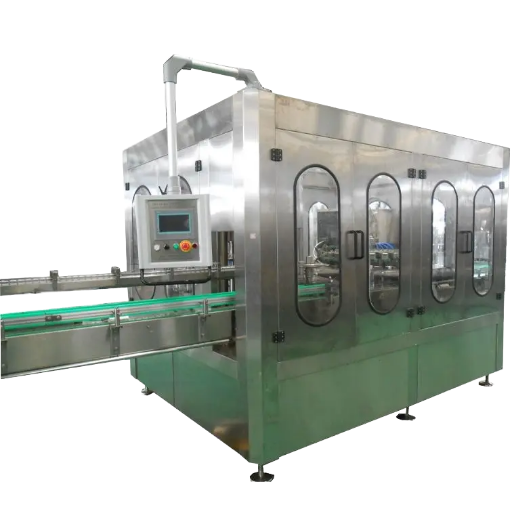
Five fully automatic rinser-filler-capper monoblocks ship under the RCGF designation. The model number encodes the head count: an RCGF 18-18-6 carries 18 rinsing heads, 18 filling heads, and 6 capping heads. Reading the model number gives a procurement engineer enough information to cross-shop against a target throughput, without having to decode marketing language first.
RCGF Hot Fill Juice Bottling Machine — Full Specification Ladder
| Model | BPH @ 500 ml | Heads R-F-C | Power | Weight | L × W × H |
|---|---|---|---|---|---|
| RCGF 8-8-3 | 2,500–3,000 | 8 / 8 / 3 | 3.91 kW | 2,000 kg | 1.8 × 1.6 × 2.2 m |
| RCGF 16-12-6 | 3,500–4,000 | 16 / 12 / 6 | 4.61 kW | 2,500 kg | 2.1 × 1.6 × 2.2 m |
| RCGF 18-18-6 | 4,500–6,000 | 18 / 18 / 6 | 4.61 kW | 3,500 kg | 2.45 × 1.8 × 2.2 m |
| RCGF 24-24-8 | 8,000–12,000 | 24 / 24 / 8 | 5.41 kW | 4,500 kg | 2.75 × 2.18 × 2.2 m |
| RCGF 32-32-10 | 12,000–14,000 | 32 / 32 / 10 | 6.41 kW | 6,000 kg | 3.5 × 2.2 × 2.25 m |
Common platform: PET circular or square containers, bottle diameter 50–115 mm, plastic screw-cap closure, aseptic water washing prior to filling. Integrates seamlessly with our companion bottle blowing machine.
Decision Matrix — Strategic Model Selection
A small juice startup running 500 ml PET at 8-hour single shifts will rarely outgrow an RCGF 8-8-3. A regional co-packer servicing private-label juice contracts typically lands on the RCGF 18-18-6 — enough head count to cover 4,500–6,000 BPH peaks without doubling the footprint. A national beverage brand running 24-hour operation chases the RCGF 32-32-10 because the 12,000–14,000 BPH ceiling is what saturates a single 32 mm-cap PET bottle line at industrial scale. Mass deliberately tops out at 14,000 BPH because that band covers the real procurement majority for emerging-market juice brands and mid-tier co-packers.Heat-Resistant PET & Vacuum Relief Design
One question that surfaces repeatedly in real engineering forums: as hot-filled juice cools inside a sealed bottle, the gas-phase headspace contracts, drawing the side wall inward and producing the dreaded “panel” deformation. Two design countermeasures exist. First, heat-resistant PET preforms with thicker side walls and crystallized neck rings tolerate the 85–95°C contact without softening. Second, vacuum-relief panel geometry or nitrogen dosing into the headspace prior to capping equalizes the pressure delta as the product cools. RCGF lines support both heat-resistant PET handling and optional nitrogen dosing on the capping bridge.Need Help Picking The Right RCGF Model?
Talk To Our Application Engineer
Hot Fill Vs Cold Fill Vs Aseptic Filling — Which Process Fits Your Product?
Picking between a hot filling machine and a cold-fill or aseptic line for juice production comes down to a single tradeoff: shelf life versus capital expenditure. Each path solves the same microbial spoilage problem with a different cost structure. Below is the comparison that procurement teams actually use, framed in dimensions you can map to your product roadmap.
| Dimension | Hot Fill (Mass RCGF) | Cold Fill | Aseptic |
|---|---|---|---|
| Fill temperature | 85–95°C | 4–25°C | 4–25°C inside sterile zone |
| Preservatives | Often eliminated | Usually required | Eliminated |
| Container | Heat-resistant PET, glass | Standard PET, PE | Multi-layer carton, sterile PET |
| Capex | Mid (single capital purchase) | Low | High (clean room, sterile fluid path) |
| Shelf life | 6–12 months ambient | 2–6 weeks refrigerated | 9–12 months ambient |
| Best for | Juice, iced tea, vegetable protein | Fresh-squeezed juice, water, carbonate-free still drinks | Dairy, low-acid juice, plant milk |
Why Most Juice And Tea Co-packers Choose Hot Fill
Aseptic gives the longest ambient shelf life, but the capex of a sterile clean room and a sterile fluid path puts it out of reach for most emerging beverage brands. Cold fill is cheap, but the chilled supply chain it forces (and the preservative profile it usually demands) limits where you can sell. Hot fill juice machine technology hits the practical sweet spot — a single capital purchase delivers ambient shelf-stable juice in PET, runs without dosing pumps or sterile zoning, accepts heat-resistant PET or glass bottles depending on the SKU, and uses the same 304/316 stainless steel sanitary contact surfaces that any food-grade liquid filling machine should already carry. For acidic juice and tea brands, hot fill is the default answer; aseptic becomes the answer only when low-acid or dairy-adjacent products enter the SKU mix.
Industry Applications — Real Lines Mass Has Built
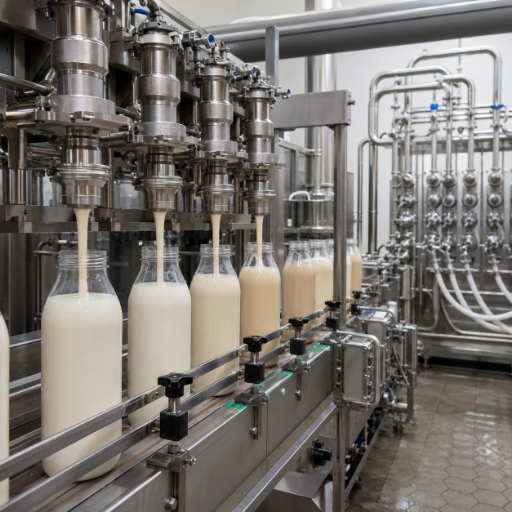
Hot fill juice equipment moves between four product families in our installation history. Each carries a slightly different filling-valve, viscosity, and CIP profile.

Application 1
Fruit Juice (Apple, Orange, Mango)
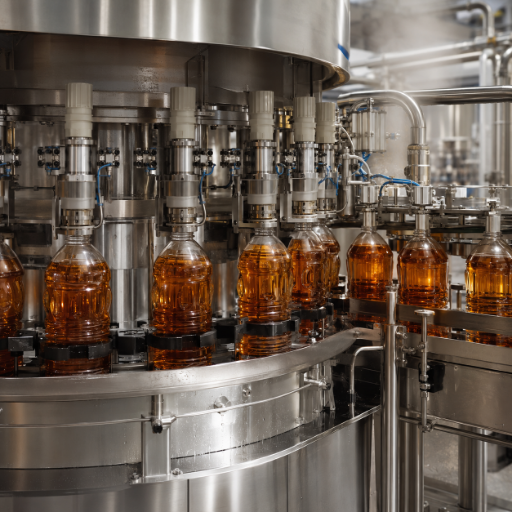
This is the classic hot fill juice bottling target. Acidic pH 3.5–4.2 juice runs cleanly on standard RCGF gravity-fill heads at 85–88°C. PET circular bottles, screw cap, no nitrogen dosing required. Typical co-packer footprint: RCGF 18-18-6 at 4,500–6,000 BPH.
Application 2
Functional & Iced Tea
Tea sits at higher pH than fruit juice and benefits from the 92–95°C peak setpoint. Heat-resistant PET is mandatory. Common requirement: nitrogen dosing on capping bridge to prevent post-cooling panel deformation. RCGF 24-24-8 at 8,000–12,000 BPH is the typical fit.
Application 3
Vegetable Protein Drinks
Soy, almond, coconut, and walnut beverages bring a borderline-acid pH and a viscosity window that demands wider filling valves. RCGF lines accept a vegetable-protein-specific valve set and tighter CIP cycles. The 95°C peak handles the harder-to-kill spoilage spectrum.

Application 4
Mixed Pulp Juice
Pulp juice is where standard filling valves clog. RCGF accepts an optional pulp pump and an enlarged filling-valve seat as a retrofit so you can move from clear-juice to pulp-juice SKUs without replacing the monoblock. Conveyor stays unchanged; only the filling head feeds adapt.
The RCGF series also carries forward into adjacent juice production line scope when buyers expand: water filling lines (0.5–50 T/H water treatment plus 2,000–36,000 BPH PET filling), 5-gallon barrel filling at 50–2,000 barrels per hour, and complete vinegar / soy sauce / wine bottling in the same 2,000–36,000 BPH band. That breadth lets a customer who starts on an RCGF juice line stay with one supplier as adjacent SKU categories open up.
Procurement Snapshot — What You Get From Mass
Treat a juice filling machine as an asset rather than a cost line, and you avoid the procurement traps that usually surface 14 months later when juice filling equipment runs into its first real maintenance event. Teams that take the cost-line view end up paying twice — once at purchase, again when an undocumented spare-parts dependency comes up at month 14. Every RCGF order from Mass ships with five procurement guarantees so the asset side of the equation is clear before contract signing.
2-Year Warranty (All Parts)
Every machine part — including consumable contact surfaces — is covered for 24 months from commissioning. No warranty exclusions on filling valves, capping heads, or rinser nozzles for the first 12 months. Industry default sits at 12 months; the second year is a Mass-specific extension.
24-Hour Engineer Response
A named application engineer answers technical inquiries inside 24 hours from Zhangjiagang HQ. Coverage spans European, US East Coast, and Asia-Pacific business windows. No ticket-system queue; direct engineer line for active customers.
5-Day International Parts Courier
Replacement parts ship via DHL or FedEx within 5 working days of confirmed order. We pre-stock spare-kit modules for every active RCGF model so a downstream operator never waits 6 weeks for a filling-valve seal. The 5-day SLA is our structural answer to year-5 lifecycle questions on imported equipment.
One-Stop Build (Four Phases)
Phase 1: preliminary plant layout design. Phase 2: equipment manufacturing and on-site production line installation. Phase 3: on-site operator training. Phase 4: efficient after-sales support. Capper, conveyor, and pasteurizer scope is named in the quotation — no separate-line-item surprises after PO.
"We treat the spare-parts SLA as the real warranty. A 2-year paper warranty is meaningless if a downstream brewer is waiting six weeks for a filling-valve seal. Pre-stocking the kits and committing to 5-day international dispatch — that is the part procurement teams can verify in month 14."
TCO Snapshot
Hot Fill Juice Line Payback Range
Industry analysis indicates a capital-equipped beverage filling line typically returns its premium cost within 12–18 months, calculated against the cost of preservative dosing, refrigerated supply chain, and discarded short-shelf-life inventory in a cold-fill comparison (industry benchmark per Packaging Technology Today). Exact payback varies with throughput utilization, energy cost, labor cost, and product margin. Mass provides a custom TCO worksheet on request that maps your forecast SKU mix to an RCGF model and energy / labor input.
Total cost of ownership covers: purchase + installation + maintenance + spare parts + labor + energy. Treat each line item separately during evaluation.
Want a custom TCO worksheet for your projected SKU mix?
Request A TCO BreakdownEngineering Fundamentals
Below the marketing layer, four engineering decisions are what actually drive line performance across a 7-year service life: stainless steel grade selection, Clean-in-Place cycle design, post-fill cooling tunnel sizing, and filling accuracy method. Mass spec each of these with the same defaults across the RCGF lineup.
SPECS 01
Stainless Steel
304 Vs 316 Stainless Steel — When To Spec Each
Both 304 and 316 stainless steel meet food-contact standards. Technical difference comes down to molybdenum content: 316 carries 2–3% molybdenum where 304 has none. For tea, vegetable protein, or any product where the line will run salt-bearing additives or aggressive sanitizer cycles, 316 in contact zones extends service life materially. Mass RCGF builds default to 304 frame plus 316 contact zones.
SPECS 02
CIP Cycle
CIP Cycle (Clean-In-Place) — Alkaline, Acid, Rinse, Sanitize
A juice filling machine that cannot run a closed-loop CIP cycle becomes a microbial liability inside 30 days of production. Standard CIP cycle for hot fill juice: alkaline wash at 70–80°C for organic residue, acid wash for mineral scale, and a final sanitizing step. RCGF lines accept 3-tank or 4-tank CIP units at the customer's preference.
SPECS 03
Cooling Tunnel
Cooling Tunnel Sizing
After filling at 85–95°C, the bottle must cool to under 40°C before labeling. Cooling tunnel sizing depends on bottle volume, throughput, and desired discharge temperature. We quote cooling tunnels as a separate line item because the right size depends on your specific SKU portfolio and the cooling-water inlet temperature at your plant.
SPECS 04
Filling Accuracy
Filling Accuracy ± Method (Gravity Filling)
RCGF series uses gravity filling with electronic flow-meter feedback. Filling accuracy holds within roughly ±1% of target volume. Gravity filling is intentionally chosen for juice and tea because it accommodates particulate (pulp) handling without piston-clog risk and runs simpler CIP cycles compared to complex volumetric pistons.
FAQ — Buyer Questions Answered
For acidic fruit juice in the pH 3.5–4.2 band, 85–88°C at the filling valve is the typical setpoint and gives reliable spoilage control with a 6–12 month ambient shelf life. Mechanism is straightforward: residual heat conducts through the bottle wall and cap thread, holding the contact surfaces above the lethal time-temperature combination for vegetative spoilage organisms for 30–60 seconds. For low-acid teas and vegetable protein drinks closer to the pH 4.6 threshold, 92–95°C is preferred to widen the lethality margin against hardier spoilage organisms like heat-resistant yeasts and Alicyclobacillus. RCGF lines hold the full 85–95°C band so a single capital purchase covers both acidic juice today and borderline-acid SKU expansion later. Validate the actual time-temperature profile against your specific product per FDA 21 CFR Part 120 (juice HACCP) before commercial production.
A typical RCGF deployment runs 45–60 days for manufacturing in Zhangjiagang plus 14–21 days for on-site installation, commissioning, and operator training. The actual range depends on customs clearance, plant readiness (utilities, drainage, compressed air), and integration scope (whether ancillary equipment like cooling tunnels and labelers travel in the same shipment). Mass quotes a fixed timeline window per project after preliminary plant layout review.
If your product is acidic juice (pH below 4.6) or iced tea, hot fill is almost always the right call. The capex is dramatically lower than aseptic, the process eliminates preservatives, and the 6–12 month shelf life covers most retail supply chains. Aseptic only outperforms hot fill when you ship low-acid juice (carrot, vegetable blends) or dairy-adjacent products where higher temperatures damage flavor — and even then, the sterile clean room and sterile fluid path push capex 3–5× higher than a comparable hot fill juice line.
Yes, with an optional pulp pump and enlarged filling-valve seat. RCGF lines ship as standard for clear and lightly-clouded juice; pulp-juice handling is a retrofit the same monoblock can accept. The capper, rinser, and conveyor specifications do not change. Customers running a mix of clear and pulp SKUs typically order the pulp valve set as a planned upgrade rather than a separate line.
RCGF lines accept both PET circular and PET square containers within the 50–115 mm bottle diameter range. Square bottles need a slightly different conveyor guide profile, a star-wheel adjustment at the rinser inlet, and a modified neck-handling clamp at the capper bridge, all of which are tooling changes rather than machine swaps. Brands running mixed circular and square SKU portfolios usually order both tooling sets at line commissioning to avoid downtime when switching shapes mid-shift. Heat-resistant PET preforms are required for hot fill regardless of bottle shape; standard amorphous PET will deform under the 85–95°C contact and panel-relief geometry will not save it.
For straight acidic juice (citrus, apple, grape) on a clean CIP cycle, 304 stainless steel in the contact zone is acceptable and is what most production lines run. For tea blends, vegetable protein, salt-bearing flavor systems, or aggressive chloride-based sanitizers, 316 in contact zones materially extends service life. Default Mass build is 304 frame plus 316 contact surfaces; full-316 builds are quotable on request. Reference: AZoM food-grade stainless steel comparison.
Throughput spans 2,500 BPH (RCGF 8-8-3 entry tier) up to 14,000 BPH (RCGF 32-32-10 top tier) at the 500 ml reference bottle. Larger bottles (1 L, 1.5 L) run at proportionally lower BPH due to filling-valve fill-time. Mass publishes a juice filling line throughput estimator on the website that lets you map bottle volume against the five RCGF tiers without contacting sales.
All machine parts including filling valves, capping heads, rinser nozzles, conveyor motors, electrical control panels, and PLC components are covered for 24 months from the date of commissioning. Consumable contact-zone seals carry a separate 12-month coverage. Operator-induced damage (power surge without protective UPS, unauthorized retrofit) is excluded. Spare-parts dispatch under warranty ships within 5 working days via DHL or FedEx.