Get in Touch with Masstech

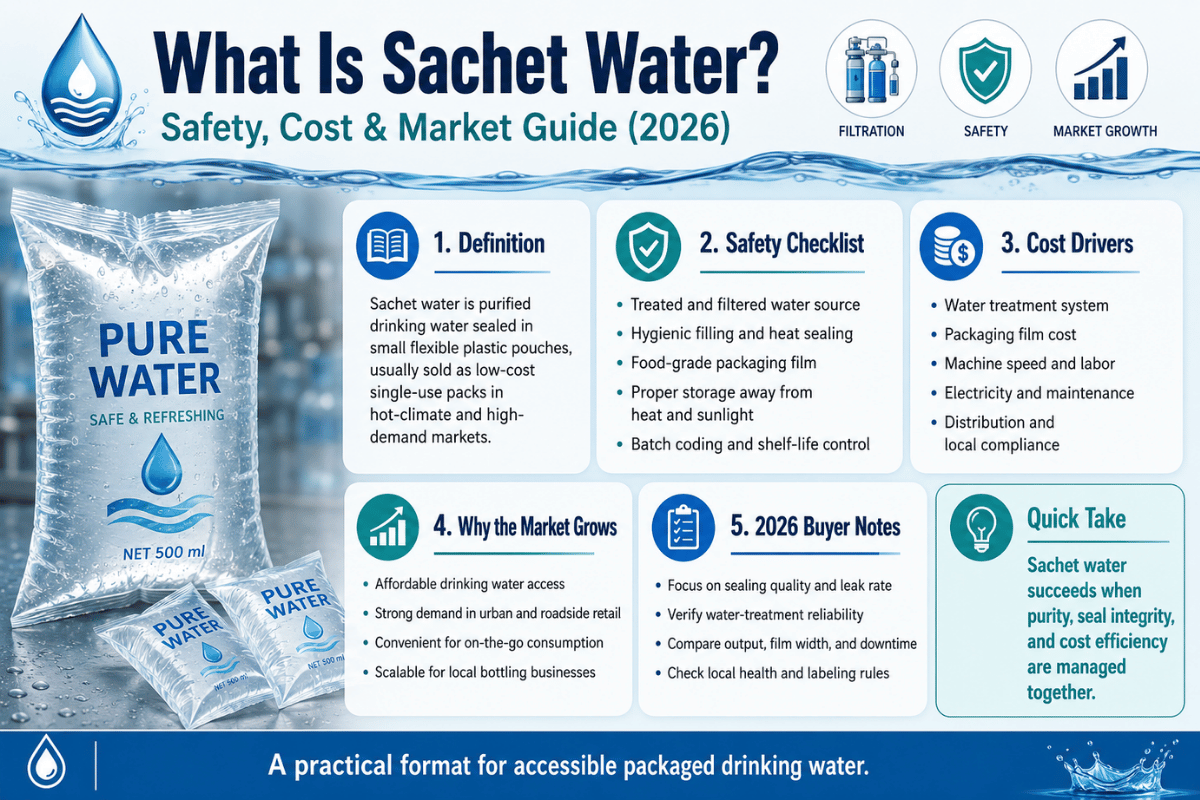
In one paragraph: Sachet water is pre-treated drinking water sealed into a ~500 mL plastic bag, sold mainly across West Africa as “pure water.” Produced by tens of thousands of small plants, it makes safe-ish water cheap and portable — but quality depends entirely on the producer, and the discarded bags are a major source of plastic waste.
⚡ Key Takeaways
- A sealed, properly registered sachet can be safer at the moment you drink it than water stored in an open container, yet a registration number is still not a guarantee of safety.
- Nigeria consumes more than 2.5 billion litres of sachet water a year, produced by over 32,000 manufacturers.
- “Pure water” isn’t always pure: a 2025 Lagos study found NAFDAC-registered samples exceeding World Health Organization limits for lead and arsenic.
- That same 500 mL bag is the cheapest safe water for millions and one of West Africa’s largest single-use plastic streams.
Quick Facts: Sachet Water
| Typical volume | ~500 mL (50 cl) per sachet |
| Packaging | Heat-sealed low-density polyethylene (PE) film |
| Also called | “Pure water” (Nigeria, Ghana) |
| Typical price (Nigeria, 2024) | ~₦50 per sachet; ₦400–500 per bag of ~20 |
| Main markets | West & Central Africa; parts of South & Southeast Asia |
| Nigeria registration | NAFDAC packaged-water registration number (registration + product fees apply) |
What Is Sachet Water, Exactly?
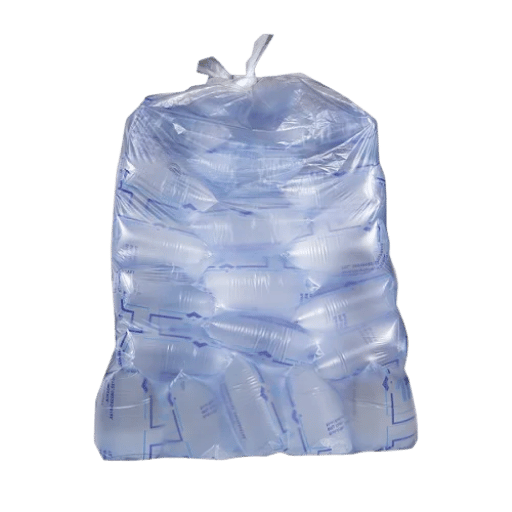
Sachet water is filtered, often UV-treated drinking water that a machine fills and heat-seals into a single-use ~500 mL polyethylene pouch. You tear a corner with your teeth and drink straight from the bag. It took off in Ghana and Nigeria in the late 1990s, and a 2012 review in the Journal of Water, Sanitation and Hygiene for Development documented the now-standard 500 mL PE bag sealed at each end.
That popular name“pure water”is a marketing label, not a quality certificate, a distinction that matter more than most buyers realize, as the safety section below explains. It’s also worth separating sachet water from two things it’s often confused with: a fragrance sachet (an unrelated scented packet) and a point-of-use treatment sachet such as P&G’s PUR powder, which you stir into dirty water to purify it rather than drink directly. Sachet water is the finished, sealed product; those others are scent or treatment chemistry.
💡 Why the name stuck
In Nigeria and Ghana, “pure water” became shorthand because the sealed bag looked cleaner and more trustworthy than water ladled from an open drum — the previous norm. Branding outran the regulation, and the gap between the two is the whole safety story.
Why Sachet Water Exists: The West African Water-Access Gap
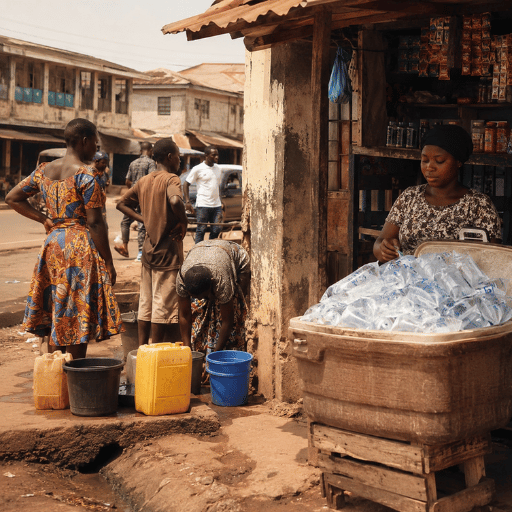
Across West Africa, sachet water exists because piped public water in many cities is unreliable, and bottled water is unaffordable for most households. According to the UN Environment Programme, the spread of sachets is “largely driven by the intermittent scarcity of public water supply” — most people in sub-Saharan cities find it hard to access basic water services.
UNICEF reports that around 60% of Ghana’s population lacks drinking water on their own premises, and studies have long found that roughly a third of Ghanaian households rely on sachet water as a primary drinking-water source, per work archived by Johns Hopkins University.
Economics finish the explanation. A sachet cost roughly a tenth of a comparable volume of bottled water, needs no upfront filter or cooler, and is small enough to carry in a pocket. When the only realistic choices are an unreliable tap, an expensive bottle, or a 50-naira bag, the bag win.
Sachet Water Belt: Where “Pure Water” Rules
A “Sachet Water Belt” runs across the West and Central African countries, Nigeria, Ghana, Niger, Côte d’Ivoire, Cameroon, Togo, Benin and neighbours, where sachet water is a primary drinking-water source rather than a niche product. Nigeria anchors the belt: federal figures cited by NESREA put national consumption at over 2.5 billion litres a year from more than 32,000 producers. With Africa’s population projected to grow from 471 million in 2020 toward 1 billion by 2050, the underlying demand driver, urban growth outpacing water infrastructure, is strengthening, not fading.
How Sachet Water Is Made: From Borehole to Sealed Bag
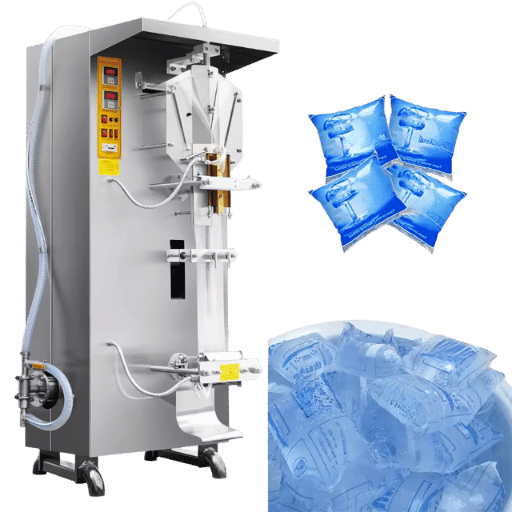
Production begins by treating a raw water source, then filling and heat-sealing the treated water into PE film on an automatic machine. In Ghana and Nigeria the industry only scaled once purpose-built filling-and-sealing machines arrived in the late 1990s, before that, “pure water” was literally tied off by hand.
A legitimate plant isn’t a kitchen operation: a complete production line with water treatment is reported to cost on the order of several million naira, which is why proper producers register and brand their output.
3-Barrier Sachet Water Safety Model
This 3-Barrier Safety Model names the three things that make a sachet safe, and what breaks when any one is skipped:
- Barrier 1, Treatment. Source water (borehole or municipal) passes through multi-stage filtration, commonly reverse osmosis (RO), to strip particulates and dissolved contaminants. Skip it, and you’re bagging the same contaminants the tap had.
- Barrier 2, Disinfection. Treated water is sterilized, typically with ultraviolet (UV) light, to inactivate bacteria and other microbes. Skip it, and microbes survive into the sealed bag.
- Barrier 3, Seal integrity. The form-fill-seal machine heat-seals the bag so nothing re-enters before you open it. A weak seal lets contamination back in during transport and storage.
This is also where the equipment matter: the reverse-osmosis water treatment system handles Barriers 1 and 2, and a sachet water filling and sealing machine handles Barrier 3. Why does “pure water” quality vary so much from brand to brand? Informal producers cut one or more of these barriers to save money.
Is Sachet Water Safe to Drink?
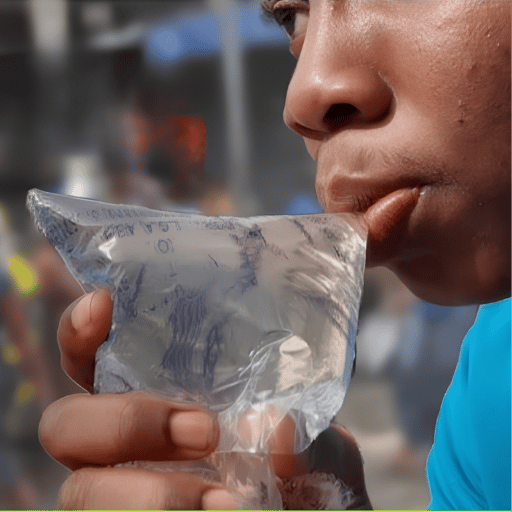
Safety depends on the producer and the handling, not the format itself. A sachet is safe when it comes from a properly registered plant that runs all three barriers and the bag is intact and kept out of the sun — but quality is genuinely inconsistent, and the risks are both microbial and chemical.
Is sachet water healthy to drink?
Often, yes — and frequently it is the healthiest option actually available, though not guaranteed. Producer quality is the deciding factor: a 2024 systematic review of sachet water in Ghana found that roughly three-quarters of sampled sachets (about 76%) showed microbial contamination, with street-vended sachets linked to several cholera outbreaks (per the review indexed at PMC).
Contamination usually traces back to a skipped barrier — untreated source water or poor hygiene during filling — followed by sun exposure that degrades the bag.
There’s a genuinely counterintuitive flip side, though. Research in PMC found that packaged water, sachet or bottled, can offer protection against point-of-consumption E. coli contamination compared with piped water that has been stored and re-handled in the home. The key word is factory-sealed at the source: a sealed bag from a good producer beat water that has sat in an open bucket. A sun-bleached, street-vended sachet from an unknown producer is a different risk entirely. One phrase decides it all: factory-sealed at the source.
⚠️ A registration number is not a safety guarantee
A 2025 study of sachet water in Lagos found that 29 samples all carried NAFDAC registration numbers, yet exceeded WHO limits for lead in 65.5% of samples, arsenic in 51.7%, uranium in 17.2% and mercury in 3.5% — and many lacked batch or expiry dates (PMC, 2025). A NAFDAC number proves the producer is registered, not that every batch meets every chemical limit.
Contamination in sachet water falls into a handful of recurring categories. Knowing the type help you read the risk: a cloudy bag is an obvious physical fail, while a chemical or heavy-metal problem is invisible and only shows up in lab testing.
| Contaminant type | Example | Typical cause | What it signals |
|---|---|---|---|
| Bacterial | E. coli | Untreated source / poor filling hygiene | Fecal contamination; diarrhoeal illness |
| Bacterial | Total coliforms | Contaminated source water | Indicator of sanitary failure |
| Parasitic | Protozoa / parasites | Untreated borehole or surface water | Outbreak risk (cholera-class) |
| Heavy metal | Lead | Source geology / packaging | Exceeded WHO limit in 65.5% of one Lagos sample set |
| Heavy metal | Arsenic | Groundwater geology | Exceeded WHO limit in 51.7% |
| Heavy metal | Uranium | Groundwater geology | Exceeded WHO limit in 17.2% |
| Heavy metal | Mercury | Industrial / source water | Exceeded WHO limit in 3.5% |
| Chemical | Plasticizer / BPA-type leaching | Sun and heat exposure of the film | Invisible; rises with poor storage |
| Physical | Particulates / cloudiness | Failed or absent filtration | Visible quality failure — do not drink |
5-Point Sachet Water Safety Check
Before drinking an unfamiliar sachet, the 5-Point Safety Check is a fast field test of whether it’s worth the risk:
- ✔Intact sealboth ends fully sealed, no leaks or re-taping.
- ✔Printed registration + traceabilitya NAFDAC/FDA number plus a batch number, manufacture and best-before date.
- ✔Not sun-bleached or warmheat and UV degrade the film and can drive chemical leaching.
- ✔Clear and odourlessno cloudiness, particles or smell.
- ✔Established branda known producer is more likely to run all three barriers than an anonymous one.
If you’re in an area with documented contamination problems and the water source is uncertain, boiling or filtering at home remains the safest fallback, sachet water is a convenience, not a substitute for a reliable safe-water supply.
Sachet Water vs Bottled, 5-Gallon and Tap Water
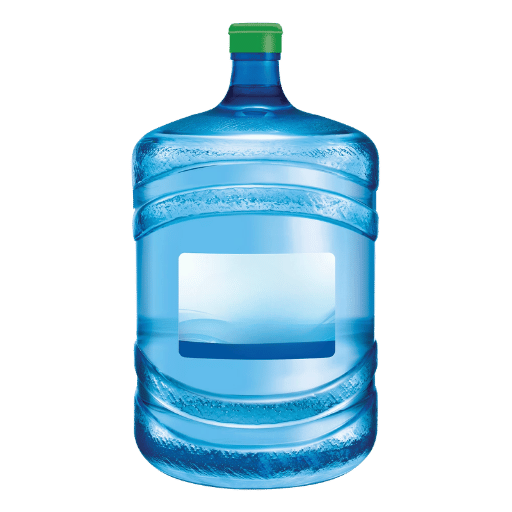
What’s the difference between bottled water and sachet water?
At its core, the difference is packaging and price: sachet water is sealed in a ~500 mL single-use plastic bag and sells for a fraction of bottled water, while bottled water uses a rigid PET bottle, costs roughly ten times more per litre, and reseals.
Both are “packaged water” and both can be high quality from a good producer; the trade-off is cost, convenience and waste profile rather than an automatic safety ranking — sealed packaged water can even outperform stored tap water on point-of-consumption contamination, according to research indexed in PMC. A quick table below orients the four common formats at a glance.
| Format | Relative cost / litre | Safety control | Convenience | Packaging waste |
|---|---|---|---|---|
| Sachet (~500 mL) | Lowest | Sealed, but producer-dependent | Very high — pocket-sized, ready to drink | High (single-use film, low recycling) |
| Bottled (PET) | ~10× sachet | Sealed, usually tighter QC | High — resealable | High, but more recyclable |
| 5-gallon (HOD) | Low per litre, high upfront | Sealed; depends on dispenser hygiene | Home/office only — needs a cooler | Lowest (reusable bottle) |
| Tap / piped | Cheapest where available | Variable; risk on storage/re-handling | High where reliable, low where not | None |
Cost and waste comparisons are general orientation, not lab figures; a fuller cost-and-quality breakdown of sachet vs bottled water is a topic in its own right.
The Plastic Problem: Sachet Water’s Environmental Cost
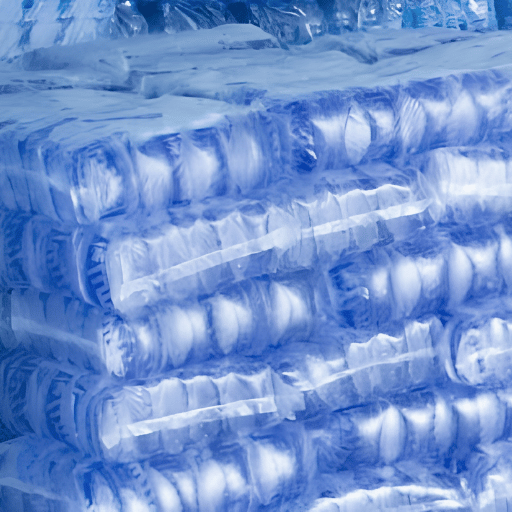
Sachet water’s biggest downside is the bag itself. In Nigeria alone, an estimated 50–60 million used sachets are discarded onto the streets every day, a figure the UN Environment Programme draws from a UNIDO assessment of Nigeria’s plastic value chain. Because the film is thin, single-use polyethylene and waste collection is patchy, the discarded bags clog drains, a documented contributor to urban flooding, and, when burnt, release air pollution. Accra generates on the order of 2,500 tons of waste per day, much of it sachet and other plastic film, according to coverage in Smart Water Magazine. Senegal has banned disposable sachets outright, and 30 African countries have committed under the Bamako Convention to tighter hazardous-waste management.
500 mL Paradox
This 500 mL Paradox captures the tension at the heart of this product: the same little bag is, simultaneously, the cheapest safe-ish drinking water for millions of people and one of West Africa’s largest single-use plastic streams. You can’t simply ban it without answering the question it solves, where does affordable, portable safe water come from instead?
“Plastic water sachets address a real need for potable water. Making safe water more widespread, especially to lower-income communities, would help address the root cause of the problem, rather than its symptoms.”
There are early signs of a circular response. Recyclers in Accra already buy used “pure water” sachets by the kilogram to wash and pelletize the film, and Ghana’s Trashy Bags initiative upcycles them into reusable shopping bags, small but real proof that the waste has value if collection systems exist.
Who Makes Sachet Water, and the Equipment Behind It
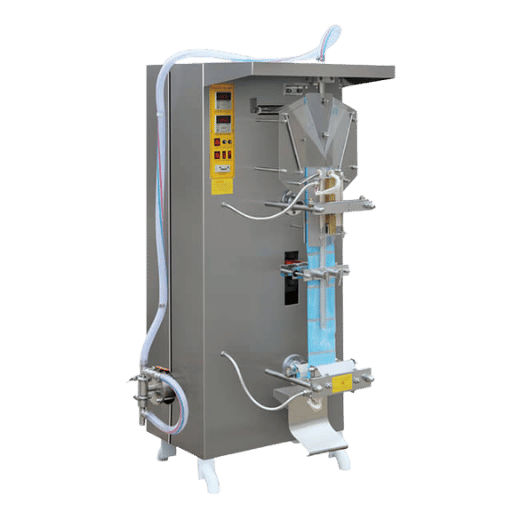
Producers range from tens of thousands of small, informal plants to registered industrial bottlers, but all rely on the same core kit: a water-treatment system and a filling-and-sealing machine. Scale runs from a single-room operation to a multi-line factory supplying a whole city, and the market behind that kit is large and entrenched.
What countries use sachet water?
Use is heaviest across West and Central Africa — Nigeria, Ghana, Niger, Côte d’Ivoire, Cameroon, Togo and Benin lead, with growing use in parts of South and Southeast Asia. Nigeria is the largest market by far: government figures put consumption above 2.5 billion litres a year from more than 32,000 registered and unregistered producers, while a 2024 systematic review reported that 1,544 packaged-water producers held valid Ghana FDA registration as of October 2024.
Behind those numbers is a real business-to-business industry. Every sachet start on a water-treatment system and a filling-and-sealing line, and the durable demand for that equipment is what connects a 50-naira bag to a global manufacturing supply chain. As a beverage-filling-equipment manufacturer, Mass Technology has supplied sachet and PET water lines across more than 14 sub-Saharan African countries and parts of Southeast Asia (2020–2025 export records); the questions new producers ask most are about realistic throughput, matching water-treatment capacity to the filling line, and meeting NAFDAC requirements before launch.
Market-research firms estimate the global sachet water market at roughly US$251 million in 2021 rising to about US$301 million by 2025; those figures are useful for direction but come from commercial forecasters rather than government data, so treat them as estimates rather than hard numbers. The firmer signal is the producer count and consumption volume from regulators, and both point to a large, entrenched market. Producers planning a new plant typically start with the complete water filling line and size it to local demand.
Industry Outlook: Where Sachet Water Is Headed (2026 and Beyond)
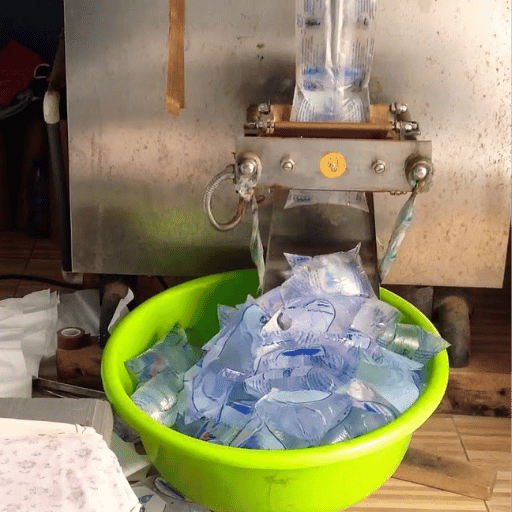
Sachet water’s defining tension in 2026 is that demand keeps rising while the format itself now faces direct regulation, and the two are on a collision course. On the demand side, urban population growth and unreliable piped supply keep consumption high; Nigeria’s market has stayed strong even through steep price increases (a sachet roughly doubled from ₦20 to ₦50 with inflation).
On the regulatory side, the picture is genuinely split between state and federal action. Lagos State has moved against single-use plastics, though exactly how sachet “pure water” is treated has been contested, while at the federal level Nigeria’s Executive Council approved a national single-use-plastics ban that explicitly names sachet water, with an inter-ministerial committee inaugurated in November 2025 to coordinate the phase-out (Federal Ministry of Information; Reuters). Running alongside the bans, new Extended Producer Responsibility (EPR) rules aim to make producers part of the cleanup, and recyclers, deposit-return pilots and water-refill ATMs are emerging as alternatives.
For anyone planning around this category in 2026, the practical takeaway is to expect three things: stricter enforcement of registration and labelling, growing producer obligations for take-back and recycling, and rising interest in lower-waste packaging and refill models. One open question the bans haven’t yet answered is what affordable, portable, safe alternative replaces the sachet for the tens of millions who depend on it, and whoever solves that, in policy or in product, will shape the next decade of the market.
Frequently Asked Questions
Q: Why is sachet water called “pure water” in Nigeria and Ghana?
View Answer
“Pure water” began as a marketing label when sealed sachets replaced water ladled from open drums — the sealed bag simply looked cleaner and safer than the alternative. The name stuck and became the everyday term for sachet water across both countries. It describes the product’s reputation, however, not a guaranteed purity standard, which is why quality still varies from producer to producer.
Q: How much does a sachet of water cost?
View Answer
In Nigeria as of 2024, a single sachet typically sells for about ₦50, and a bag of roughly 20 sachets for ₦400–500, though prices move with inflation and the exchange rate — the per-sachet price had been around ₦20 only a couple of years earlier. That still makes sachet water roughly ten times cheaper per litre than bottled water, which is the main reason it dominates low- and middle-income demand.
Q: Is sachet water the same as bottled or mineral water?
View Answer
No. All three are packaged drinking water, but sachet water is sealed in a single-use ~500 mL plastic bag, bottled water uses a rigid resealable PET bottle, and “mineral water” specifically means water with a defined natural mineral content from a protected source. Sachet and ordinary bottled water are usually treated municipal or borehole water, not mineral water — the labels describe packaging and source, not an automatic safety ranking.
Q: What size is a sachet of water?
View Answer
The standard sachet holds about 500 millilitres — half a litre, usually printed as 50 cl — in a thin, heat-sealed polyethylene bag. Smaller 30 cl pouches exist, but 50 cl is by far the most common format across West Africa.
Q: Is the plastic from sachet water recyclable?
View Answer
Technically yes — the bags are low-density polyethylene, which can be washed and pelletized into recycled plastic. In practice, recovery is low because the film is thin, lightweight and widely littered rather than collected. There are working examples, though: recyclers in Accra buy used sachets by the kilogram.
Ghana’s Trashy Bags initiative upcycles them into reusable bags, and Nigeria’s emerging Extended Producer Responsibility rules are designed to push more producers toward funding this kind of collection and recycling, with a few testing thinner mono-material film that is easier to reprocess. For now, though, uptake stays early and the large majority of sachets are simply dropped on the street.
Q: Can you start a sachet water business with a small budget?
View Answer
A compliant plant needs a water-treatment system, a filling-and-sealing machine and NAFDAC/FDA registration, so it is a real capital investment rather than a kitchen-table venture. The right starting point is matching equipment capacity to your target output — explore the Mass sachet water machine options before committing to a budget.
Planning Your Sachet Water Production Line
Mass Technology builds the water-treatment and filling-and-sealing equipment behind compliant “pure water” plants, with deployment across 60+ countries.
About This Guide
This explainer was compiled from UN, UNICEF, peer-reviewed public-health research and Nigerian and Ghanaian regulatory sources, cross-checked against Mass Technology’s own experience supplying sachet and PET water lines across 14+ sub-Saharan African countries since 2020. We build the machines that produce sachet water; we don’t bottle or sell the water itself, and we’ve flagged where market figures rest on commercial estimates rather than government data.
References & Sources
- The rarely told story of the widely used water sachetsUN Environment Programme
- Sachet drinking water in Ghana’s Accra-Tema metropolitan areaJournal of Water, Sanitation & Hygiene for Development (PMC)
- Microbial Safety of Sachet Water in Ghana: A Systematic ReviewPMC, 2024
- Assessment of heavy metal and trace element contamination in sachet water and regulatory gaps in Lagos, NigeriaPMC, 2025
- The role of packaged water in meeting global targets on improved water accessPMC
- Sachet Water: An Environmental Education ToolJohns Hopkins University
- Request for Proposals, single-use plastic water sachetsNational Environmental Standards and Regulations Enforcement Agency (NESREA), Nigeria
- FG Inaugurates Inter-Ministerial Committee on Ban of Single-Use PlasticsFederal Ministry of Information, Nigeria
- Nigeria to ban single-use plastics next yearReuters
- Water sachet use in Ghana: how to stop the pollutionSmart Water Magazine
Related Articles
- Reverse-Osmosis Water Treatment Systemsthe treatment stage behind safe sachet water
- Mass MS-Series Sachet Water Machinefilling and sealing equipment for new producers
- Water Treatment System: The Complete Industrial Guide
- Complete Water Filling Lines5-gallon, sachet and bottled formats