Get in Touch with Masstech
CSD Production Line
Carbonated Drink Production Line — Complete CSD Filling System
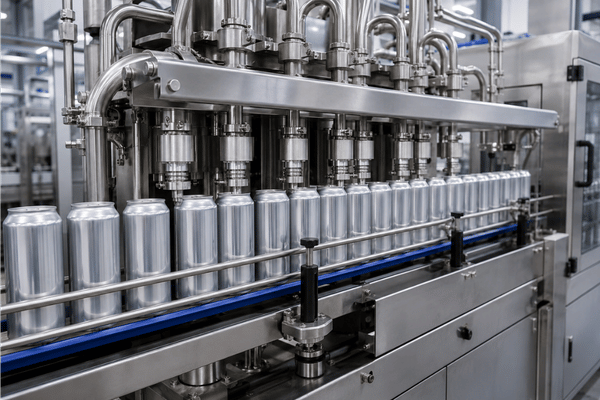
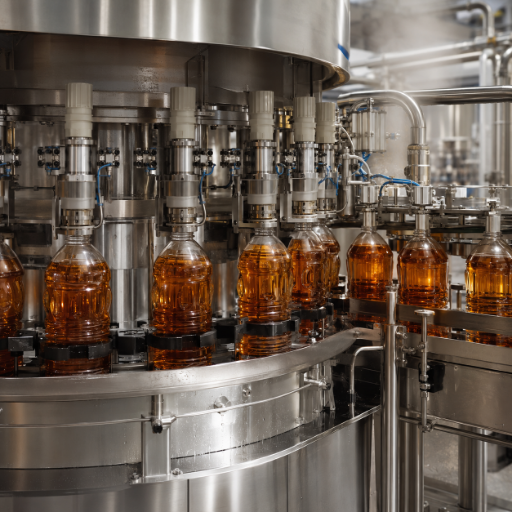
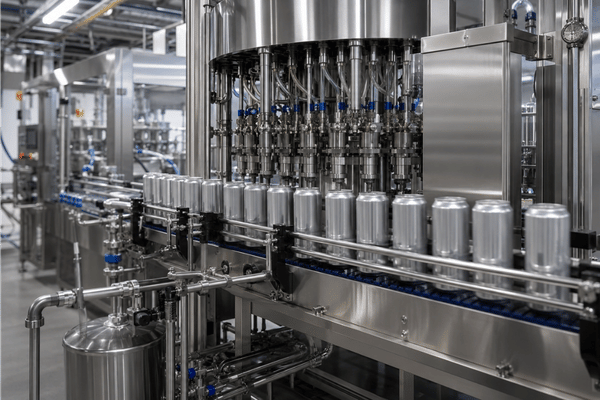
Buyers of the CSD production line encounter one logistical dilemma ignored by most filling-machine catalog: water treatment, syrup blending, isobaric filling, bottle heating/cooling, labeling and packing integrated into a single PET+Glass+Al line. Masstech has engineered CSD lines from 2,000 BPH through 36,000 BPH.

Capacity2,000 – 36,000 BPH
FormatsPET · Glass · Al Can
Filling TechIsobaric / 3-in-1
Water System0.5 – 50 T/H RO
Warranty2 Years (All Parts)
Lead Time60 – 120 Days
From RO Water to Capped Bottle: How One Integrated Line Solves the CSD Bottling Problem
Customers who buy a carbonated beverage line from investors tend to find out the true cost of integration only at commissioning time, not quoting. One filler comes from one plant, the carbonator from a second, the labeler from a third, and the warming tunnel won’t ship until a Letter of Credit is established with a fourth. After six weeks of blame, the line still fluctuates 0.3 vol of CO between the filler and the cap, because no-one controls the cold-chain transition.
Design root cause: the interface mismatch (cold-fill 4 C, capping torque, warming-tunnel inlet specs) that had never been in-house designed and co-engineered. Single-supplier turnkey lines co-engineering these interfaces from day-one: sealing temperature, capper extruding-wheel pressure, warming spray temperature, all pre-dispatched with one production-acceptance test. That’s the line Masstech dispatches, and the dozen modules below arrived pre integration for one bill of material and one SAT.
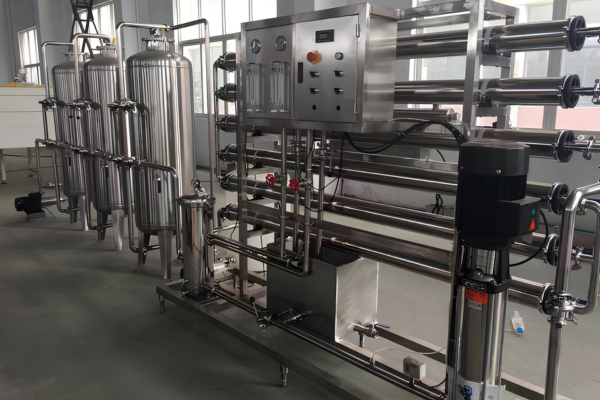
RO Water Treatment
0.5–50 T/H, multi-stage filtration, ozone & UV sterilization
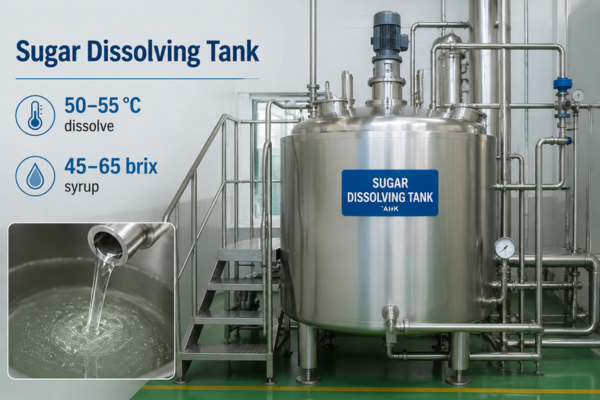
Sugar Dissolving Tank
50–55 °C dissolve to 45–65 brix syrup
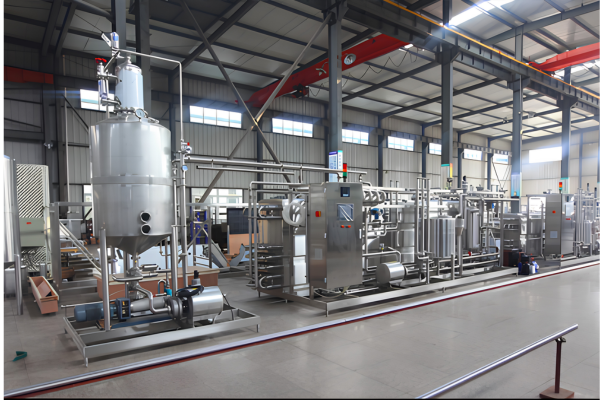
Ingredient Blending
Sweeteners, flavors, color, acidulants in standardization tank

Plate Cooler
Beverage chilled to 4 °C for low-loss carbonation
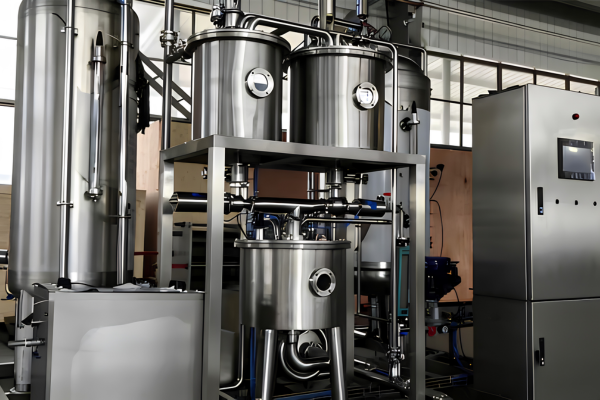
Carbonation Mixer
Static-mixer CO₂ injection, ±5‰ ratio precision

Isobaric Filler (3-in-1)
Rinser-filler-capper monoblock, mechanical or electronic valve
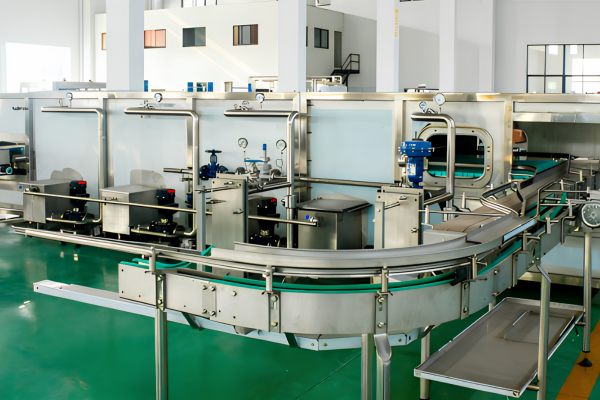
Bottle Warmer
Hot-water spray tunnel, 30–35 °C exit for downstream packaging

Labeler
Sleeve, hot-melt, or self-adhesive — interchangeable head
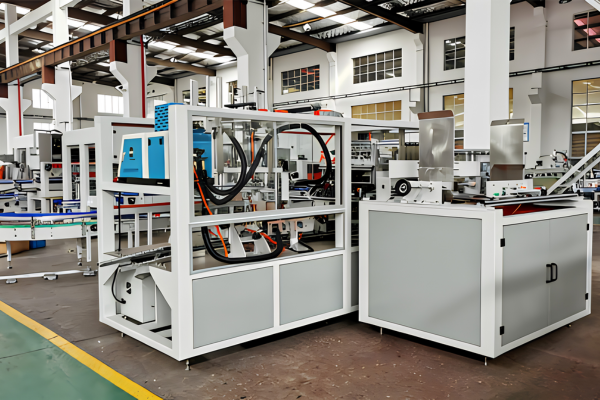
Packer & Palletizer
PE shrink, half-tray, or carton; optional auto-palletizer
Masstech CSD Production Line Models — PET, Glass & Can Configurations
Choosing your model begins with a fit on capacity v. business plan - not the highest BPH number you can find. Industry advice (Datong Machinery, 2026) is to size 20-30 % above your year-2 projection - small enough to keep CapEx under control, large enough to ride through three years of growth without retrofit. Below, the decision matrix matches daily output and budget tier to a Masstech model, so both regional and national brands can identify the correct first-year starting point.
Decision Matrix — Capacity × Format × Tier
| Annual Output (250 mL eq.) | BPH @ 500 mL | Recommended Format | Masstech Model | CapEx Tier |
|---|---|---|---|---|
| ≤ 25 M bottles/yr | 3,500 – 4,000 | PET (cost-efficient) | DC GF 16-12-6 | Basic |
| 25 – 50 M | 4,500 – 6,000 | PET or Glass (premium) | DC GF 18-18-6 | Basic / Mid |
| 50 – 100 M | 8,000 – 12,000 | PET / Glass / Can | DC GF 24-24-8 | Mid |
| 100 – 150 M | 12,000 – 14,000 | Multi-format combi | DC GF 32-32-10 | Mid / High |
| 150 M+ | 15,000 – 36,000 | High-speed combi block | DC GF 40-40-12 / 4-in-1 36K | High |
The PET filler series uses the same standard DC GF naming convention as the generic Zhangjiagang OEM platforms, so any engineer that has visited king-machine.com or t-dc.com will understand the form-factor and parts-interchange logic intuitively. Mechanical specification for each model - bottle dia., fill pressure, total power consumption, footprint - is in tabulated form below so RFQ flow time reduces from weeks to days.
PET Bottle Filler — Spec Matrix (DC GF Series)
| Model | BPH (500 mL) | Bottle Ø | Bottle Height | Filling Pressure | Power | Footprint | Weight |
|---|---|---|---|---|---|---|---|
| DC GF 16-12-6 | 3,500 – 4,000 | 50 – 108 mm | 150 – 310 mm | < 0.4 MPa | 4.24 kW | 2.1 × 1.6 m | 2,500 kg |
| DC GF 18-18-6 | 4,500 – 6,000 | 50 – 108 mm | 150 – 310 mm | < 0.4 MPa | 5.03 kW | 2.45 × 1.8 m | 3,500 kg |
| DC GF 24-24-8 | 8,000 – 12,000 | 50 – 108 mm | 150 – 310 mm | < 0.4 MPa | 6.57 kW | 2.5 × 2.1 m | 4,500 kg |
| DC GF 32-32-10 | 12,000 – 14,000 | 50 – 108 mm | 150 – 310 mm | < 0.4 MPa | 8.63 kW | 3.5 × 2.3 m | 6,000 kg |
| DC GF 40-40-12 | 15,000 – 18,000 | 50 – 108 mm | 150 – 310 mm | < 0.4 MPa | 9.63 kW | 4.0 × 3.0 m | 8,000 kg |

Glass Series Configuration
Glass-bottle CSD makers (craft soda houses, higher-end mixer brands, co-packers with multi-SKU launches) typically require elevated tolerance on bottle volume and more filler options (4). The glass series accommodates 200-2000 mL bottles and enables mechanical valve, flow-meter, weight, or laser level fill profiles, tailored to flow-viscosity and visual fill-line fidelity demands. Mechanical design addresses capper torque management and rinse pressure challenges, but the BPH levels track precisely with the PET series for capacity planning.
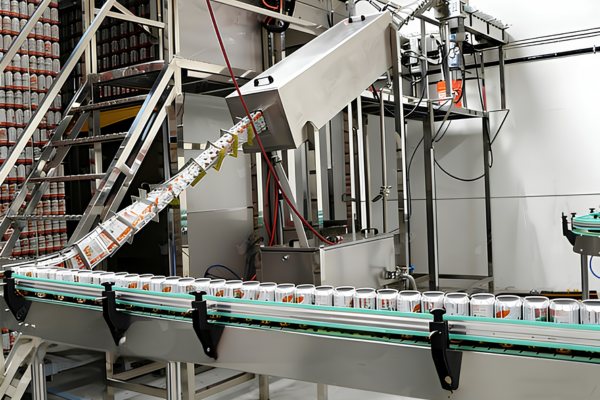
Aluminum-Can Integration
Aluminum-can CSD configurations feature a filler-seamer block rather than the rinser-filler-capper triplet, with capacity tiers from 4,000 to 24,000 CPH and double-seam quality confirmed at FAT prior to shipment. Can lines are suitable for RTD cocktails, energy drinks, and craft sparkling brands looking for recyclable, light-weight retail packaging.
Glass Bottle Filler — Spec Matrix
| Model | BPH (500 mL) | Bottle Volume | Bottle Height | Compressed Air | Power | Footprint | Weight |
|---|---|---|---|---|---|---|---|
| 2016/12/6 | 3,500 – 4,000 | 200 – 2,000 mL | 160 – 320 mm | 0.3 – 0.7 MPa | 4.61 kW | 2.5 × 1.9 m | 3,200 kg |
| 18-18-6 | 4,500 – 6,000 | 200 – 2,000 mL | 160 – 320 mm | 0.3 – 0.7 MPa | 4.61 kW | 2.8 × 2.15 m | 4,000 kg |
| 24-24-8 | 8,000 – 12,000 | 200 – 2,000 mL | 160 – 320 mm | 0.3 – 0.7 MPa | 5.41 kW | 3.1 × 2.5 m | 4,500 kg |
| 32-32-10 | 12,000 – 14,000 | 200 – 2,000 mL | 160 – 320 mm | 0.3 – 0.7 MPa | 6.41 kW | 3.8 × 2.8 m | 6,500 kg |
| 40-40-12 | 15,000 – 18,000 | 200 – 2,000 mL | 160 – 320 mm | 0.3 – 0.7 MPa | 9.63 kW | 4.5 × 3.3 m | 8,000 kg |
Isobaric vs Mechanical Valve, 3-in-1 vs Standalone — Filling Technology Comparison
Carbonation loss greater than 0.2 vol from filler through capper is the most costly flaw in any CSD line; a soda manufactured to 3.5+vol that cannot be delivered at 3.0 vol results in a flat soda. Industry references including ask.ifas.ufl.edu and ASBC techniques establish 3.5 +vol as standard soft-drink target, with 4.0-4.5vol indicating a high-effervescent cola. Sustaining that threshold from filler outlet to capper closure is the design challenge this comparison below solves.
3-in-1 Monoblock vs Three Standalone Machines
| Dimension | 3-in-1 Monoblock | Three Standalone Machines |
|---|---|---|
| Footprint | 2.1 – 4.0 m × 1.6 – 3.0 m (one chassis) | ~3 × monoblock footprint plus inter-machine conveyors |
| Bottle handling steps | 1 grip, 1 release | 3 grips, 3 releases (more contamination risk) |
| Carbonation loss (rinse → cap) | ≤ 0.1 vol typical | 0.2 – 0.4 vol typical (open-air interfaces) |
| CIP cycle time | Single circuit, 25–40 min | Three circuits, 60–90 min |
| Line operator headcount | 1 – 2 | 3 – 5 |
| Best fit | Dedicated CSD producer ≤ 36,000 BPH | Multi-product contract fillers above 50,000 BPH |
The filler valve mechanism determines accuracy and values for different product viscosities and CO's. Mechanical valve fillers are optimum for current standard sodas and sparkling water with predictable viscosity; electronic-valve and flow-meter fillers are suitable for multi-SKU production where one line runs lemon-lime soda as well as a slightly heavier cream soda on the same shift.
Filling Valve Technology Trade-offs
| Valve Type | Filling Mode | Accuracy | Best For | Trade-off |
|---|---|---|---|---|
| Mechanical valve | Isobaric back-pressure | ±2 mm fill height | Single-recipe CSD, glass + PET | Slower SKU changeover |
| Electronic valve | Isobaric, PLC-timed | ±1.5 mm | Multi-SKU, recipe memory | Higher CapEx |
| Flow-meter | Volumetric, magnetic flow | ±0.5 % volume | High-value energy drinks | Sensitive to bubble entrainment |
| Weight-based | Load-cell metered | ±1 g | Premium glass with regulatory net-weight labels | Slower max BPH |
| Laser-level | Optical surface detection | Visual fill consistency | Premium glass with see-through bottle aesthetics | Sensitive to foam dynamics |
"We are using Italian Arol kinematics for our capper extruding wheels and German IGUS corrosionresistant bearings for our bottle-handling chutes. We don't do this for branding purposes; those two interfaces account for 80% of warranty issues in our 16 years of CSD line startup. Get those two designs right, and a Masstech filler is just pipework and fittings."
Converting isobaric specs to your current line?
Schedule a 1-on-1 filling tech session with a Masstech engineerCustomer Outcomes — Greenfield Plants, Capacity Expansions, Multi-Format Upgrades
Three distinct target-purchaser profiles shape most CSD line acquisition choices, with each having a separate standard of "successful outcome" in mind. A startup soda manufacturer needs a working line that will produce on-shelf product on day one. A regional bottler acquiring a second sku needs a new line that will slot into the existing utilities and CIP systems without affecting its existing operation. A national soft-drink provider expanding into glass-bottle luxury SKUs desires format interchangeability and a single vendor that covers both formats.
Basic Tier

Greenfield Startup
Regional CSD brand launching first SKU at 3,500-7,000 BPH PET with line plus RO water treatment, carbonator, and labeler to be functional within 90 days of conception. On-site operator training occurs two weeks during the commissioning process. SAT signs at 95% of net BPH and demonstrates CO returns less than 0.15 vol loss filler-to-cap.
Mid Tier
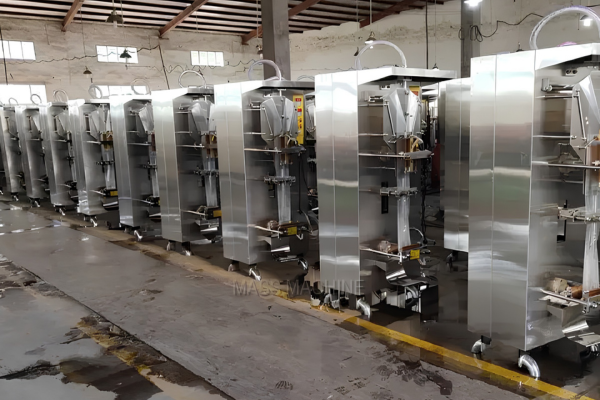
Capacity Expansion
Current bottler expanding to 12,000-18,000 BPH on second PET line. Masstech meets current line CIP detergent chemistry, electrical voltage, and label-orientation conventions in order to minimize operator retraining. Machine is up and running within scheduled shutdown time.
High Tier
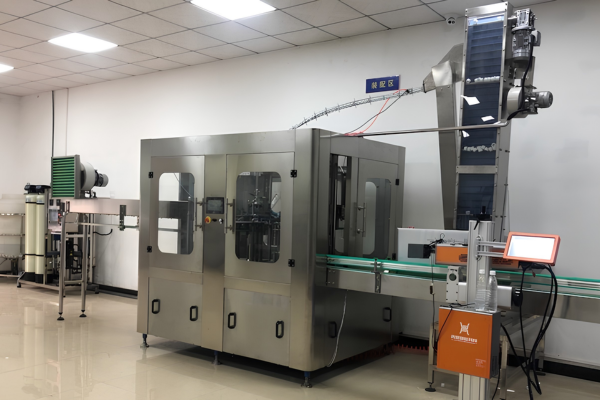
Multi-Format Upgrade
National soft-drink brand launching luxury SPBS SKU alongside existing PET output. One Masstech purchase order for PET filler, glass filler, common CIP, and shared PLC. One commissioning team, warranty agreement, and spare parts stockroom.
Performance & Durability Profile (Bronze Reference Card)
Typical field runs of Masstech CSD lines begin to sustain greater than 90 % uptime post-4-week learning curve and end with CO retention through capper holding standards on target volume for cola, sparkling water, and energy drinks. Exact ROI depends on utility costs, syrup formula, and labor rate - ask us for a customized payback analysis based on your specific BPH, OPEX assumptions and target margin.
You need a payback model for your specific volume?
Request a custom ROI report based on your BPH and utility cost profileQuality, Safety & Compliance — CE / ISO / 3-A / FDA-Grade Components
Beverage-filling-process equipment longevity depends on food-specific surface hygiene specs embodied in 3-A SSI sanitary standards, EHEDG hygienic-design endorsements, and FDA 21 CFR food-contact regulations. Most-cited across all these published bodies of knowledge is Ra 0.8 m stainless steel surface roughness on all product-contact areas - validated by a profilometer at FAT and non-negotiable in any beverage compliance audit.
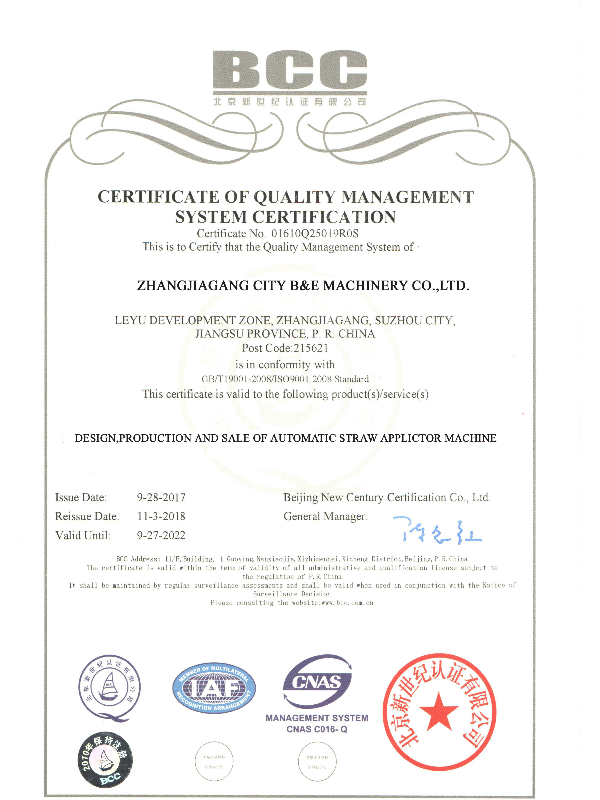
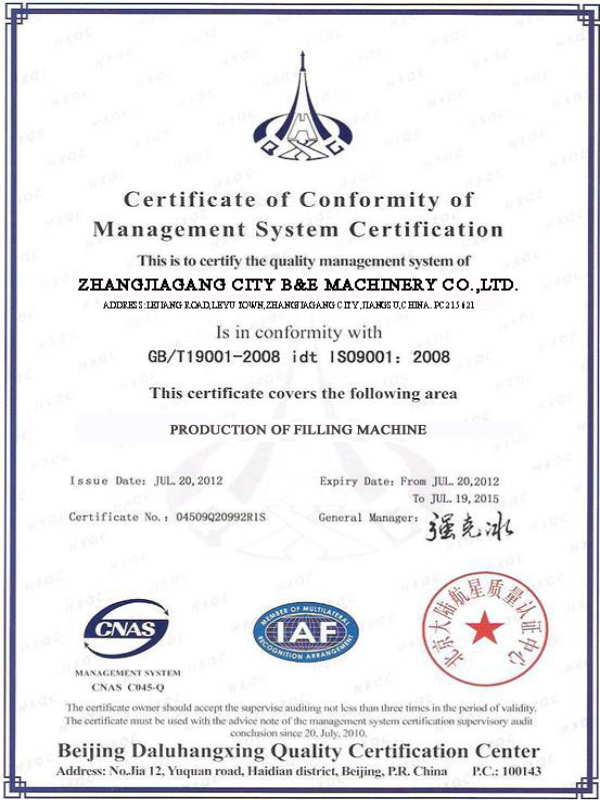
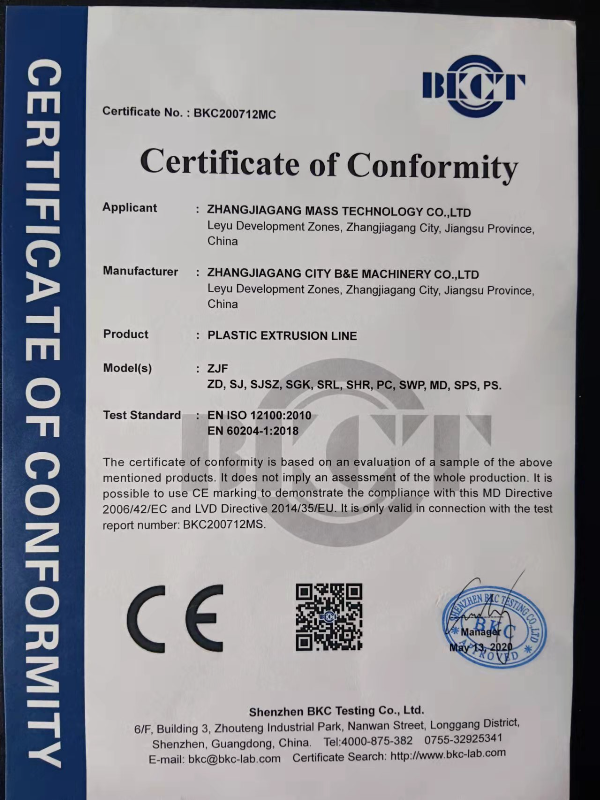
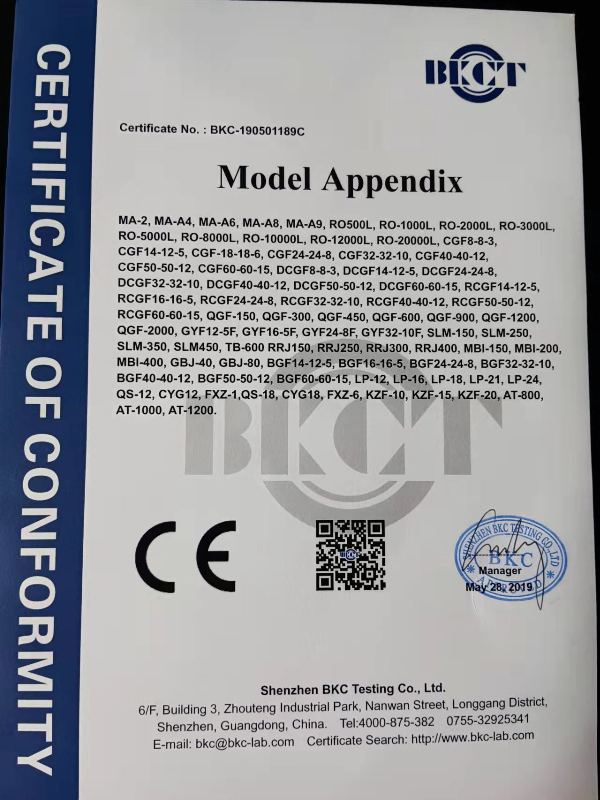
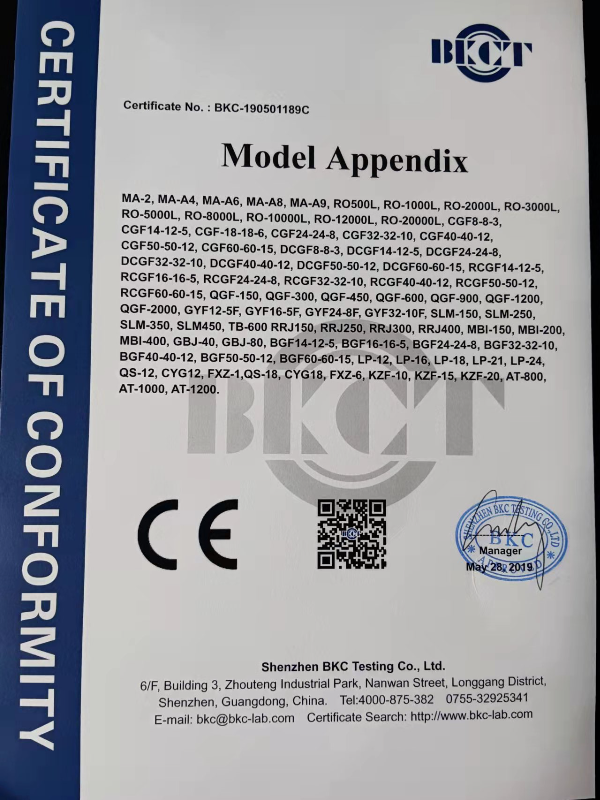
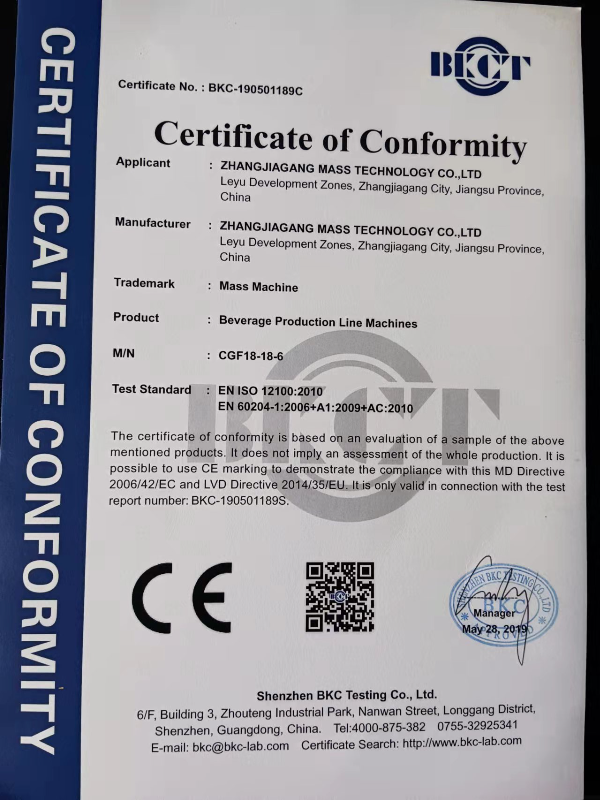
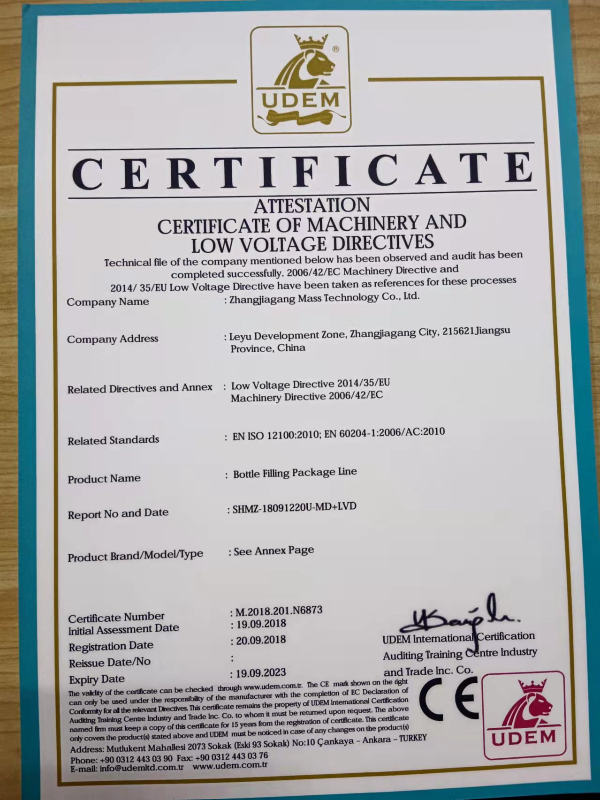
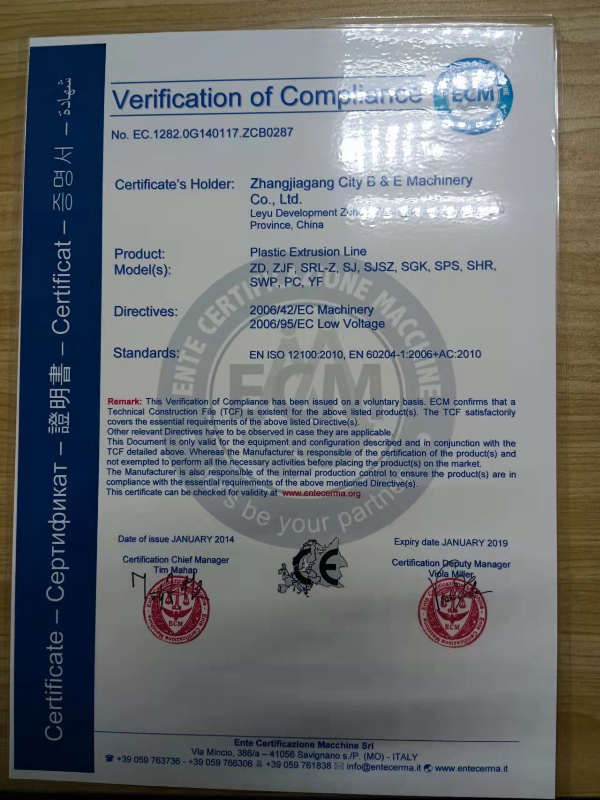
CE Mark
EU Machinery Directive 2006/42/EC
ISO 9001
QMS for manufacturing
3-A SSI
Sanitary equipment design
FDA 21 CFR
Food-contact materials
SS 304 / 316L
Product-contact stainless
Surface Ra ≤ 0.8 μm
FAT-verified at delivery
Surface Finish Specification
Surface finish callout: All wetted parts on Masstech CSD lines ship with Ra ≤ 0.8 μm electropolished finish on SS 304 (standard) or SS 316L (chloride-/citric-rich beverages). Profilometer verification reports are included in the FAT documentation pack — buyers can compare against any 3-A SSI or EHEDG benchmark before final acceptance.
Automation & Quality Control
PLC controls (standard Siemens or Mitsubishi, optional Allen-Bradley) build in fault indicator lights, program memory for multi-SKU profiles, and CIP-cycle finishing documents that fulfill most retailer audit demands. QC work takes place in three official stations: delivered materials check, in-process s/steel finishing audit, FAT at the Zhangjiagang facility, and SAT conducted at the user's site on acceptance.
CSD Production Line Investment — Tier Pricing, Lead Times, Payment & After-Sales
The root of all delay in CSD-line projects is buyers spend the first six weeks of an RFQ just understanding where their money actually belongs in the supplier caste system. Published industry benchmarks by Datong Machinery (2026 guide), financialmodelslab.com, and IMARC plant-cost breakdown converge on three CapEx tiers unveiled here - to illumine expectations for customized RFQ pacls over standard Masstech quotes.
Tier Pricing Reference — CSD Production Line (FOB China, 2024–2025)
| Tier | Capacity | USD Range (Indicative) | Typical Configuration |
|---|---|---|---|
| Basic | 2,000 – 6,000 BPH PET | $80,000 – $250,000 | RO water treatment + 3-in-1 monoblock + standard labeler + manual carton packing |
| Mid | 6,000 – 12,000 BPH PET / Glass | $250,000 – $600,000 | Full RO + carbonation mixer + 3-in-1 isobaric filler + warming tunnel + auto-labeler + shrink wrapper |
| High | 12,000 – 36,000 BPH multi-format combi | $600,000 – $1,500,000+ | Multi-SKU combi block + blowing-filling-capping integration + auto-palletizer + MES integration |
Manufacturer-defined naming conventions, electrical norms, and field configuration depend on customized buyer spec - project-specific indicative ranges proven against three industry published sources (datong machinery.com 2026 guide, financialmodelslab core machinery estimate, IMARC plant cost breakdown). Final quote depends on bottle type, BPH capability, electrical standard, and scope of After-Sales Service. Request a quote customized to your needs.
Procurement lead-times appear formidable on paper but subdivide into more digestible segments when proven in the field. Hereis the five-stage timeline matching feature-length Masstech delivery for greenfield projects, with stage 3 (production) constituting the most complex period and stage 5 (final acceptance) marking the milestone for succeeding payment.
RFQ & Quote
1 – 2 weeks
PO & 30 % Deposit
1 week
Production & FAT
60 – 120 days
Shipping & Customs
30 – 45 days
On-site Install + SAT
~30 days
Invoice terms are a standard part of international beverage equipment: 30 % deposit against contract, 70 % against shipping documents or completion of FAT, LC and TT both viable. Standard warrantyextends to part manufacture for two years from SAT date, spare parts warranty response time of 24 hours guarantees remote diagnostics or callback, and parts shipped within five business days of order acknowledge by courier from factory.
Five Procurement Pitfalls Worth Verifying Before Signing
01
Provider selection for low-cost lines can cost more in the long run if kinematic design of capper, bearing chemistry, or PLC backup are short-changed - maintenance costs paid back as breakdowns inside 18 months of operation.
02
Use multiple vendors and you need experienced buyers to run a four-week cross-installation cock-up smackdown when net CO retention falls between uncooperative partners.
03
After-sales response time demand a written SLA - a "24-hour response" promise without parts logistics is just an email-auto-response.
04
Skipping FAT & SAT validate performance at the supplier's factory and again at your site - anything signed without on-site SAT is a wish not a contract.
05
CapEx-only thinking: energy, syrup and consumables dominate TCO over a 10 year line life - ask for the kWh/ BPH spec sheet not the sticker price.
Cross-Vendor Filling Machine Naming — How Masstech DC GF Compares to Sagitta, Pegasus, Master PET
Procurement teams comparing Masstech against Comac, Sunswell, IBC Machine or Reliable Machine waste days reconciling vendor-specific model codes that often describe the same underlying capacity tier. The cross-vendor reference matrix below maps six common CSD filling-machine vendors against four procurement-relevant concepts so RFQ comparison rounds focus on real performance differences rather than naming variation.
| Vendor | Capacity-Tier Naming | Filling Tech | Format Strength | Primary Capping |
|---|---|---|---|---|
| Masstech | DC GF (PET) / 2016-12-6 series (Glass) | Isobaric back-pressure / mechanical or electronic valve |
PET
Glass
Can
|
Plastic & aluminum cap, Italian Arol-derived capper |
| King Machine | DXGF / 4-in-1 combi | Isobaric / 3-in-1 / 4-in-1 |
PET
Glass
|
Plastic + aluminum |
| Comac | Sagitta / Pegasus / Master PET / Microbrew | Back-pressure / counter-pressure |
PET
Glass
Can
|
Crown + plastic + can seamer |
| Sunswell | Combiblock + CSD Filling Machine | Isobaric |
PET
Glass
Can
|
Plastic + crown + seamer |
| IBC Machine | Carbonation Mixer + Isobar Filler | Isobaric counter-pressure |
PET
Glass
|
Plastic + crown |
| Reliable Machine | CSD Filling Machine series | Isobaric / mechanical valve |
PET
Glass
|
Plastic + aluminum |
Naming conventions vary by manufacturer; capacities and exact configurations are vendor-specific. This matrix is a procurement-aid reference, not an equivalence claim - two vendors using the same capacity-tier label may differ by 20 % on actual sustained throughput once syrup viscosity and CO target are factored in.
For buyers running parallel RFQs, the matrix shortens vendor-shortlist meetings from "decode the model codes" to "compare the actual performance contracts" - which is where Masstech's 2-year all-parts warranty, 24-hour engineer SLA and 5-day parts delivery commitment win on a like-for-like basis.
Review Performance ContractsPrecision Engineering Utilities — CSD Production Line Calculators
Tier Quote Estimator
Calculate instant CapEx benchmarks for Basic, Mid, and High-tier CSD filling lines based on your BPH requirements.
Launch Estimator
CO2 Volumes Selector
Technical tool to determine carbonation saturation levels and mixer settings based on beverage type and temperature.
Select Volume
Floor Space Estimator
Plan your factory layout with indicative spatial requirements for complete blow-fill-cap-label-pack line integrations.
Estimate Space
FAQ — Buying a CSD Production Line
Size 20-30 % above your year-2 forecast - small enough to control CapEx, large enough to absorb three years of growth without retrofit. Startups targeting 3,000-5,000 BPH year one should specify a 6,000-8,000 BPH line - doubling capacity later costs 60-80 % of the original spend.
PET wins on cost-per-unit and shipping weight, glass wins on shelf presence and premium positioning, can wins on sustainability messaging and on-the-go formats. Many brands run two formats on a multi-format combi to cover both retail and food-service channels.
3-in-1 monoblock saves footprint, reduces CO loss to under 0.1 vol, and runs CIP in one circuit - the right choice for dedicated CSD producers up to 36,000 BPH. Separate rinser, filler and capper machines suit multi-product contract fillers above 50,000 BPH where line re-balancing flexibility outweighs tight integration.
Soft drinks and standard cola target 3.5+ vol of CO; sparkling waters and tonic sit at 3.0-3.5 vol; light-fizz functional drinks run 2.0-3.0 vol; high-effervescence energy or classic colas reach 4.0-4.5 vol. Target volume drives carbonator chiller capacity and isobaric filler back-pressure setting.
Basic-tier lines at 4,000 BPH fit in roughly 200-300 m including water treatment, syrup room, filler, warmer and packing. Mid-tier setups at 12,000 BPH need 400-600 m. High-tier 24,000+ BPH combi blocks need 800-1,200 m plus utility rooms.
Production runs 60-120 days depending on customization, shipping adds 30-45 days, and on-site installation plus SAT takes another month - expect 4-6 months from PO to first commercial production. FOB China indicative ranges run $80K-$250K Basic, $250K-$600K Mid, $600K-$1.5M+ High.
Standard delivery incorporates CE Mark for EU importation, ISO 9001 quality records, FDA 21 CFR-compliant food-contact components, and SS 304 (on-request 316L) verified Ra 0.8 m surface finish at FAT. Additional custom specific certifications of the buyer, e.g. 3-A SSI registration or local food safety registration, shall be added into the quotation.
Industry plant-cost references (IMARC, financial-models lab) provision 40-50 % gross margin and 15-25 % net income over CSD operation in a 1.5-3 year breakeven range at full capacity. The exact payback period is a function of utility expense, syrup recipe, label format and shelf-retail prix à convenir.