Get in Touch with Masstech

Precision Engineering
Wine Filling Machine: 2,500–15,000 BPH Glass Bottle Bottling Lines for Wineries — Mass Technology
Direct-from-manufacturer rinse-fill-cap monoblocks for still, sparkling and fortified wines. Five capacities, multi-cap breath, highly hygienic AISI 304 construction, CE approval, 2-year all-parts warranty.
2,500-15,000
BPH Capacity Range (330 ml basis)
5 Tiers
MSGF Models from Craft to Industrial
5 Cap Types
Cork · T-Cork · ROPP · Screw · Crown
2-Year
All-Parts Warranty + 24h Engineer Response
Wine Producers’ Bottling Bottleneck — and the Mass Filling Solution
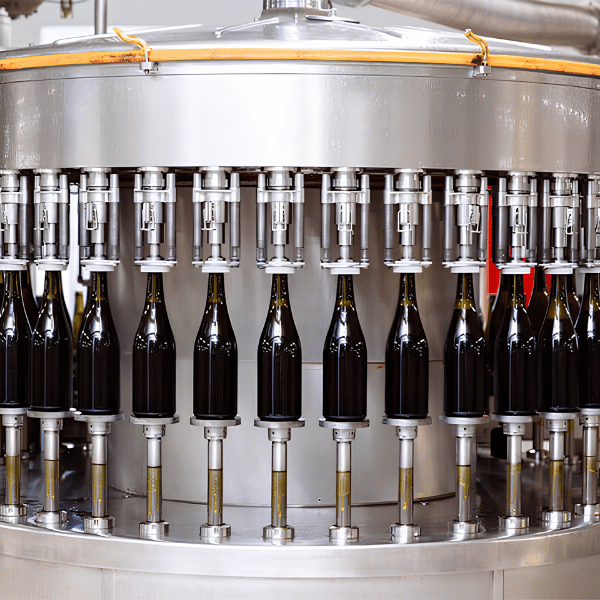
A wine filling machine — also called a wine bottle filler in small commercial setups, or complete wine bottling equipment at industrial scale — automates the rinse-fill-cap cycle for glass-bottled wine, replacing manual hand-filling that creates bottleneck constraints once a winery’s production capacity exceeds a few thousand cases per year. The root causes show up in three measurable ways well before most owners realize they have a bottling problem.
Throughput Ceiling
Gravity fillers capped at approximately 250 BPH and two hands. A five-thousand case-per-year winery using manual equipment misses more than 20 work days each year bottling.
Fill Compliance
Erratic fills cause TTB75-85-95 rule violations and EU-volume compliance issues. Hand filled wines average 3-5ml variance, while state of the art pressure fillers maintain 1ml.
Oxidation Loss
Open-air bottling results in excess Total Package Oxygen (TPO). Studies show that even de-colorization-filtration processes introduce an additional 0.10ppm dissolved oxygen-which in mass results in a very real reduction in shelf life.
These issues all lead back to root causes which even an entry level monoblock will encounter at 1000 BPH. Bottling capacity depends on the number of filler-heads and pressure control, not just motor horsepower. Fill accuracy is dictated by how the filler valves are designed and how well you can clean their wetted parts.
The Mass Technology MSGF series addresses this gap with a five-tier capacity ladder, from a 2,500 bottles-per-hour system suitable for small craft wineries up to a 15,000 BPH industrial production line. Each model combines rinser, filler, and capper on a single PLC-controlled chassis, with AISI 304 wetted surfaces and selectable gravity or micro-negative-pressure filling. Prices fall 40-60% below Italian premium peers, while build standards meet CE and ISO 9001:2015 requirements.
“The biggest mistake we’ve seen wineries new to bottling do, is to buy a filler-only machine, planning to add a rinser in future. Before they know it they’re spending more than the integrated monoblock would cost, and have wasted the space needed to add it later on.” The MSGF family of systems was designed so that even the entry model was capable of completing a finished case shipment.
MSGF Series Wine Filling Machines — Five Models from 2,500 to 15,000 BPH
Mass Technology supplies a family of five MSGF wine filling-models, specially designed for specific annual production levels. Filler-head count (and thus, cost/ capacity) increases according to production. All versions use common subsystems (rinser, capper, PLC controller) for rapid worker learning curve and ease of spares management. Engineering choices are driven by where buyers actually scale: 3,000-case craft producers, 10,000-case boutique cellars, 30,000-case mid-tier brands, and 100,000+-case industrial bottlers.
| Model | BPH (330 ml) | Heads (Rinse-Fill-Cap) | Total Power | Footprint (mm) | Weight | Best Fit |
|---|---|---|---|---|---|---|
| MSGF 14-12-5 | 2,500-3,000 | 14 / 12 / 5 | 2.75 kW | 2700×1500×2300 | 2,800 kg | Craft winery (3-5K cases) |
| MSGF 18-18-6 | 4,500-5,000 | 18 / 18 / 6 | 3.18 kW | 3012×2012×3260 | 3,800 kg | Boutique (8-15K cases) |
| MSGF 24-24-8 | 8,000-9,000 | 24 / 24 / 8 | 4.18 kW | 3280×2420×3200 | 5,000 kg | Mid-scale (25-50K cases) |
| MSGF 32-32-8 | 12,000-13,000 | 32 / 32 / 8 | 7.68 kW | 4430×2800×3200 | 6,800 kg | Regional bottler (60-120K cases) |
| MSGF 40-40-10 | 14,000-15,000 | 40 / 40 / 10 | 7.68 kW | 4650×3200×3200 | 8,800 kg | Industrial (150K+ cases) |
Shared Specifications — All MSGF Models
Bottle Range
Height 160-340mm, Diameter 50-100mm, including most Bordeaux, Burgundy, Hock, sparkling and many fortified bottle shapes.
Methods of Filling
Micro Negative Pressure (Vacuum): or, Gravity filling; program-able in batches throughthe PLC.
Filling Range & Temperature
Filling range: 0.15-0.5Mpa adjustable. Filling temperature range: 0-30C as standard, customized for hot fill applications.
Water Pressure & Materials
Water pressure (rinser): 0.25-0.3Mpa. Wetted materials: AISI 304 steel (AISI 316 optional with fruit wines of high acid.)
Decision Logic
Select a system where your peaks-month (cases 12 peak-month-load) bottling is 60-70% of the system’s hourly throughput. Bottling at 100% BPH per shift all day all night all year wears equipment out faster; shoot for headroom provision, the least-expensive insurance when buying capital equipment. For growers living on 5,000 cases per year, planning for 30,000 cases by year 5, the MSGF 18-18-6 with cap-changeover module tends to outperform “grow” later.
Need help matching your annual volume to a model?
Use the BPH CalculatorFilling Method Decision Matrix — Gravity vs Vacuum vs Isobaric for Your Wine
Choosing the wrong fill method always costs more than choosing the wrong filler. A gravity filler running Champagne loses CO within seconds. An isobaric system on a still red burns pressurization energy and risks foaming bottles. Four commercial wine bottling methods each align to suitable wine chemistry and package goal.
Gravity Filling
Wine flows from header tank into bottle by gravity, using a vent tube to relay displacing air. Optimum for still wines (reds, whites, blush wines) with moderate oxygen tolerance and capital constrained. Lowest equipment cost, easiest maintenance, most compatible brand-tier.
Micro Negative Pressure (Vacuum) Filling
The empty bottle is pulled to a slight vacuum before being filled by displaced air, removing most of the oxygen-rich headspace. Oxidation pickup is 60-80% lower (as seen by a lower TPO) than gravity filling. The MSGF series defaults to this on premium still wines and oxidation-sensitive whites.
Isobaric Filling
Bottle and filler tank are vented to each other at the same pressure (commonly 1-3 bar), keeping CO dissolved in wine during the fill. Mandatory for Champagnes, sparklers, proseccos. Higher equipment capital cost not an option for carbonated products—gravity fill makes prosecco flat as a pancake in the bottle.
AOX (Light Pressure with Inert Gas)
A compromise: low-pressure(<0.5 bar) fill with nitrogen or argon sparge into the headspace. Typical of Italian premium lines such as Bertolaso. Mass MSGF series can be configured with AOX add-on for customers with very high TPO goals.
| Wine Type | Gravity | Vacuum | Isobaric | AOX | Best Fit |
|---|---|---|---|---|---|
| Still red / white (mid-tier) | ✓ | ✓ | — | ✓ | Gravity (cost-best) |
| Premium still (oxidation-sensitive) | — | ✓✓ | — | ✓✓ | Vacuum or AOX |
| Sparkling / champagne | — | — | ✓✓ | — | Isobaric mandatory |
| Prosecco / pet-nat | — | — | ✓✓ | — | Isobaric |
| Fortified (Port, Sherry) | ✓ | ✓ | — | ✓ | Vacuum (low alcohol-O₂ rxn) |
| Fruit wine (low pH) | ✓ | ✓✓ | — | ✓ | Vacuum (oxidation-prone) |
| Rice / yellow wine | ✓ | ✓ | — | — | Gravity or vacuum |
Why TPO matters more than fill speed
Plenty of industry research documents that the average 2 years’ cellar age premium wine and a 5-year cellar age premium wine are oftastwo years apart in whatever the bottle exposure at bottling equals, rather than the true cellar aging program. Total Package Oxygen above 1.5 ppm at bottling is industry pink-red flags. The MSGF micro negative-pressure mode targeted below 1.0 ppm TPO while sparged with inert gases.
The filling method is not a fixed parameter: The MSGF series has a mid-batch button so that a winery that produces both still and premium reserva can switch from gravity to vacuum or vice versa in the middle of a batch.
Not sure which method fits your wine portfolio?
Take the Filling Method Recommendation QuizCap Format Selection — Cork, T-Cork, ROPP, Screw Cap: When to Use Which
Caps is marketing cloaking as engineering. Natural cork still conveys “cellar worthy” in the majority of premium wine markets. Screw cap is the resounding choice in Australia and NZ and creeping as a selection in the mid tier US table wine market. Each format brings particular challanges to the capper sector of your monoblock.
Natural Cork
Premium positioning, 5-15 year aging potential, $0.30-1.50 per cap depending on grade. Requires vacuum-corker action: the machine evacuates bottle headspace, compresses the cork, then releases inside the bottle. The MSGF capper handles 24×38 mm corks as standard, with optional jaws for larger formats.
T-Cork (Stopper)
Designed for fortified wines such as Port, Sherry, and Madeira, plus some olive oils. Provides a re-sealable closure with a flanged top for hand removal. Requires screw-cap-style insertion rather than full corker compression — make sure T-cork tooling is included in your monoblock spec if this is on your roadmap.
ROPP (Roll-On Pilfer-Proof)
Aluminum cap rolled onto a threaded bottle neck, with a tear-off lower band for tamper evidence. Standard for spirits and increasingly used for premium screw-cap wine. The MSGF 24-24-8 and larger models support ROPP modules; smaller tiers can add ROPP as a dedicated capper after the filler.
Screw Cap (Stelvin)
Aluminum cap with internal liner (Saranex or Saran-Tin), cost $0.10-0.30 per cap. Mandatory for export to AU and NZ markets and increasingly preferred by mid-tier US producers for shelf consistency. The MSGF capper handles the full Stelvin range (BVS 30×60 standard).
Crown Cap
Used during the secondary fermentation stage of traditional-method sparkling wine, then replaced with cork after disgorgement. If your bottling line will include sparkling, factor crown cap tooling into your initial procurement to avoid expensive retrofitting later.
| Wine + Market Tier | Cork | T-Cork | ROPP | Screw | Crown |
|---|---|---|---|---|---|
| Premium aged red | ✓✓✓ | — | — | — | — |
| Mid-tier still wine | ✓ | — | — | ✓✓✓ | — |
| Fortified (Port / Sherry) | — | ✓✓✓ | — | — | — |
| Sparkling (final closure) | ✓✓✓ | — | — | — | ✓ (interim) |
| Spirits / fortified high-proof | — | — | ✓✓✓ | — | — |
| Export to AU / NZ | — | — | — | ✓✓✓ | — |
| Daily-drinking value tier | — | — | — | ✓✓✓ | — |
Practical buying advice
Budget for a minimum of two cap formats from day 1 if you scale across more than one wine tier. The cap to cap changeover on MSGF series is 12-18 min if we have the trained operator, so one machine can run cork in the first shift and screw cap in the 2 nd shift, avoiding operator fatigue.
Customer Outcomes — From Manual to 12,000 BPH Across Three Continents
The cleanest approach to predict the bottling-line return is by applying the equipment-budget formula that all of the industry recognizes and to benchmark against substitutes. The benchmark text is taken from wine business monthly’s reviews which have been historically used by equipment-leasing companies.
If we apply to a particular scale, this formula leads to the following budget comparison:
| Annual Cases | Recommended Budget | MSGF Recommendation | Mobile Bottling Alternative (5 yr) |
|---|---|---|---|
| 3,000 | $24,000 – $30,000 | MSGF 14-12-5 (entry tier) | $33,000 – $37,500 (mobile) |
| 10,000 | $80,000 – $100,000 | MSGF 18-18-6 standard | $110,000 – $125,000 (mobile) |
| 30,000 | $240,000 – $300,000 | MSGF 24-24-8 with options | $330,000 – $375,000 (mobile) |
| 100,000 | $800,000 – $1,000,000 | MSGF 32-32-8 + auxiliaries | $1,100,000+ (mobile) |
Use of an MSGF line at each tier of the multi-tier system beats the 5-year mobile bottling cost at $2.20-2.50 per case- and is retained as an asset through its MS program. According to the 2025 WineBusiness Monthly equipment survey the industry is approximately evenly split between own-line and mobile bottling, leaving half the addressable market still weighing the same purchase decision.
Case Pattern 1 — South American boutique winery
Starting point: manual hand-filling, then capped at ca 800 cases per year with 3 people on staff. Selected the new MSGF 14-12-5 with vacuum-fill choice for premium reserve labels. After 18 months, scaled production to ca 4,500 cases/year, payback against equipment cost met at month 14 based on added-margin-per-case payback studies.
Case Pattern 2 — Eastern European mid-scale producer
Starting point: 10-year-old used Italian monoblock with 4-6 lost bottling days per quarter for breakdown repair. Installed upgraded models with integrated rinser. Outcome: scaled to 90,000 cases/year, downtime hit by ca 60% based on first-year service manual, freight-recovered installed cost within 26 months.
Case Pattern 3 — Asian fruit-wine producer
Starting point: three manual bottling lines in 3 locations producing mixed SKUs, high cap- changeover-error rate. Consolidated to single line by installing upgraded model with cap-change module to run cork, ROPP, and screw caps. Result: 150,000 cases/year with 4 SKUs, cap-changeover time reduced from ca 90 mins to less than 20 between batches.
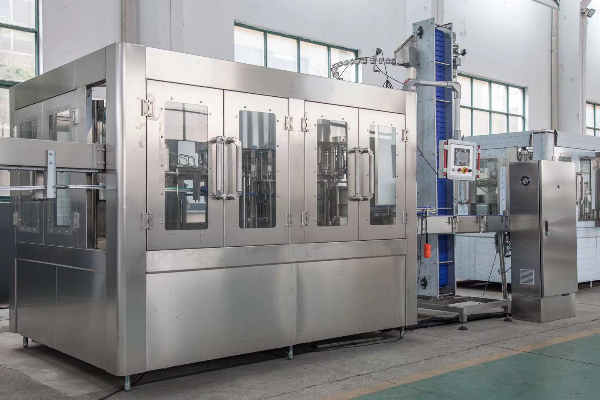
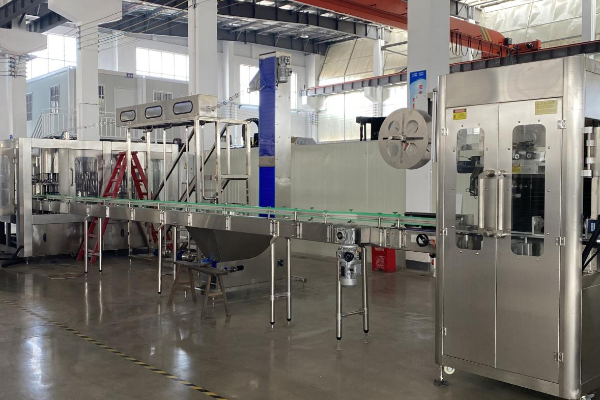
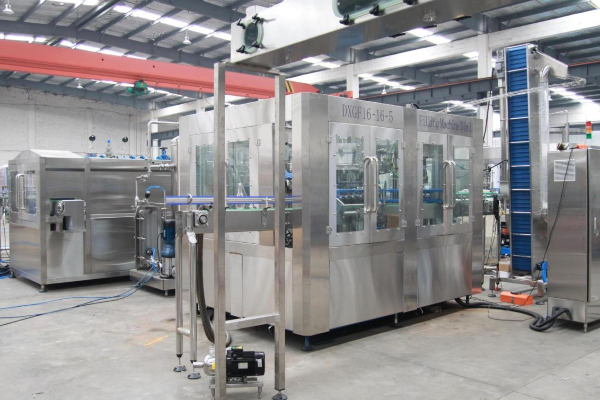
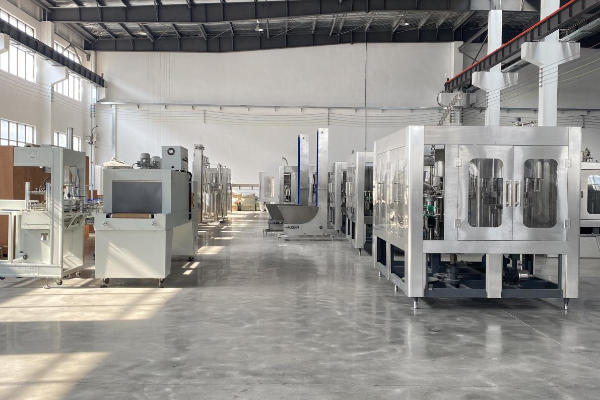
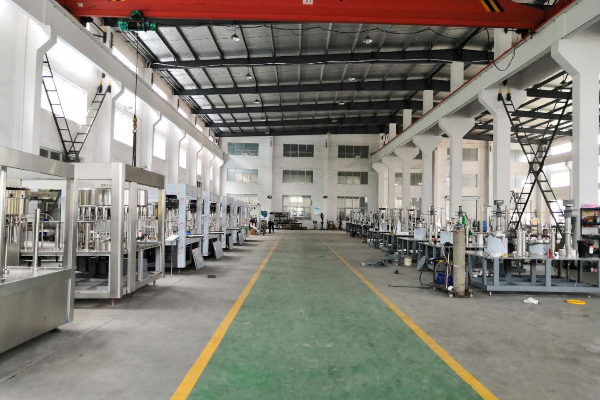
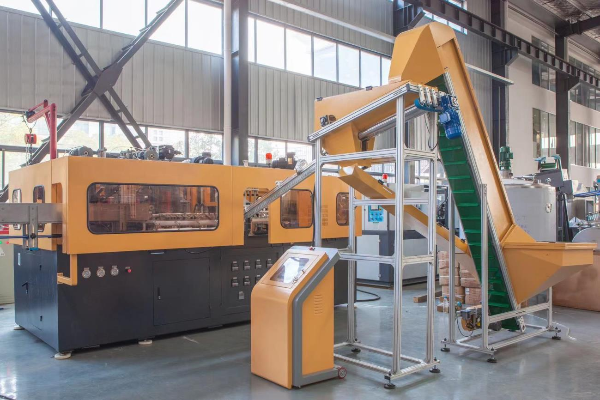
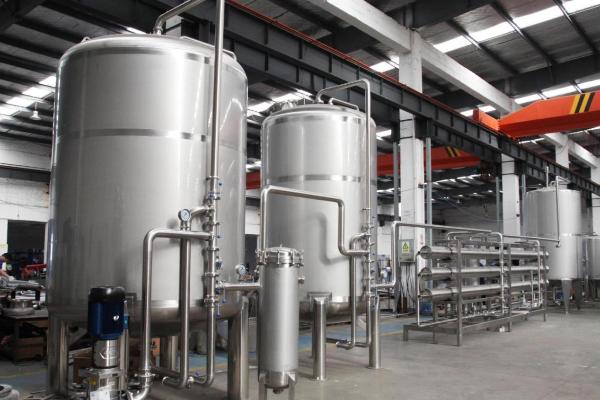
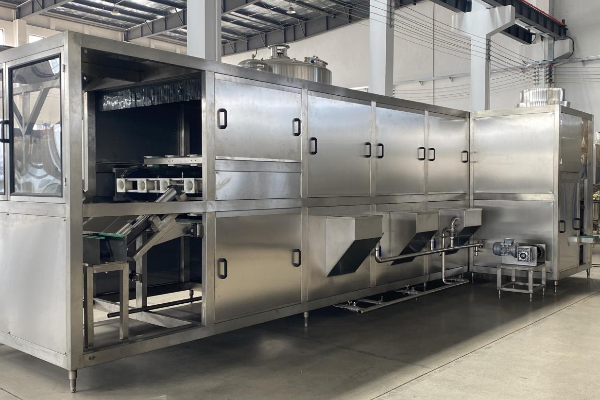
Factory Floor & Production Assembly
×
![]()
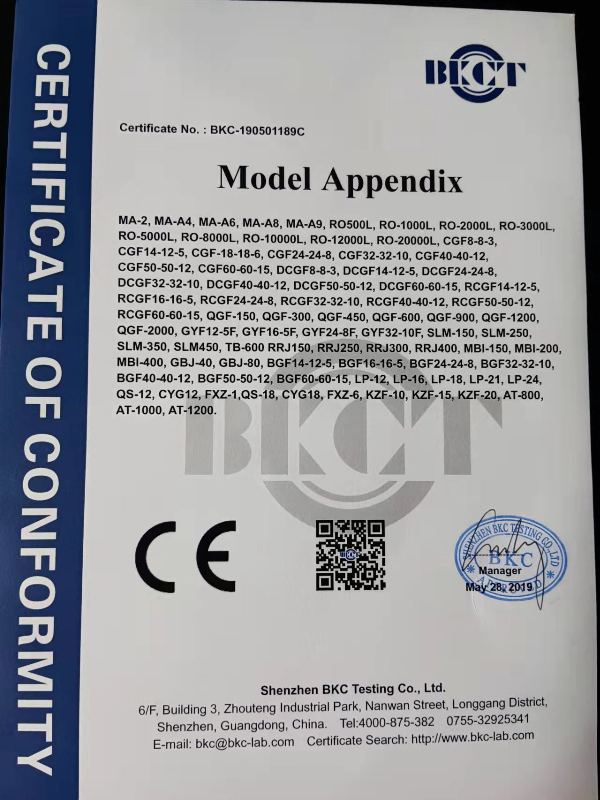
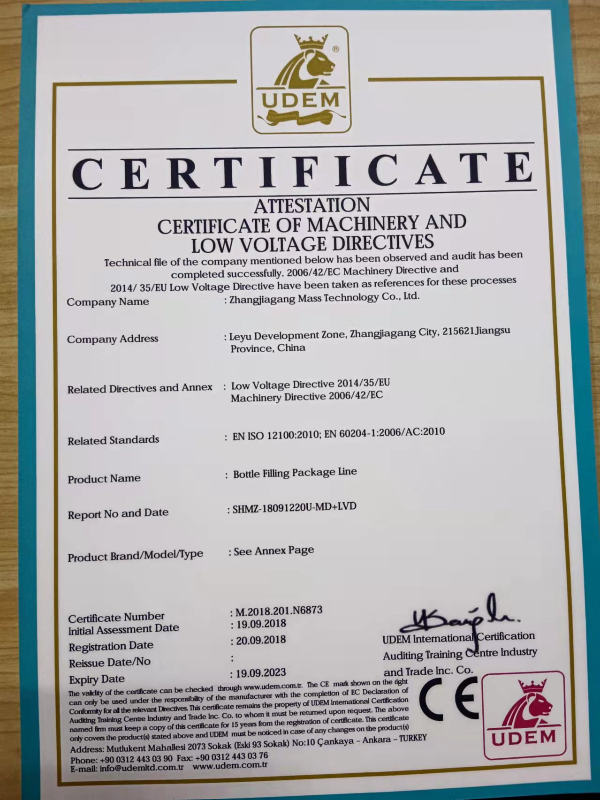
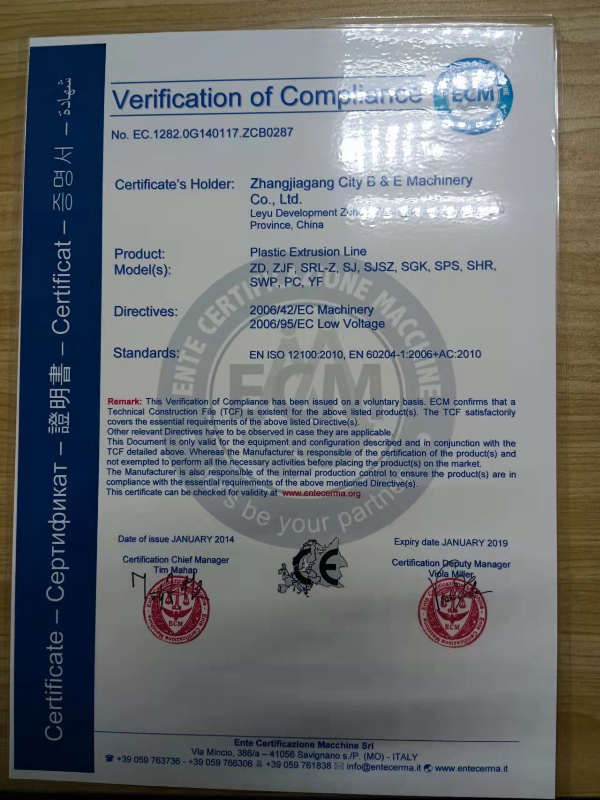
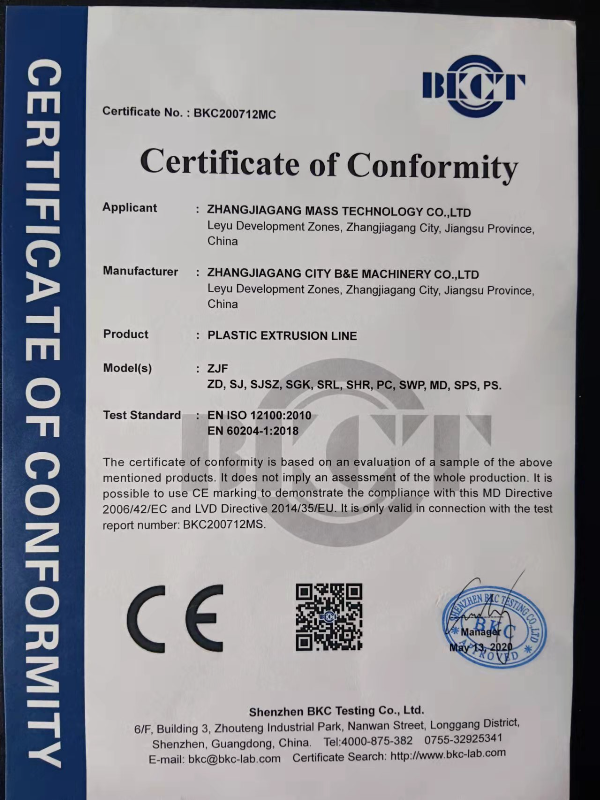
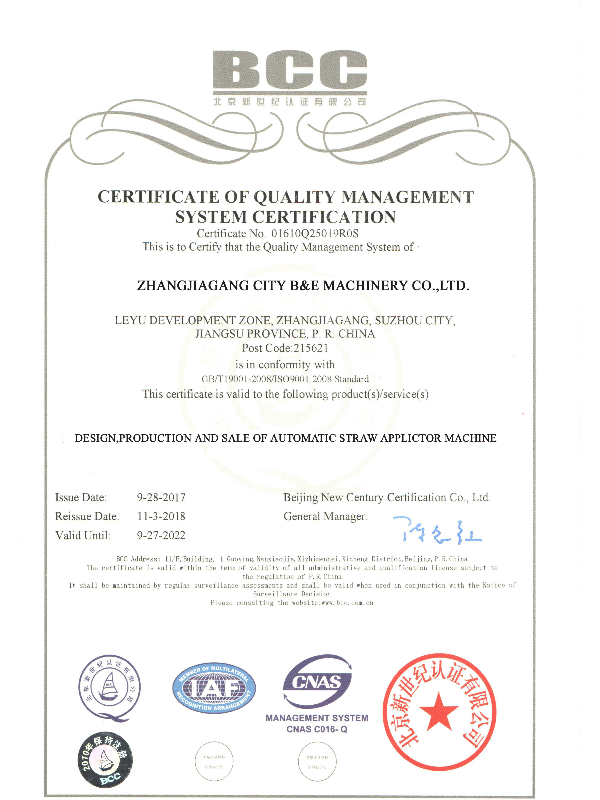
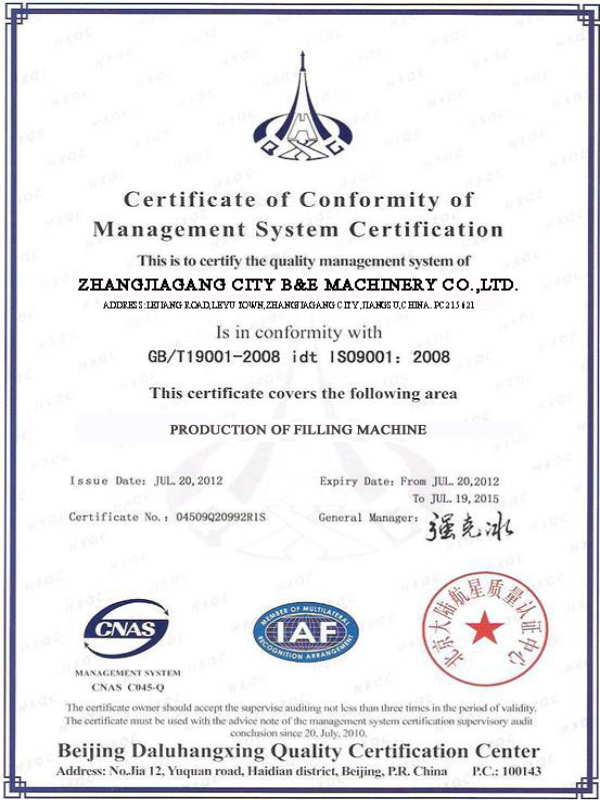
Certifications & Compliance — CE·ISO 9001:2015·GMP-Aligned·FDA-Compatible Materials
Meeting regulatory enforcement can be dry and annoying until it isn’t. An improperly CE-compliant line can be impounded at any EU port-of-entry. High-PFDA contact-item standards can trigger recall across contiguous US shipments. Mass Technology builds to these standards baseline, never as an upgrade.
CE Marking
EU Machinery Directive 2006/42/EC compliance — required for all European installations
ISO 9001:2015
Manufacturing quality management system, audited annually
GMP-Aligned
Hygienic design for food-grade fluid handling: wine, juice, dairy, vinegar
FDA-Compatible
AISI 304/316 contact materials approved for direct food contact
Materials and Hygienic Design Detail
- Wetted surfaces: AISI 304 standard, AISI 316 optional for low-pH fruit wines and acidic fortified products. All welds polished to Ra ≤ 0.8 µm to meet 3-A Sanitary Standards.
- CIP (Clean-in-Place) provisions: built-in sanitizing-injection ports to rinser, filler tank and each filling-valve module. Compatible with NaOH (1-2%) and PAA sanitizing options.
- Rinsing pressure: 0.25-0.30 MPa hot water rinse method standard, acidified-water optional module for difficult residues.
×
![Expanded Certificate]()
Wine Bottling Line Procurement Guide — Pricing, Lead Time, Landed Cost & After-Sales
Sourcing is where most bottling-line supplier projects run into commonly experienced reality. Price, lead-time and landed-cost appallingly opaque to international procurement teams is the single most common critique among our clients workgroups from overseas. The ranges below are published upfront as a benchmark reference; final quotation depends on configuration and appointment.
| Model | FOB Price Range (USD) | Standard Configuration Included |
|---|---|---|
| MSGF 14-12-5 | $42,000 – $58,000 | Base monoblock + cork capping module |
| MSGF 18-18-6 | $58,000 – $75,000 | + automatic infeed conveyor + spare valve set |
| MSGF 24-24-8 | $75,000 – $108,000 | + ROPP module + 1-year spare-parts kit |
| MSGF 32-32-8 | $108,000 – $145,000 | + cap-changeover module + remote-diagnostics package |
| MSGF 40-40-10 | $145,000 – $185,000 | + Industry 4.0 data export + accumulation tables |
Landed Cost Framework — Top Export Markets
On-Landed Cost FOB figures, international clients: ca 60-75% of land-cost equivalentprice (then add freight, duty, install, and operator training). Typical ranges across 16 of our top export markets:
| Cost Component | Typical Range | Notes |
|---|---|---|
| Ocean freight (40HQ container) | $3,800 – $8,500 | 1×40HQ fits MSGF 14-24, 2×40HQ for MSGF 32-40 |
| Import duty | 0% – 12% | Varies by country; EU/AU often 0%, US ~3%, some LATAM higher |
| Customs clearance + handling | $800 – $2,500 | Country-specific brokerage |
| On-site installation | $4,000 – $8,000 | Mass engineer travel + 5-10 days on-site |
| Operator training | $1,500 – $4,000 | 3-day program, English or Spanish |
Lead Time and Payment
Standard production lead time is 60-90 days from confirmed order, faster than the 90-120 day window typical of European premium suppliers. Payment terms are 30% deposit on order confirmation, with the 70% balance settled against bill-of-lading copy before vessel departure. Letter-of-credit at sight is supported for buyers requiring bank-mediated payment.
Industry Insight
One UNEXPECTED discovery from our 2025 buyer interviews: some international wineries that used mobile bottling trucks to service their customers had service-flexibility issues, not capital cost issues, that prevented them from owning a line. The 24-hour SLA and stocked spare-parts approach is designed specifically to eliminate that impediment.
After-Sales SLA
Service commitments — written into every contract
Warranty
2-year all-parts warranty on the full MSGF line, covering filling valves, capping heads, and PLC controls.
Engineer response
24-hour technical response via email, WhatsApp, or scheduled video call — across all timezones.
Spare parts delivery
5 working days international courier (DHL / FedEx) for all standard wear parts. Critical-path parts kept in stock at the Zhangjiagang factory.
Operator training
3-day on-site program included with installation, plus annual remote refresher available.
Calculate your exact landed cost on your specific port of entry.
Use the Landed Cost Estimator
Project Planning Tools & Calculators
Utilize our suite of interactive engineering tools to accurately size your equipment, estimate project ROI, select the ideal filling method, and calculate precise landed costs for your wine bottling line.
BPH Calculator
Match Annual Production to MSGF Model
Open Calculator →
ROI Calculator
Own MSGF Line vs Mobile Bottling Truck
Open Calculator →
Filling Method Recommendation Quiz
Determine the ideal technology based on your specific wine profile.
Start Quiz →
Landed Cost Estimator
Calculate estimated final delivery costs to your specific region.
Open Estimator →
Ready to Specify Your Wine Bottling Line?
Please provide us with your annual case volume, bottle shapes and target markets and we shall come back to you with a configured quotation with landed-cost estimate within 24 hours.
The Mass MSGF series spans five models, with FOB prices from $42,000 (entry-tier MSGF 14-12-5, 2,500 BPH) up to $185,000 (top-tier MSGF 40-40-10, 15,000 BPH). Industry guidance from WineBusiness Monthly suggests a budget formula of $2 per case × annual production × 4-5 year amortization, which aligns closely with our pricing across all five tiers.
Size for 60-70% of rated throughput at peak-month load. A winery producing 10,000 cases/year with most bottling concentrated in Q3-Q4 should target the MSGF 18-18-6 (4,500-5,000 BPH) — running at full nameplate every shift accelerates wear and leaves no recovery time when an unexpected breakdown occurs.
Gravity filling uses atmospheric pressure to flow wine into the bottle and is suitable for still wines. Isobaric filling equalizes pressure between bottle and filler tank (typically 1-3 bar) so dissolved CO₂ stays in solution — mandatory for sparkling wines, champagne, and prosecco. Using gravity on sparkling wine causes CO₂ release and produces a flat product within hours.
Yes. All MSGF models accommodate bottle heights 160-340 mm and diameters 50-100 mm, including Bordeaux, Burgundy, Hock, sparkling and most fortified shapes. Conversion between bottle formats takes 20-30 minutes with a trained operator, and is mainly a matter of swapping bottle-handling cups and adjusting filler-head height.
Mass MSGF series production lead time is 60-90 days from confirmed order, plus 30-45 days ocean freight to most major ports. This compares to 90-120 days production for European premium suppliers. Air freight is available for urgent orders at additional cost — typically reduces transit by 25-30 days.
Correctly configured and maintained MSGF lines will have a life of 15+ years. Many competitors’ monoblocks purchased in the 1980s /1990s are still in production today, suggesting the fundamental technology has matured. Mass employs similar filling valve and PLC architecture, and so our expectation is that the service life is comparable to industry norms.
Yes. A Mass field engineer will attend your site for 5-10 days installation and commissioning when you purchase a line (up to $50,000 FOB). Operator training is delivered in English or Spanish with optional interpreter support available, and remotely thereafter annually.
CE Marking (EU Machinery Directive 2006/42/EC Conformance), Achieving ISO 9001:2015 manufacture quality management Standards, GMP-compliant sanitary design, FDA-functionality-Compliant AISI 304/316 contact materials etc. We give original certificates, materials test reports and Declaration of Conformity on delivery, and can support SGS or BV third-party pre-shipment inspections on request.