Get in Touch with Masstech
Beer Can Filling Machine
Beer Can Filling Machine — 2,000–20,000 CPH Counter-Pressure Canning Line
A beer can filling machine from Masstech rinses, fills, and seams 12 to 32-ounce aluminum, tin, or PET cans on one automatic platform — engineered for craft brewers, microbrewery operators, and contract co-packers across five capacity tiers in the beverage industry.
Get Custom Quote (24h Response)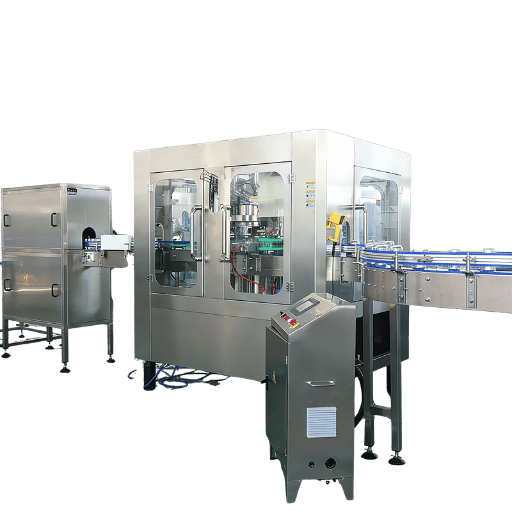
Capacity range
2,000 to 20,000 cans/hour
5 tiers
Container support
Aluminum / Tin / PET cans
50–99 mm Ø · 70–133 mm height
Filling methods
Counter-pressure (isobaric)
flow-meter, weight-based, laser level
Power & Service
4.61–9.63 kW depending on model
2-year warranty · 24-hour engineer response · 5-day spare parts
Why Beverage Producers Switch to Counter-Pressure Canning
Aluminum cans now comprise 78% of U.S. packaged craft beer, compared with 13% a decade ago. Beer canning has thus introduced a new round of packaging fail-and-fix for a generation of bottle-line operators-except now many of them are dealing with problems caused by oxygen or foam, not glass.
If your line’s throughput is suffering from some of the issues below, the root problem is seldom “a bad canner” – it stems from the fact that the filling and seaming, the CO2 purge cycle, and the rinse station operate out of phase. Production targets can’t be met while those three stations operate on different time standards.
1
Foam waste at fill
Splash-back from over-pressure or under-purge cuts yield 3–6%, eating margin on every can.
2
Dissolved oxygen drift
DO above 0.05 ppm shortens shelf life by 30+ days and triggers off-flavor complaints.
3
Format changeover delay
Switching 12 oz to 16 oz on a non-modular line burns four hours of fitter time per swap.
4
Lead-time exposure
Imported European lines run 90–120 days from PO, blocking new can launches.
5
Spare-parts surprise
An obsolete seal, a 30-day air-freight wait, and the line is down through a holiday weekend.
Masstech engineers the rinse-fill-seam train as a single integrated 3-in-1 monoblock so that CO2 purge timing, isobaric filling pressure, and seamer dwell are synchronized – not cobbled together from separate third-party systems. Five capacity ranges, four filling methods, and a published spare-parts SLA completes the circle of solutions for every challenge above. Pasteurization upstream is accommodated but not delivered turnkey, since craft and co-packer customers tend to install tunnel pasteurizers as a onetime capital equipment purchase.
Masstech Beer Can Filling Solutions
One platform supports a craft taproom filling 1,500 cans per batch through industrial co-packers filling at 20,000 cans/hr. Across the five-model range, filling-valve geometry, software control, and spare parts are interchangeable – allowing upgrades without forklift upgrades.
5-Model Range — Choose by CPH Tier
Craft Tier
CC GF 12-1
- Capacity 2,000 cph
- Power 4.61 kW
- Footprint 2.5 × 1.9 m
- Weight 3,200 kg
Small Commercial
CC GF 18-4
- Capacity 8,000 cph
- Power 4.61 kW
- Footprint 2.8 × 2.15 m
- Weight 4,000 kg
Mid Commercial
CC GF 24-4
- Capacity 10,000 cph
- Power 5.41 kW
- Footprint 3.1 × 2.5 m
- Weight 4,500 kg
Industrial
CC GF 32-6
- Capacity 15,000 cph
- Power 6.41 kW
- Footprint 3.8 × 2.8 m
- Weight 6,500 kg
High-Volume Industrial
CC GF 40
- Capacity 20,000 cph
- Power 9.63 kW
- Footprint 4.5 × 3.3 m
- Weight 8,000 kg
Sizing Decision Matrix — Pick by Brew Vessel Size
Online Reddit comment streams in r/TheBrewery hit on one rule: a 7-bbl tank is roughly equal to 1,680 16-oz cans, and a line filling at less than 12 cans/min requires three hours per tank to complete a single shift of packaging. The table below charts each model against monthly production capacity assuming 160 production hours.
| Brew Vessel | Cans per Tank (16 oz) | Recommended Model | CPH | Monthly Capacity (160 hrs) |
|---|---|---|---|---|
| 3–5 bbl craft | 720–1,200 | CC GF 12-1 | 2,000 | 320,000 |
| 5–7 bbl craft / taproom | 1,200–1,680 | CC GF 12-1 or 18-4 | 2,000–8,000 | 320k–1.28M |
| 10–15 bbl regional | 2,400–3,600 | CC GF 18-4 or 24-4 | 8,000–10,000 | 1.28M–1.6M |
| 20–30 bbl mid commercial | 4,800–7,200 | CC GF 24-4 or 32-6 | 10,000–15,000 | 1.6M–2.4M |
| 50+ bbl industrial / co-packer | 12,000+ | CC GF 32-6 or 40 | 15,000–20,000 | 2.4M–3.2M |
All five levels share a single management architecture – meaning a brewery can upgrade from the CC GF 12-1 to the 18-4 without retraining operator skill or rewriting batch protocols.
Four Filling Methods Compared — Counter-Pressure, Flow-Meter, Weight-Based, Laser Level
One common fallacy in canning is that foam happens when counter-pressure isobaric filling controls fill rate – but as Craft Brewing Business has confirmed, controlling the amount of oxygen begins with the pre-purge cycle. The movement of CO2 displaces oxygen out of the can before it is filled is therefore the important factor to achieving low DO. Choosing the correct filling method depends on carbonation level, product size, fill accuracy, and budget- not marketing.
When product is still, gravity filling may replace isobaric filling at a lower price point-but only if the product is not carbonated and DO levels do not need to be maintained over shelf life. Four methods below can work in four separate cases.
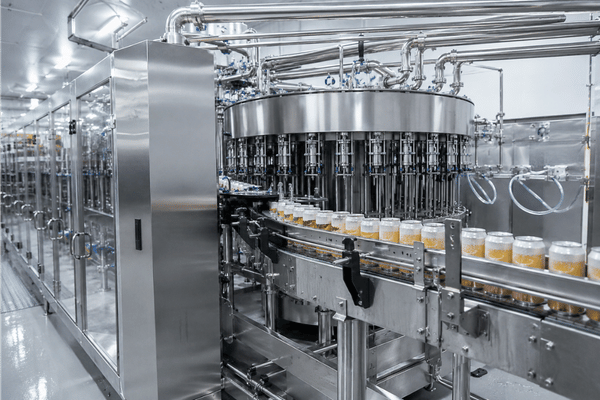
Counter-Pressure (isobaric)
- Method
- Counter-pressure (isobaric)
- Best for
- Beer, hard seltzer, kombucha, CSD
- Accuracy
- ±2 ml
- Foam Control
- Excellent
- CapEx
- High
- Maintenance
- Medium

Flow-Meter
- Method
- Flow-meter
- Best for
- Juice, RTD, low-carb beverages
- Accuracy
- ±1 ml
- Foam Control
- Good
- CapEx
- Medium
- Maintenance
- Low
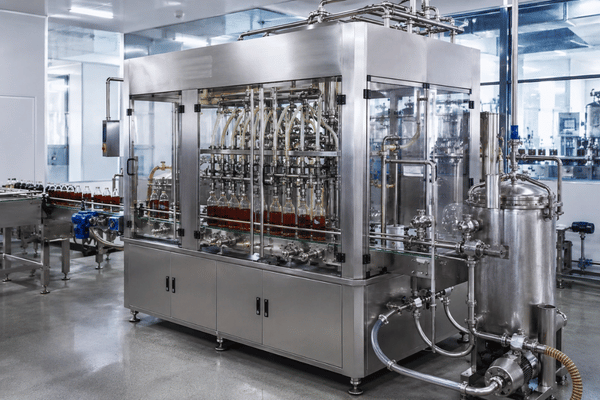
Weight-Based
- Method
- Weight-based
- Best for
- Dense liquids, syrup, viscous RTDs
- Accuracy
- ±0.5 g
- Foam Control
- Limited
- CapEx
- Medium-High
- Maintenance
- Medium

Laser Level
- Method
- Laser level
- Best for
- Visible-fill aesthetics, water
- Accuracy
- ±3 ml
- Foam Control
- Limited
- CapEx
- Low
- Maintenance
- Low
Decision Flowchart
STEP 1
1 Is the product carbonated?
If yes → counter-pressure isobaric filling. CO2 pre-purge before fill is what protects DO < 0.05 ppm, not the pressure itself.
STEP 2
2 Is fill weight more critical than fill volume?
Sauces, syrups, dense RTDs → weight-based. Specs are typically held to ±0.5 g.
STEP 3
3 Is the product still and clear, with tight fill-line aesthetics?
Premium juice or water → laser level. Lowest CapEx, but no carbonation tolerance.
STEP 4
4 Default for low-carb / juice / RTD?
Flow-meter. Best balance of accuracy and capital cost when carbonation is mild.
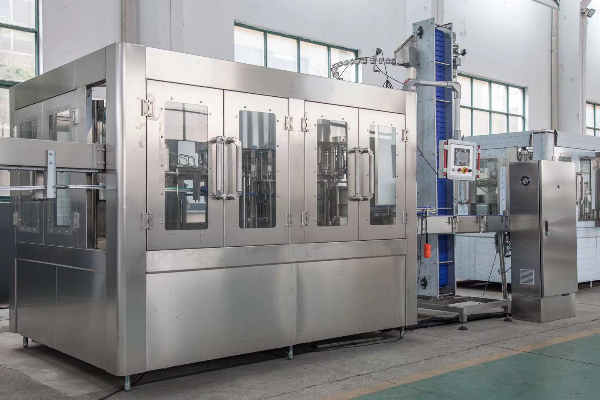
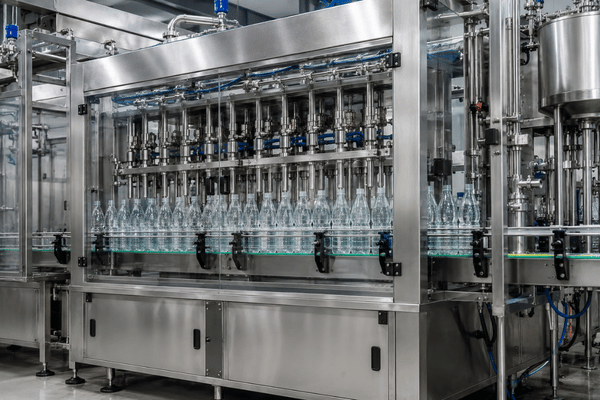
Beer Can Filling Machine Manufacturing Facility
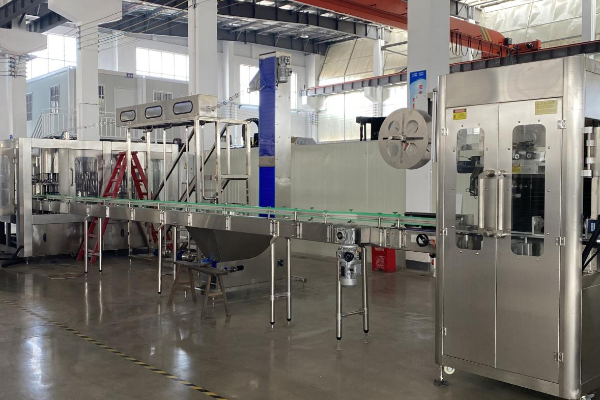
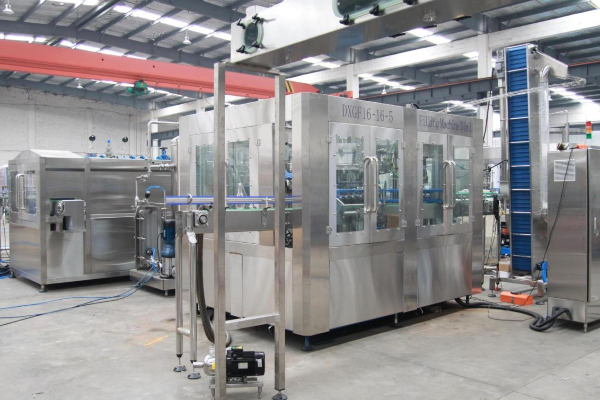
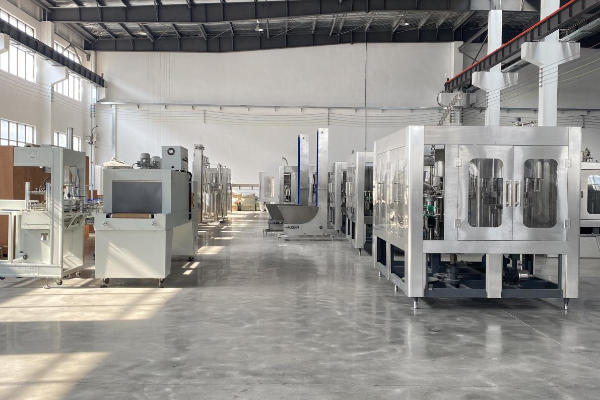
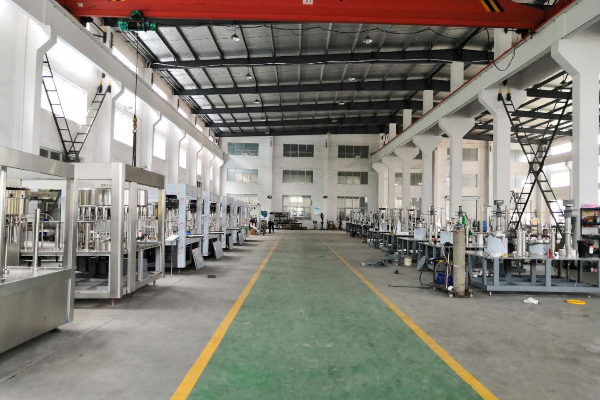
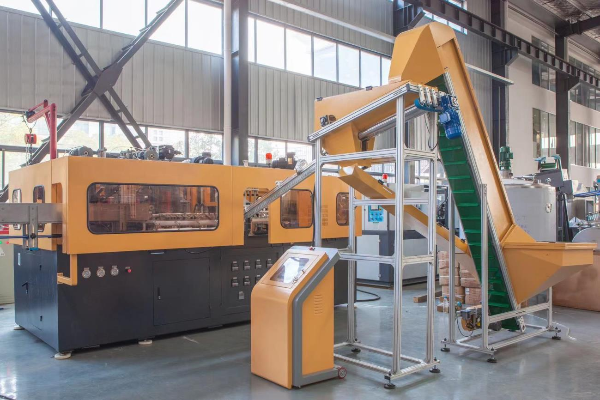
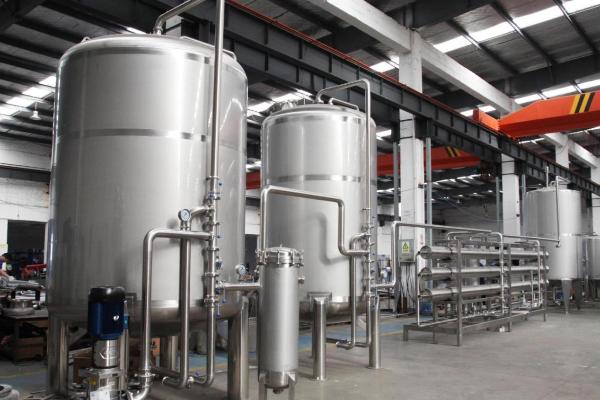
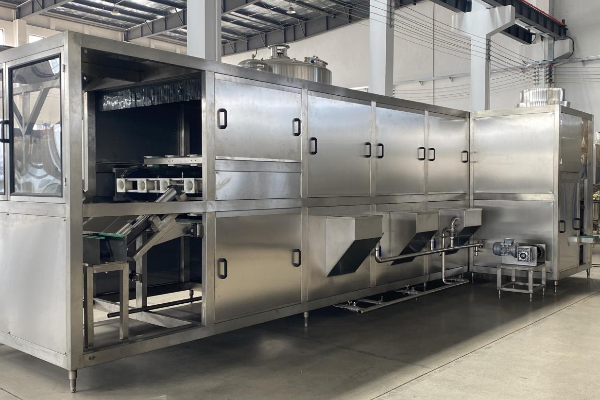
Aluminum, Tin, PET Cans — Compatibility Matrix Cards
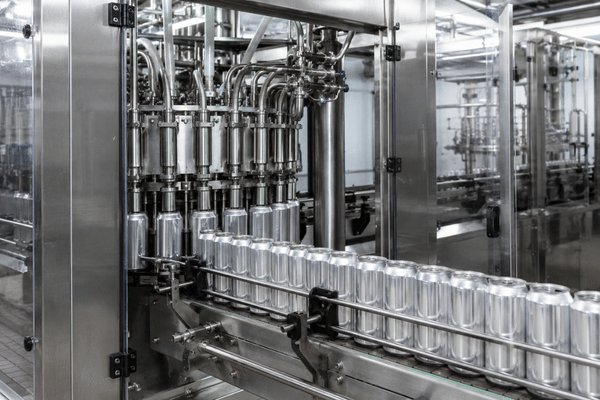
One chassis is capable of 12 oz aluminum slim cans with a hard seltzer then a 32 oz crowler on the next changeover- but not with the same sequence variables. Can materials have different oxygen permeabilities, seamer torques, and rinse fluid compatibilities, so there is no “set it and forget it” recipe.
Aluminum
Most Common Format
- 12 oz ✓
- 16 oz ✓
- 19.2 oz ✓
- 32 oz crowler ✓
Typical DO Control Window
<50 ppb

Tin / Tinplate
Legacy Format
- 12 oz ✓
- 16 oz ✓
- 19.2 oz ——
- 32 oz crowler ——
Typical DO Control Window
70–100 ppb
PET
Lightweight Format
- 12 oz ✓
- 16 oz ✓
- 19.2 oz ✓
- 32 oz crowler ✓
Typical DO Control Window
100–150 ppb (atm. only)
Why the DO Window Widens with PET
PET walls allow trace oxygen to migrate inward over a long shelf, so PET formats lend themselves to short-shelf beverages – energy drinks, RTDs, sparkling water – rather than hyper-hopped IPAs that are wonderfully sensitive to oxidation. Masstech’s rinsing station accepts aseptic water for aluminum and tin formats; PET formats use a low-pressure isobaric profile that can spare the wall during gravity filling.
Slim can bodies and sleek profiles are also feasible so long as the diameter measurement falls into 50 to 99 mm and height between 70 and 133 mm — covering active commercial can formats common in North America today.
Masstech vs XpressFill, ProBrew, Comac, King Machine — Side-by-Side
You can place every archetype – small craft taproom, European premium, mid-tier turnkey – into one of three buckets, and each of those buckets will have different output ceilings, lead times, and after-sales service.
| Dimension | XpressFill | ProBrew | Comac | King Machine | Masstech |
|---|---|---|---|---|---|
| Capacity ceiling | 300 cph | 18,000 cph | 12,000 cph | 30,000 cph | 20,000 cph |
| Typical lead time | <30 days | ~90 days | ~120 days | 75–90 days | 60–90 days |
| Spare-parts SLA (international) | Not stated | 14–30 days | 21–45 days | Not stated | 5 working days |
| Warranty (parts) | 1 year | 1 year | 1 year | 1 year | 2 years |
| Pricing transparency | Single SKU | Opaque | Opaque | Opaque | Published Tier ranges |
| Plant layout design | — | Add-on | Add-on | Add-on | Included with order |
Cross-Vendor Naming Cheat Sheet — How Masstech CC GF Maps to King GDF, Comac Sagitta, ProBrew ProFill
Different canning manufacturers use different nomenclatures, so comparing one canner to another on paper can be tricky. Drafting up a cheat sheet that translates vendors’ family designations into equivalent equipment classes- as the table below does- is helpful once it hits the procurement inbox with five vendors and five different acronyms.
Vendor
Naming Convention
Capacity Tier
Default Filling Method
Can Format Range
Masstech
CC GF (Can Carbonated, Gravity Filler)
2k–20k cph
Counter-pressure isobaric
12 / 16 / 19.2 / 32 oz
King Machine
GDF (Gravity Drink Filler)
2k–30k cph
Counter-pressure / flow-meter
12 / 16 / 19.2 oz
Comac
Microbrew / Sagitta series
3k–70k cph
Isobaric (rotary)
12 / 16 / 19.2 oz
ProBrew
ProFill Can
6k–18k cph
True-counter-pressure-gravity
12 / 16 / 19.2 oz
XpressFill
XF2200 / XF4400 / XF4500C
60–300 cph
Open / counter-pressure (small)
12 oz mainly
Twin Monkeys
3-Head / Mobile / Apprentice
720–4,800 cph
Counter-pressure
12 / 16 oz
Specification Note
Vendor naming conventions differ, and this chart translates comparable pieces of equipment not exact functional equivalents. Always check each vendor’s spec sheet before committing to an order.
Procurement Insight
Buying groups can be useful guides to what formulas seem to work for different kinds of customers. The first pattern shows that not being able to run at economical level- say, 6,000 cph on a 30,000-cph machine- is a waste of both operator time and capital. The second pattern shows that “counter-pressure”- listed as a spec feature by 5 of the 6 vendors- is in fact the way that oxygen is kept from sneaking in.
Customer Production Outcomes — Three Cases with Numbers
Every canning-line investment is a bet on payback, and the question every owner asks is: how long until this line pays back its acquisition cost? Industry case studies point to a 20- to 36-month range for canning-automation upgrade paybacks on moving from manual or mobile canning lines.
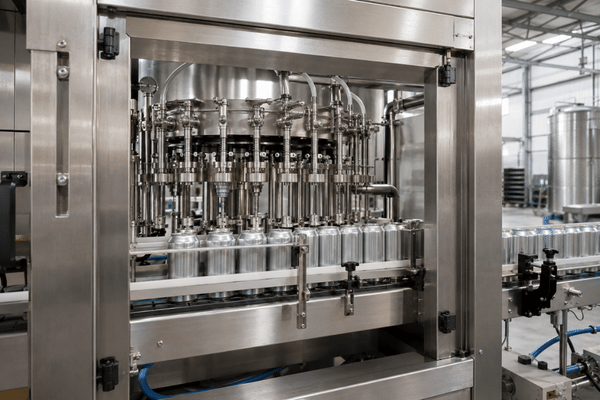
Case A — Regional Cidery
Model
CC GF 18-4
Capacity
8,000 cph
Monthly throughput
~480,000 cans
Operators
2
Reported payback
~38 months
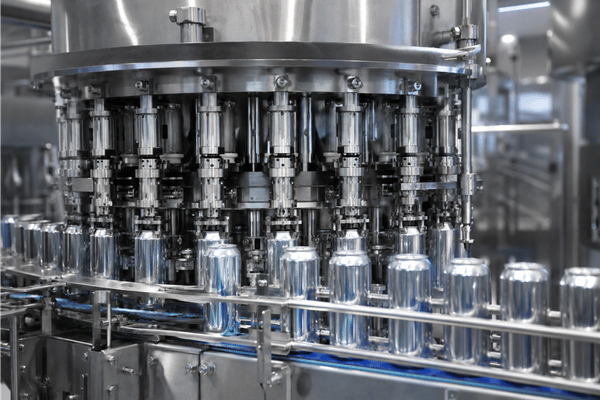
Case B — Energy Drink Co-Packer
Model
CC GF 32-6
Capacity
15,000 cph
Monthly throughput
~9.6 million cans
Operators
4
Reported payback
~24 months
Case C — Regional Craft Brewery
Model
CC GF 24-4
Capacity
10,000 cph
Monthly throughput
~1.2 million cans (seasonal)
Operators
3
Reported payback
~30 months
Of the three, the energy-drink co-packer case displays the steepest payback curve, because payback for contract canning revenue per case exceeds craft beer at retail. Conversely, the cidery case lives on the slow end, because seasonality leaves the line dark for portions of the year a planning insight the sizing matrix in the preceding section is designed to surface early.
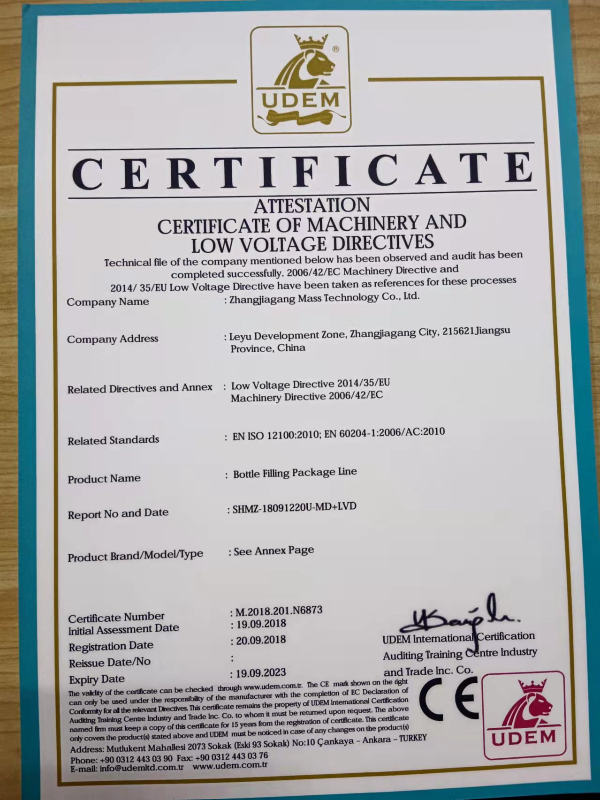
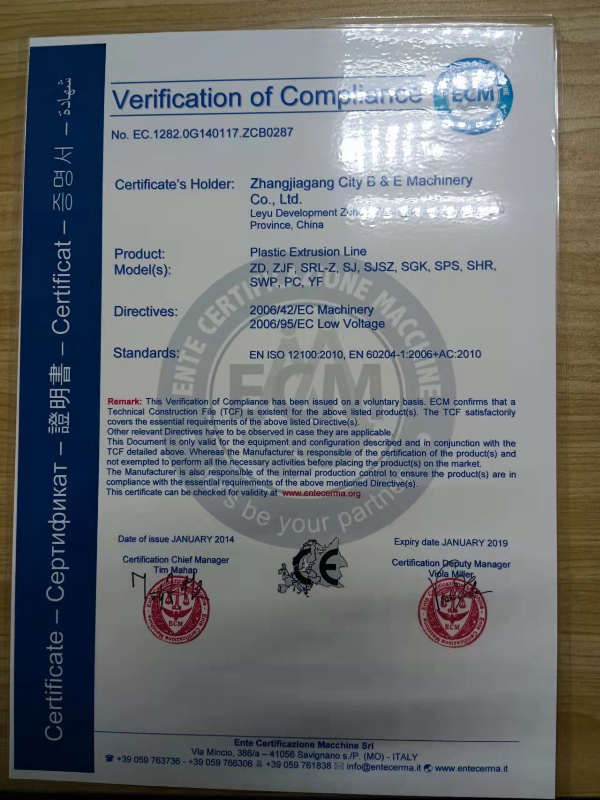
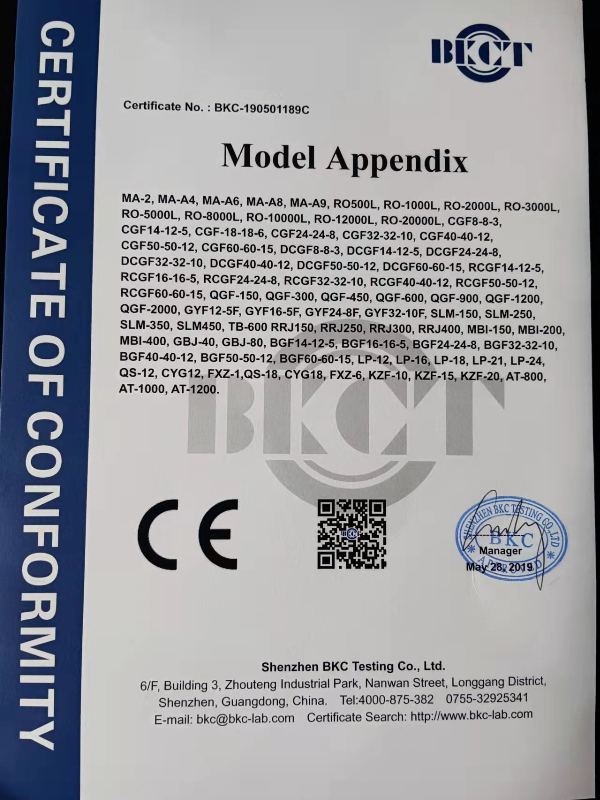
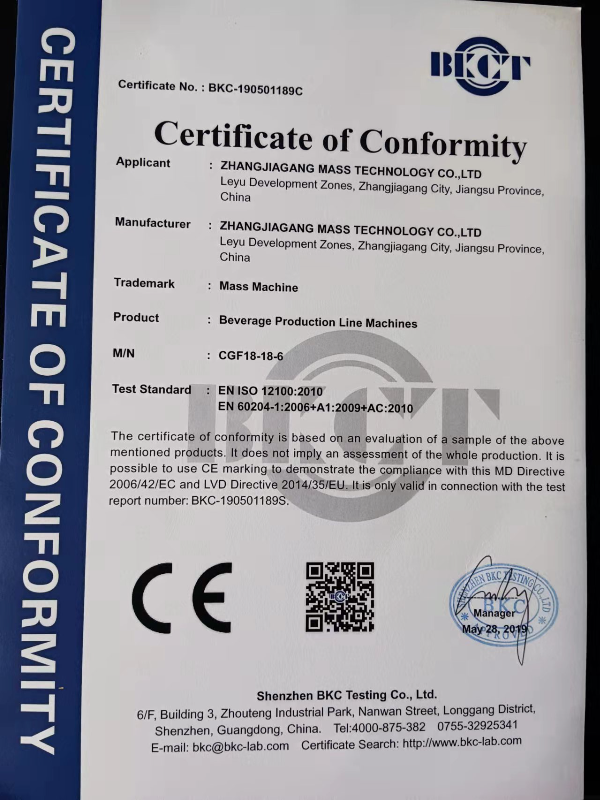
Certifications, Material Standards & Compliance
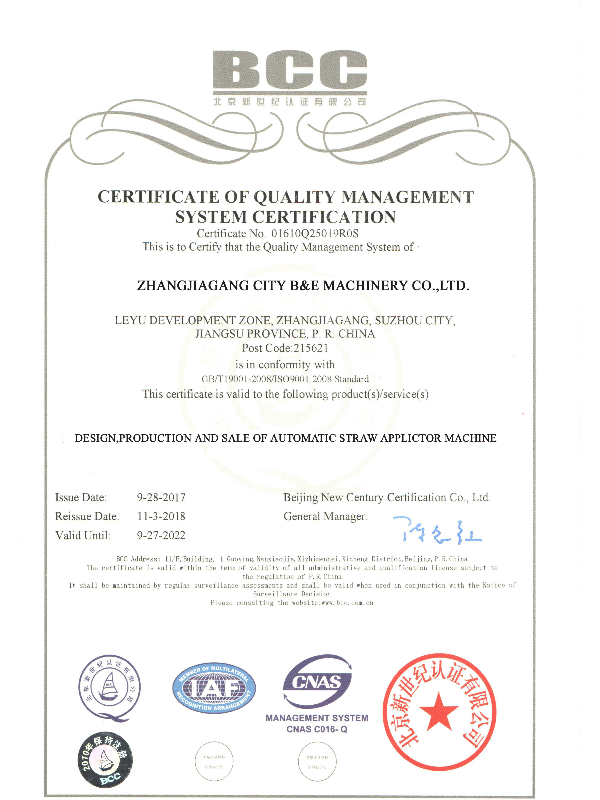
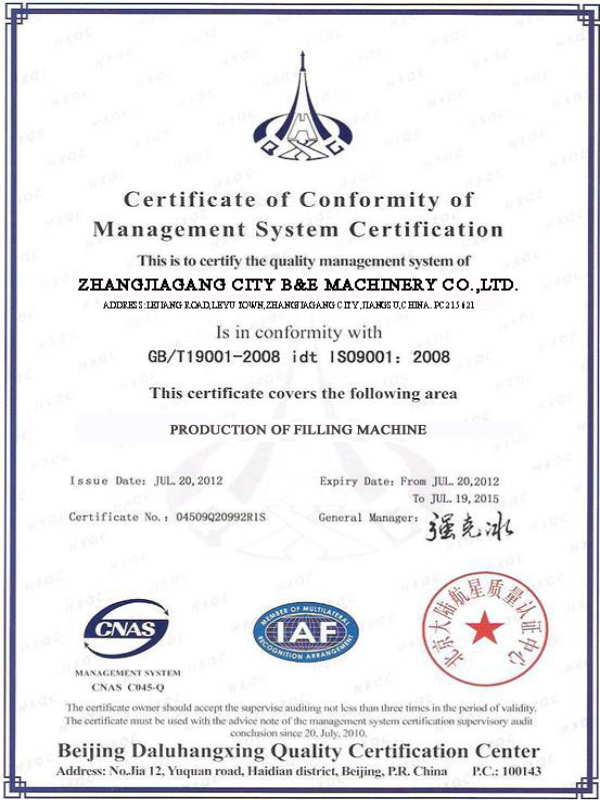
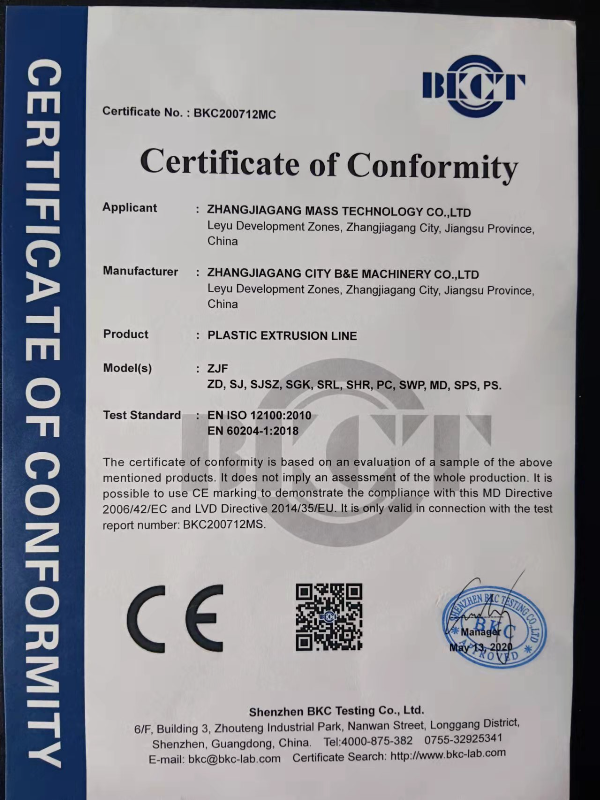
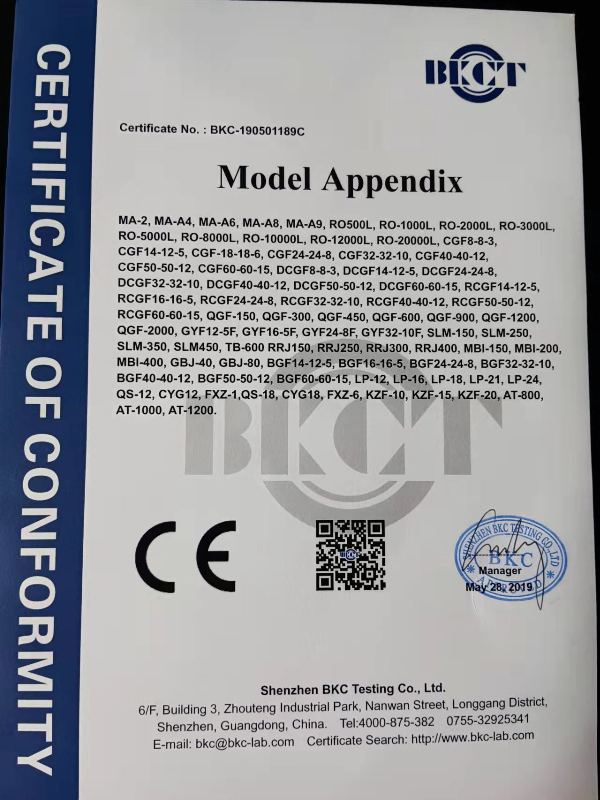
Masstech canning frame hits the only standards that matter for international beverage shipments – food-contact compliance for raw material, sanitary stainless steel for fluid path, and CE conformity for the European market.
CE
Conformité Européenne
ISO 9001:2015
Quality Management
FDA 21 CFR 175
Food Contact Compliance
304 / 316L SS
Sanitary Stainless
3-A Sanitary
Aligned Standards
GMP
Good Manufacturing Practices
Procurement Guide — Tier Pricing, Lead Time, After-Sales SLA
While most canning-line suppliers bury pricing behind a quote form, causing buyers to chase two or three conversations before arriving at budgeting, Masstech publishes indicative tier ranges below, so procurement teams can set realistic expectations on day one.
Tier 1 — Craft
USD $25k – $95k
CC GF 12-1 / 18-4
2,000–8,000 cph
FOB Shanghai, ex-VAT
~60 days lead time
Tier 2 — Mid Commercial
USD $95k – $220k
CC GF 24-4 / 32-6
10,000–15,000 cph
FOB Shanghai, ex-VAT
~75 days lead time
Tier 3 — Industrial
USD $220k – $400k+
CC GF 40 + line modules
20,000+ cph turnkey
FOB Shanghai, ex-VAT
~90 days lead time
When to Choose Each Tier
Tier 1 makes sense when the brewery currently spends $3,000 US/month on mobile canning, and is on a growth trajectory; the breakeven on owning a CC GF 12-1 usually occurs within three years that profile. Tier 2 matches regional brewers approaching one million cans monthly or contract co-packers managing multiple SKUs. Tier 3 applies only in the case of a steady demand level over 2.4 million cans monthly, or a requirement to eliminate canning bottlenecks through multiple shifts.
After-Sales SLA
Spare parts
shipped via international courier within 5 business days of confirmed order – engineered to keep a downed line out of production for less than fourteen days even on transcontinental shipments.Engineer response
24-hour technical response to the first working day after a ticket opens.Warranty
2 years on every part. Longer than the four main competitors 1-year standard next-to industry.Plant layout design
included free with every line purchase. Delivered via CAD before deposit, so a buyer can test its footprint before signing.Beer Can Filling Machine Engineering & ROI Tools
canning line sizing calculator
Input your brewery’s target production volume to calculate the exact throughput requirements and footprint needed for your specific beer can filling machine facility.
Launch Calculator
mobile canning vs owned roi
Evaluate the total cost of ownership (TCO) over time. Compare the financial break-even points of relying on mobile services versus investing in your own beer can filling machine equipment.
View ROI Tool
Frequently Asked Questions
Masstech publishes USD ranges for each tier above: Tier 1 craft lines from $25k to $95k, Tier 2 mid commercial from $95k to $220k, Tier 3 industrial from $220k to $400k+. Final pricing depends on rinse-head count, downstream modules, and PLC integration scope.
Counter-pressure controls foam during fill, but DO control hinges on the CO2 pre-purge that displaces air before beer enters the can. Both must be sequenced together; counter-pressure alone, without a properly tuned pre-purge, will not hold DO under 0.05 ppm.
Yes. The CC GF platform is designed for carbonated beer, carbonated soft drinks, energy drinks, sparkling water, kombucha, and most RTDs. Switching products between batches requires a CIP cycle — typical changeover is 45 to 90 minutes depending on residue and the next product’s flavor profile.
Masstech’s entry point is the CC GF 12-1 at 2,000 cans per hour, and it works well for 3 to 7-bbl breweries that batch package. A 5-bbl tank produces roughly 1,200 sixteen-ounce cans, which the CC GF 12-1 will pack inside a 36-minute run window.
All five Masstech models accept can diameters from 50 to 99 mm and heights from 70 to 133 mm — covering 12 oz, 16 oz, 19.2 oz, and 32 oz crowler formats in aluminum, tin, and PET. Format changeover takes about 60 minutes on the 12-1 and up to 2 hours on the 40.
Flow-meter filling tracks volume passing the inductive sensor; weight-based filling tracks mass on a load cell at each filling station. Flow-meter is cheaper and faster but is sensitive to product viscosity drift. Weight-based holds tighter accuracy on dense or syrup products but costs more in load-cell stocking and calibration. Pasteurization downstream does not change either choice — the fill method is selected on carbonation and viscosity, the pasteurization step on shelf-life and microbial risk.
Masstech commits to international courier shipment within 5 working days of confirmed order. Most parts cross to North America or Europe inside 7 to 10 days door-to-door; bulkier servo or seamer assemblies follow on the next available freight slot.
Coverage extends to all original parts shipped with the line: filling valves, can seamer head, rinse station, control PLC, and HMI. Wear items — seals, sealing gaskets, and consumables — follow normal replacement schedules and are not covered.