Get in Touch with Masstech
ISO / CE CERTIFIED
Water Treatment Systems
Commercial RO Water Treatment Systems for Bottled Water Production
Industrial reverse osmosis systems engineered for beverage and bottled water plants – 0.5 to 50 T/H capacity, DOW USA FilmTec membranes, 99.6% desalination. We match every RO stage to the matched filling line so your water-quality and throughput specs arrive at the bottle, not just the storage tank.
- 0.5–50 T/H Capacity (3,170–317,000 GPD)
- DOW USA RO Membrane
- SS304 / SS316 Build
- 2-Yr Warranty
- 24-Hr Engineer Response

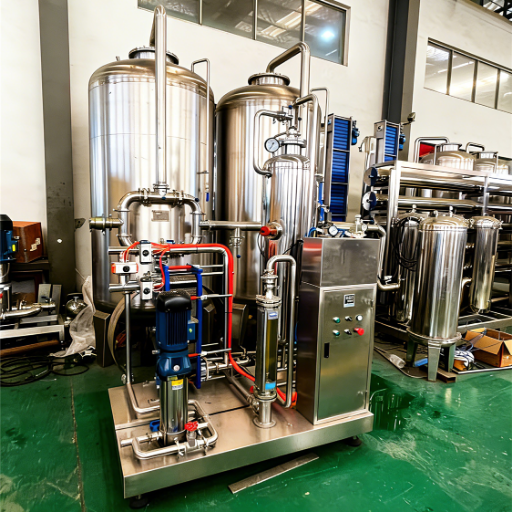
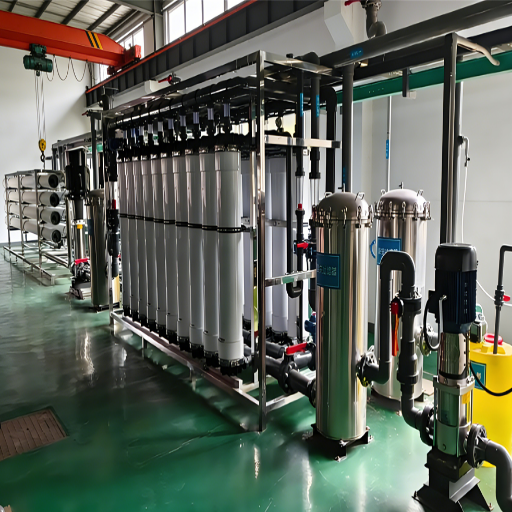
SS304 / SS316
Main system 304
ozone tower 316
ozone tower 316
RO
DOW USA FilmTec
BW30 brackish RO membrane
BW30 brackish RO membrane
FDA
21 CFR 165.110
Bottled water rule reference
Bottled water rule reference
GMP
21 CFR Part 129
Bottling GMP design
Bottling GMP design
CE
CE Marking
EU export compliance
EU export compliance
FAT
Factory Acceptance Test
Pre-shipment validation
Pre-shipment validation
Beverage and Bottled Water Plants Need Membrane-Grade Purity — Here’s How Our RO System Delivers It
The Challenge
Raw Water Vulnerabilities
Bottlers are sent back for audit, lose batches or are forced rework when source water is delivered with excess sediment, free chlorine, hardness, dissolved iron or microbiological burden that home-style filters were never intended for.
Standard activated carbon strips chlorine and odor, but cannot eliminate total dissolved solids; sediment filters trap particles larger than 5 microns but welcome dissolved minerals pass through; UV alone terminates microorganisms but leaves taste-affecting ions unaltered. The cycle of root is a single stage against a multi-variable feed water profile.
“We specify DOW FilmTec BW30 because we are able to specify a minimum 99.5% NaCl rejection off the manufacturer’s datasheet – and that figure indicates something to a purchaser’s QA team. Generic membranes do not carry that anchor.”

The Solution
Pretreatment Sequence & DOW FilmTec Integration
Our water treatment system eliminates the cycle with a steady sequence of four stages of pretreatment feeding DOW FilmTec RO membranes (reverse osmosis is a reverse step-driven separation process that passes a semi-permeable film Porgef through by commanding a membrane to push water purified across it and hold onto dissolved solids – accepted by FDA 21 CFR 165.110 as an authorized bottled water purification technique).
Each program is sized in increments from 0.5 T/H input plants to 50 T/H regional bottling, with purified water exiting the system with less than 50 ppm TDS even where feedwater hits 800 ppm – confirmed from recent industrial executions.
We employ the same membrane nameplate and design used by leading bottlers globally, supplied with the purchasing transparency and post-sale service structure demanded by international buyers. From skid assembly to FAT (Factory Acceptance Testing), every component is selected to prevent line bottlenecks and extend membrane lifespan.
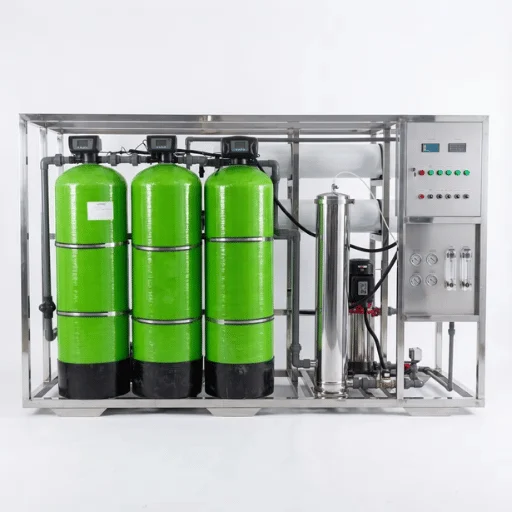
Industrial RO Water Treatment System
Engineered for absolute reliability. Our commercial Reverse Osmosis solutions are designed for high-throughput desalination, delivering uncompromising water purity for demanding industrial and bottling applications.
Technical Specifications
Capacity Range
0.5 T/H – 50 T/H
Desalination Rate
≥ 99.5%
Recovery Rate
50% – 75%
Operating Pressure
1.0 – 1.5 MPa
RO Element
DOW FilmTec / Toray
Control System
Siemens PLC + HMI
⚠️ Critical Procurement Insight
Solely in terms of procurement, the most common mistake we see is buyers sizing the commercial ro system from the rated bottling rate, without consideration for CIP downtime and the recovery rate of the RO stack itself. A 10,000 BPH filling line, 16 hours of running time, will require about 8 m/h of finished purified water.
Seamless Integration
Cross reference : every Topilp NC model on this ladder integrates seamlessly with our hot-fill juice production line on the syrup-water side, and with OPP hot-melt labeling for PET bottles downstream – allowing you to deal with one supplier from the water to the pallet.
Light Commercial Setup
For light commercial reverse osmosis applications (boutique bottlers, 5-gallon refill stations, hospitality water systems that spray under 4,000 BPH), the MS-RO-500 tier of the model offers high-quality purified water without the capital burden that we associate with industrial commercial reverse osmosis water systems.
Mass Commercial RO Plants Configuration
Our commercial reverse osmosis system line screens six abstract capacity levels, each engineered around a definitive bottling throughput target. While competition reveal only two or three model options, we publish the entire ladder because the ideal RO capacity is dictated by your filling line bottles-per-hour, not a vague “small/medium/large” container. Data below matches each commercial ro system with the filling line throughput it supports non-intermittently, including a 20% contingency for line interruptions and CIP cycles.
| Model | RO Capacity (T/H) | Gallons Per Day (GPD) | Matched Filling Line (BPH) | RO Elements (8″) | Pump Power (kW) | Typical TDS Range |
|---|---|---|---|---|---|---|
| MS-RO-500 | 0.5~3,170 | 2,000–4,000 | 2× BW30-365 equivalent | 3.0 | Up to 1,500 ppm | MS-RO-2000 |
| MS-RO-2000 | 2~12,700 | 6,000–10,000 | 4× BW30-365 | 5.5 | Up to 2,000 ppm | MS-RO-5000 |
| MS-RO-5000 | 5~31,700 | 12,000–18,000 | 8× BW30-365 | 11 | Up to 2,500 ppm | MS-RO-10000 |
| MS-RO-10000 | 10~63,400 | 24,000–30,000 | 16× BW30-365 | 22 | Up to 3,000 ppm (BWRO) | MS-RO-20000 |
| MS-RO-20000 | 20~127,000 | 30,000–36,000+ | 32× BW30-365 | 37 | Brackish (BWRO config) | MS-RO-50000 |
| MS-RO-50000 | 50~317,000 | Multi-line (custom) | 80× BW30-365 | 90 | Project-specific | – |
| Target Bottle Output (500 mL) | Recommended Model | Pretreatment Loop | Disinfection Standard |
|---|---|---|---|
| Under 4,000 BPH (boutique / 5-gallon) | MS-RO-500 | Carbon + Softener + 5μm | UV (XP-UVC-25W) |
| 4,000–10,000 BPH (entry commercial) | MS-RO-2000 | Sand + Carbon + Softener + 5μm | UV + Ozone (MS-AF-3) |
| 10,000–24,000 BPH (mid-tier bottler) | MS-RO-5000 / 10000 | Full 4-stage with redundancy | UV + Ozone (MS-AF-5/7) |
| 24,000–36,000+ BPH (regional) | MS-RO-20000 / 50000 | Full 4-stage + UF backup | UV + Ozone (MS-AF-10) |
Technical Note: flow rates listed are calculated by 15% recovery with 2,000 ppm NaCl feed stock at 225 psi and 25C – the producers ideal test condition for DOW FilmTec BW30 elements. For feed stocks greater than 3,000 ppm TDS or aquifer brackish water, we configure the same chassis with brackish water RO (BWRO) components operating at higher pressure and wider recovery ranges. Every model ships factory-prepared, pre-piped, and trialed.
RO Pretreatment Stack: From Raw Water to Membrane-Ready
Industrial water purification fails at the membrane because the pretreatment stack ahead of the reverse osmosis system was too short, or occurred too generically for the feed water. Mass plants employ a four-stage pretreatment train before every main RO, where each stage creates a specified output that fluffs out the downstream membrane, and extends the membrane element service lives. Removal targets below translate from the DOW FilmTec technical manual’s feedwater quality guide lines, which represent the upper limit of TDS overload that the RO membrane can sustain without fouling, extending recovery and rejection efficiency.
Stage 01
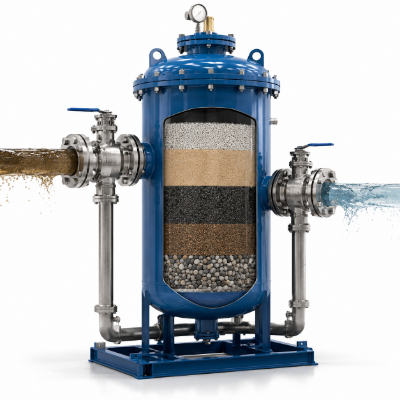
Multi-Media Quartz Sand Filter
Removes
Suspended solids, rust, colloids, particles >20 μm
Target: Turbidity < 0.5 NTU; SDI < 5
Stage 02
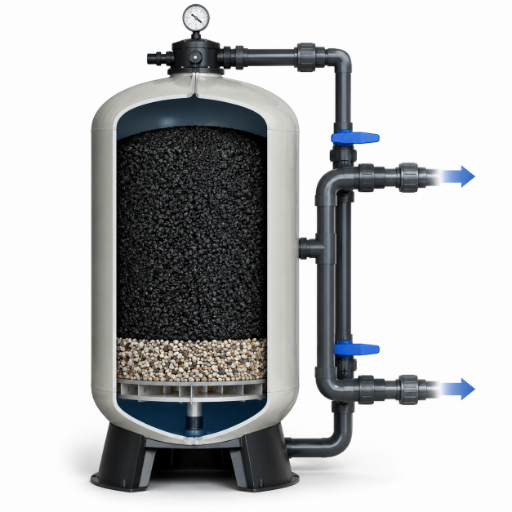
Activated Carbon Filter (granular)
Removes
Free chlorine, pesticides, color, odor, organic matter
Target: Free Cl₂ < 0.1 mg/L; SDI < 4
Stage 03
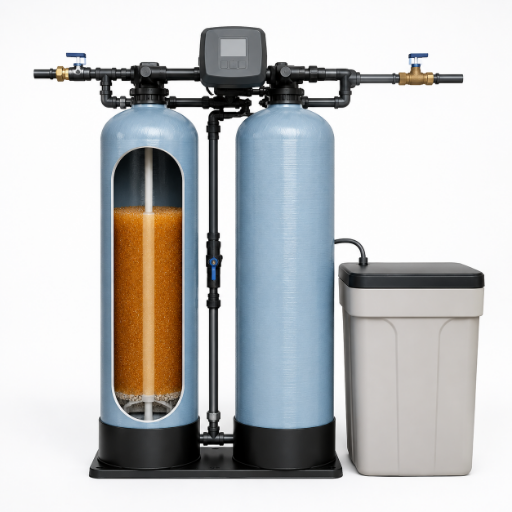
Cation Resin Softener (Na-form)
Removes
Calcium and magnesium hardness (Ca²⁺, Mg²⁺ ions)
Target: Total hardness < 1 ppm as CaCO₃
Stage 04
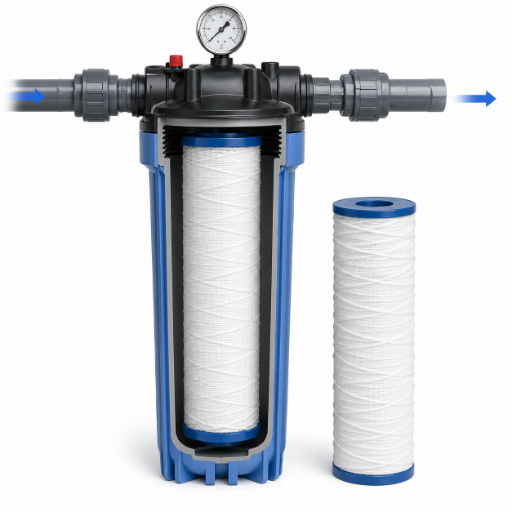
5-μm Cartridge Micron Filter
Removes
Residual fines, resin bead carryover, particles >5 μm
Target: SDI < 3 (RO-ready)
Quality of the pretreatment stack is the single largest determinant for how long an RO membrane can last.
Have a water analysis? WhatsApp Engineer for an RFQ — send the report and we will spec the exact pretreatment stack within one business day.
Get Instant QuoteRO vs UF vs UV vs Ozone — The Right Tech for Bottled-Grade Water
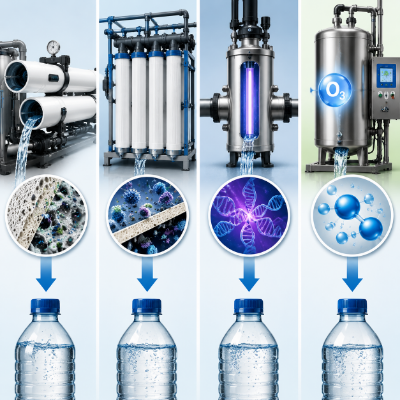
Bottlers persist in asking whether 1 new technology can do the job of the entire reverse osmosis system stack. Honest truth is that all solutions come with tradeoffs, and the comparison table makes the tradeoffs explicit. Every single technology in the table removes a different class of contaminant, operates at a different pore size, and consumes a different level of energy. commercial reverse osmosis is the only step in this list that meaningfully decreases total dissolved solids -which is the reason why FDA 21 CFR 165.110 lands on RO as the journeycap in a given Molwran to produce bottled water. UV and ozone disinfect; carbon and softener condition; UF polishes; only RO desalinates.
| Technology | Pore Size / Mechanism | What It Removes | TDS Reduction | SEC (kWh/m³) | Best Position in Stack |
|---|---|---|---|---|---|
| Reverse Osmosis (BW30) | 0.0001 μm semipermeable membrane | Dissolved salts, ions, heavy metals, bacteria, viruses | 97–99.6% | 2.5–3.5 (brackish) | Main purification stage |
| Ultrafiltration (UF) | 0.01–0.1 μm hollow fiber | Suspended solids, bacteria, viruses, colloids, macromolecules | No (not a desalination tech) | 0.3–1.0 | RO pretreatment or standalone polish |
| UV Sterilizer | 254 nm UV-C, no physical barrier | Bacteria, viruses, protozoa (inactivation only) | No | 0.02–0.08 | Final disinfection before bottling |
| Ozone Sterilizer | O₃ injection, oxidation | Microorganisms, taste, odor; provides residual | No | 0.08–0.15 | Storage tank / pre-bottling residual |
System Architecture & Process Failures
📊 Evaluating tech trade-offs?
Use our RO TCO Calculator — compares five-year energy and membrane replacement cost across configurations.
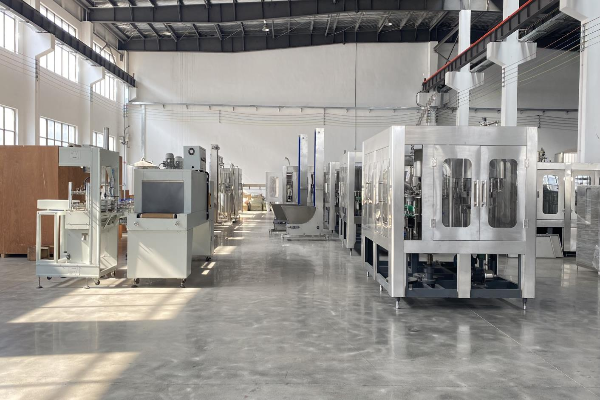
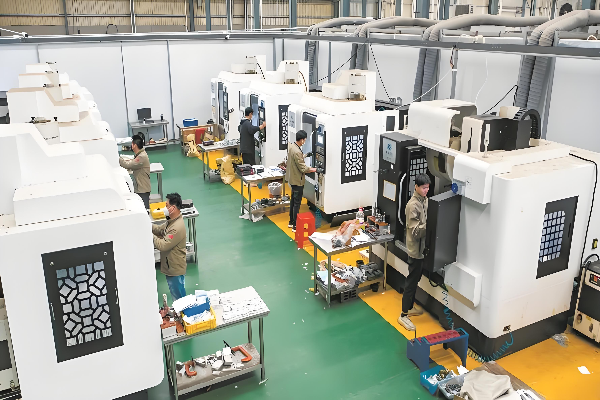
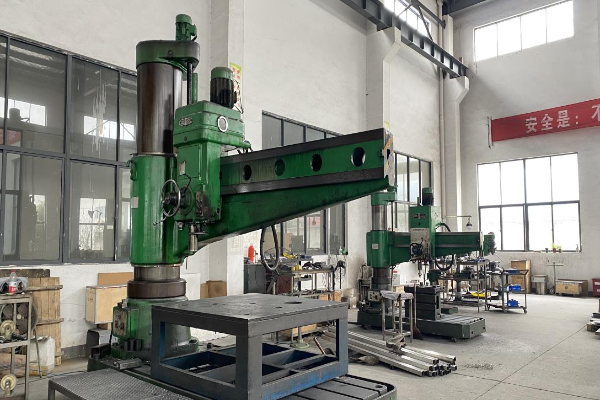
State-of-the-Art Water Treatment Manufacturing Facility
Precision Engineering & Strict Quality Control
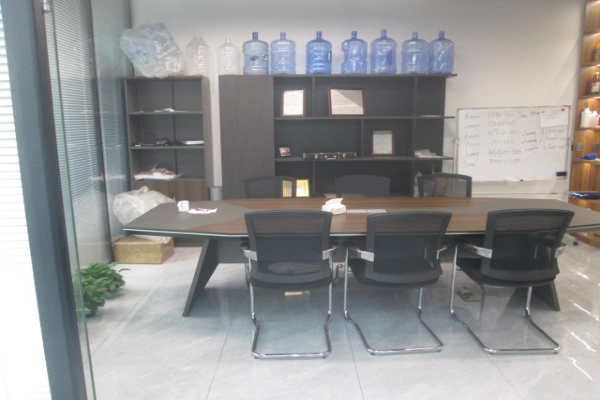
Facility Overview

Precision Machining
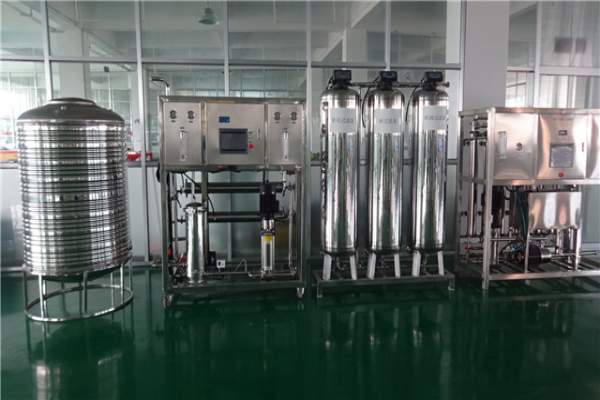
System Assembly Line
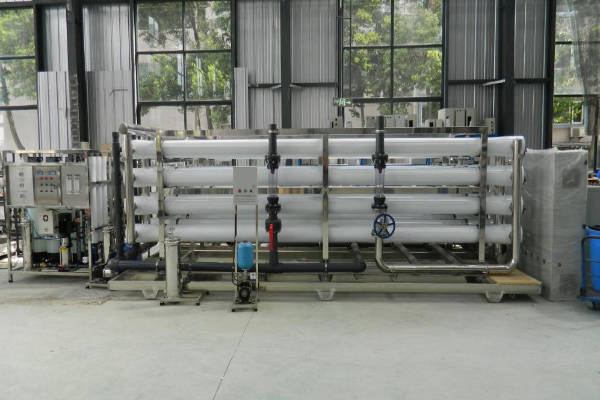
Purification Equipment
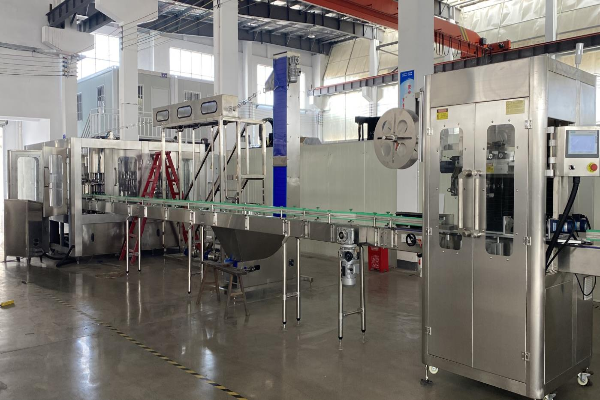
High-Tech Workshop
Automated Production
Quality Control Station
Export Readiness
Customer Outcome: From 800 ppm TDS Feedwater to Below 50 ppm Bottled Product
In a recent BoV water project, an MS-RO-5000 (5 T/H) was deployed onto a well water source that has 780-820 ppm TDS, hardness of about 280 ppm as CaCO, and free chlorine of about 0.4 mg/L, and suffered a downstream municipal blend before the four-stage pretreatment plus the DOW BW30 RO includes, the finished purified water had 38-46 ppm TDS, hardness < 1 ppm, free chlorine below detection, and it received final disinfection via the UVs and ozone stack.
In parallel with a 12,000 BPH filling line for 500 mL PET bottles, the RO was sized a tier up from nominal demand to accommodate CIP downtime and fit into puresitu production from the time it would take an equivalent sized commercial single-standby system to receive its first replacement.
TCO Optimization Snapshot — 5-Year Window
Energy is one of the two operating costs that primarily drive the bottled water plants’ operations economics is the cost of replacing the membrane membrane elements. With good pretreatment, industrial membranes tend to run five to seven years rather than the three-to-five-year usual commercial baseline – one replacement cycle that actually monetizes the use of a capital asset in the five-year national P.U.I. electricity cost environment.
Energy use for brackish RO falls into the industry benchmark range of 2.5 and 3.5 kWh per cubic metre fresh for industry standard benchmarking, with maintenance taking somewhere between 10 and 15% of total OPEX on water treatment systems. Industry-standard benchmarks for commercial water systems are above, but demands on the final TCO from a commercial reverse osmosis project are site per site and depend on feedwater profile, recovery speed, cost of energy in said site relative to global industry benchmarks. Commercial water treatment investments gain back within 5 years through high-quality purified water output and a less rework heavy bottling process, not necessarily by headlined price alone. Request your site-specific 5-year Cost Model.
Membrane Lifespan
5–7yr
industrial w/ proper pretreatment
SEC Range
2.5–3.5kWh/m³
brackish RO baseline
Maintenance Share
10–15%
of total OPEX
CIP Cycle Interval
Quarterly
typical (water-quality dependent)
Extended Industrial Applications & Architecture
For bottled water product lines not in the mineral water or spring water class, the optional downstream remineralization stage of with a proprietary calcium, magnesium and bicarbonate profile can add the minerals onto the water in a dosage control skid – instead of relying on site water variability.
But this reverse osmosis system architecture can apply to many other waters forms, too – beverage formulation waters (juice, fruit tea, vegetable-protein beverage batch inputs), food processing industry-grade process water, pharmaceutical prepartion water to WHO and FDA standards, electronics-industry semiconductor fresh cleaning water, boiler feed water / cooling-tower makeup for power or process plant, seawater desalination through the BWRO chassis, and the the recycle side of industrial water treatment loops where wastewater polishes industrial waters prior to discharge or reuse. The application-specific variation is in pretreatment loop and disinfection residual, not in the main ro.
Certifications, Compliance and Materials
Qualification Certificates Gallery
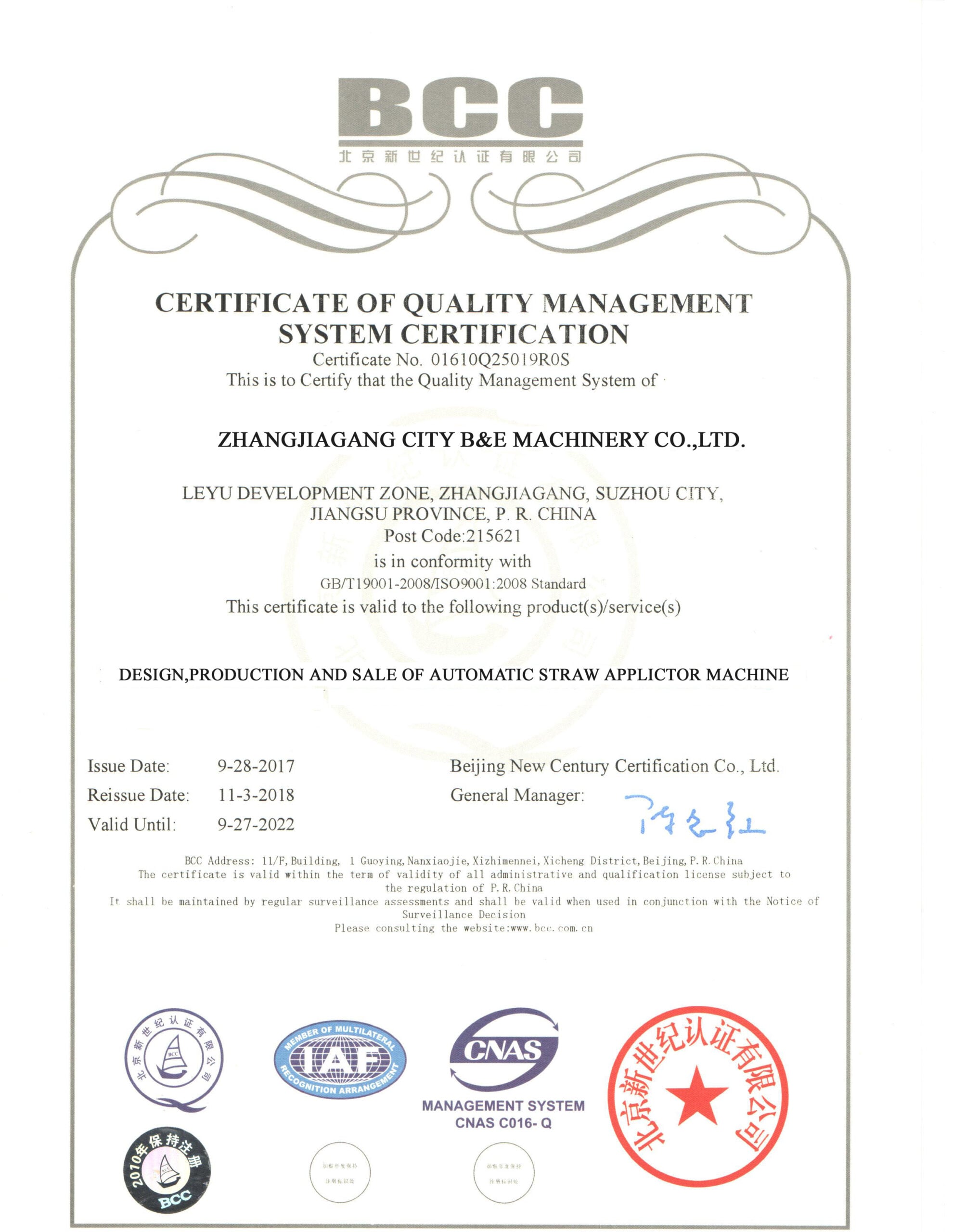
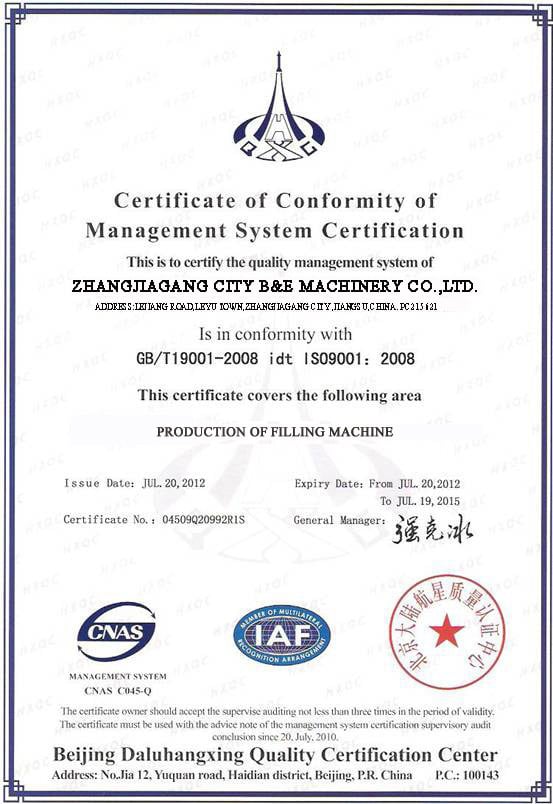
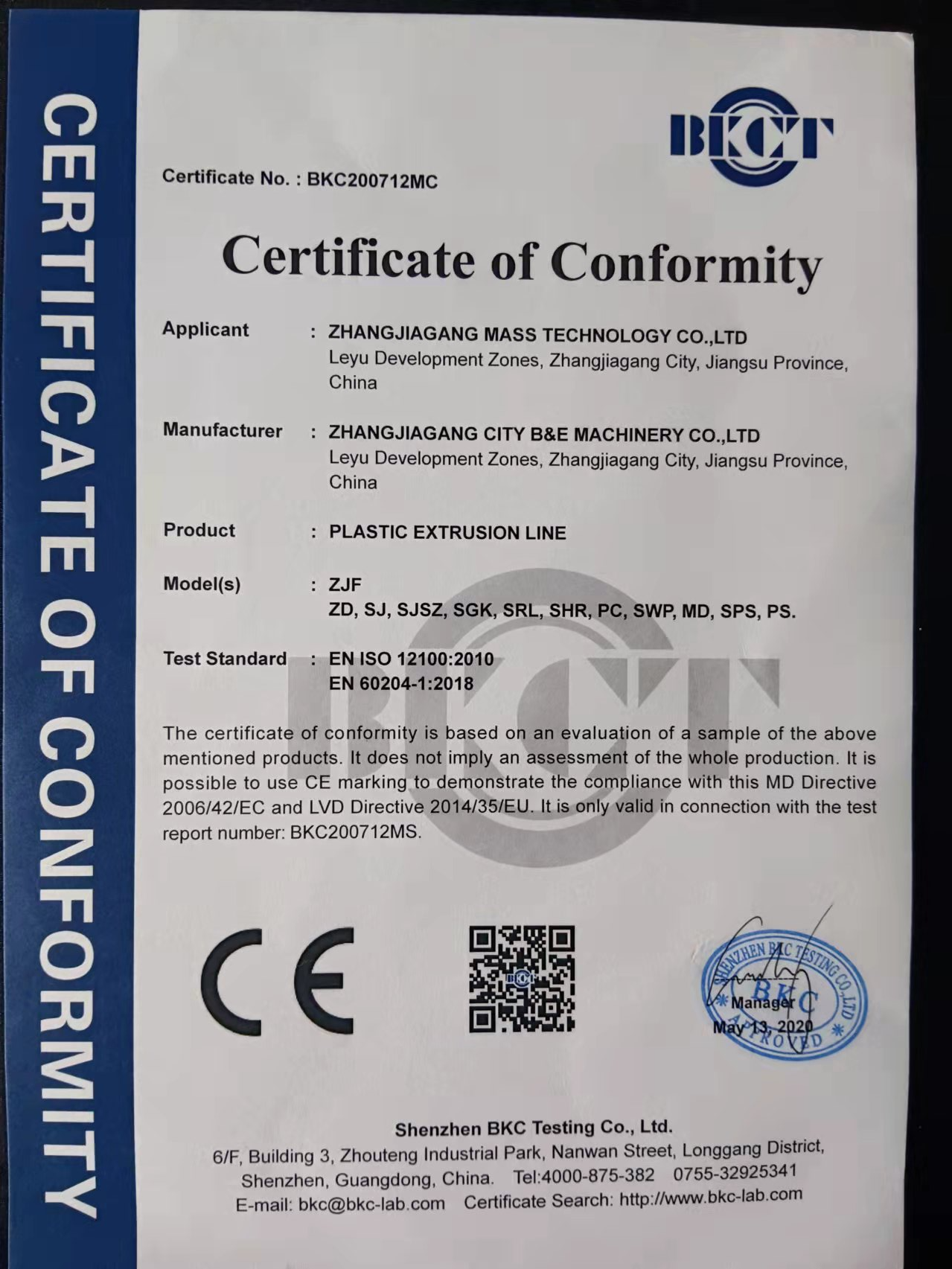
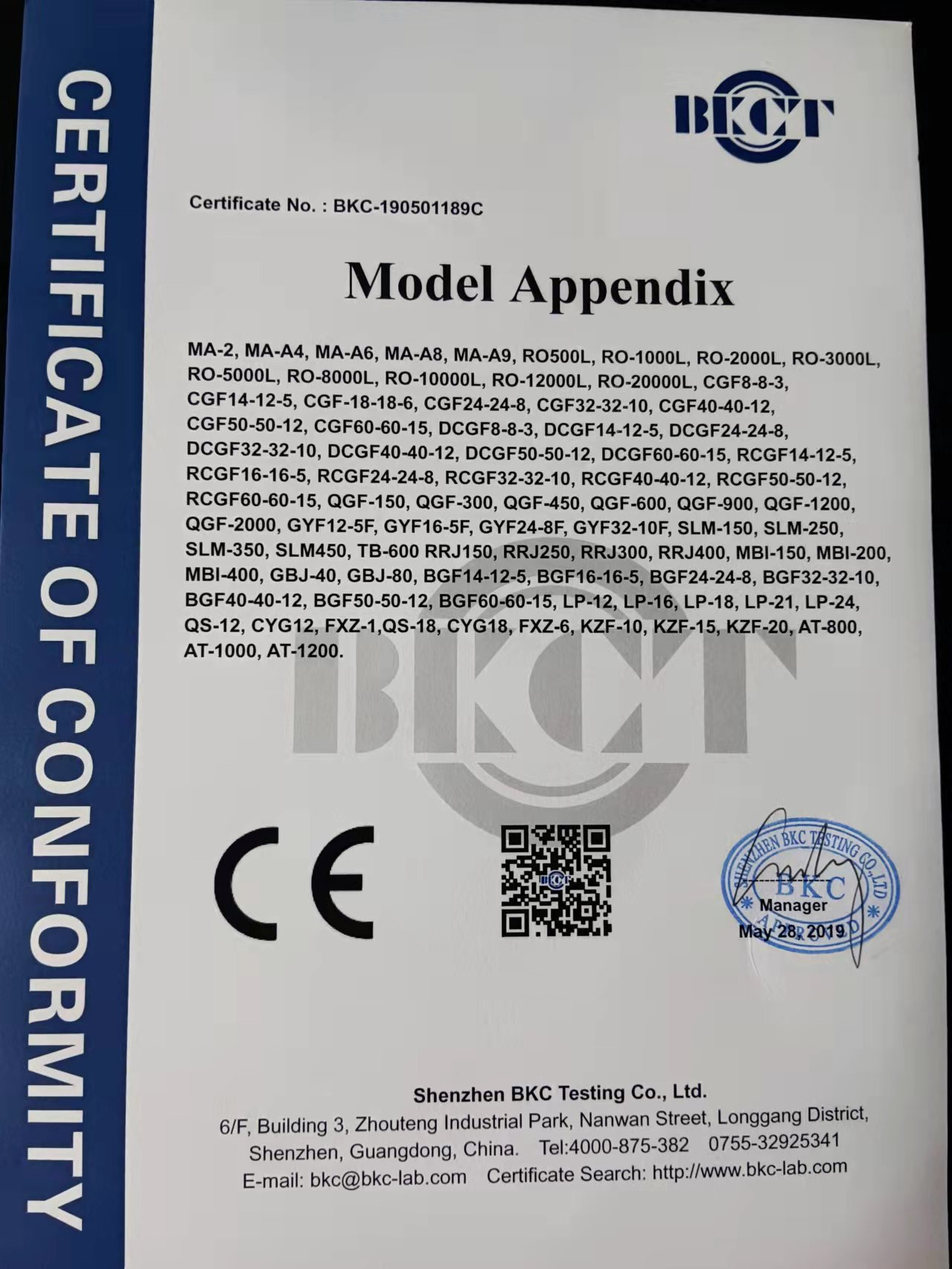
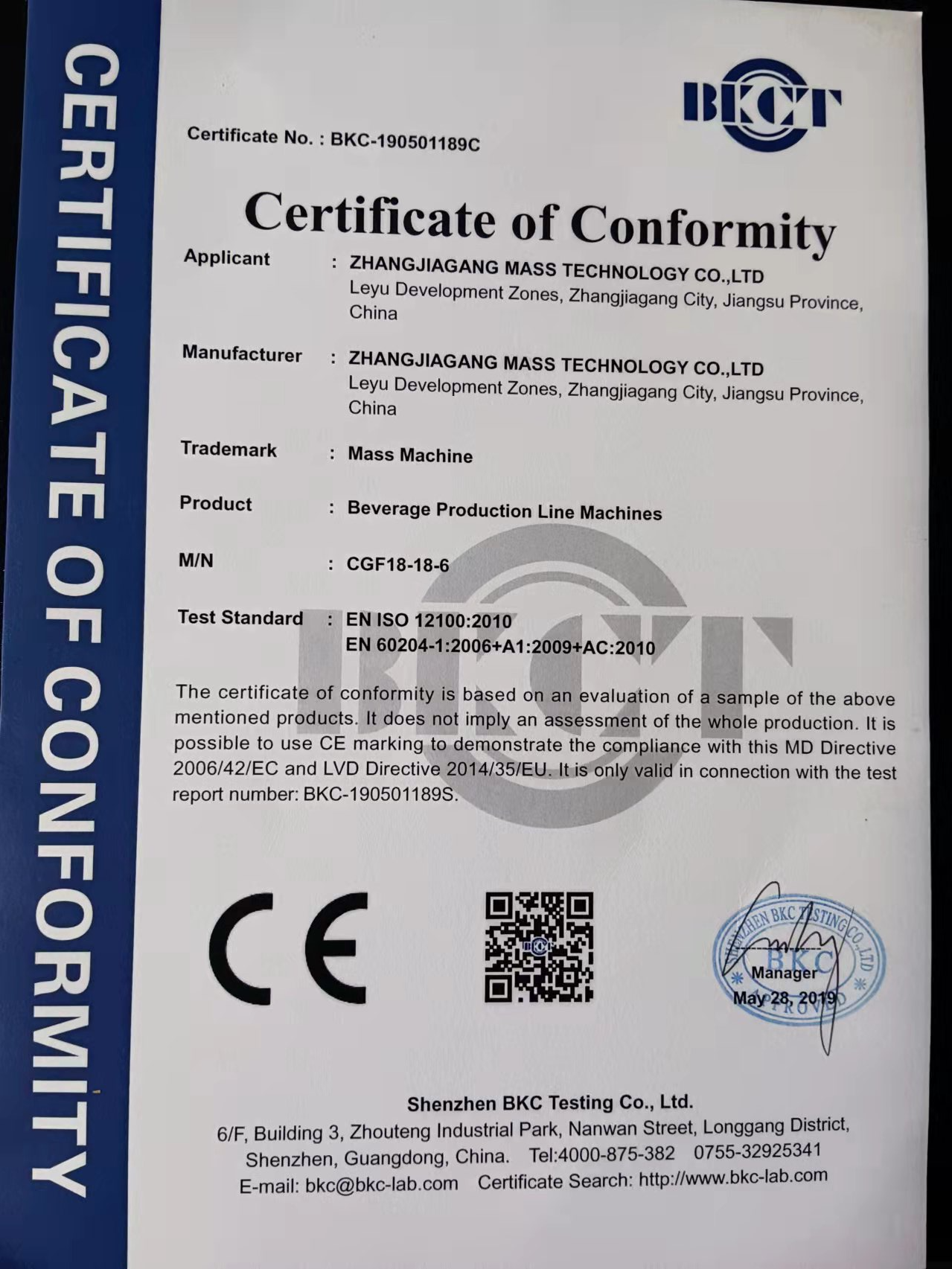
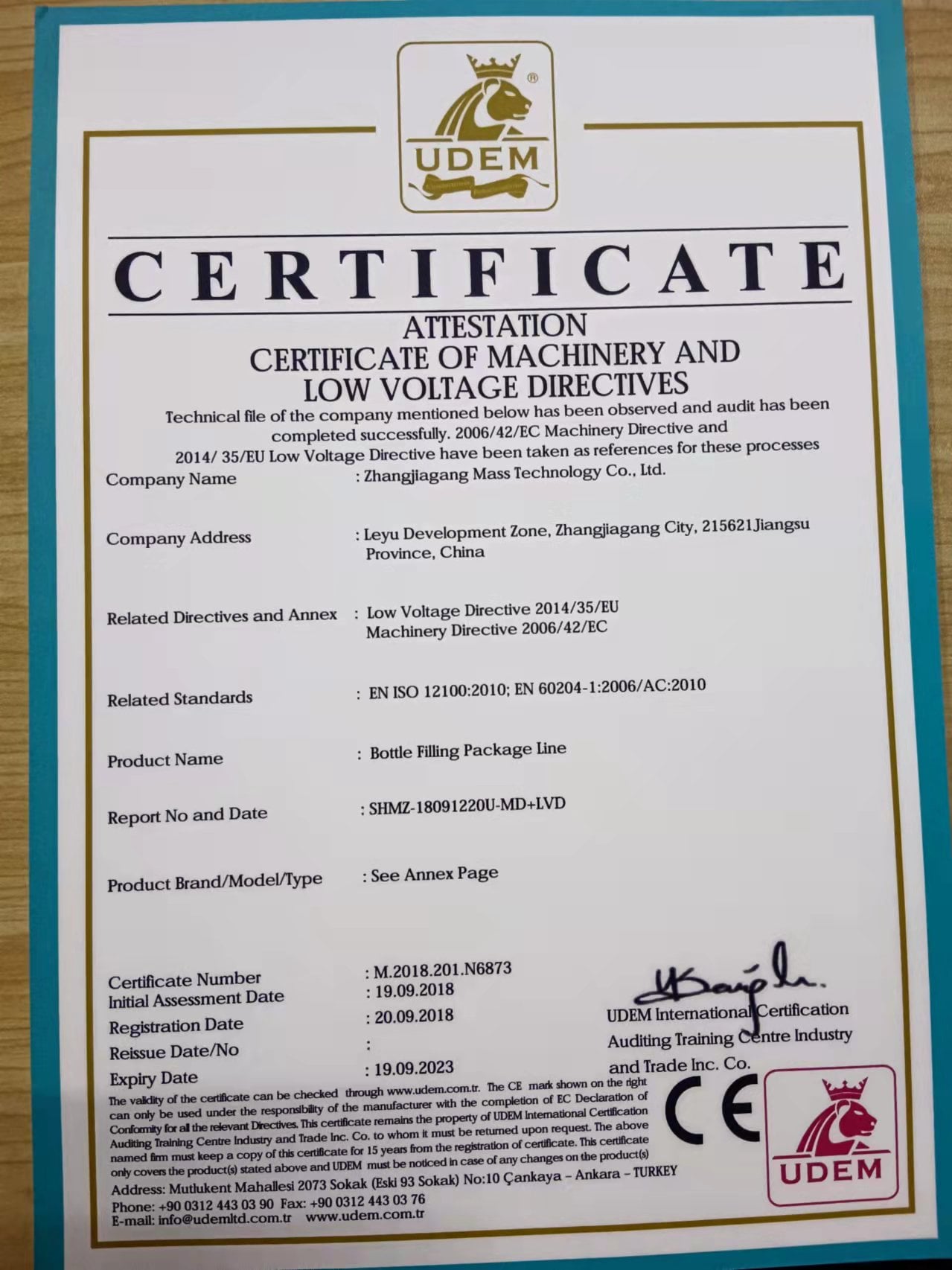
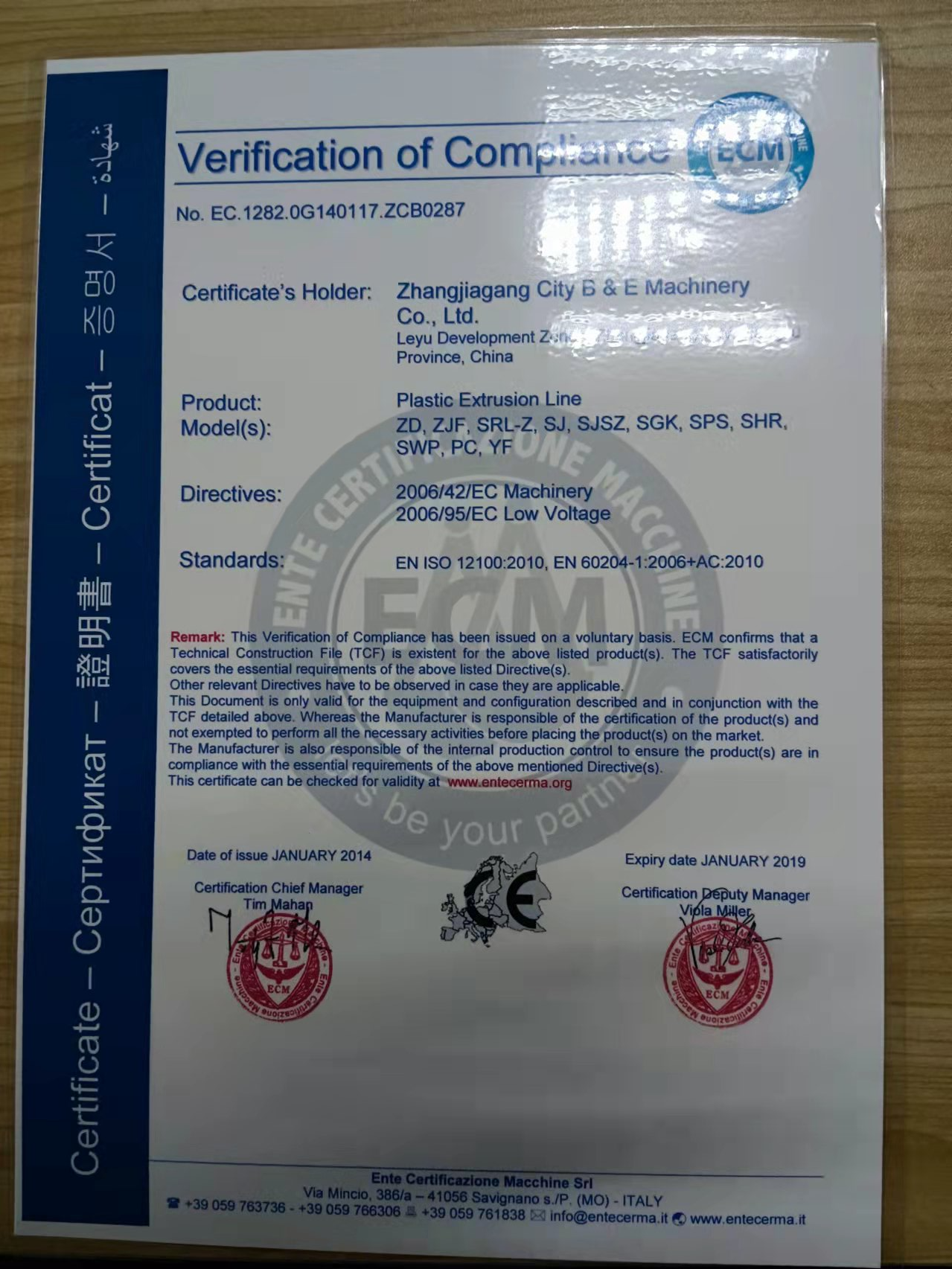
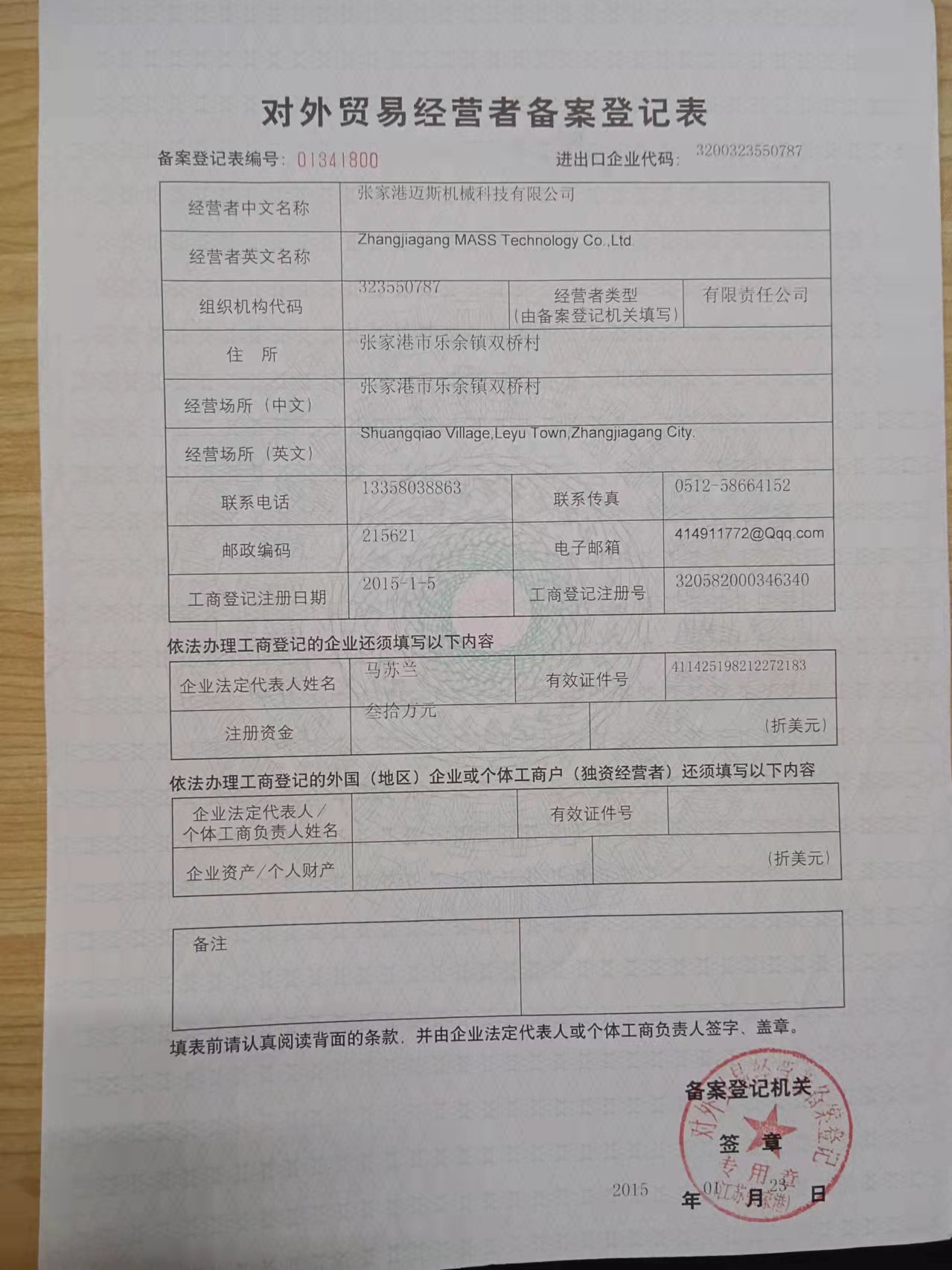
01 / 08
Global Regulatory Compliance Standards
Compliance anchor for any bottled water factory in international markets is the US FDA bottled water rule at 21 CFR 165.110, which establishes the allowable contaminant ceilings (including the 4.0 mg/L chlorine ceiling and the 0.7 mg/L fluoride ceiling when added). Our pretreatment series is sized to achieve finished-water levels comfortably below those ceilings: the activated carbon stage focuses on non-detectable free-chlorine while the RO main brings fluoride and the wider dissolved solid load down. Bottling process plant design complies with 21 CFR Part 129 (Processing and Bottling Good Manufacturing Practices), governing hygienic plant configuration, surface finish, and CIP capability.
Factory Acceptance Test (FAT) & Quality Documentation
All plants ship after a Factory Acceptance Test (FAT) at our Zhangjiagang facility, where we assemble your system and operate it on simulated feedwater consistent with your site analysis, while recording permeate quality across an eight hour cycle and preparing the results for your QA files before we ship it in the craters. We send you the FAT report before the container arrives on-site so that the set up it ready to go into production when it comes off the truck.
Procurement Guide: Pricing Factors, Lead Times, MOQ & After-Sales
International customers we work with most often have four questions about the water production set up: what influences system price, timing, minimum run length, and after-sales support. We provide transparent outlines on CAPEX, OPEX, lead-times, minimum order quantity, and the After-Sale scope. Buying transparency stands out as one of our strongest advantages in the industrial water treatment sector.
System Pricing Framework
- Capacity Tier: The single most important factor determining baseline CAPEX.
- Pretreatment Loop Scope: Inclusion of UF systems for difficult or highly contaminated feedwater.
- Disinfection Stack Specs: Selection between UV-only operations or advanced UV + ozone integration.
- Build Material Selections: Upgrading to SS316 for aggressive hard water versus standard SS304.
- Automation & Connectivity: Ranging from RO main-only setups to complete water-to-pallet plants (filling, labeling, blow molding).
Market Reference
Industry analysts value a core bottling line at approximately USD 750,000 for an international-capable plant. Our pulsar gapudur gigarakendarg system provides the complete water-side envelope for this figure, with the RO system as the primary line item.
Lead Time & Warranty Specifications
| Procurement Item | Standard Offer | Technical Notes |
|---|---|---|
| Lead Time (Standard) | 30–45 days FOB | Faster for MS-RO-500 / 2000 in stock configurations |
| Lead Time (Custom) | 60–75 days FOB | MS-RO-10000 and above; includes rigorous FAT cycle |
| Minimum Order (MOQ) | 1 Set | No minimum volume — single plant projects welcome |
| System Warranty | 2 Years | Covers all machine parts. Excludes consumables (membranes, lamps, cartridges) |
| Engineer Response | Within 24 Hours | Via Email, WhatsApp, and scheduled technical calls |
| Parts Dispatch | 5 Working Days | International courier dispatch direct from Zhangjiagang stock |
| FAT (Factory Acceptance Test) | Included | Full performance validation completed prior to shipping |
| BOQ / RFP Support | Available | Engineering team drafts BOQ entries matched to your specific tender format |
Commercial RO System Engineering Tools
RO Capacity Selector
Tell us your bottling target and feedwater profile — we recommend the right Mass commercial RO system and matched filling line.
Launch SelectorRO TCO Calculator — 5 Year Window
Estimate 5-year Total Cost of Ownership for your commercial RO system. Compares pretreatment quality impact on membrane life and energy economics.
Calculate TCOFeedwater RO-Fit Checker
Enter your raw water analysis. We benchmark against DOW FilmTec BW30 feedwater limits and recommend the pretreatment stack your RO needs.
Check CompatibilityFAQ — From RFQ to Operations
For a 500 mL PET line running 10,000 bottles per hour on a continuous reverse osmosis system feed over 16-hour shifts, you are producing roughly 80 m³ of finished purified water per day once you account for the rinser, CIP cycles, and quality reject volume. That places the system at the MS-RO-5000 tier (5 T/H, ~120 m³/day) with comfortable headroom — we recommend sizing one tier above your bottling rating so the RO does not become the line bottleneck during peak shifts. The MS-RO-10000 tier becomes appropriate once you scale to 18,000–24,000 BPH or run continuous three-shift operations.
A carbon-only setup strips free chlorine and improves taste, but it does nothing about sediment above 5 microns, calcium and magnesium hardness, or dissolved solids in general. Running an RO membrane downstream of carbon-only pretreatment is the single most common cause of premature membrane failure in low-cost commercial systems — hardness scales the membrane and forces CIP cycles within months instead of years. Our four-stage stack (sand → carbon → softener → micron filter) brings SDI below 3 and free chlorine to non-detectable before the feedwater reaches the RO main, which is what allows the membrane to run toward the upper end of its industrial lifespan range of five to seven years.
Both. Our commercial RO water treatment system on this page covers the water-side path from raw water intake to storage tank — pretreatment, RO main, UV, ozone, and finished-water tank. For a turnkey bottling plant we extend the package downstream with filling lines (2,000–36,000 BPH for water, 50–2,000 BPH for 5-gallon barrels), heat-shrink labeling, OPP hot-melt labeling, bottle blow molding, and PET preform production. An integration advantage is one supplier for the full water-to-pallet path, which removes the interface coordination issue we see when buyers buy water treatment and filling lines from separate vendors.
DOW FilmTec BW30 elements are rated at 99.5% NaCl rejection minimum under the manufacturer’s standard test condition (2,000 ppm NaCl at 225 psi, 25°C, pH 8, 15% recovery). In real plant operation, system-level desalination lands in the 97–99.6% range depending on feedwater composition, recovery rate, and how long the membrane has been in service. Our engineers commission every plant against your specific feedwater profile during the FAT cycle, so the desalination rate you see in operation is documented before the system leaves our facility.
Industry data shows commercial RO membranes last three to five years on average, while industrial RO membranes reach five to seven years when the pretreatment is sized and maintained properly. Replacement frequency depends almost entirely on what reaches the membrane — feedwater quality, the integrity of the carbon stage chlorine removal, the softener regeneration cycle, and the quarterly CIP discipline. In a five-year operating window, a well-run plant on our specification typically sees one full membrane replacement cycle; under-pretreated plants see two or more. Membrane line item is one of the largest five-year OPEX components and the easiest one to extend through pretreatment investment.
Yes. Ladder above lists standard MS-RO model points, but the underlying chassis is modular — element count, pump sizing, and storage tank volume configure between tiers. A modular chassis lets us build 1.5, 3, 7, 15, 25 and 30 T/H plants when your bottling rating sits between standard rungs, with the 30–45 day lead time holding below MS-RO-10000.
The two-year warranty covers all machine parts on the commercial RO water treatment system — pumps, valves, control panels, instrumentation, frame, piping, and tank welds — for the full 24 months from FOB delivery. Consumables (RO membranes, UV lamps, cartridges, resin, ion-exchange media) are excluded because their lifespan depends on your operating conditions rather than build quality. A 24-hour engineer response means an application engineer from our Zhangjiagang team responds to your technical query within one business day across email, WhatsApp, and scheduled video calls; for warranty-covered failures, replacement parts dispatch via international courier within five working days.
Every plant of MS-RO-2000 capacity and above ships with on-site installation and operator training as part of the standard scope, scheduled jointly with your project timeline. Site work covers the system positioning, piping interconnect to your existing water source and bottling line, electrical and instrumentation commissioning, and a multi-day operator training program covering routine operation, CIP discipline, and the maintenance schedule that keeps the membrane on the longer end of the industrial lifespan range. Each Factory Acceptance Test runs at our facility against simulated feedwater matching your site analysis, and the FAT report — including permeate water quality logs across the test cycle, free chlorine and SDI readings at each pretreatment stage, and the recovery rate against your specified TDS — ships with the system records for your QA file. Where local regulations require a Site Acceptance Test, our engineers run that on your floor after commissioning is complete, with sign-off documentation prepared in the format your regulatory body or QMS framework requires. For plants exporting to the United States, European Union or GCC region, we coordinate the additional documentation packages that customs and food-safety authorities typically request during the import or registration cycle, so your bottled water plant can begin commercial operation on schedule rather than waiting for paperwork in transit.
Ready to Spec Your Commercial RO Water Treatment System?
Tell us your bottling throughput target and include a recent water analysis from your site. We will respond with a footprint recommendation, pretreatment scope outline, and a preliminary budget within 48 hours for your review – including warranty and after-sale framework details as international buyers expect.
Get Plant Quote
Why We Build This RO System
Mass Technology has been manufacturing complete water treatment and bottling lines from Zhangjiagang since the company’s founding, with the 0.5 to 50 T/H ladder built around the bottling capacities (2,000 to 36,000 BPH) we ship in matched plant projects. Specifications on this page come from our engineering files and the DOW FilmTec public datasheets we anchor every commercial RO bid against — published here in full because international buyers should not have to ask twice for the numbers a serious supplier already knows.